

When you think of neck pain, you probably picture a stiff, aching sensation that limits your movement, especially after a long day of staring at a computer screen. However, for countless individuals, chronic neck pain extends far beyond simple muscle tension. It morphs into a debilitating array of symptoms, including severe headaches, persistent nausea, and even weakness or sharp pain radiating down the arm.
If you have been struggling with a stiff neck and finding yourself constantly nauseous,
or experiencing mysterious headaches that over-the-counter pain relievers cannot touch, you’re not alone. These symptoms are not random occurrences; they can be direct evidence that a deep structural issue in your cervical spine is affecting your entire nervous system.
You do not have to accept these complex and challenging symptoms as an unavoidable part of life. Understanding the anatomical connections between your cervical spine, cranial nerves, and peripheral nervous system is the first critical step toward genuine relief.
The Hidden Connection: Why Neck Pain Triggers Headaches, Nausea, and Dizziness
It can feel frightening when a simple stiff neck starts making you nauseous. Patients often wonder, “Can a stiff neck cause nausea?” The answer is a resounding yes, and the explanation lies in a crucial anatomical concept known as the trigeminocervical nucleus (TCN).
The TCN is a relay center located in the brainstem that receives sensory input from the upper three cervical nerves (C1, C2, and C3) in your neck, as well as the trigeminal nerve, which covers your face and head. When cervical structures, such as the C2-C3 facet joint or a damaged disc, become inflamed or irritated, the pain signals they send can converge, or “cross-talk,” with the signals from the trigeminal nerve. Your brain, unable to distinguish the exact source of the signal, interprets the irritation in your neck as pain in your head, resulting in a type of chronic headache known as a cervicogenic headache.
Cervicogenic headaches are frequently characterized by pain that starts in the back of the neck and skull and then spreads to the eye or forehead, usually on one side (unilateral pain). But the connection goes deeper than just head pain.
Neck Pain and Nausea: The Vagal Link
The digestive system’s connection to the spine explains why many people experience neck pain, which can lead to nausea or even vomiting. Structures in the upper cervical spine are closely associated with the vagus nerve (cranial nerve X), which plays a pivotal role in regulating involuntary body functions, including heart rate, breathing, and, most importantly, digestion.
When severe inflammation or mechanical irritation occurs in the high cervical region (C1-C4), it can inadvertently activate nearby nerves, including the sympathetic nervous system and potentially branches of the vagus nerve. This irritation can result in autonomic symptoms that mimic other conditions. While nausea and vomiting are classically associated with migraine headaches, high-quality medical research confirms that autonomic symptoms like nausea, vomiting, and dizziness can occur in a small percentage of patients suffering from a cervicogenic headache originating in the neck.
Consider seeking an evaluation that goes beyond addressing the stomach or the head if you find yourself constantly battling left side neck pain and nausea.
When Pain Radiates: Understanding Arm and Shoulder Pain (Cervical Radiculopathy)
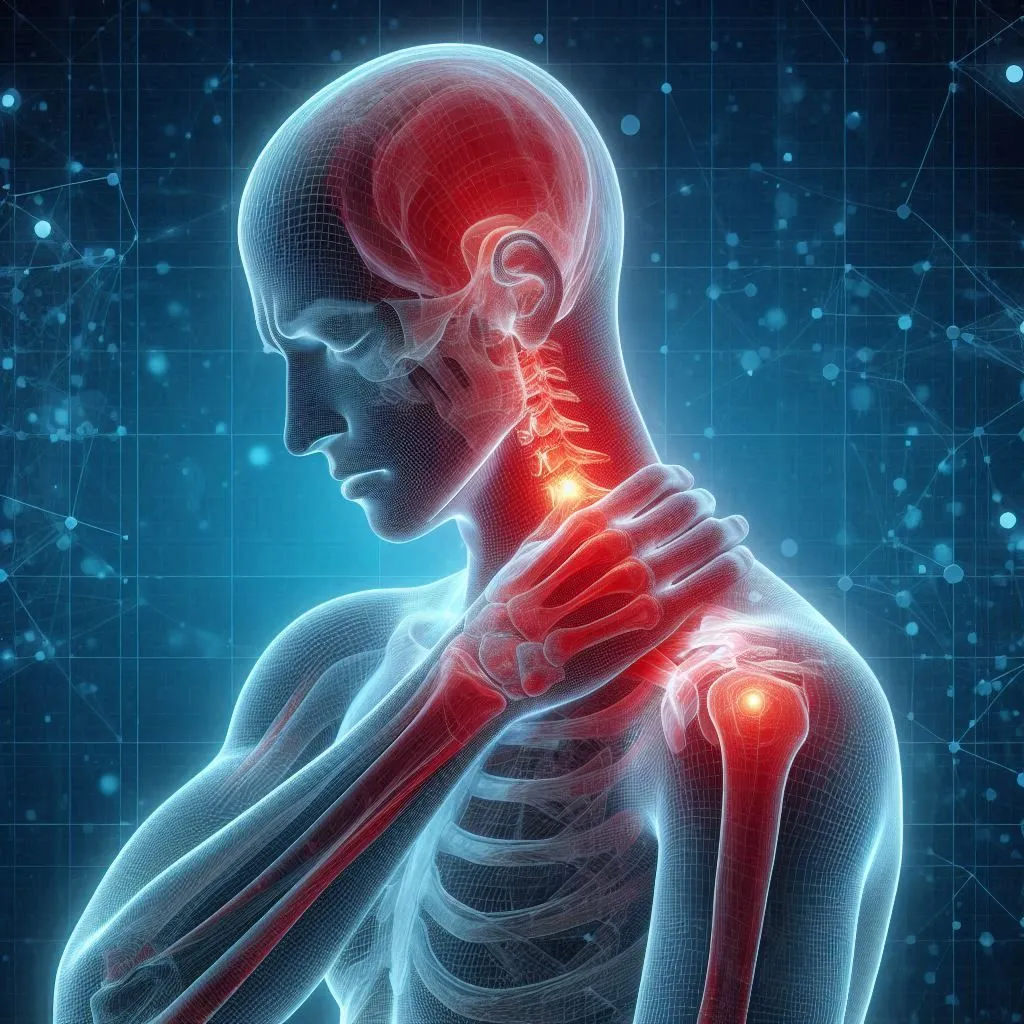
When neck pain is accompanied by symptoms that travel into the shoulder, arm, or hand, it is a telltale sign that the issue is neural, not muscular. This phenomenon is known as cervical radiculopathy, or a pinched nerve in the neck.
The cervical spine is composed of seven vertebrae (C1-C7). Between each vertebra, a spinal nerve root exits the spinal cord to travel down the shoulder, arm, and into the hand. If a bone spur, herniated disc, or stenosis narrows the space where the nerve exits, it can compress or chemically inflame the nerve root.
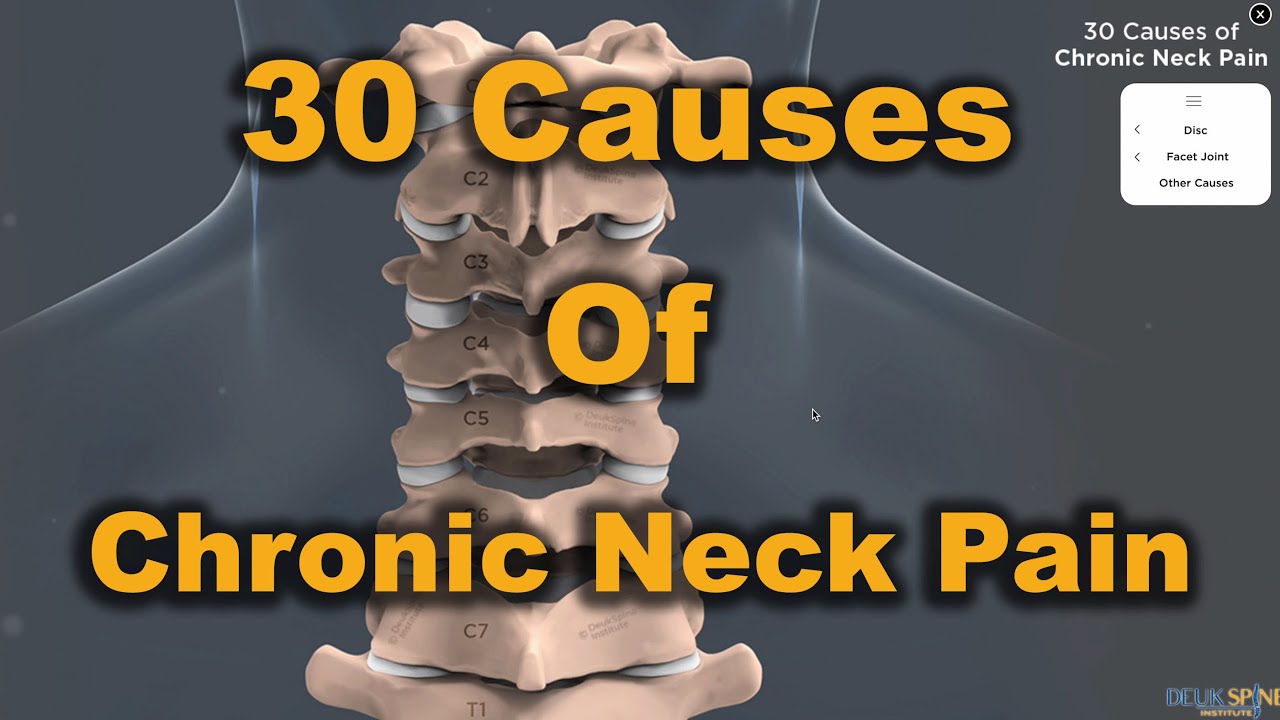
Watch 30 Causes of Neck Pain — For an in-depth overview
Symptoms of a Pinched Nerve
Patients suffering from cervical radiculopathy rarely describe the pain as a dull ache. Instead, they typically report:
- Sharp, shooting pain: An electrical or burning sensation that originates in the neck and follows a predictable path (dermatome) down the arm.
- Numbness and tingling: Often described as pins-and-needles or a feeling of a limb “falling asleep.”
- Weakness and shaking: Significant compression can impair the nerve’s motor function, leading to muscle weakness and shaking. For patients who report their neck feels weak and shaky, this motor dysfunction can range from difficulty gripping objects to a perceived internal tremor.
- Unilateral presentation: The radiating pain usually affects only one side of the body, corresponding to the pinched nerve root.
Radiating discomfort is often misinterpreted as carpal tunnel syndrome, tennis elbow, or a primary shoulder injury. However, a spine specialist knows that if the problem originates in the neck, treating the nerve root at its source is the only way to achieve long-term relief of arm and shoulder pain.
Identifying the Root Causes of Chronic Neck Pain
At the root of most chronic neck pain that produces such complex systemic or radiating symptoms is mechanical compression or structural failure within the cervical spine. These are not conditions that vanish with rest or over-the-counter painkillers; they are progressive issues that require targeted, evidence-based care.
The most common underlying causes include:
1. Degenerative Disc Disease (Cervical Spondylosis)
As we age, the cervical discs—the soft, fluid-filled cushions between your vertebrae—begin to lose hydration and height, leading to degenerative disc disease or cervical spondylosis. Degeneration allows the vertebrae to move more freely, often leading to the growth of bone spurs (osteophytes). These bony projections are the primary culprits in narrowing the spinal canal (stenosis) or the nerve root exit holes (foramina), creating pressure that causes pain and symptoms such as neck pain and radiculopathy.
2. Herniated or Bulging Discs
A sudden trauma, like whiplash, or chronic wear and tear, can cause the soft inner material of a cervical disc to push through the tough outer layer. Even a small herniation can press directly on a sensitive nerve root, triggering intense left side neck pain and nausea or radiating arm symptoms. When considering the underlying cause of your chronic neck pain, you should always consult a specialist who prioritizes finding the exact disc or joint causing your issues.
3. Posture and Muscle Dysfunction
While it is rarely the sole cause of chronic, severe symptoms like radiculopathy or persistent nausea, prolonged poor posture significantly contributes to the breakdown of spinal structures. The forward head posture typical in modern society places enormous mechanical stress on the lower cervical and upper thoracic spine. This stress can lead to muscle fatigue and trigger points in the upper back and shoulders that contribute to upper back pain, nausea, and tension. Learning proper posture and ergonomics is a key preventive measure. Read more in “4-Point Cervical Spine Posture Assessment Checklist.”
Diagnosis and Evaluation: Finding the Source of Your Pain
When addressing symptoms that range from your head to your hand, obtaining an accurate diagnosis is essential. If a doctor focuses only on your headache or arm pain, they may treat a symptom while overlooking the underlying structural issue in your spine that is causing the problem.
The diagnostic process should be comprehensive and centered around the patient:
1. Comprehensive Patient History and Neurological Exam
Your physician will perform a detailed physical and neurological examination. They will test your reflexes, assess muscle strength (especially in the arms and hands), and check for specific sensory deficits to map which nerve root may be compromised. The findings allow the physician to correlate your reported symptoms, such as the severity of your neck pain making me nauseous or where your pain radiates, with an anatomical level in the spine.
2. Advanced Imaging (MRI)
Magnetic Resonance Imaging (MRI) is the gold standard for visualizing soft tissues and nerve roots. It allows physicians to clearly identify herniated discs, bone spurs, and spinal cord or nerve compression. If you have been told your pain is “just muscle strain,” yet you experience neurological symptoms like radiating pain or weakness, a high-quality MRI review is essential to confirming or ruling out a mechanical cause.
3. Diagnostic Injections
In cases where imaging is inconclusive or when multiple levels of the spine show pathology, a diagnostic injection, such as a targeted nerve block, can pinpoint the precise pain generator. If the pain, headache, and related symptoms are temporarily relieved after a nerve block is applied to a specific cervical joint or nerve root, the location of the cause is confirmed, guiding the treatment plan.
Advanced Treatment Options for Neck Pain and Associated Symptoms
For chronic and severe neck pain associated with neurological symptoms, conservative treatment should always be the first step, but it must be followed by definitive solutions if symptoms persist.
Looking for answers and relief? Schedule a free consultation and MRI review with Dr. Deukmedjian today.

Conservative Management
For many patients, relief can be found through non-surgical methods:
- Physical therapy and exercise: Physical therapy for neck pain is a mainstay of conservative care. A tailored program focuses on strengthening the deep neck flexors, improving posture, and restoring the natural range of motion. This process is crucial not only for symptom relief but also for preventing recurrence.
- Medication: Nonsteroidal anti-inflammatory drugs (NSAIDs) or short courses of oral steroids may be used to reduce acute inflammation and pain.
- Ergonomic and lifestyle changes: Adjusting your workstation, employing proper neck support while sleeping, and implementing stretching breaks throughout the day can significantly alleviate the daily strain that contributes to spinal problems.
Surgical Solutions: Focusing on Minimally Invasive, Disc-Sparing Techniques
When a definitive mechanical issue, including an uncontained herniation or severe stenosis, is identified and conservative care fails to provide relief, surgery becomes necessary. However, the patient should be wary of outdated, invasive procedures like traditional spinal fusion, which reduces movement and placing added stress on adjacent levels.
Modern spine care, particularly at specialized institutes, favors minimally invasive, motion-preserving options. The goal is always to treat the source of the pain while preserving the natural anatomy of your spine.
Deuk Laser Disc Repair® (DLDR)
DLDR is a leading-edge alternative to traditional fusion and artificial disc replacement surgery for cervical disc herniations. It involves a small, endoscopic incision that allows the surgeon to precisely remove the disc material causing nerve compression using a laser, while protecting the surrounding bone and ligaments. This procedure eliminates pain and neurological symptoms without sacrificing spinal mobility.
In some cases where pain originates from the small facet joints in the neck and radiates into the arm, procedures like the Deuk Plasma Rhizotomy® (DPR) can offer a highly effective solution. This advanced technique uses a plasma radiofrequency wave to safely disable the pain signal transmitted by the medial branch nerves responsible for facet joint pain.
We understand that when you are suffering from neck and arm and shoulder pain, the anxiety and discomfort can be overwhelming. Take a moment to view one of our patient success stories that speaks directly to the experience of resolving radiating neurological pain: “Patient from Canada Has Neck & Arm Pain CURED w/ the Deuk Plasma Rhizotomy.“

Make Your First Pain-Free Move
Deuk Spine Institute’s proprietaryDLDR is performed without cutting or damaging healthy muscle, fascia, or bone, without using risky hardware, and without post-operative pain. Unlike TLIF, there are no complications. None. Best of all, the DLDR procedure takes less than an hour, and recovery takes less than three days.
Upload your latest MRI for a free review and a personal consultation with myself. Ara Deukmedjian, M.D., founder of Deuk Spine Institute and creator of theDeuk Laser Disc Repair® procedure.
Frequently Asked Questions
-
Can neck pain really cause symptoms like headaches, nausea, or arm and shoulder pain?
Yes. When neck muscles, joints, or nerves are irritated, the discomfort can radiate beyond the neck. The direct link is found in the trigeminocervical nucleus, a nerve center in the brainstem that connects the upper cervical spine nerves (C1-C3) with the trigeminal nerve (responsible for facial/head sensation). Irritation here can cause severe tension headaches (cervicogenic headache). Additionally, nerve root compression can cause pain that extends into the shoulder, arm, or hand (cervical radiculopathy). Persistent nausea can arise from significant muscle tension or irritation of nerves in the cervical region associated with the autonomic nervous system.
-
When should I see a doctor for neck pain with symptoms like weakness, chills, or shaking?
You should seek immediate medical care if your neck pain is accompanied by red flag symptoms. These include sudden, debilitating weakness in your arms or hands; sensations of internal shaking or dystonic tremor; persistent nausea or vomiting; high fever-like chills; unexplained weight loss; or pain that fails to improve after several days of conservative rest. These signs may indicate a more serious issue such as spinal cord compression (myelopathy) or an underlying infection, requiring a proper, urgent evaluation by a spine specialist.
-
What treatments help relieve neck pain and its related symptoms?
Many people find initial relief with conservative treatments such as physical therapy for neck pain, gentle stretching, adjustments to posture and ergonomics, and the use of heat or cold therapy. A specialized clinician may also recommend targeted interventions, such as diagnostic nerve blocks, anti-inflammatory prescription medications, or advanced, minimally invasive surgical solutions like the Deuk Laser Disc Repair® if a mechanical issue like a herniated disc is the definitive cause.
-
How can I differentiate between a common stiff neck and pain caused by a serious underlying spine condition?
A common stiff neck, usually resulting from muscle strain or poor sleep, generally improves significantly within 48 to 72 hours with rest and stretching. In contrast, neck pain caused by a serious underlying spine condition, like a herniated disc or cervical stenosis, often persists for weeks, gets worse with certain neck movements, and is almost always accompanied by distinct neurological symptoms. These symptoms include electric-like shooting pain, chronic numbness, persistent tingling in the arm or hand, or signs of muscle weakness (neck feels weak and shaky). If your pain is chronic or involves neurological deficits, it is crucial to consult a spine specialist for an MRI review to confirm the structural root cause of the problem.