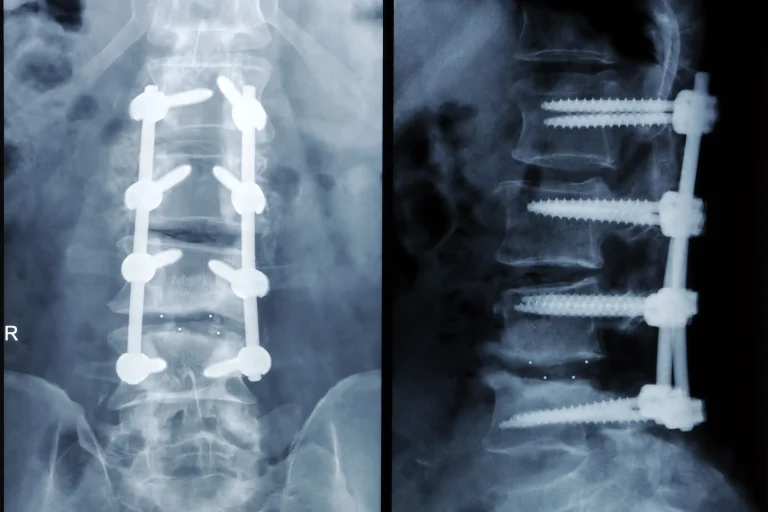
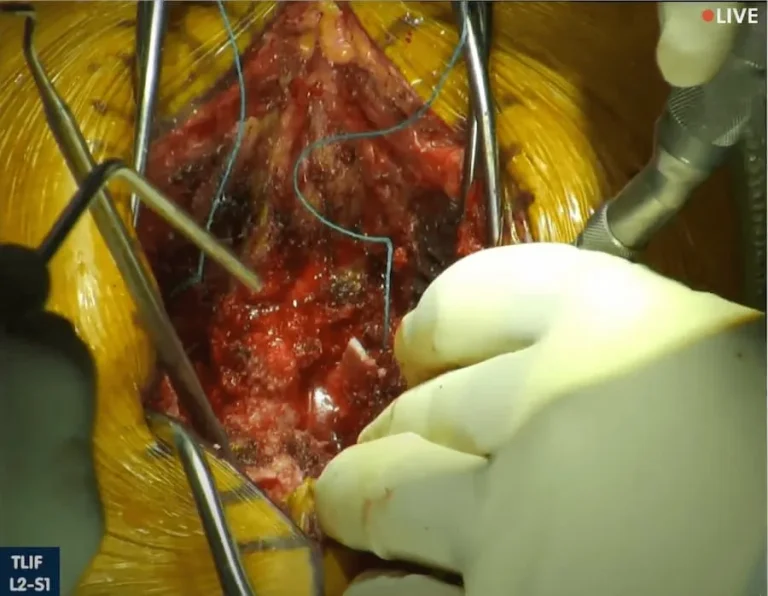
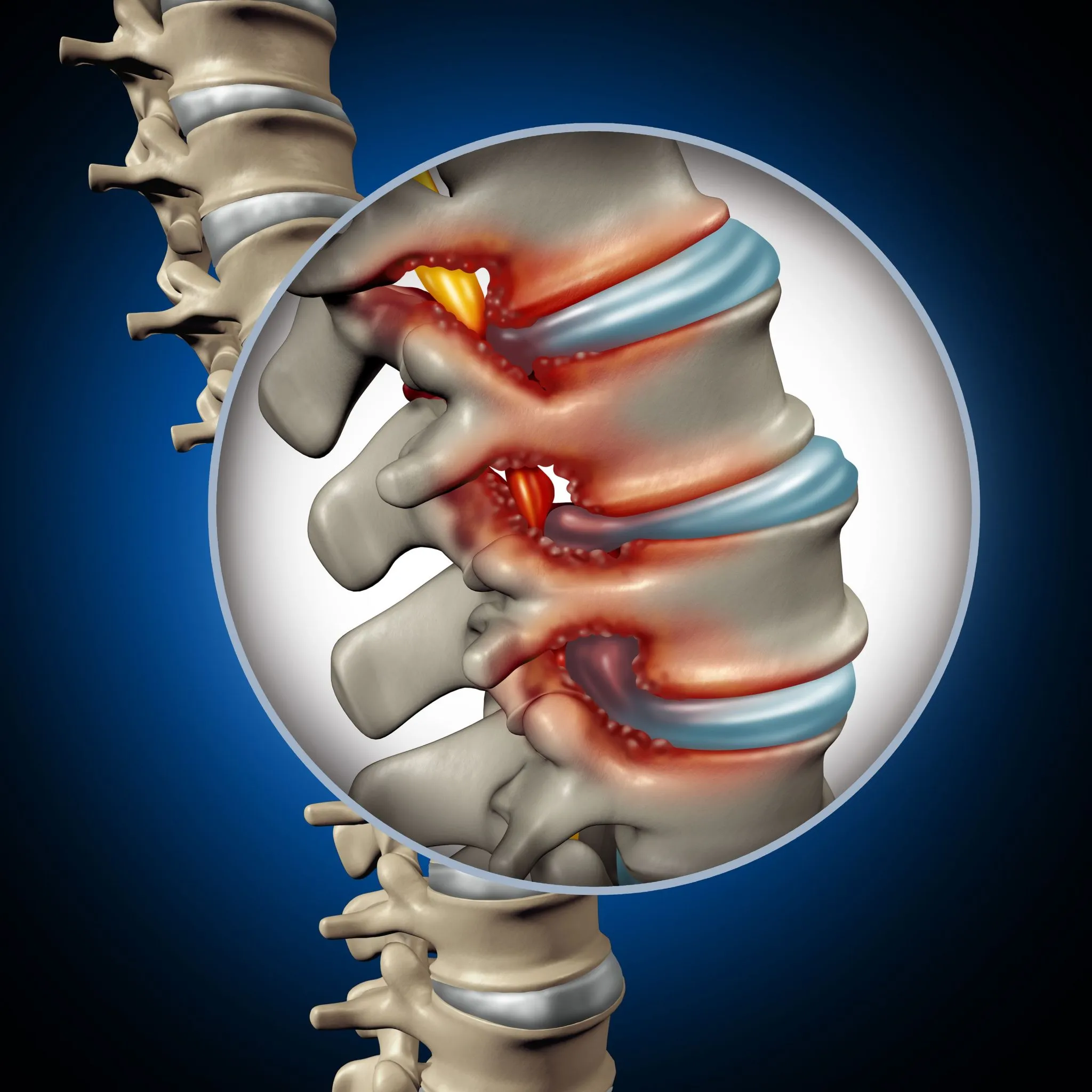
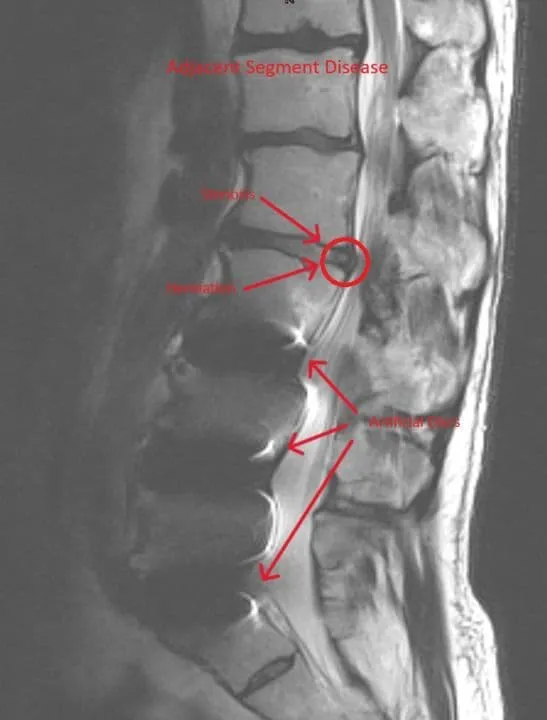
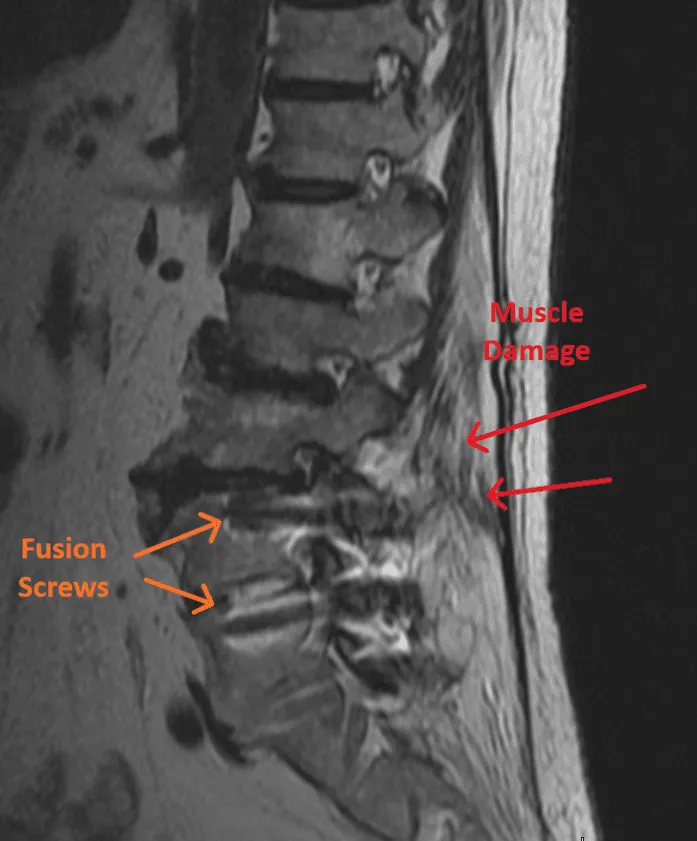
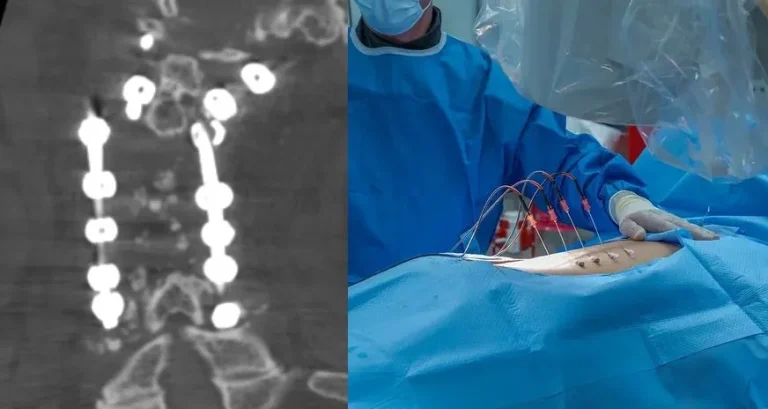
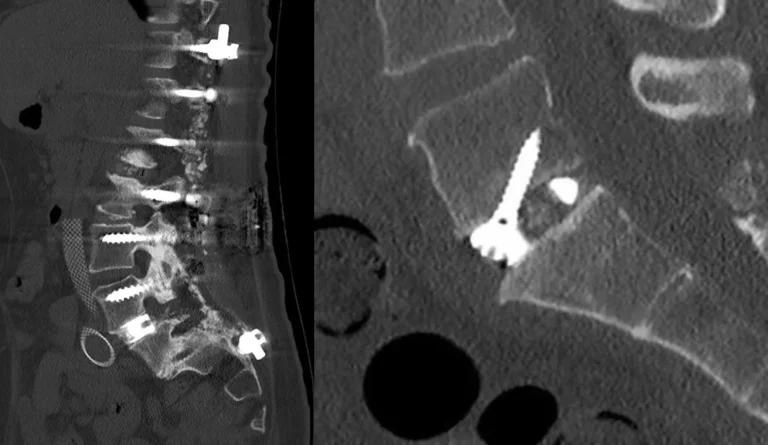
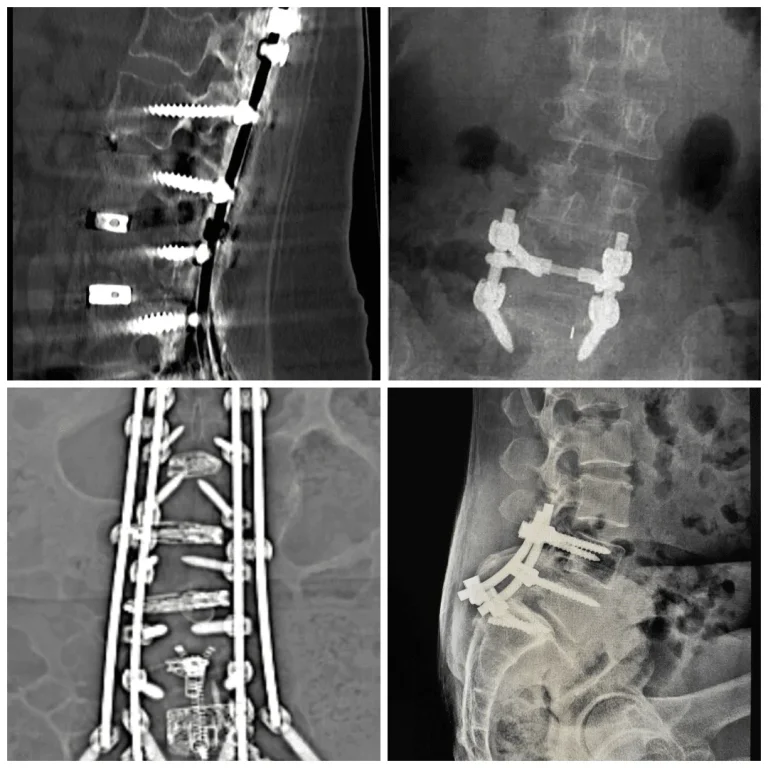
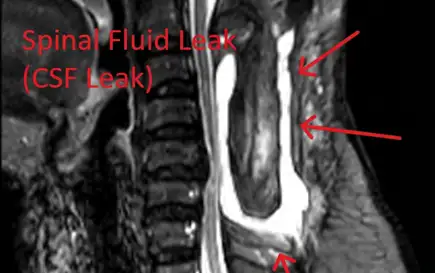
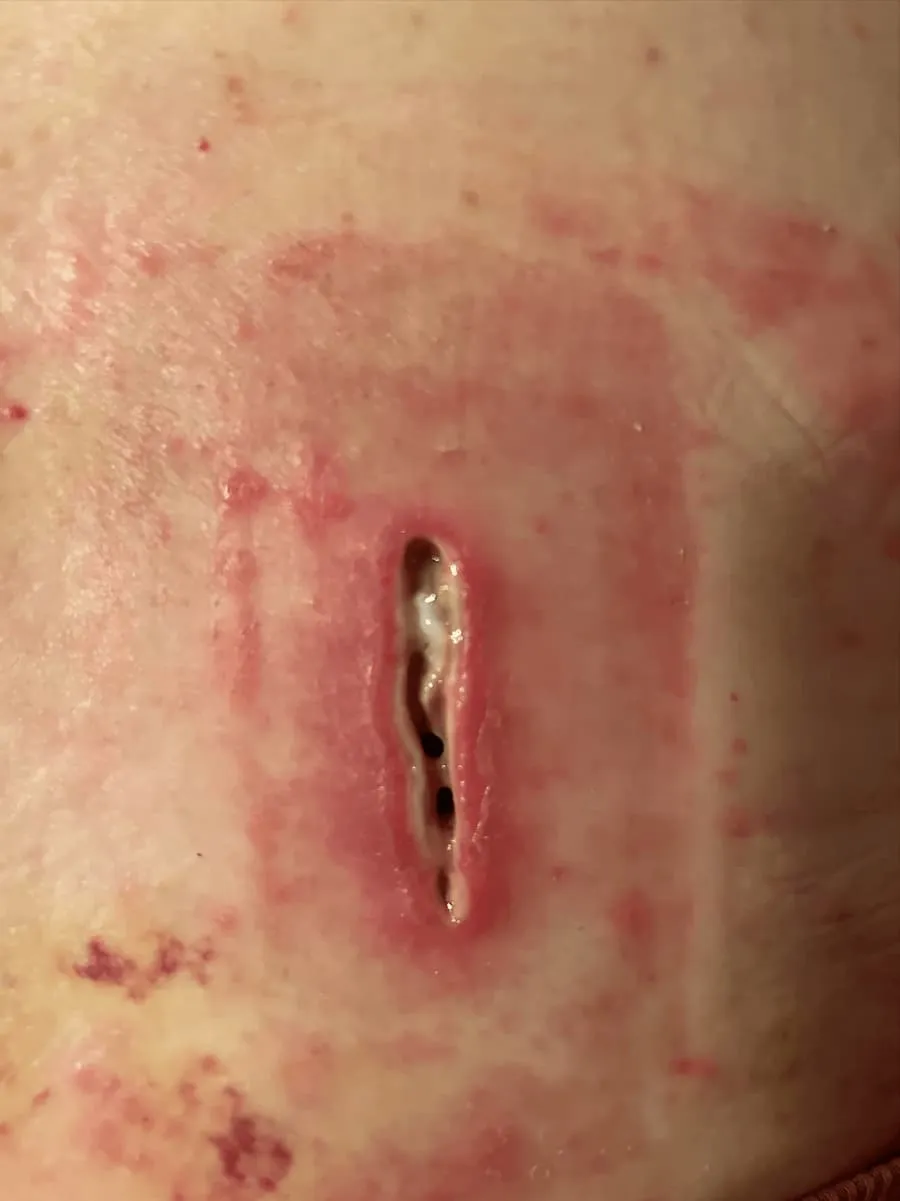
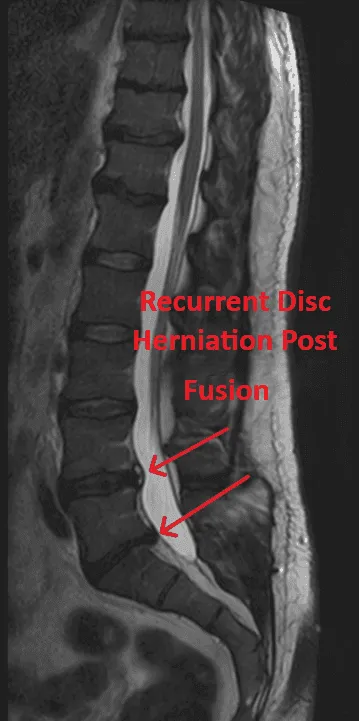
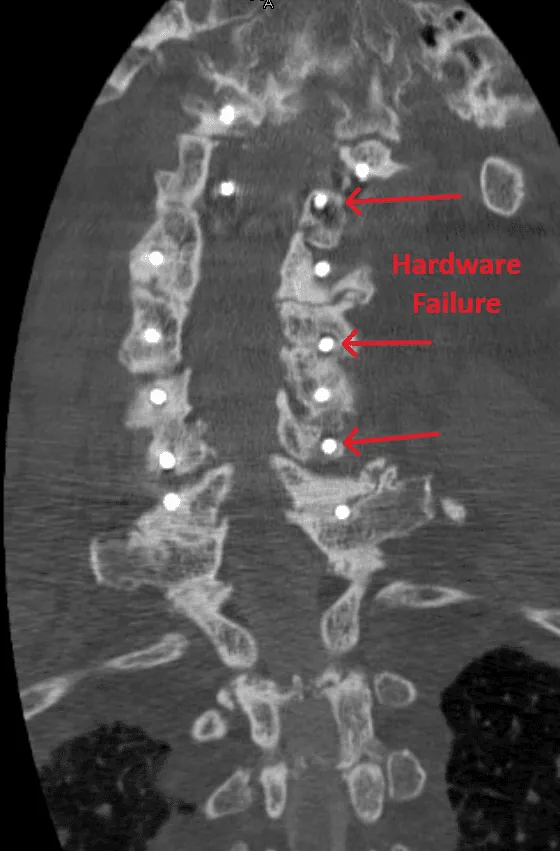
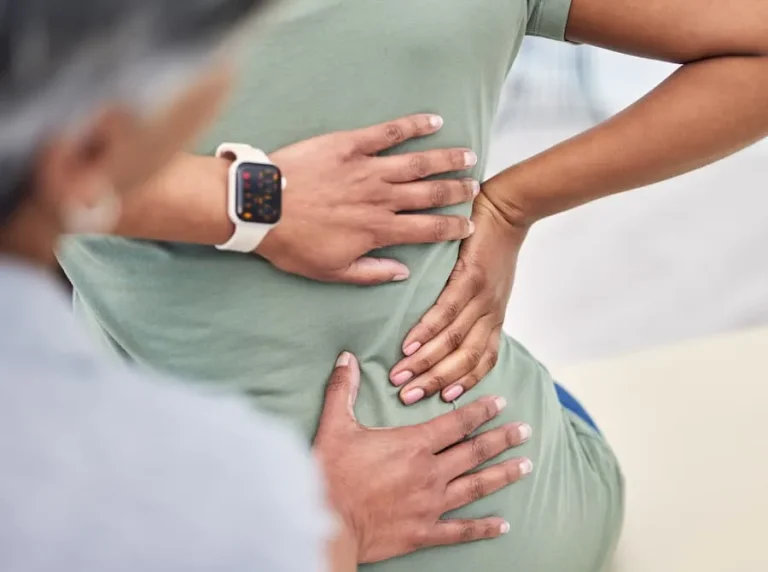
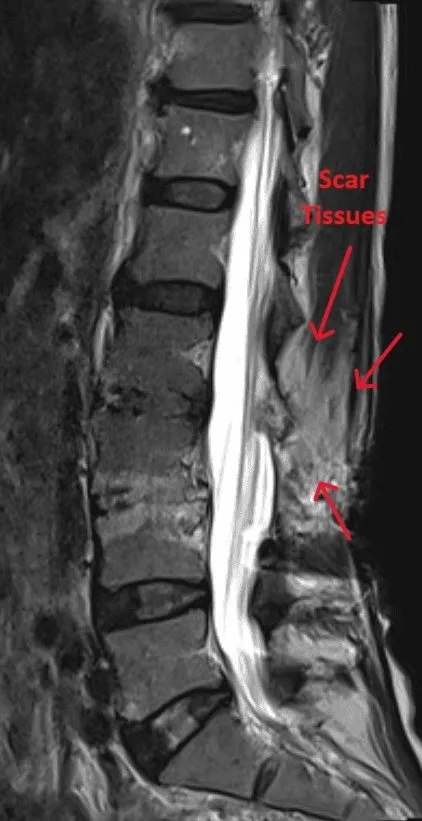
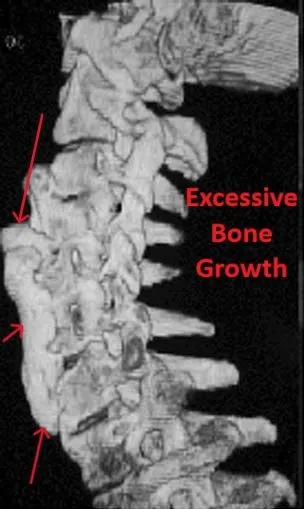
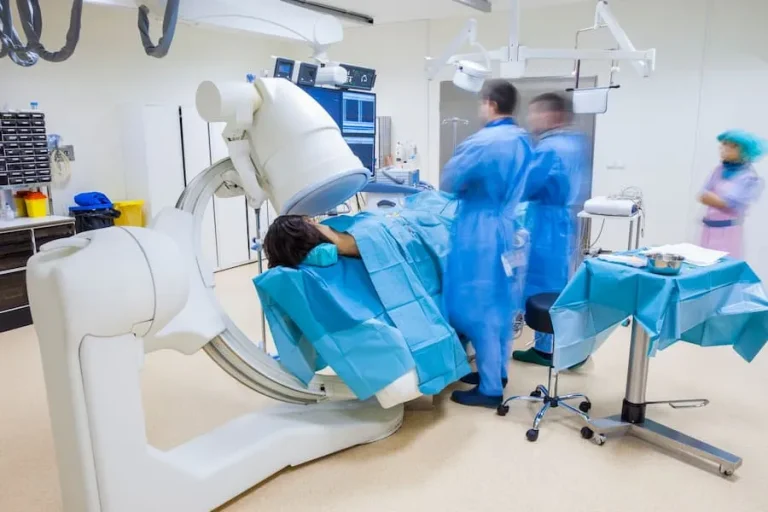
Spinal Fusion is a highly invasive procedure that permanently fuses vertebrae using screws, rods, and cages. It eliminates natural spinal motion, causes adjacent segment disease in a substantial share of patients, and a meaningful share require an additional procedure, particularly at adjacent levels.
⚠️ While Deuk Spine Institute can perform Spinal Fusion, we do not recommend it. This page explains why — learn the risks before consenting to this procedure.
While there are legitimate medical reasons, strong financial incentives often drive surgical recommendations for this highly profitable procedure.
Medical Reasons Cited
Radiculopathy & Sciatica
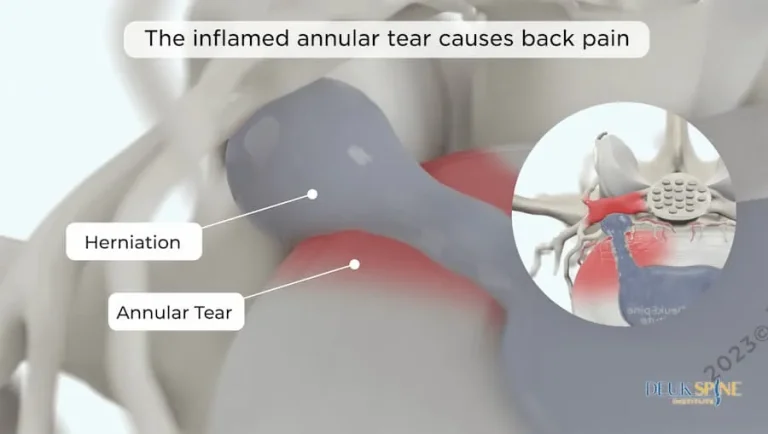
Nerve root compression causing radiating pain, numbness, and weakness. However, fusion eliminates motion rather than treating the actual disc injury causing nerve compression.
Spinal Stenosis
Canal narrowing causing cord compression. Fusion is frequently recommended even for mild cases where less invasive treatments would be more appropriate.
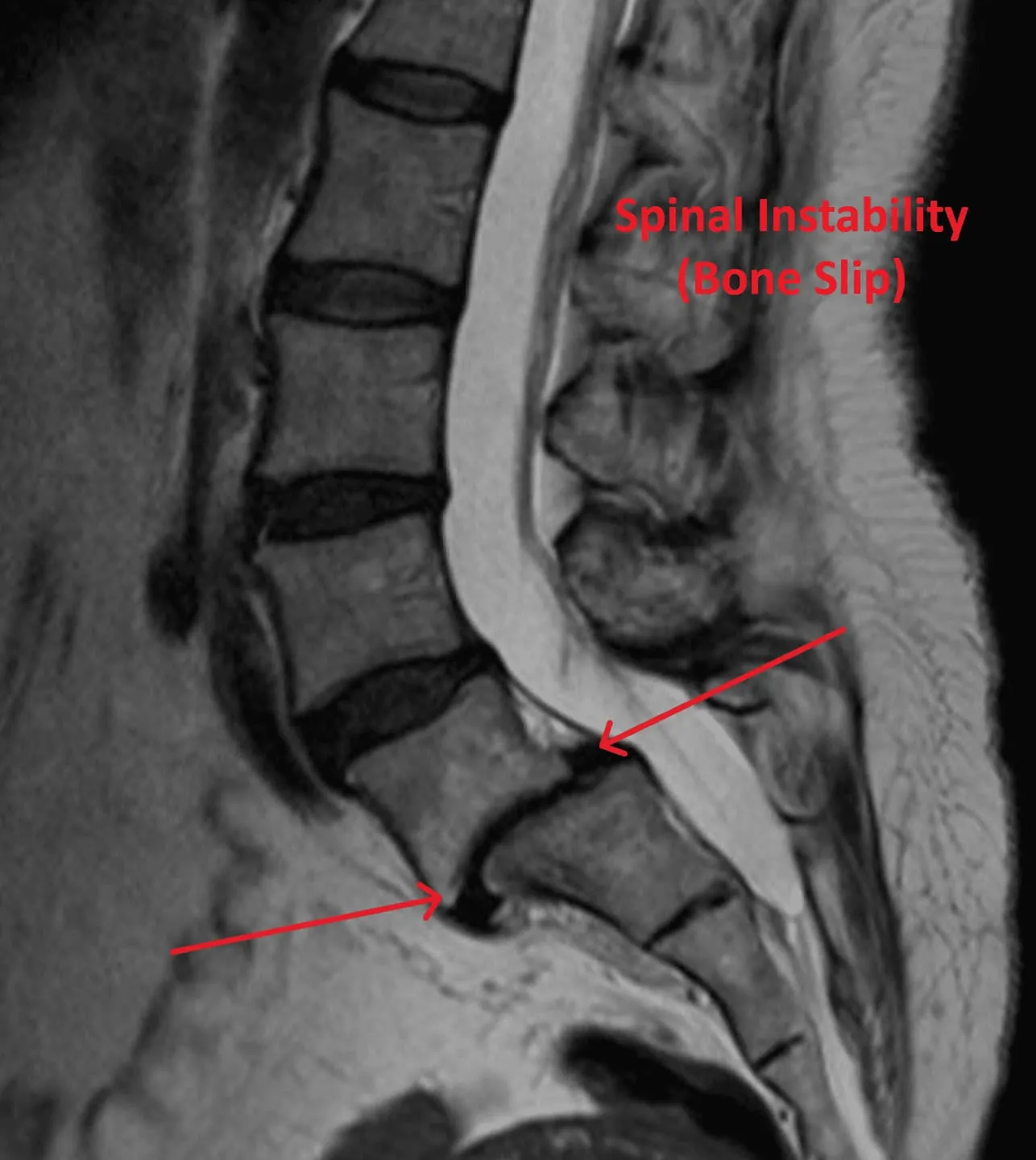
Deformity & Instability
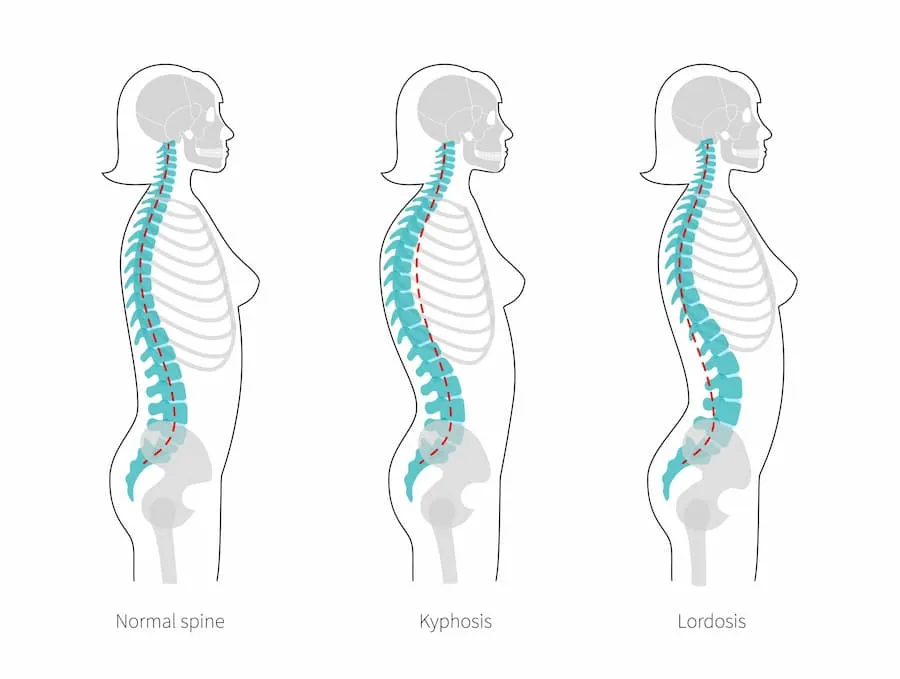
Kyphosis, scoliosis, listhesis, and spinal instability. While some cases are legitimate, fusion is often overused for conditions that can be treated less invasively.
Fractured Spine & Recurrent Herniation
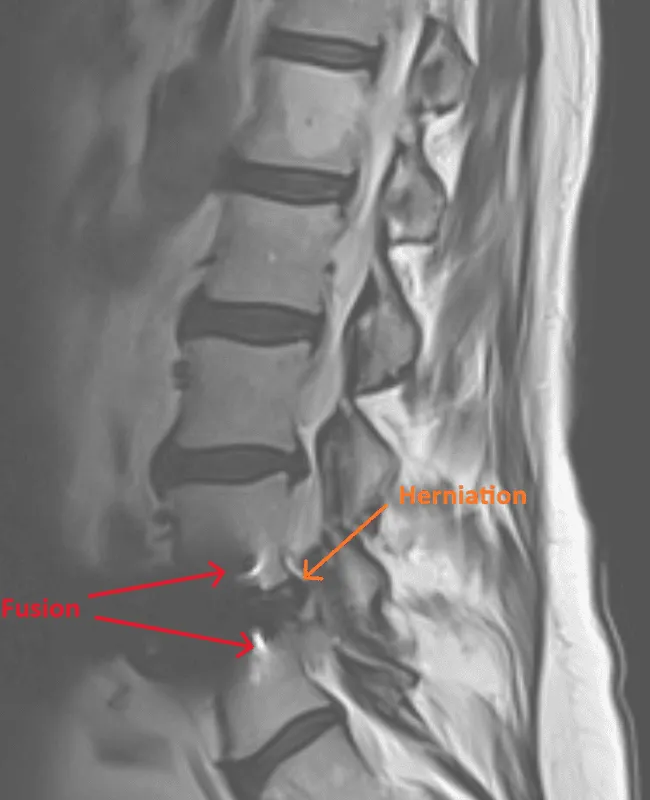
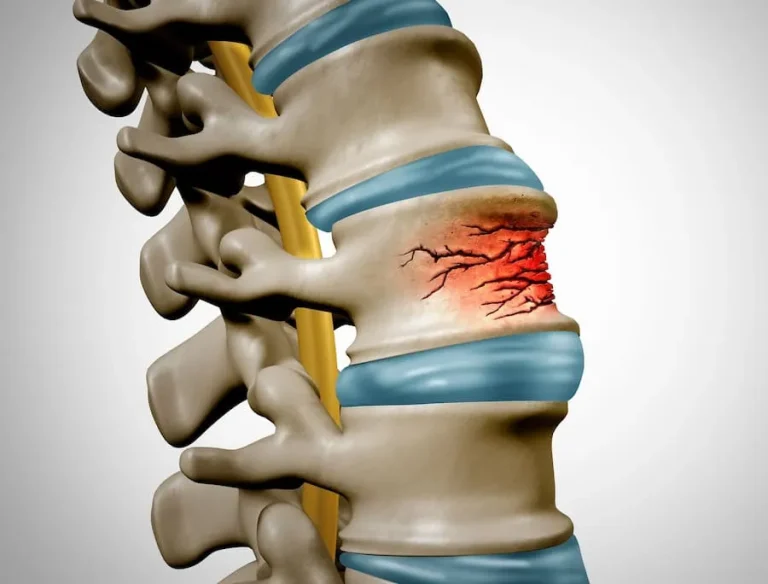
Spinal fractures and recurrent disc herniations are cited to justify fusion, though the procedure eliminates motion and creates adjacent segment disease.
Cauda Equina Syndrome
Rare emergency (<1% of cases) involving severe nerve compression. Often used to justify fusion for much less severe conditions that don’t require it.
Financial Incentives Behind It
Surgeon Profits: $15K–$20K Per Case
Spinal Fusion is one of the highest-reimbursed spine surgeries in the world, creating massive financial incentive even when less invasive options exist.
Hospital Revenue: $50K–$150K Per Case
Extended operating time, multi-day inpatient stays, expensive hardware (screws, rods, cages), and complex post-surgical care drive enormous hospital revenue.
Adjacent Segment Disease Pipeline
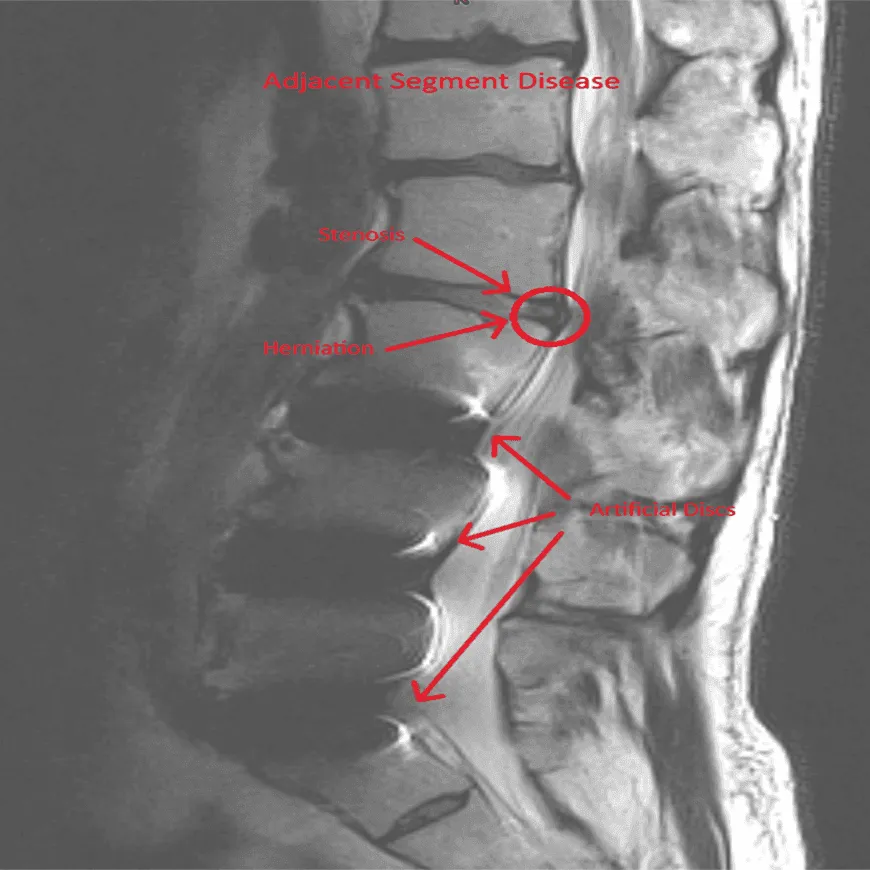
Fusion eliminates motion at the treated level, forcing adjacent segments to compensate. This reliably causes adjacent segment disease, guaranteeing future surgeries.
Many Patients Need Additional Surgery
A substantial share of spinal fusion patients require additional surgery, particularly for adjacent segment disease, hardware revision, or recurring pain management.
Pain Management Pipeline: $100K+
Failed fusions create patients needing ongoing injections, ablations, spinal cord stimulators, and opioid prescriptions for life — a lucrative pain management pipeline.
Hardware Industry Profits
Screws, rods, cages, and plates cost $10K–$50K per surgery. Medical device companies aggressively market fusion hardware, driving surgeon recommendations.
BEFORE YOU DECIDE
Is a Fusion Really Your Only Option?
A free MRI review gives you a written answer on whether your disc, joint, or nerve problem can be treated without permanently fusing your spine.
Deuk Laser Disc Repair®: A Safer, Proven Alternative
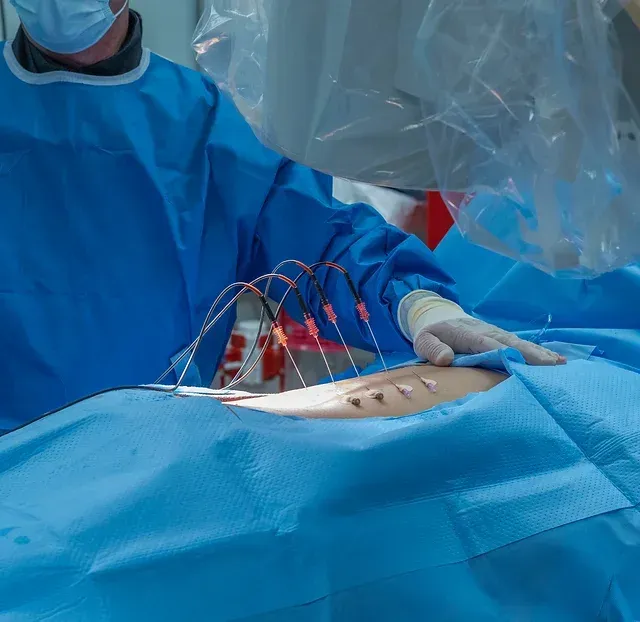
Instead of permanently fusing your vertebrae with screws, rods, and cages, Deuk Laser Disc Repair® uses endoscopic technology and laser precision to treat the actual source of pain — the damaged disc — through an incision smaller than a fingernail.
No Bone Removal
Your spine's stabilizing structures remain completely intact. No lamina, spinous process, or facet joint destruction.
Treats the Root Cause
Laser technology directly repairs the damaged disc — the actual source of pain that spinal fusion ignores by simply locking vertebrae together.
Same-Day Recovery
Outpatient procedure under light sedation. Walk out the same day — no hospital stay, no intubation, no opioids required.
The Track Record
99% pain relief for treated pain sources, a 0.01% complication rate, and over 2,700 Deuk Laser Disc Repair® procedures performed by Dr. Deukmedjian.
Feature
Spinal Fusion
Deuk Laser Disc Repair®
Procedure Type
❌ Highly invasive, screws/rods/cages
✅ Minimally invasive, endoscopic
Incision Size
❌ 3–8 inches
✅ Less than 1/4 inch
Anesthesia
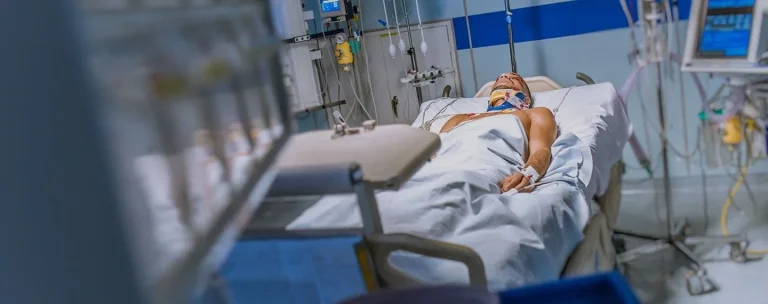
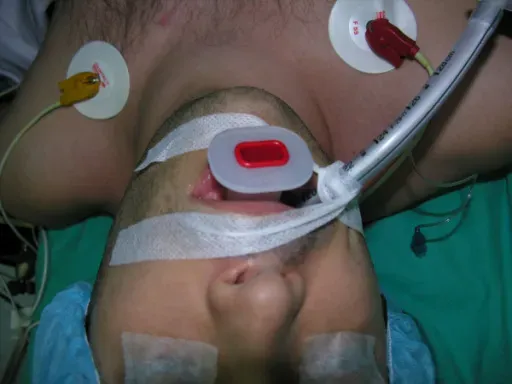
❌ General (intubated)
✅ Light IV sedation
Hardware
❌ Screws, rods, cages, plates
✅ None
Treats Disc Injury
❌ No — disc removed, replaced with cage
✅ Yes — laser repairs the disc
Hospital Stay
❌ 2–5 days inpatient
✅ Outpatient — go home same day
Recovery Time
❌ 3–12 months
✅ Days
Complication Rate
❌ High — frequent complications
✅ 0.01%
Success Rate
❌ Variable — high reoperation rates
✅ 99% pain relief for treated pain sources
Repeat Surgery
❌ Many patients need a follow-up procedure
✅ Rarely needed
A BETTER ALTERNATIVE
Deuk Laser Disc Repair®
Minimally invasive, outpatient procedure with a 0.01% complication rate and 99% pain relief for treated pain sources. No screws. No rods. No cages. Same-day recovery.