By Dr. Ara Deukmedjian
Board-Certified Neurosurgeon
Medical Disclaimer: This content is for educational purposes only and does not constitute medical advice. Individual results may vary. Always consult with a qualified spine specialist about your specific condition and treatment options.
Key Points
✓ C5-C6 is one of the most commonly herniated disc levels in the cervical spine. The C5 and C6 are called the “stress vertebrae”. They carry more weight from the neck and head than any other cervical level.
✓ A herniation here compresses the C6 nerve root, producing the hallmark symptoms: pain, numbness, and tingling radiating into the thumb and fingertips, and weakness in the biceps and wrist extensors.
✓ Symptoms don’t stay in the neck. A C5-C6 herniated disc can affect nerves controlling the arms, shoulders, hands, head, eyes, ears, and thyroid gland.
✓ The most common cause is injury or trauma. A car accident, work injury, or heavy lifting. Genetics also play a role: a family history of disc problems raises your risk.
✓ The annular tear is the actual source of neck pain not the bulge itself. Without inflammation at that tear, there is no disc pain. Treating the herniation without addressing the tear leaves the real problem in place.
✓ That annular tear can be repaired with a minimally invasive endoscopic procedure the Deuk Laser Disc Repair®. No fusion, no hardware, no healthy tissue removed.
✓ For most C5-C6 patients: fusion is not your only option, and without true structural instability, it is rarely the right one.
A c5-c6 disc herniation can cause weakness in the biceps muscles of the arms and wrist extensor muscles as well as numbness and tingling along with pain that radiates to the thumb and fingertips. c5-c6 is one of the most common levels for a cervical disc herniation to occur.
A c5-c6 herniated disc can affect the nerves that control the muscles in the arms, neck, shoulders, hands as well as the head, eyes, ears, or thyroid gland. Symptoms in these areas in addition to pain in the neck are very common with c5-c6 disc herniations. Symptoms of c5-c6 disc herniation can include numbness, tingling, burning, weakness, problems with vision, and more.
What Causes C5-C6 Disc Herniation?
The most common cause of a C5-C6 herniated disc is an injury or trauma, such as from an auto accident or work comp injury. Whether it be from a car accident, lifting something heavy, a sports-related injury, or something else entirely, this condition can be very painful and bothersome.
There is also a genetic component to this and other back conditions. If you have any other family members who suffer from spine pain or herniated/bulging discs, you could be predisposed to disc herniation.
What Are The C5 & C6?
The C5 and C6 vertebrae of the spine are often called the stress vertebrae because they sustain the majority of the weight from the neck and head. Both the C5 and C6 have a vertebral body, a vertebral arch, and two transverse processes. They produce paired, gliding synovial facet joints when they come together.
Articulating cartilages are present on the joint surfaces of the C5 and C6 vertebrae to allow smooth movements and minimize resistance between the facet joint surfaces. The largest joint in the spine is the disc. 85% of the weight passing through the C5-6 motion segment goes through the disc itself while 15% passes through the facet joints.
Spinal Curvature And The C5 C6 Vertebrae
The natural curvature of the spine consists of three distinct segments. This begins with an inward cervical curve at the base of the neck/upper back. Towards the middle of the back, the spine extends outwards into the thoracic curve before completing an ‘S’ like shape with the inward lumbar curve at the lower back.
Natural spinal curvature must be maintained to avoid back deformation and conserve flexibility in the spine. However, any conditions affecting the C5 and C6 spine/vertebrae, particularly the C5-C6 disc, can lead to adverse spinal tension, thus changing the spine’s natural curvature.
C5-C6 Disc Herniation Facts
The C5-C6 disc is located at the joint between the C5 and C6 vertebral bodies. It shares a similar structure with other intervertebral discs, such as the C4-C5 and the C6-C7 discs. The disc composition includes a nucleus pulposus enclosed in a firm tissue called the annulus fibrosus.
Herniation occurs in the disc when there is an annular tear in the surrounding outer tissue, causing the jelly-like nucleus to squeeze through the annular tear and even into the nerve canal. The C5-6 disc is the most common location of cervical spine disc herniations, followed by C6-7 and then C4-5 herniations. The annular tear is the actual source of neck pain and inflammation in the posterior annular tear is the actual anatomical source.
Without inflammation, there is no neck pain. The painful annular tear at the back of a herniated C5-6 disc can be repaired with a minimally invasive endoscopic procedure called the Deuk Laser Disc Repair.
C6 Spinal Nerve
The C6 nerve root is responsible for many sensory and motor activities in the arms. It is located between the C5 C6 vertebrae and extends into the neck via the intervertebral foramen.
This nerve has sensory and motor roots that control muscles and skin tissue in the biceps, wrists, and forearms. The most common effects of a C5-C6 herniated disc are pain and numbness in these parts of the upper body. Biceps muscle weakness is a common sign of C6 nerve compression from a herniated disc at C5-C6.
The Basics Of C5-C6 Disc Herniation: Causes, Symptoms, And Treatment
The C5 and C6 vertebrae and disc form an important motion segment near the base of the cervical spine. They serve the function of supporting the head as well as the upper extremities(arms) which attach to the spine via muscles and tendons in the neck.
Due to this high load-bearing position, the C5 and C6 disc can be deeply affected by poor posture, injury, and trauma, leading to complications like C5 C6 herniated disc in the neck and bulging.
C5-C6 Herniation Causes
The C5-C6 disc is susceptible to several injuries and conditions. This is primarily due to its position as a critical intervertebral member supporting the two “stress” vertebrae members that carry the weight of the head. The most common of these potential neck-spine complications is disc herniation.
The C5-C6 segment is one of the sections of the spine that is most prone to disorders originating from poor posture or traumatic injuries like whiplash. Many individuals have been unconsciously conditioned to constantly bend their heads forward, especially when engaging in tasks that involve looking at screens.
This is termed ‘forward head posture’, and it is known to put an uncomfortable amount of shear stress on the upper back and lower neck vertebrae. When this position is sustained over extended periods, the natural cervical curve of the lower neck begins to straighten, putting pressure on the intervertebral discs and the surrounding nerves. This is what usually degenerates into a herniated disc condition, specifically in the C5-C6 disc.
However, in most cases, herniation of the C5-C6 disc can be related to injury and neck trauma caused by accidents. It is also possible to relate the development of this condition to the natural wear and tear of the intervertebral discs as the human body ages.
Common Symptoms Of C5-C6 Herniated Discs
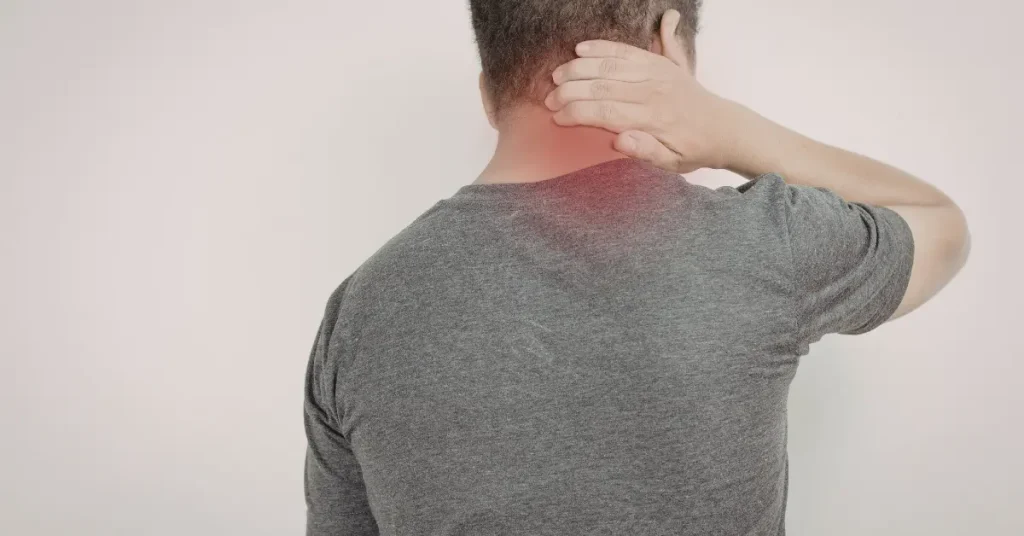
The most common symptom of a C5-C6 herniated disc is pain in the lower neck. This can either be a piercing periodic pinch or a constant vibrating ache at the back of the neck. Due to this pain, certain neck movements can become difficult and/or uncomfortable, thereby limiting the patient’s range of motion.
Patients might also notice other C5 C6 symptoms, like crepitus in the neck, where grinding and cracking sounds are perceived as the neck joints are moved, or cervical myelopathy–C5 C6 disc space narrowing symptoms like pain, numbness, and weakness in your neck.
Headaches are also commonly related to herniated discs in the cervical spine. We call these headaches “cervico-genic” because they originate from a herniated disc in the neck and are frequently paired with neck pain.
The pain experienced in the neck zone can also extend to other parts of the upper body. It usually moves in a radicular pattern from the base of the neck to the arms, where patients will experience sharp aches in the shoulders and hands.
Joints in these regions are also likely to be weakened, specifically the shoulder, elbow, and wrist joints. Numbness and loss of normal sensations in the forearms and fingers can also point to a C5-C6 disc herniation, as the C5-C6 nerve root controls this area of the skin.
While these C5 C6 nerve root compression symptoms can be good indicators of a potential disc herniation, it is always advisable to consult a seasoned medical practitioner for a proper diagnosis.
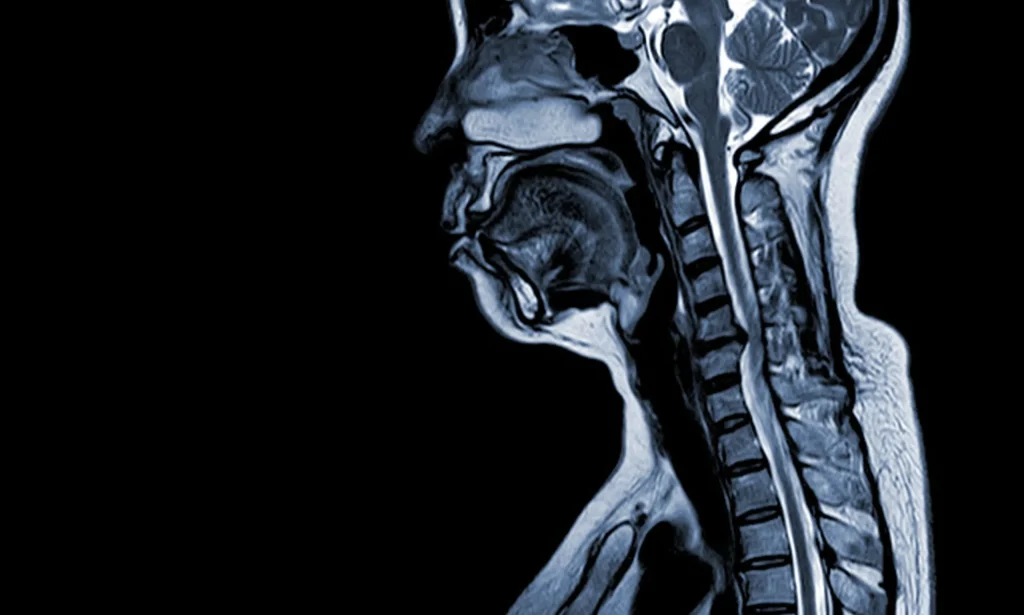
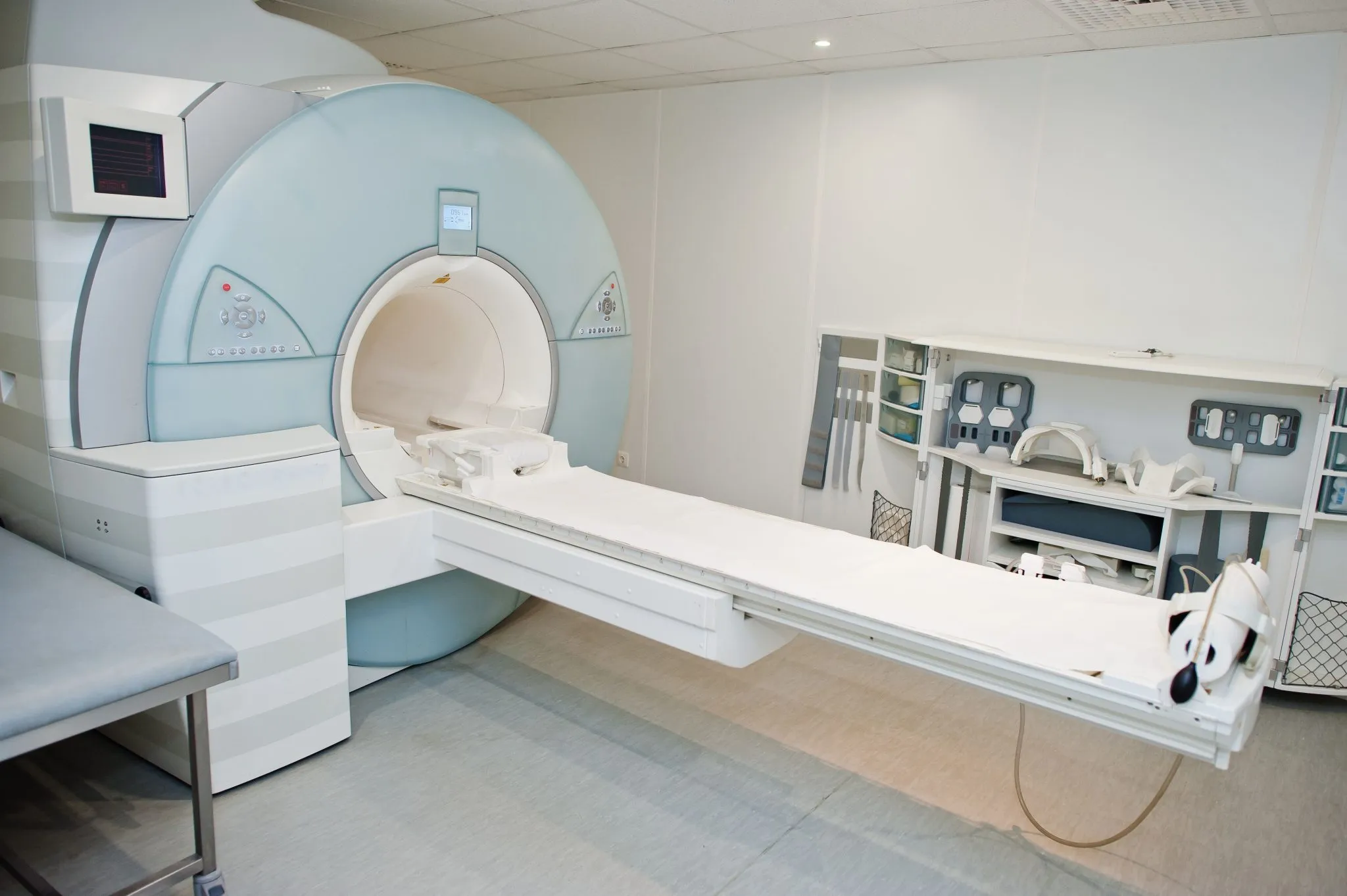
The diagnostic process often involves a CT or MRI scan, through which the location and severity of the herniated disc can be adequately assessed.
Less Common Signs and Symptoms of Cervical Herniated Disc
Less common signs and symptoms of a cervical herniated disc include a range of effects beyond the typical neck and arm pain.
These less common symptoms can reflect more severe spinal involvement:
- Loss of Bowel and Bladder Control: This is a rare but serious symptom indicating significant spinal cord compression or inflammation caused by the herniated disc. Such compression can disrupt the normal function of the spinal cord, affecting the lower body’s control, including bladder and bowel management.
- Pain, Tingling, Numbness, and/or Weakness in Both Arms and/or Legs: Unlike the common symptoms that typically affect one side of the body, these symptoms are indicative of a more widespread neurological effect, potentially affecting both sides.
- Problems with Coordination or Walking: This suggests the involvement of the spinal cord and can significantly affect mobility and balance, requiring immediate medical attention.
- Difficulty with Fine Motor Skills: This can manifest in the hands or arms, indicating that the herniation is affecting the c5 c6 nerve distribution that controls these precise movements.
- Problems Balancing or Walking: Similar to coordination issues, this symptom can arise from compression of the spinal cord, leading to difficulties in maintaining a normal gait or balance.
C5-C6 Disc Herniation Treatment And Recovery Time
There are a plethora of non-surgical treatment options for C5-C6 disc herniation. Each of these options carries pros and cons; hence recovery time will vary widely depending on the course pursued by the patient. They include physical therapy, prescription medication, and injections to try and reach total spine wellness.
Post-diagnosis, the surgeon can prescribe the most appropriate treatment method for the herniated disc condition. Many times, a simple change in posture supported by neck braces can be sufficient to eliminate minor symptoms associated with C5-C6 disc herniation. Manual therapy is also a viable option, and patients can fully recover over days or weeks.
In advanced cases where symptoms might include neck pain that persists past 2 months, arm or leg weakness or numbness, partial paralysis, and bowel and bladder control loss, surgery is the most effective solution. Similar to the non-surgical treatments, there is a large variance in the surgical procedures available for the treatment of C5-C6 herniated discs.
Patients are advised to consult with experienced surgeons for valid information on each process as they consider the available options. The eventual choice of procedure should depend not only on the extent of the disc condition but also on the overall impact on the spinal health and wellbeing of the patient.
Surgical treatments available for herniated discs at C5-6 include minimally invasive endoscopic laser repair, spinal fusion, and artificial discs. Spinal fusion like ACDF (anterior cervical discectomy and fusion) or PCDF (posterior cervical decompression and fusion) require large painful and bloody incisions, metal screws, plates and cages, as well as long recovery times with months of opioid painkiller use and long periods of time off work. Artificial discs can dislodge and even fuse themselves from the inflammation they cause.
The safest and least invasive surgery in the world to treat a C5-C6 disc herniation with a 99.6% success rate is the Deuk Laser Disc Repair. This is an FDA-approved surgery that has been peer-reviewed and published as safe and effective in the treatment of symptomatic cervical disc herniations.
Exercises for C5-C6 Disc Herniation Recovery
Several physical exercises serve the purpose of strengthening the cervical spine and reducing neck pain and stiffness. Some of these include resistance exercises and neck stretches designed to loosen the neck muscles and reduce herniated disc symptoms in the neck.
Poor posture is one of the main causes of C5-C6 disc herniation. Taking measures to improve work and sleep head positioning can also help prevent complications in the neck and spine.
Consider investing in ergonomic chairs and contour pillows that have special design features to support the neck curvature. These minor lifestyle improvements make a big difference in overall spine health.
How to Treat Your C5-C6 Disc Herniation
Here’s how to treat your C5-C6 disc herniation:
C5-c6 Disc Herniation Surgery
The procedures to address neck herniated disc symptoms have traditionally included C5 spinal surgery techniques like microdiscectomy, the insertion of artificial discs, and spinal fusions until the advent of newer, more refined methods such as Deuk Laser Disc Repair. These advancements aim to improve the speed of recovery and operation time, along with the effectiveness of pain relief.
The most advanced surgery for a herniated disc is the Deuk Laser Disc Repair. To begin, Deuk Laser Disc Repair requires a very small incision, less than a quarter inch long. A cylindrical tool called a dilator is inserted through the small opening to gently separate the muscles to create a tiny passage and guide through which the surgery is performed endoscopically.
The tip of the dilator is advanced into the symptomatic disc through the tear in the annulus where the herniation originates, and a tube known as the retractor slides over the dilator and is precisely positioned into the painful disc. The entirety of the Deuk Laser Disc Repair surgery occurs inside this narrow tube.
An endoscopic camera is inserted into the tubular retractor for spine access, enabling the surgeon to accurately guide the laser within each symptomatic disc. This approach ensures that the bones and surrounding tissues remain unaffected, unlike with traditional spinal fusions, microdiscectomy, and artificial disc surgeries.
The Holmium YAG laser, utilized in Deuk laser disc repair, is maneuvered with millimeter precision under endoscopic guidance to excise only the painful, inflamed disc tissue. The laser accurately targets and eliminates the damaged disc material causing the pain.
Following the laser removal of the inflamed, painful part of the annular tear and the herniated nucleus pulposus, the endoscope and tubular retractor are extracted, leaving a minor incision in the skin, which can be closed with a single stitch and a band-aid. The duration of the Deuk laser disc repair surgery is approximately one hour, with the patient in recovery for about 45 to 60 minutes before being allowed to return home.
Hospitalization is not necessary, and the risks associated with hospital-based surgeries are avoided. Additionally, Deuk laser disc repair does not result in any loss of normal disc movement or flexibility of the joint.
With endoscopic Deuk laser disc repair, there is no fusion, metal implants, or biological material added to the spine. The procedure is entirely natural, allowing your body to heal the herniated or bulging disc by itself.
2,000 patients have been treated using Deuk Laser Disc Repair with a success rate of 99.6% and a complication rate of 0%.
C5-c6 Recovery Time and Treatment
The approach to treating a C5-C6 herniated disc and the subsequent recovery period can significantly differ depending on whether non-surgical or surgical methods are employed. Initially, non-surgical treatments are often recommended, encompassing physical therapy, medications, and cervical epidural steroid injections (ESIs).
These conservative methods aim to reduce pain, improve mobility, and expedite the healing process, potentially leading to a quicker recovery for those diagnosed and treated early.
In the case of surgical interventions, such as the Deuk laser disc repair, the procedure is relatively quick, lasting about an hour, with patients typically spending 45 to 60 minutes in recovery before being allowed to return home. This method eliminates the need for hospitalization and bypasses the risks associated with traditional hospital-based surgeries.
Following either treatment, patients are generally advised to refrain from engaging in strenuous physical activities for at least four weeks to ensure proper healing. This includes avoiding actions that involve bending, lifting, or prolonged periods of sitting.
Rehabilitative and massage therapy are also strongly recommended to accelerate healing and mobility.
C5-c6 Disc Bulge Treatment Without Surgery
For treating a C5-C6 disc protrusion without surgery, a multifaceted approach emphasizing non-surgical methods is recommended. This strategy can help manage pain, reduce inflammation, and improve neck function while avoiding the risks associated with surgery.
Non-Surgical Treatments Include:
- Physical Therapy: Customized C5 C6 disc bulge exercises strengthen neck and shoulder muscles, enhance flexibility, and alleviate pain, facilitating recovery and preventing further injury.
- Medications: Nonsteroidal anti-inflammatory drugs (NSAIDs) can reduce inflammation and pain. In some cases, muscle relaxants or oral steroids might be prescribed to decrease muscle spasms and swelling.
- Lifestyle Modifications: Maintaining good posture, and avoiding repetitive neck movements, sudden jerking movements, and heavy lifting can help manage and prevent pain.
Each C5 -C6 disc bulge treatment has nuances and effectiveness, which can vary based on individual cases. The goal is to alleviate symptoms and improve quality of life without the need for surgical intervention.
It’s crucial to consult with healthcare professionals to determine the most appropriate and effective treatment plan based on the specific diagnosis and overall health.
You’ve Done the Research. Now Get a Real Answer.
Most patients who find this article have already spent months – sometimes years – trying to fix their neck pain. You’ve done the physical therapy. You’ve had the injections. You may have been told that fusion is your only option, or worse, that you simply need to “live with it.”
You don’t.
The purpose of this guide isn’t to push you toward surgery – it’s to make sure you have complete information before making any decision. At Deuk Spine Institute, the first step has no commitment attached to it: submit your MRI and receive a direct review from Dr. Ara Deukmedjian, a board-certified neurosurgeon who has performed over 2,000 cervical spine procedures with zero major complications.
If you’re a candidate for a motion-preserving alternative to fusion, you’ll know. If you’re not, you’ll know that too – and you’ll have a clear picture of your options either way.
That review is free. The conversation has no obligation. And for many patients, it’s the first honest answer they’ve received.