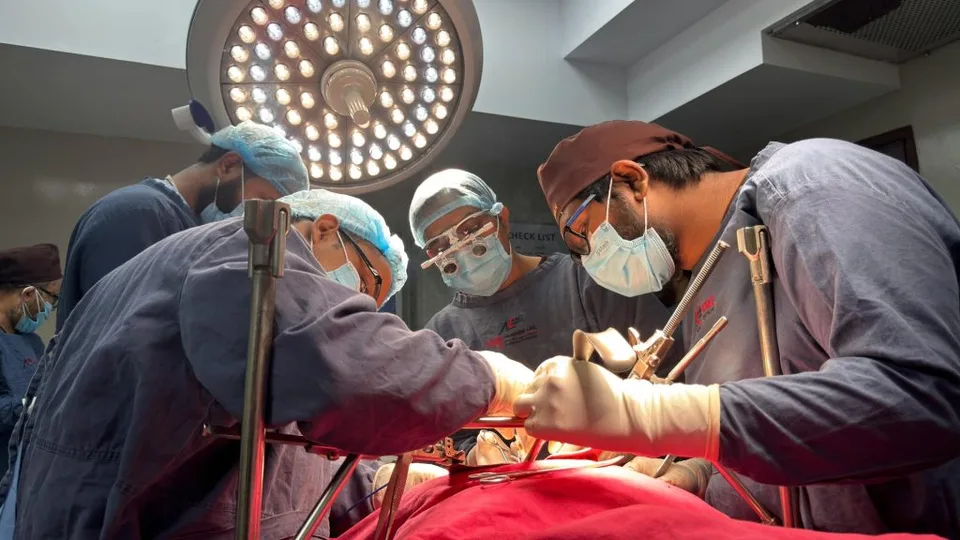
By Dr. Ara Deukmedjian
Board-Certified Neurosurgeon
Medically reviewed on May 20, 2026
Medical Disclaimer: This content is for educational purposes only and does not constitute medical advice. Individual results may vary. Always consult with your healthcare provider about your specific condition and treatment options.
Key Points
✓ Choosing a spine surgeon is one of the most consequential medical decisions a patient can make. Outcomes after spine surgery vary widely depending on the surgeon, the procedure, and how well the diagnosis matches the actual pain generator.
✓ Board certification matters. Surgeons who pass the American Board of Surgery (ABS) certification examinations on the first attempt have significantly lower rates of medical malpractice payments and severe disciplinary actions, both of which correlate with patient safety. 1, 2
✓ Higher surgeon volume is associated with lower morbidity, lower mortality, shorter hospital stays, fewer readmissions, and lower hospital costs. A dose-response meta-analysis of nearly 2 million spine surgery patients confirmed the relationship across procedure types. 3, 4
✓ Second opinions in spine surgery frequently change the recommended treatment. Spine surgery accounts for roughly 24% of all second-opinion consultations across surgical specialties, and agreement between the first and second opinions on whether surgery is even needed has been reported to range from 0% to 83%. 5, 6
✓ Minimally invasive spine surgery (MIS) techniques are associated with less tissue disruption, faster recovery, shorter hospital length of stay, and lower complication rates compared with traditional open procedures, across multiple 2024–2025 systematic reviews and meta-analyses. 7, 8
✓ Lumbar fusion carries a documented long-term risk of adjacent segment disease. An accelerated degeneration of the discs above and below the fusion, with a cumulative incidence that reaches 23.6% at 10 years and 66.7% at 15 years. This is a critical consideration when evaluating fusion versus motion-preserving alternatives. 9
✓ Endoscopic, motion-preserving alternatives such as Deuk Laser Disc Repair® treat the pain generator inside the disc without cutting muscle, removing bone, or installing hardware. Most patients walk out of the surgery center the same day.
✓ This guide reviews how to evaluate a spine surgeon and lists 11 of the most recognized spine surgeons currently practicing in the United States, with verified affiliations as of 2026.

What to Consider When Selecting a Spine Surgeon
Are They Board-Certified?
Board certification is voluntary, but it is one of the most studied indicators of surgeon quality. The American Board of Surgery (ABS) examination process is rigorous, requires a minimum of five years of accredited residency training, and includes both a written qualifying examination and an oral certifying examination.
Research published in the Annals of Surgery in 2022 evaluated more than 28,000 surgeons and found that those who failed either the qualifying or certifying examination on the first attempt had significantly higher rates of medical malpractice payments. The hazard ratio for malpractice payments was 1.64 for those who failed the qualifying exam and 1.72 for those who failed the certifying exam. 1
A separate analysis published in JAMA Surgery of 44,290 surgeons reached a related conclusion: initial board certification and examination performance were associated with significantly lower rates of severe disciplinary actions against medical licenses. 2
Board certification is not a legal requirement to practice surgery, but the published evidence supports treating it as a meaningful signal of professional competence and patient safety.
How Experienced and Qualified Are They?
Experience in surgery is most reliably measured by case volume. How many of a specific procedure a surgeon performs each year. A dose-response meta-analysis published in Annals of Translational Medicine that pooled data from 11 studies and 1,986,545 spine surgery patients found that higher surgeon volume was associated with statistically significant reductions in postoperative morbidity (OR 0.62), mortality (OR 0.76), hospital length of stay, readmission rates, and hospital costs. 3
A systematic review in the European Spine Journal reached the same general conclusion across anterior cervical discectomy and fusion, cervical fusion, laminectomy, lumbar fusion, discectomy, and deformity surgery. Higher-volume spine surgeons were consistently associated with better outcomes, though the authors noted that objective volume thresholds vary by procedure. 4
Practical takeaway: ask the surgeon how many of your specific surgery they perform per year, what their published complication rate is, and where they completed their internship, residency, and fellowship.
Do They Specialize in Your Specific Surgery?
Spine surgery is not one specialty; it is many. Some surgeons focus on adult degenerative disease, others on pediatric scoliosis, others on tumors, and others on minimally invasive endoscopic procedures. A general orthopedic surgeon and a fellowship-trained spine surgeon are not interchangeable. The first decision is often whether you need an orthopedic surgeon or a neurosurgeon. For most degenerative spine conditions either may be appropriate, but for specific procedures (for example, complex deformity, intradural tumors, or endoscopic disc work), you want the surgeon whose published outcomes are in your specific category.
Get a Consultation and Strongly Consider a Second Opinion
A scoping review of second opinions in spine surgery published in 2021 found that, across surgical specialties, spine surgery generated the second-highest number of second-opinion requests of any operation, comprising 23.7% of all second-opinion cases reviewed. 5
A 2022 scoping review of 12 studies on spine second-opinion programs found that diagnostic agreement between first and second opinions varied from 53% to 96%, and agreement on whether surgery was even necessary ranged from 0% to 83%. In other words, two qualified spine surgeons can look at the same patient and disagree on whether surgery is appropriate in nearly any given case. 6
A patient who is told that fusion is the only option, or that surgery must happen quickly, should treat that recommendation as a hypothesis and obtain at least one independent opinion before consenting.
Look For Reviews
Read reviews about the practice you are considering going to whether that be on Google, Healthgrades, US News & World Report, Vitals, RateMDs, ect. Each review gives you a better understanding of what you may experience during your next visit. Listen to this testimonial from one of our patients.
How Invasive Is the Procedure They Are Recommending?
Across 2024 and 2025, multiple systematic reviews and meta-analyses concluded that minimally invasive spine surgery (MIS) techniques produce less tissue disruption, less estimated blood loss, shorter hospital length of stay, and lower complication rates than traditional open surgery. A 2025 review in Neurosurgery summarized that MIS has “transformed spinal surgery by minimizing tissue disruption, reducing recovery times, and lowering complication rates compared with traditional open procedures.”7
A separate 2025 PRISMA-compliant systematic review and meta-analysis of 2,860 patients in Scientific Reports compared minimally invasive tubular decompression to open laminectomy for lumbar spinal stenosis and reported reduced soft-tissue trauma and shorter hospital stays with the minimally invasive approach. 8
Spinal fusion deserves particular scrutiny. A 2025 analysis in Journal of Clinical Medicine of long-term outcomes after lumbar fusion documented that the cumulative incidence of adjacent segment disease. An accelerated degeneration of the discs above and below a fusion. Reaches 23.6% at 10 years and 66.7% at 15 years after lumbar fusion. 9 Any surgeon recommending fusion should be able to explain those long-term risks and why they apply (or do not apply) to your specific case.
Endoscopic, motion-preserving alternatives such as Deuk Laser Disc Repair® treat the pain generator inside the disc through a 4mm to 7mm incision, without cutting muscle, removing bone, or installing hardware. The spinal segment remains mobile, which avoids the mechanical preconditions for adjacent segment disease.
11 Best Spine Surgeons
The following list is offered for educational comparison. Inclusion is not a referral or endorsement. Affiliations and titles below have been verified against the surgeon’s current hospital or institutional profile as of May 2026.
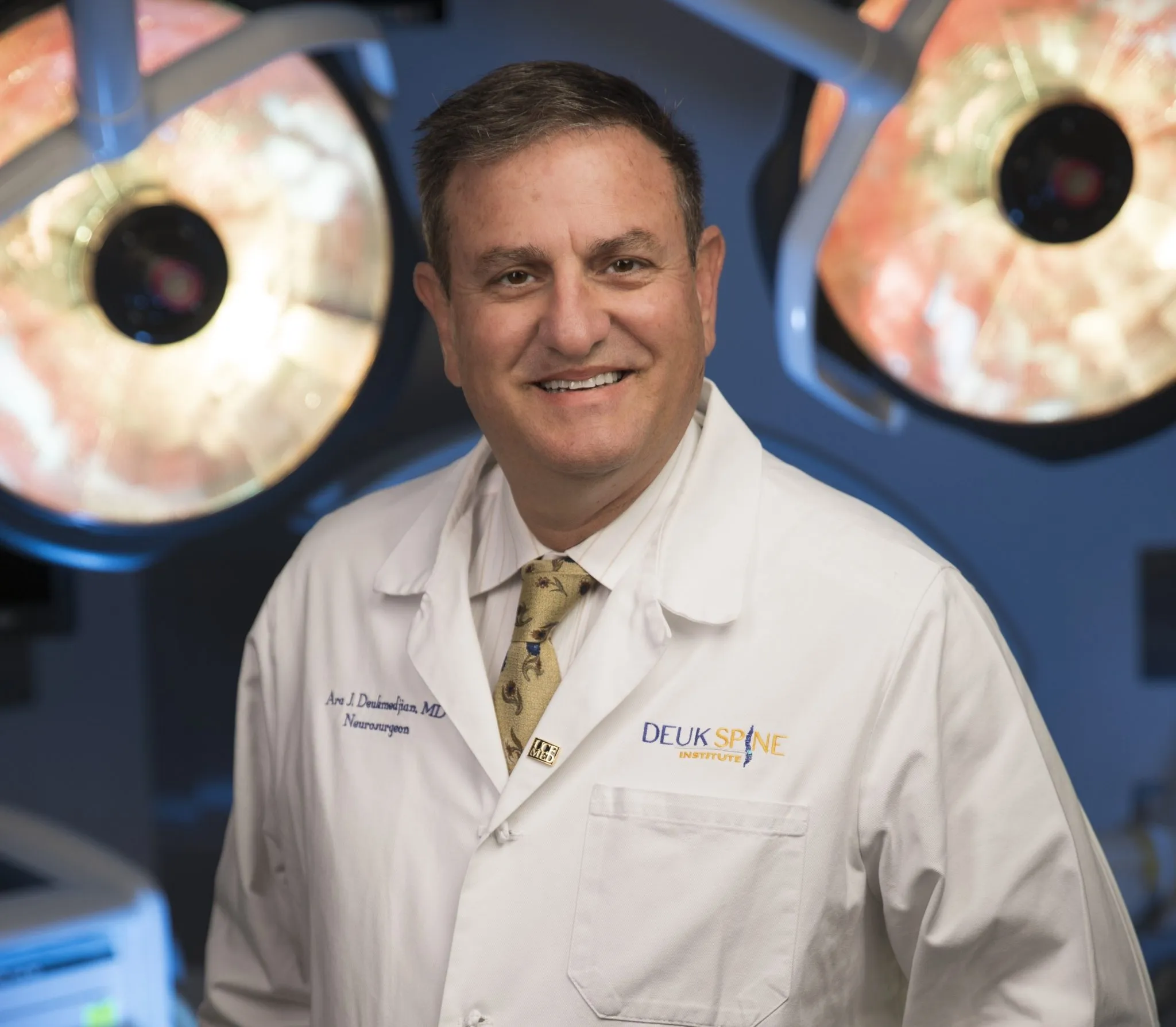
1. Dr. Ara Deukmedjian

Location:
Deuk Spine Institute, Viera: 7955 Spyglass Hill Rd, Melbourne, FL 32940,
About the surgeon:
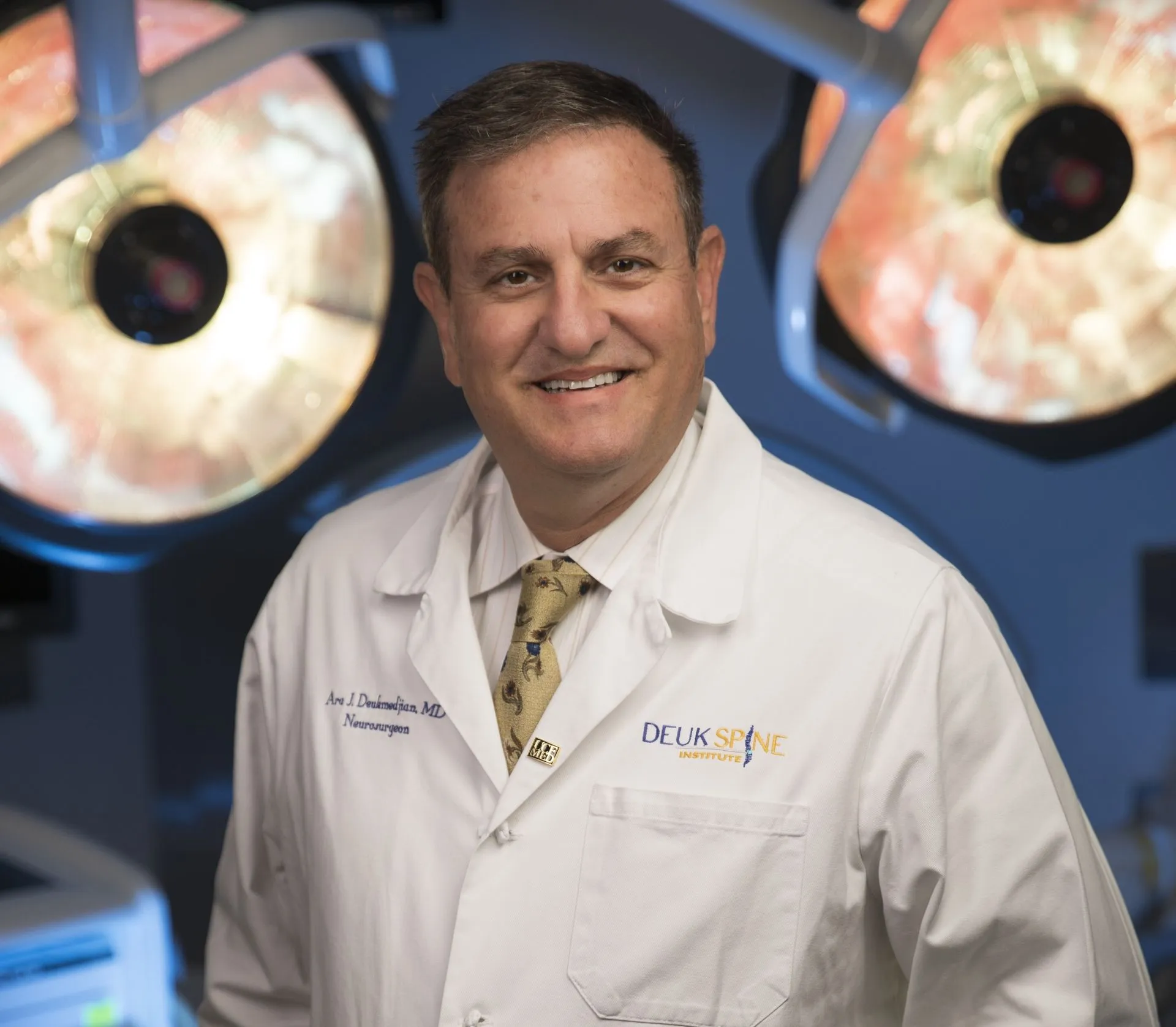
Dr. Ara Deukmedjian; known to patients and colleagues as Dr. Deuk is a board-certified neurosurgeon, CEO, and founder of Deuk Spine Institute. He completed his neurosurgical residency at the University of Florida, Shands Hospital, and graduated from the USC Keck School of Medicine with “Highest Distinction” (#1 in his class of 170 students). He is a pioneer of minimally invasive, laser, and endoscopic back and neck pain treatment and developed the proprietary Deuk Laser Disc Repair® procedure.
Deuk Laser Disc Repair® is a minimally invasive endoscopic spinal surgery and a modern alternative to spinal fusion and artificial discs. Patients average 95% elimination of preoperative back or neck pain and walk out of the surgery center the same day, with no muscle cutting, no bone removal, and no hardware installation. He also poineered the Deuk Plasma Rhizotomy® & Deuk Piriformis Release®.
Dr. Deuk has personally performed over 2,000 cervical decompressive discectomies and treated over 6,000 herniated or degenerated lumbar discs with no major complications. He is a Fellow of the American Association of Neurological Surgeons (AANS) and a member of the Congress of Neurological Surgeons (CNS).
Surgery types:
- Deuk Laser Disc Repair
- Deuk Plasma Rhizotomy
- Deuk Piriformis Release
- Laser Spine Surgery
- Spinal Fusion
- Spinal degenerative deformity correction
- Endoscopic and minimally invasive spine surgery
- Laminectomy / Foraminotomy
Link to learn more: https://deukspine.com/
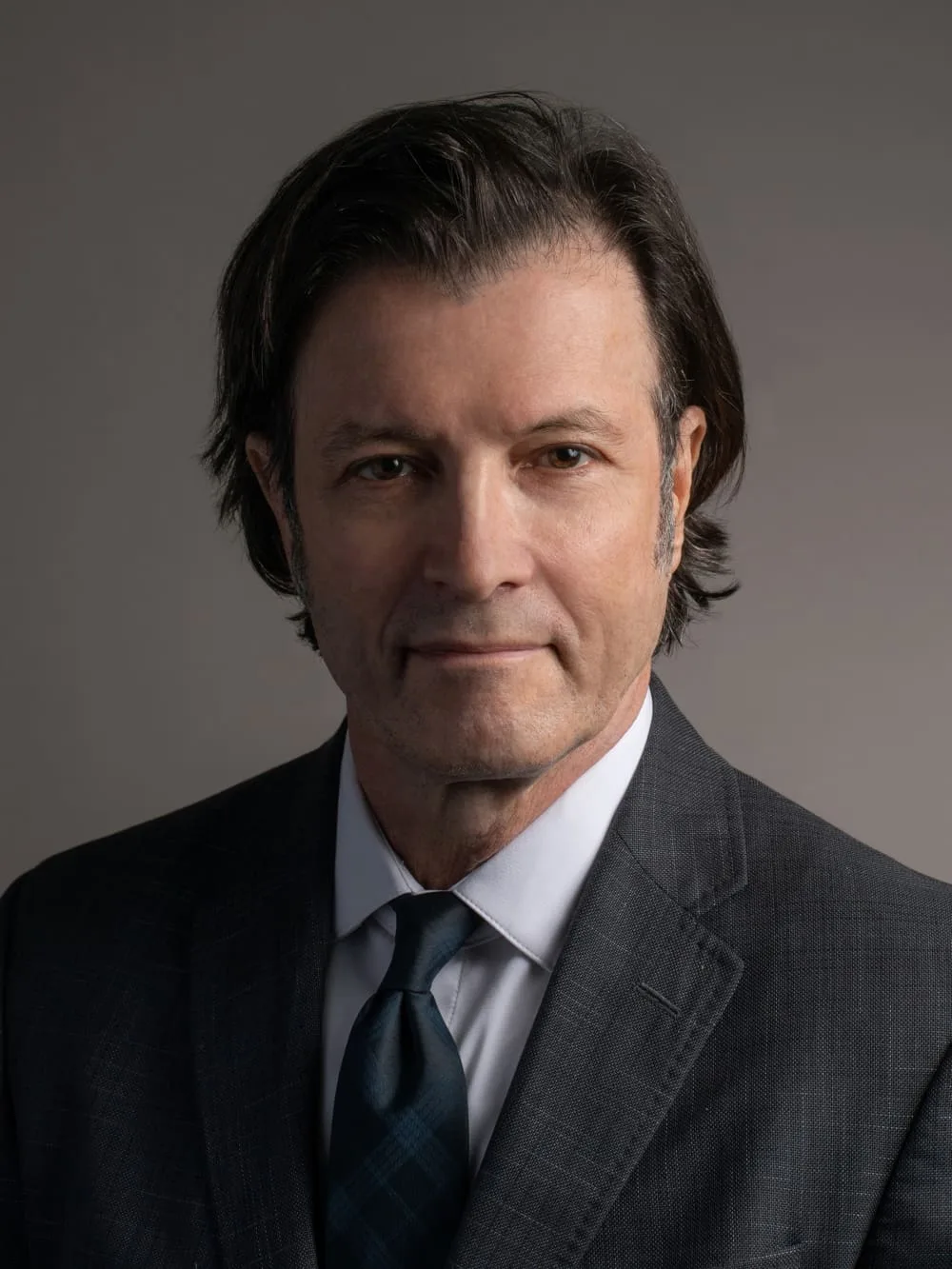
2. Dr. Ehud Mendel

Location:
Smilow Cancer Hospital at Yale New Haven 35 Park Street, Fl NP8 New Haven, CT 06511
About the surgeon:
Dr. Ehud Mendel, MD, is the Nixdorff-German Professor of Neurosurgery at Yale School of Medicine. A 10-year named professorship he was appointed to in 2024. He also serves as Executive Vice Chair of Neurosurgery, Division Chief of Spine, and Disease Center Director of the Spine Oncology Program at Yale Cancer Center. He earned his medical degree at Louisiana State University School of Medicine and completed his neurosurgical residency at USC Medical Center.
Surgery types:
- Spinal Cancers
- Sarcoma, Kaposi
- Meningioma
- Spine Sarcoma
- Bone Cancer
- Spinal Cord Tumors
- Osteosarcoma
3. Dr. Khalid M. Abbed


Location:
Hartford HealthCare Ayer Neuroscience Institute; performs spine surgery at St. Vincent’s Medical Center, Bridgeport, CT.
About the surgeon:
Khalid M. Abbed, MD, is Co-Physician-in-Chief of the Hartford HealthCare Ayer Neuroscience Institute and Chair of Neurosurgery at St. Vincent’s Medical Center. He previously served as Chief of the Yale Spine Institute and Vice Chair of Neurosurgery at Yale before transitioning to Hartford HealthCare. He earned his medical degree from the University of Illinois College of Medicine, completed residency at Harvard/Massachusetts General Hospital, and completed a fellowship in neurosurgical and orthopedic spine surgery at Cleveland Clinic.
Dr. Abbed is a recognized leader in minimally invasive spine surgery and has been an outspoken proponent of conservative care first. He has been quoted publicly cautioning against operating on muscular low back pain, where surgery may not improve and can sometimes worsen outcomes.
Surgery types:
- Cervical Spine Surgery
- Globus ExcelsiusGPS
- Lumbar Spine Surgery
- Minimally Invasive Spine Surgery
- Robotic Spinal Surgery
- Spinal Tumors
- Thoracic Spine Surgery
4. Dr. Afshin Aminian


Location:
Children’s Hospital of Orange County: 1201 W La Veta Ave, Orange, CA 92868
About the surgeon:
Dr. Afshin Aminian, MD is a board-certified pediatric orthopedic surgeon and Medical Director of the CHOC Orthopaedic Institute. He earned his medical degree at Washington University School of Medicine, completed his general surgery internship and orthopedic surgery residency at Northwestern Memorial Hospital, and completed a pediatric orthopedic fellowship at San Diego Children’s Hospital. He has presented multiple times at the International Meeting on Advanced Spine Techniques and is recognized internationally for his work in adolescent idiopathic scoliosis.
Surgery types:
- Spine surgeries
- Spinal deformities
- Teen idiopathic scoliosis
- Congenital and neuromuscular spinal conditions
5. Dr. Christopher P. Ames


Location:
400 Parnassus Avenue, Floor 2, San Francisco, CA 94143
About the surgeon:
Dr. Christopher Ames, MD, is a board-certified neurosurgeon and Director of Spinal Deformity and Spine Tumor Surgery at UCSF, Co-Director of the UCSF Spine Center, Director of the California Deformity Institute, and Director of the Spinal Biomechanics Laboratory. He earned his medical degree at the David Geffen School of Medicine at UCLA, completed his neurosurgical residency at the University of California San Diego, and completed a complex spine fellowship at Barrow Neurological Institute. He has authored more than 800 peer-reviewed publications and is the spine section lead editor for Operative Neurosurgery.
Surgery types:
Spinal tumors, such as:
- Chordoma
- Chondrosarcoma
- Giant cell tumor
- Soft tissue sarcoma
- Sacral tumors
6. Dr. Erica Bisson


Location:
5126 West Daybreak Parkway South Jordan , UT 84009
About the surgeon:
Dr. Erica Bisson, MD, MPH, FAANS, is Professor of Neurosurgery and Adjunct Professor of Orthopaedics at the University of Utah, where she also serves as inaugural Vice Dean of Clinical Affairs for the Spencer Fox Eccles School of Medicine and Executive Medical Officer for the University of Utah Medical Group. She earned her medical degree at Tufts University School of Medicine, completed neurosurgical training at the University of Vermont, and completed a fellowship in complex spinal disorders at the University of Utah. She has published more than 100 peer-reviewed articles and is the current Chair of the AANS/CNS Joint Section on Disorders of the Spine and Peripheral Nerves.
Surgery types:
- Spine arthroplasty
- Spinal cord tumors
- Degenerative spine surgery
- Minimally invasive spine surgery
- Spinal reconstruction procedures
- Cervical degenerative disease
7. Dr. Lawrence Borges


Location:
Massachusetts General Hospital: 55 Fruit Street, Boston, MA 02114
About the surgeon:
Dr. Lawrence Borges, MD, is Director of the Neurosurgical Spine Center at Massachusetts General Hospital and the surgical director of the Spine Tumor Clinic. He earned his medical degree from Johns Hopkins University School of Medicine and completed his residency at Massachusetts General. He is board-certified in neurosurgery and is an Associate Professor of Neurosurgery at Harvard Medical School. His interests include intradural spinal tumors, Chiari malformation, and complex spinal cord disease.
Surgery types:
- Disc excision
- Laminectomy
- Fusions
- Spinal cord tumors
- Chiari malformation
8. Dr. John B. Emans


Location:
Boston Children’s Hospital: 300 Longwood Avenue, Fegan, 2nd Floor Boston, Massachusetts 02115
About the surgeon:
Dr. John B. Emans, MD, has practiced at Boston Children’s Hospital for more than 40 years and currently serves as Director Emeritus of the Spine Division. He is also a Professor of Orthopedic Surgery at Harvard Medical School. He earned his medical degree at Harvard Medical School and completed the Harvard Combined Orthopedic Surgery Residency Program. He is board-certified by the American Board of Orthopaedic Surgery and is a leading authority on early-onset scoliosis, magnetically controlled growing rods, and congenital spinal deformity.
Surgery types:
- Congenital Scoliosis
- Idiopathic Scoliosis
- Kyphosis in Children
- Scoliosis
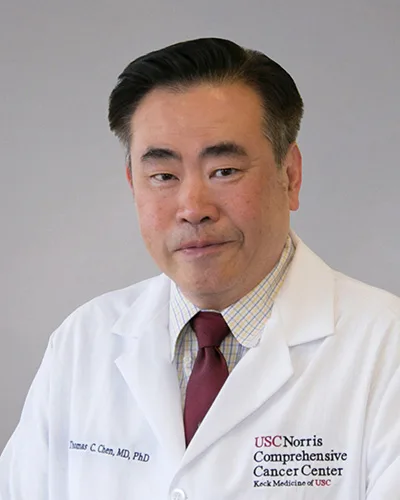
9. Dr. Thomas C Chen

Location:
USC Verdugo Hills Hospital: 1520 San Pablo Street, HCT-3800 Los Angeles, CA 90033-5313
About the surgeon:
Dr. Thomas C Chen, MD, PhD, is a board-certified neurosurgeon, tenured Professor of Neurological Surgery, Pathology, and Orthopaedic Surgery at the Keck School of Medicine of USC, Director of the Brain Tumor Center at Keck Hospital of USC, and Director of Surgical Neuro-Oncology. He earned his medical degree from the University of California San Francisco, completed neurosurgical residency at USC, and completed a spine fellowship at the Medical College of Wisconsin. He is one of the few fellowship-trained spine surgeons in the United States focused on spine cancer.
Surgery types:
- Neurosurgery
- Spine Surgery
- Spine Oncology
- Brain Tumors
10. Dr. Brian P. Hasley


Location:
211 West 33rd Street, Kearney, NE 68845
About the surgeon:
Dr. Brian Hasley, MD, is Division Chief of Pediatric Orthopaedic Surgery at Children’s Nebraska and Medical Director of the spine deformity program. He is also an Associate Professor of Orthopedic Surgery and Rehabilitation at the University of Nebraska Medical Center. He is board-certified by the American Board of Orthopaedic Surgery and is a member of the Scoliosis Research Society and the Pediatric Orthopedic Society of North America. He earned his medical degree at the University of Nebraska College of Medicine and completed his fellowship at the Texas Scottish Rite Hospital for Children / UT Southwestern.
Surgery types:
- Orthopedic Surgery
- Pediatric and Neuromuscular Spinal Deformity
- Scoliosis
11. Dr. Isador Lieberman, MD


Location:
5575 Frisco Square Blvd., Suite 400, Frisco, TX 75034
About the surgeon:
Dr. Isador Lieberman, MD, MBA, FRCSC, is a board-certified orthopedic and spinal surgeon at Texas Back Institute and a past president of the practice. He holds specialist certification from the Royal College of Physicians and Surgeons of Canada. He completed medical school and residency at the University of Toronto and spine surgery and trauma fellowships at the Toronto Hospital and Queen’s Medical Center in Nottingham, England. He is internationally recognized for pioneering work in robotic spinal surgery (he co-developed the Spine Assist robotic system) and founded the Uganda Charitable Spine Surgery Mission.
Surgery types:
- Spinal Surgery
- Spine Tumors
- Scoliosis
- Cervical and Lumbar Degenerative Disease
Work With the Best Spine Surgeon for Back & Neck Pain
Choosing a spine surgeon is not about finding a famous name. It is about finding a surgeon whose specific training and case volume match the procedure you need, whose published outcomes you can verify, and whose recommendation you can stress-test with a second opinion.
The published evidence is consistent on the basics: board certification correlates with patient safety, high case volume correlates with better outcomes, second opinions frequently change the plan, and minimally invasive approaches generally produce faster recovery and lower complication rates than traditional open surgery. 1, 2, 3, 4, 5, 6, 7, 8
At Deuk Spine Institute, we believe patients deserve a clear, honest second opinion before any major spine surgery. Many fusions being recommended today can be avoided with motion-preserving, endoscopic alternatives such as Deuk Laser Disc Repair® and Deuk Plasma Rhizotomy®, which preserve the structural integrity of the spine and avoid the long-term risk of adjacent segment disease.9
To find out whether you are a candidate, submit your MRI for a free virtual review. Dr. Deukmedjian personally reviews each MRI and will tell you exactly what is generating your pain and which minimally invasive option can address it.

Frequently Asked Questions
How do I know if a spine surgeon is qualified to perform my procedure?
Start with three checks. First, confirm board certification through the American Board of Surgery, the American Board of Neurological Surgery, or the American Board of Orthopaedic Surgery. Board certification has been associated with lower rates of malpractice payments and severe disciplinary actions. Second, ask the surgeon how many of your specific procedure they perform per year, because higher surgeon case volume is associated with significantly lower complication and readmission rates in spine surgery.
Should I get a second opinion before agreeing to spine surgery?
Almost always, yes. Spine surgery accounts for roughly 24% of all second-opinion consultations across surgical specialties, and a published scoping review of second-opinion programs in spine surgery found that agreement between the first and second surgeon on whether surgery is even necessary ranged from 0% to 83%. The same patient with the same MRI can receive completely different recommendations from two qualified surgeons, which is why an independent review is one of the highest-value steps a patient can take.
What is the difference between a neurosurgeon and an orthopedic spine surgeon?
Both can perform most common spine procedures, including discectomy, laminectomy, and fusion. Neurosurgeons complete a 7-year neurosurgical residency that includes intradural work (inside the spinal cord and dura) and are generally preferred for spinal cord tumors, intradural pathology, and complex revision cases. Orthopedic spine surgeons complete an orthopedic residency followed by a spine fellowship and are commonly preferred for adolescent and adult deformity, scoliosis, and complex reconstruction. For most degenerative disc and stenosis problems, the surgeon’s subspecialty fellowship and case volume matter more than the residency pathway.
How important is surgeon case volume?
Very. A dose-response meta-analysis pooling 1,986,545 spine surgery patients across 11 studies found that higher surgeon volume was associated with statistically significant reductions in postoperative morbidity (OR 0.62), mortality (OR 0.76), hospital length of stay, readmissions, and hospital costs. A separate systematic review in the European Spine Journal reached the same conclusion across cervical fusion, lumbar fusion, laminectomy, discectomy, and deformity procedures. Ask how many of your specific operation the surgeon performs in a typical year; the number should be in the dozens or higher, not a handful.
Is minimally invasive spine surgery actually better than traditional open surgery?
Across multiple 2024 and 2025 systematic reviews and meta-analyses, minimally invasive spine surgery (MIS) has been associated with less tissue disruption, less estimated blood loss, shorter hospital stays, faster recovery, and lower complication rates compared with traditional open surgery. The clinical pain-relief outcomes are generally comparable between approaches, but the perioperative and recovery advantages of MIS are well documented. For motion-preserving, endoscopic procedures such as Deuk Laser Disc Repair®, the advantages are even more pronounced because no muscle is cut, no bone is removed, and no hardware is installed.
What are the long-term risks of spinal fusion that surgeons may not emphasize?
The most important is adjacent segment disease (ASD). An accelerated degeneration of the discs immediately above and below a fused segment. A 2025 analysis in the Journal of Clinical Medicine documented that the cumulative incidence of ASD after lumbar fusion reaches 6.3% at 5 years, 23.6% at 10 years, and 66.7% at 15 years. In practical terms, a meaningful percentage of fusion patients will need additional surgery at adjacent levels within 10 to 15 years. Ask any surgeon recommending fusion to explain the ASD risk for your specific case and what alternatives they considered.
How do I tell whether a surgeon is recommending the right procedure for me?
Ask these specific questions during the consultation: (1) What is the exact structure on my MRI that is generating my pain, and how was it confirmed? (2) What is the least invasive procedure that can treat that pain generator? (3) What activity restrictions will I have at 6 weeks, 3 months, 6 months, and 1 year? (4) What are your published complication and reoperation rates for this specific procedure? (5) What are the alternatives, and why are they not being recommended? Surgeons who hesitate to answer these questions in writing are not the right surgeons for an active patient.
Does the hospital or surgery center matter as much as the surgeon?
Both matter, but in different ways. The published literature on volume-outcome relationships generally finds that both surgeon-level volume and hospital-level volume independently predict outcomes. Outpatient surgery centers that specialize in endoscopic spine procedures often produce excellent results for appropriate cases because the team performs these procedures repeatedly. For complex deformity, tumor, or revision surgery, a high-volume academic hospital with multidisciplinary backup is typically the safer environment.
How do I evaluate patient reviews of a spine surgeon?
Look at independent platforms such as Google, Healthgrades, US News & World Report, Vitals, and RateMDs rather than only the surgeon’s own website. Look for patterns across dozens of reviews rather than reacting to single positive or negative posts. Specific patterns worth noting: comments about whether the surgeon listened carefully, explained the diagnosis clearly, discussed alternatives to surgery, and followed up after the procedure. A single complaint among many positive reviews is normal; a recurring theme of poor communication, dismissive examinations, or unexplained complications is not.
Can I avoid spinal fusion if it has been recommended to me?
Often, yes. The data on adjacent segment disease after lumbar fusion and the discordance rates between first and second opinions in spine surgery together suggest that a meaningful number of fusion recommendations can be reconsidered. Many discogenic pain patients are candidates for motion-preserving, endoscopic procedures such as Deuk Laser Disc Repair®, which treats the pain generator inside the disc without cutting muscle, removing bone, or installing hardware. If fusion has been recommended, an independent MRI review is the lowest-cost, highest-value next step before consenting.
Sources
1. Association Between American Board of Surgery Initial Certification and Performance With Medical Malpractice Payments. Annals of Surgery, 2022. https://journals.lww.com/annalsofsurgery/fulltext/2022/08000/association_between_american_board_of_surgery.11.aspx
2. Association Between American Board of Surgery Initial Certification and Risk of Receiving Severe Disciplinary Actions Against Medical Licenses. JAMA Surgery, 2020. https://pmc.ncbi.nlm.nih.gov/articles/PMC7081147/
3. Relationship between surgeon volume and outcomes in spine surgery: a dose-response meta-analysis. Annals of Translational Medicine, 2018 (n = 1,986,545 patients). https://pmc.ncbi.nlm.nih.gov/articles/PMC6281525/
4. The impact of surgeon volume on patient outcome in spine surgery: a systematic review. European Spine Journal, 2018. https://pubmed.ncbi.nlm.nih.gov/29344731/
5. Second opinion in spine surgery: A scoping review. Surgical Neurology International, 2021. https://pmc.ncbi.nlm.nih.gov/articles/PMC8422531/
6. Second opinions for spinal surgery: a scoping review. BMC Health Services Research, 2022. https://pmc.ncbi.nlm.nih.gov/articles/PMC8932184/
7. Strategies for Optimizing Clinical Outcomes in Minimally Invasive Spine Surgery. Neurosurgery, 2025. https://pubmed.ncbi.nlm.nih.gov/39950794/
8. Minimally invasive tubular decompression versus traditional open surgery for lumbar spinal stenosis: a systematic review and meta-analysis. Scientific Reports, 2025. https://www.nature.com/articles/s41598-025-28949-9
9. Temporal Patterns of Risk Factors for Adjacent Segment Disease After Lumbar Fusion: 5 Years or More and up to 15 Years. Journal of Clinical Medicine, 2025. https://www.mdpi.com/2077-0383/14/10/3400