
By Dr. Ara Deukmedjian, MD
Board-Certified Neurosurgeon, Deuk Spine Institute
Medically reviewed on December 22, 2025
Medical disclaimer: This content is for educational purposes only and does not constitute medical advice. Individual results may vary. Always consult with your healthcare provider about your specific condition and treatment options.
Sharp, shooting pain that travels from your lower back down through your leg and below the knee can stop you in your tracks. You’re not imagining it, and you’re certainly not alone. This distinctive pattern of discomfort is the hallmark of sciatica, a condition affecting millions of people each year. Understanding when this leg pain below the knee signals a serious problem versus a temporary annoyance can make the difference between swift recovery and prolonged suffering.
Sciatica isn’t just back pain that extends into your leg. It’s a specific set of symptoms caused by irritation or compression of nerve roots that form the sciatic nerve, which happens to be the longest and largest nerve in your body. When you experience pain radiating below the knee, your body is sending clear signals that something is compressing or inflaming these critical nerve pathways.
What Is Sciatica and Why Does Pain Travel Below the Knee?
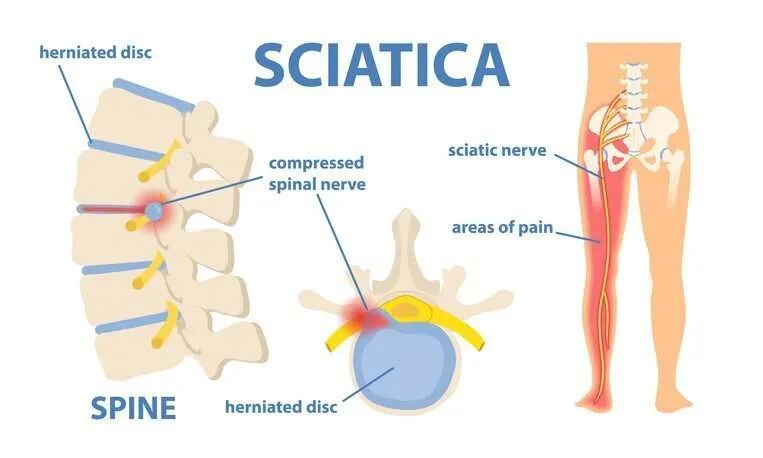
Sciatica describes pain that follows the path of the sciatic nerve, which branches from your lower spine through your hips and buttocks and down each leg. The sciatic nerve forms from nerve roots exiting the lumbar spine at levels L4, L5, and S1. When these nerve roots become compressed or irritated, the pain doesn’t stay localized to your back—it radiates down the entire pathway the nerve travels.
According to research published in the British Medical Journal, the defining characteristic that separates sciatica from general low back pain is pain radiating below the knee and into the foot and toes.1 This specific distribution of pain is what medical professionals look for when diagnosing true sciatica versus other forms of lower back discomfort.
The sciatic nerve exits the pelvis through the sciatic foramen and travels posteriorly, passing beneath the piriformis muscle before coursing down the posterior thigh. It eventually terminates at the knee, where it branches into the tibial and common fibular nerves that continue into the lower leg and foot. This anatomical pathway explains why irritation at the nerve root level in your lower back can cause symptoms all the way down to your toes.
When pain extends below the knee, it indicates more significant nerve involvement than pain that stops at the thigh or hip. Studies show that pain radiating past the knee is associated with more severe nerve root compression and often correlates with findings visible on MRI scans, such as herniated discs or spinal stenosis. This is why healthcare providers pay particular attention to whether your pain crosses the knee—it’s a clinical marker of the severity of nerve involvement.
Understanding Sciatica Symptoms: More Than Just Leg Pain
While pain below the knee is the signature symptom of sciatica, you may experience several other sensations that all point to nerve root irritation. Recognizing the full spectrum of symptoms helps you understand what’s happening in your body and when you should seek medical attention.
- Sharp, shooting pain is the most common complaint. Patients often describe it as an electric shock sensation that travels from the lower back or buttocks down the back of the leg, past the knee, and into the calf, ankle, or foot. This pain can be severe enough to interfere with walking, standing, or even sitting comfortably.
- Numbness and tingling frequently accompany the pain. You might feel a “pins and needles” sensation in your leg, foot, or toes. This occurs because compressed nerves cannot transmit sensory information properly. The specific areas affected depend on which nerve root is compressed. For example, L5 radiculopathy commonly causes numbness on the top of the foot and between the first and second toes, while S1 involvement typically affects the outside edge and bottom of the foot.
- Muscle weakness can develop as nerve compression worsens. You might notice difficulty lifting your foot (foot drop), trouble standing on your toes or heels, or general leg weakness that makes climbing stairs challenging. According to the Mayo Clinic Health System, L5 radiculopathy often presents with weakness in bending the foot upward, while S1 compression affects the ability to push the foot downward.
- Burning sensations or a feeling of heat traveling down the leg can occur alongside or instead of sharp pain. Some patients report that the affected leg alternates between feeling hot and cold, or that the skin feels hypersensitive to touch.
Research from the National Institutes of Health indicates that sciatica typically affects only one side of the body. If you’re experiencing symptoms in both legs simultaneously, this could indicate a more serious condition called cauda equina syndrome, which requires immediate medical attention.
The pain pattern often worsens with certain movements or positions. Sitting for prolonged periods, coughing, sneezing, or bending forward can intensify symptoms by increasing pressure on the affected nerve root. Conversely, some people find that lying down or walking provides temporary relief by changing the mechanical stress on the spine.
Common Causes of Sciatica and Pain Below the Knee
Understanding what’s causing your sciatic nerve irritation is crucial for effective treatment. While several conditions can produce sciatica symptoms, some are far more common than others.
Herniated discs are the primary culprit behind most cases of sciatica. The intervertebral discs serve as cushions between your vertebrae, and each disc has a tough outer ring called the annulus fibrosus surrounding a gel-like center called the nucleus pulposus. When the outer ring tears, the inner material can push out and press against nearby nerve roots. According to research published on PubMed, herniated lumbar discs account for the vast majority of sciatica cases.
At Deuk Spine Institute, our research shows that the pain from herniated discs isn’t caused by simple mechanical pinching of the nerve. Instead, it’s the inflammation triggered by disc material lodged in a posterior annular tear that irritates nearby nerves, causing persistent pain and neurological symptoms.
The L5-S1 and L4-L5 disc levels are the most commonly affected, which explains why sciatica is so prevalent. These lower lumbar segments bear the most mechanical stress during daily activities.2
Spinal stenosis occurs when the spinal canal narrows, putting pressure on the spinal cord and nerve roots. This narrowing typically develops gradually due to age-related changes in the spine, including thickening ligaments, bone spurs, and disc degeneration. Patients with spinal stenosis often experience neurogenic claudication, characterized by leg pain and cramping that worsens with standing or walking and improves when sitting or leaning forward.
Foraminal stenosis is a specific type of narrowing that affects the neural foramina—the small openings where nerve roots exit the spinal canal. When these passages become constricted by disc bulges, bone spurs, or thickened ligaments, nerve roots can become compressed, producing radiating leg pain below the knee.3
Piriformis syndrome represents a distinct cause of sciatica that doesn’t originate in the spine. The piriformis muscle, located deep in the buttocks behind the gluteus maximus, can spasm or tighten and compress the sciatic nerve as it passes through or near this muscle. While symptoms can mimic spinal sciatica, the source of nerve irritation is muscular rather than spinal. Physical examination can usually distinguish piriformis syndrome from spine-related causes.
Degenerative disc disease involves the progressive breakdown of intervertebral discs over time. As discs lose moisture and height, the space between vertebrae decreases, potentially leading to nerve root compression and foraminal narrowing. This process is a normal part of aging, but it can accelerate due to injury, genetics, or excessive spinal stress.
Less common causes include spinal tumors, infections, fractures, and sacroiliac joint dysfunction. Research published in the European Spine Journal found that SI joint problems can cause sciatica-like symptoms mimicking nerve root compression, highlighting the importance of accurate diagnosis.
Diagnosing Leg Pain Below the Knee: How Doctors Identify Sciatica
Accurate diagnosis begins with understanding your symptoms and medical history. When you present with leg pain radiating below the knee, your physician will conduct a thorough evaluation to determine the underlying cause and rule out serious conditions.
Clinical examination forms the foundation of the diagnosis of sciatica. Your doctor will ask detailed questions about your symptoms: When did the pain start? What makes it better or worse? Is it constant or intermittent? Where exactly do you feel numbness or weakness? According to guidelines from the National Institutes of Health (NIH), patients should describe the distribution of pain and whether it radiates below the knee, as this dermatomal pattern helps identify which nerve root is affected.
Physical examination includes several neurological tests designed to reproduce symptoms and assess nerve function. The straight leg raise test is the most commonly performed maneuver. While lying on your back, your doctor will lift your affected leg while keeping it straight. Pain reproduced between 30 and 70 degrees of hip flexion, especially if it radiates below the knee, strongly suggests lumbar disc herniation. Research shows this test has a sensitivity of 91% for detecting disc-related sciatica.5
Your doctor will also test your leg strength, examining your ability to walk on your heels and toes, stand from a squat, and lift your foot against resistance. Diminished reflexes—particularly the ankle reflex for S1 radiculopathy or knee reflex for L4 involvement—provide additional diagnostic clues. Sensory testing helps map areas of numbness or altered sensation, which correlate with specific nerve root patterns.
Imaging studies are not immediately necessary for all cases of sciatica. In fact, guidelines recommend that imaging be reserved for patients with “red flag” symptoms or those who don’t improve with conservative treatment after 6-8 weeks. This approach prevents unnecessary testing, as studies show that 20-36% of asymptomatic people have disc herniations visible on MRI that cause no symptoms whatsoever.
When imaging is warranted, MRI is the preferred modality because it visualizes soft tissues like discs and nerves better than CT scans and doesn’t expose you to ionizing radiation. MRI can reveal herniated discs, spinal stenosis, nerve root compression, and other structural abnormalities.4
At Deuk Spine Institute, we emphasize that MRI findings must correlate with clinical symptoms. A disc bulge seen on imaging doesn’t necessarily explain your pain if the physical examination doesn’t support that diagnosis. This is why we offer a comprehensive evaluation that combines advanced imaging review with specialized physical examination techniques to accurately identify the true pain generator.
Electromyography (EMG) and nerve conduction studies may be ordered if there’s uncertainty about nerve involvement or if symptoms don’t match imaging findings. These tests measure electrical activity in muscles and the speed at which nerves conduct signals, helping distinguish nerve root compression from peripheral nerve problems.
Searching for Answers About Your Leg Pain?
Schedule your free consultation and MRI review with Dr. Deukmejian today.
When Leg Pain Below the Knee Becomes a Medical Emergency
While most cases of sciatica improve with conservative treatment, certain symptoms indicate a medical emergency that requires immediate attention. Recognizing these “red flag” warning signs can prevent permanent neurological damage.
Cauda equina syndrome is the most serious complication associated with severe nerve compression in the lower spine. This rare but devastating condition occurs when a massive disc herniation or other pathology compresses multiple nerve roots of the cauda equina—the bundle of nerves at the base of the spinal cord. According to emergency medicine research published in the American Journal of Emergency Medicine, cauda equina syndrome requires surgical decompression within 48 hours to prevent permanent paralysis and incontinence.
Red flag symptoms of cauda equina syndrome include:
- Bilateral leg pain, numbness, or weakness affecting both legs simultaneously
- Saddle anesthesia, numbness or tingling, in the area that would contact a saddle (inner thighs, buttocks, perineum)
- Bladder dysfunction, particularly urinary retention where the bladder fills but you cannot urinate, or loss of bladder control
- Bowel incontinence or loss of bowel control
- Sexual dysfunction or loss of sensation in the genital area
- Progressive leg weakness that rapidly worsens over hours or days
Research from the Cleveland Clinic emphasizes that urinary retention is the most common symptom of cauda equina syndrome.6 If you’re experiencing difficulty urinating or have lost the sensation of needing to urinate, seek emergency care immediately. Magnetic resonance imaging is the gold standard diagnostic test, and surgical decompression should be performed urgently.
Other red flag symptoms that warrant immediate medical evaluation include:
- Severe or progressive neurological deficits, such as foot drop or complete loss of ankle/toe movement
- Unexplained weight loss, fever, or night sweats accompanying back and leg pain, which could indicate infection or malignancy
- History of cancer combined with new onset of sciatica
- Recent significant trauma, such as a fall from height or a motor vehicle accident
- Age over 50 with new onset of sciatica (higher risk of serious underlying conditions)
- Intravenous drug use (increased risk of spinal infection)
- Immunosuppression or prolonged corticosteroid use (higher infection risk)
According to guidelines from the Society of British Neurological Surgeons, patients with suspected cauda equina syndrome should undergo MRI scanning within hours of presentation, not days.7 Early surgical decompression significantly improves outcomes, with patients treated within 24-48 hours showing better recovery of bladder, bowel, and sexual function than those with delayed treatment.
Even without cauda equina syndrome, you should contact your healthcare provider if your leg pain below the knee is severe and progressively worsening, isn’t responding to over-the-counter pain medications, or is significantly interfering with your ability to work or perform daily activities. Mayo Clinic Health System recommends seeking evaluation if pain follows recent trauma or if you develop fever, chills, or night sweats, which could indicate spinal infection.
Conservative Treatment Options: What Works for Sciatica?
For most people experiencing pain radiating below the knee from sciatica, conservative (non-surgical) treatment provides significant relief within weeks to months. Understanding your options helps you make informed decisions about managing symptoms while your body heals.
Activity modification is often the first recommendation, though it doesn’t mean complete bed rest. In fact, prolonged inactivity can worsen symptoms and delay recovery. Instead, modify activities that aggravate your pain—avoid heavy lifting, prolonged sitting, and forward bending or twisting. According to research published in BMJ, many cases of acute sciatica have a favorable prognosis, with symptoms improving within 2-4 weeks.8
Physical therapy plays a central role in the treatment of sciatica. A qualified physical therapist can design an exercise and stretching program targeting the underlying mechanical factors contributing to nerve compression. Core strengthening, lumbar stabilization exercises, and proper body mechanics training help reduce stress on affected nerve roots. Studies show that active therapy approaches are more effective than passive treatments like prolonged rest.
However, our research at Deuk Spine Institute indicates that while physical therapy can provide symptomatic relief, it doesn’t address the root cause when sciatica stems from a herniated disc with an annular tear. The inflammation caused by disc material in the tear requires direct treatment for permanent resolution.
Medications can help manage pain and inflammation during the acute phase. Over-the-counter NSAIDs like ibuprofen or naproxen reduce inflammation around irritated nerve roots. A recent clinical trial published in the journal Pain found that naproxen provided small but statistically significant benefits for patients with moderate-to-severe sciatica compared to a placebo. However, systematic reviews show limited evidence that NSAIDs are more effective than a placebo for long-term pain reduction in sciatica.
Prescription medications may include muscle relaxants for associated muscle spasms, nerve pain medications like gabapentin or pregabalin for neuropathic symptoms, or short-term opioids for severe acute pain. It’s important to note that these medications treat symptoms, not the underlying cause, and carry risks of side effects and dependency with prolonged use.
Epidural steroid injections deliver anti-inflammatory medication directly into the space around compressed nerve roots. These injections can provide temporary relief for some patients, particularly those with acute radicular pain. A meta-analysis in the Annals of Internal Medicine found that epidural steroids provided short-term pain relief but showed no significant long-term benefits compared to a placebo. The effect typically lasts weeks to months, and repeat injections may be necessary.
Heat and ice therapy offer simple, low-cost symptom relief. Ice packs applied during the first 48-72 hours can reduce inflammation, while heat therapy after the acute phase helps relax muscles and increase blood flow. Alternating between cold and heat may provide the most benefit.
Chiropractic care and manual therapy techniques aim to improve spinal alignment and reduce nerve irritation. While many patients report subjective improvement, high-quality research on spinal manipulation for sciatica yields mixed results. If you choose this approach, seek a licensed practitioner and discontinue treatment if symptoms worsen.
The natural course of sciatica is generally favorable. Research from the British Medical Journal shows that about 70-80% of patients improve within 6-8 weeks with conservative care alone.8 However, approximately 20-30% of people continue to have persistent problems after one to two years, highlighting the importance of accurate diagnosis and appropriate treatment escalation when conservative measures fail.
Conservative treatments work best for mild to moderate sciatica without progressive neurological deficits. If symptoms persist beyond 6-8 weeks despite appropriate conservative care, or if you develop worsening weakness or numbness, it’s time to consider more definitive treatment options.
Advanced Treatment: When Surgery Becomes Necessary
When conservative treatments fail to resolve sciatic pain radiating below the knee, or when neurological deficits are severe or progressive, surgical intervention may be necessary. Understanding your surgical options and their outcomes helps you make informed decisions about your care.
Indications for surgery include:
- Persistent, severe pain lasting beyond 6-8 weeks despite appropriate conservative treatment
- Progressive neurological deterioration, such as worsening weakness or sensory loss
- Cauda equina syndrome requiring emergency decompression
- Inability to work or perform daily activities due to pain
- Patient preference for definitive treatment rather than prolonged conservative care
A research study published in the New England Journal of Medicine compared surgery with prolonged conservative care for sciatica due to lumbar disc herniation. The study found that discectomy provided faster short-term pain relief than conservative treatment, but after 1 to 2 years, outcomes were similar between groups.9 This suggests that surgery can accelerate recovery for those with disc-related sciatica, though many patients ultimately improve with time.
Traditional surgical approaches typically involve some form of decompression to relieve pressure on compressed nerve roots. Microdiscectomy removes the portion of herniated disc material pressing on the nerve, usually through a small incision using microscopic visualization. While effective for appropriate candidates, traditional approaches often require cutting or removing bone to access the disc, which can weaken spinal structures.
A laminectomy removes a portion of the vertebral bone (lamina) to create more space for compressed nerves. This procedure is often performed for spinal stenosis, but it can compromise spinal stability. Fusion surgery may be added to provide stability, but it eliminates motion at the affected segment and accelerates degeneration at adjacent levels—a phenomenon called adjacent segment disease (ASD).
Deuk Laser Disc Repair® (DLDR) represents the most advanced surgical treatment for herniated discs causing sciatica. This proprietary minimally invasive procedure uses endoscopic visualization and laser technology to remove herniated disc material without cutting bone or damaging spinal structures. Unlike traditional approaches that weaken the spine, this technique preserves natural spinal motion and has a 99% pain relief for treated pain sources with no major complications in thousands of patients treated over 15 years.
The procedure is performed on an outpatient basis, with no hospital stay required, thereby vastly reducing infection risk. Recovery is dramatically faster than with traditional surgery—many patients walk within an hour and return to normal activities within days to weeks, rather than months. The endoscopic approach leaves a small quarter-inch scar compared to the large incisions required for open surgery.
Our research shows that this approach is effective because it directly addresses the source of pain: The inflammation caused by disc material lodged in a posterior annular tear. By removing this inflammatory material and allowing the annulus to heal, we can eliminate the pain at its source rather than simply managing symptoms.
Choosing a surgeon is one of the most important decisions you’ll make. The surgeon’s experience, technique preferences, and complication rates significantly impact your outcome. At Deuk Spine Institute, we emphasize the importance of seeking surgeons who specialize in minimally invasive techniques and have extensive experience with your specific condition. Traditional fusion surgery should be considered only when absolutely necessary, as it trades immediate pain relief for future complications and adjacent segment degeneration.
Questions to ask your surgeon include:
- What is the objective of the proposed surgery—symptom management or cure?
- What are the specific risks and complication rates for this procedure?
- How many of these surgeries have you performed?
- What is your success rate?
- What type of recovery can I expect?
- Will this procedure compromise my spinal stability or motion?
- What are the alternatives?
Prevention and Long-Term Management of Sciatica
Once you’ve recovered from an episode of sciatica, taking steps to prevent recurrence becomes crucial. While you cannot control all risk factors—age, genetics, and previous injuries play significant roles—lifestyle modifications can reduce your chances of developing chronic sciatica or future flare-ups.
Maintain a healthy weight. Excess body weight increases mechanical stress on lumbar discs and accelerates degenerative changes. Research consistently shows that obesity is a risk factor for developing sciatica and other spinal conditions. Losing even modest amounts of weight can significantly reduce pressure on your lower spine.
Practice proper body mechanics. The way you move throughout the day profoundly affects spinal health. When lifting objects, bend at the knees rather than the waist, keep items close to your body, and avoid twisting while holding weight. When sitting, maintain the natural curve of your lower back with proper lumbar support, keep your feet flat on the floor, and take regular breaks to stand and move.
Stay physically active. Regular exercise strengthens core muscles that support your spine, maintains flexibility, and promotes healthy disc nutrition through movement. Low-impact activities like walking, swimming, and cycling are excellent choices. However, avoid high-impact exercises and movements that place excessive stress on your lower back during the recovery phase.
Improve your posture. Poor posture can accelerate disc degeneration and increases the risk of herniation. Whether sitting, standing, or sleeping, proper spinal alignment reduces mechanical stress on discs and nerve roots. Consider ergonomic workstation modifications if you spend long hours at a desk.
Sleeping position matters. How you sleep affects your spine throughout the night. Side sleeping with a pillow between your knees helps maintain proper spinal alignment. Avoid stomach sleeping, which forces your neck into rotation and can increase lower back stress. The right pillow and mattress support can make a significant difference.
Address work-related risk factors. Occupations requiring prolonged sitting, repetitive bending and lifting, or vibration exposure increase sciatica risk. If your work involves these factors, take frequent breaks to change positions, use proper lifting techniques, and consider workplace modifications. Workers’ compensation coverage may be available if your sciatica developed due to work-related activities.
Avoid smoking. Tobacco use can impair disc nutrition by reducing blood flow to spinal structures, accelerating degenerative changes. Multiple studies link smoking to increased risk of disc herniation and slower healing after spinal injury.
Recognize early warning signs. Catching sciatica symptoms early allows for prompt intervention before nerve damage worsens. If you notice new onset leg pain, numbness, or tingling, don’t ignore it. Early conservative treatment is more likely to succeed than waiting until symptoms become severe.
Consider preventive care for high-risk conditions. If you have degenerative disc disease, previous disc herniations, or spinal stenosis, regular monitoring and proactive management can prevent acute flare-ups. Conditions like cervical spinal stenosis or thoracic spine issues require specialized management to prevent progression.
Conservative care manages symptoms but doesn’t repair the underlying structural damage. If you’ve had recurrent episodes of sciatica, addressing the source of the problem with definitive treatment prevents chronic, recurring pain and disability.
Long-term outlook. Most people who experience sciatica can return to normal activities and maintain an active lifestyle with appropriate treatment and preventive measures. However, without addressing the underlying cause, recurrence rates remain significant. Studies show that 20-30% of people treated conservatively continue to have persistent problems years later, emphasizing the importance of comprehensive care that goes beyond symptom management.
Make Your First Pain-Free Move
If you’re seeking relief from lumbar pain, have been recommended for a spinal fusion, or are still dealing with chronic neck pain after a failed fusion surgery, we can help improve your quality of life and enable you to live pain-free.
Upload your latest MRI for a free review and a personal consultation with myself. Ara Deukmedjian, M.D., founder of Deuk Spine Institute and creator of the Deuk Laser Disc Repair® procedure.
Sciatica Succes Story
Meet a patient that was finally relieved of his sciatica pain after Deuk Piriformis Muscle Release® treatment.
Frequently Asked Questions
-
How long does sciatica pain below the knee typically last?
The duration of sciatica varies considerably depending on the underlying cause and severity of nerve compression. Research from the National Institutes of Health indicates that most cases of acute sciatica improve within 2-4 weeks with or without treatment. However, approximately 20-30% of patients continue experiencing symptoms beyond one to two years. Pain that persists longer than 6-8 weeks despite conservative treatment warrants further evaluation and may require more aggressive intervention. Factors associated with longer recovery include severe initial pain intensity, older age, and the presence of neurological deficits, such as weakness. Early diagnosis and appropriate treatment significantly improve outcomes and reduce the likelihood of developing chronic sciatica.
-
Can sciatica cause permanent nerve damage if left untreated?
Yes, untreated sciatica can lead to permanent nerve damage in some cases, particularly when compression is severe or prolonged. According to emergency medicine research, cauda equina syndrome represents the most serious risk, potentially causing irreversible paralysis, bladder and bowel dysfunction, and loss of sexual function if surgical decompression isn’t performed within 48 hours. Even without cauda equina syndrome, chronic nerve root compression can result in permanent weakness, numbness, or muscle atrophy. Progressive neurological deficits—such as foot drop or worsening weakness—require prompt medical attention to prevent permanent damage. The key is recognizing red flag symptoms and seeking timely treatment. Most cases of sciatica resolve without permanent damage, but delaying care when neurological function is deteriorating increases the risk of lasting complications.
-
What’s the difference between sciatica and general lower back pain?
Sciatica and non-specific lower back pain differ primarily in symptom distribution and underlying pathology. Research published in the British Medical Journal emphasizes that sciatica is characterized by pain radiating below the knee into the foot and toes, along the path of the sciatic nerve. This dermatomal distribution distinguishes it from mechanical lower back pain, which typically remains localized to the lumbar region or upper buttock. Sciatica results from nerve root compression or inflammation, whereas general lower back pain often stems from muscle strains, ligament sprains, or disc degeneration without nerve involvement. Physical examination findings also differ: Sciatica typically produces positive straight leg raise tests, dermatomal sensory changes, and possibly motor weakness or reflex abnormalities. Lower back pain without radicular features rarely affects neurological function. Understanding this distinction is crucial because treatment approaches differ, and sciatica may require more aggressive intervention if conservative care fails.
-
Should I avoid exercise when experiencing sciatica pain below the knee?
While rest may provide temporary relief during the acute phase of severe sciatica, prolonged inactivity can actually worsen symptoms and delay recovery. According to guidelines from multiple spine societies, staying active within your pain tolerance is generally recommended. However, you should modify activities that aggravate symptoms. Avoid high-impact exercises, heavy lifting, prolonged sitting, and movements involving forward bending or twisting during acute flare-ups. Low-impact activities like walking and gentle stretching often help by promoting blood flow and preventing muscle deconditioning. However, certain exercises pose significant risks when you have active disc herniation or nerve compression. Research from Deuk Spine Institute shows that exercises like straight leg raises, heavy squats, deadlifts, and loaded leg presses can worsen disc herniation by increasing intradiscal pressure. Physical therapy should be tailored to your specific condition under professional guidance. The key is finding the right balance: staying mobile enough to prevent deconditioning while avoiding activities that increase nerve compression or disc stress. If exercise consistently worsens your symptoms or causes new neurological deficits, stop and consult your healthcare provider.
-
Sources
1: https://www.bmj.com/content/367/bmj.l6273
2: https://deukspine.com/blog/l5-s1-disc-herniation-guide
3: https://deukspine.com/blog/foraminal-stenosis-insights-diagnosis-treatments
4: https://deukspine.com/blog/herniated-disc-mri
5: https://www.sciencedirect.com/topics/medicine-and-dentistry/straight-leg-raise
6: https://my.clevelandclinic.org/health/diseases/22132-cauda-equina-syndrome
7: https://publishing.rcseng.ac.uk/doi/10.1308/rcsann.2020.7086