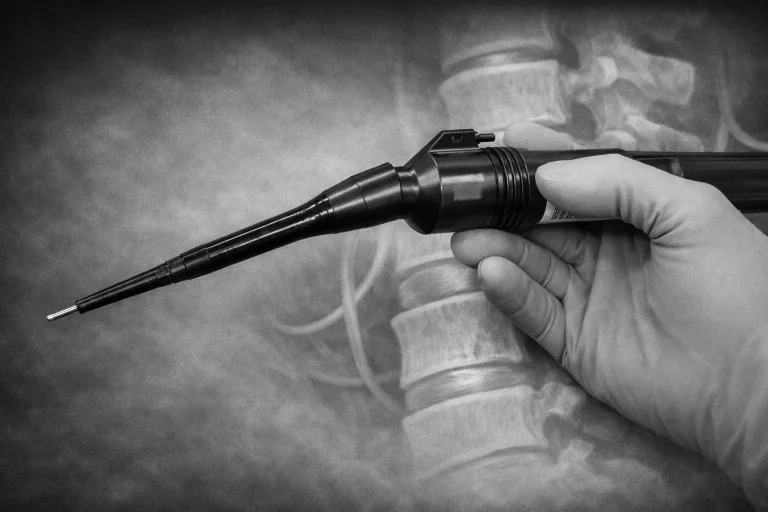
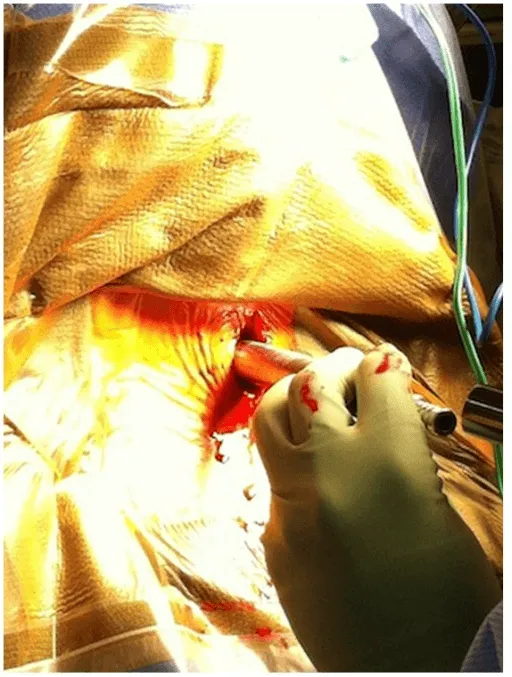
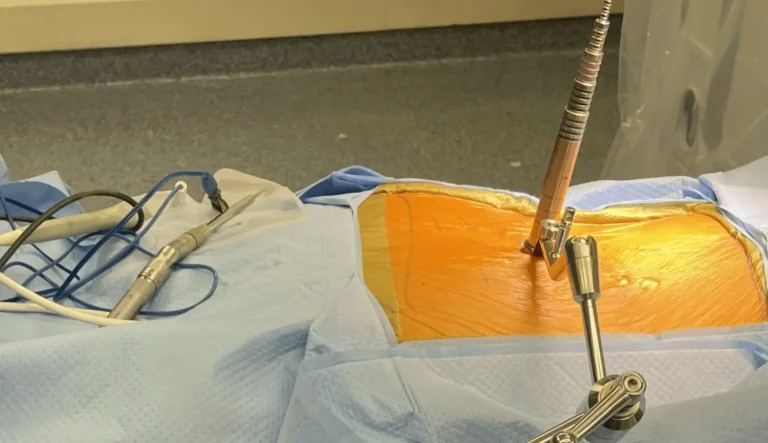
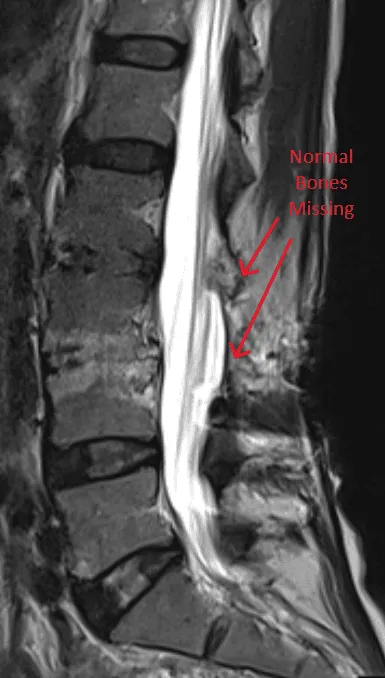
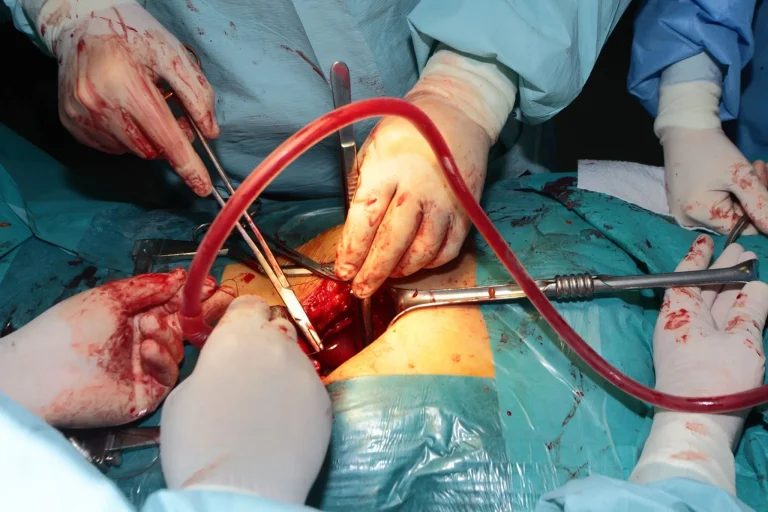
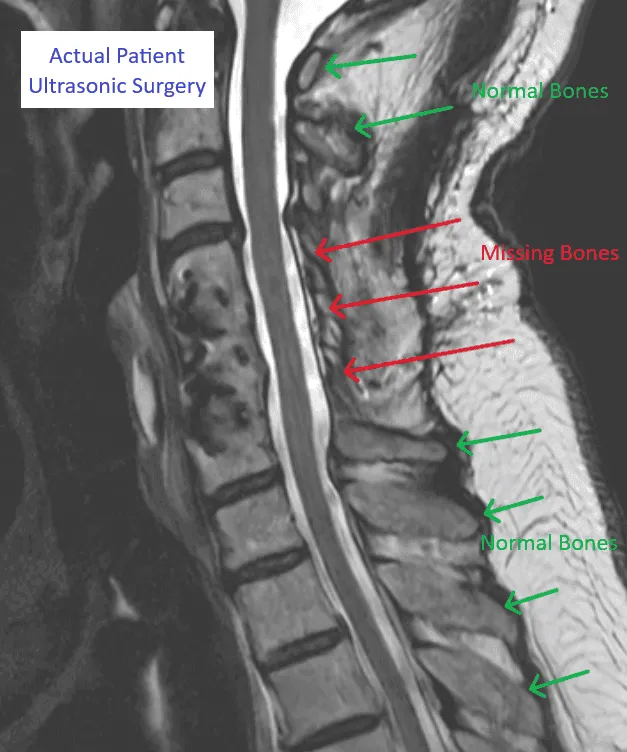
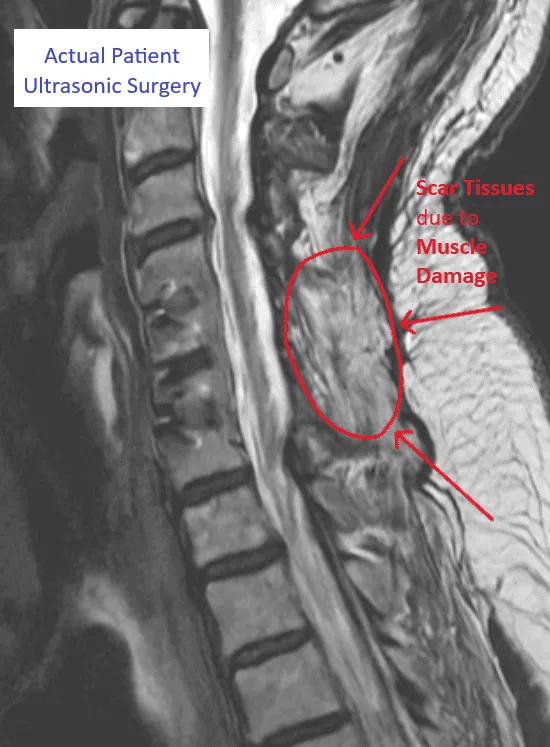
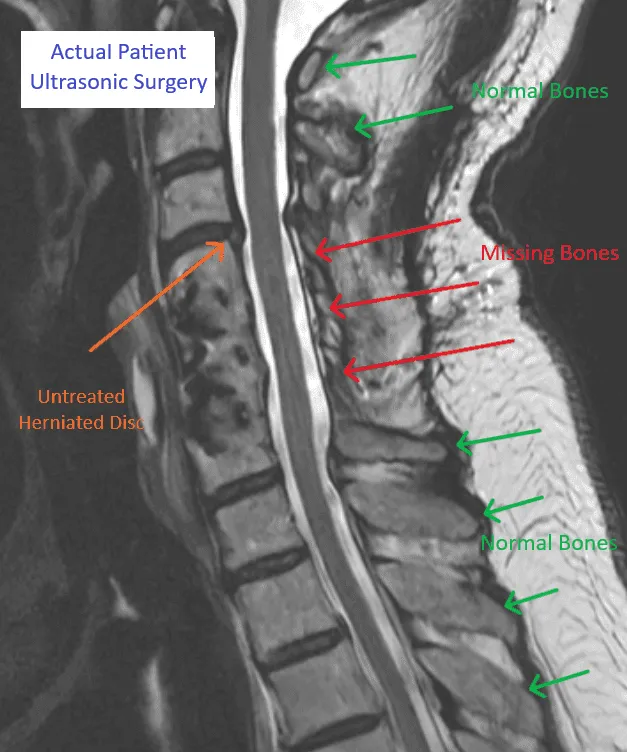
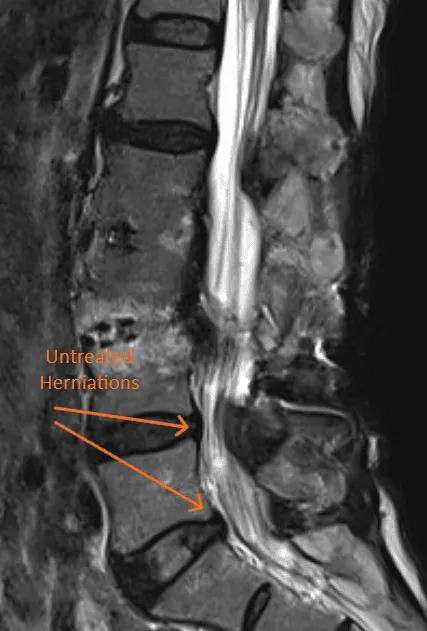
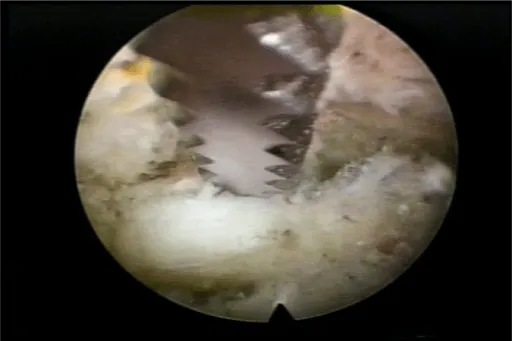
Ultrasonic Spine Treatment destroys normal bone and bone marrow from the spine using an ultrasonic probe, does not treat the actual source of pain — disc injuries — and may lead to spinal instability, excessive bleeding, and the need for additional surgery. Discover safer, minimally invasive alternatives.
⚠️ While Deuk Spine Institute can perform Ultrasonic Spine Surgery, we do not recommend it. This page explains why — learn the risks before considering this procedure.
Ultrasonic probes can damage delicate nerve roots during bone removal.
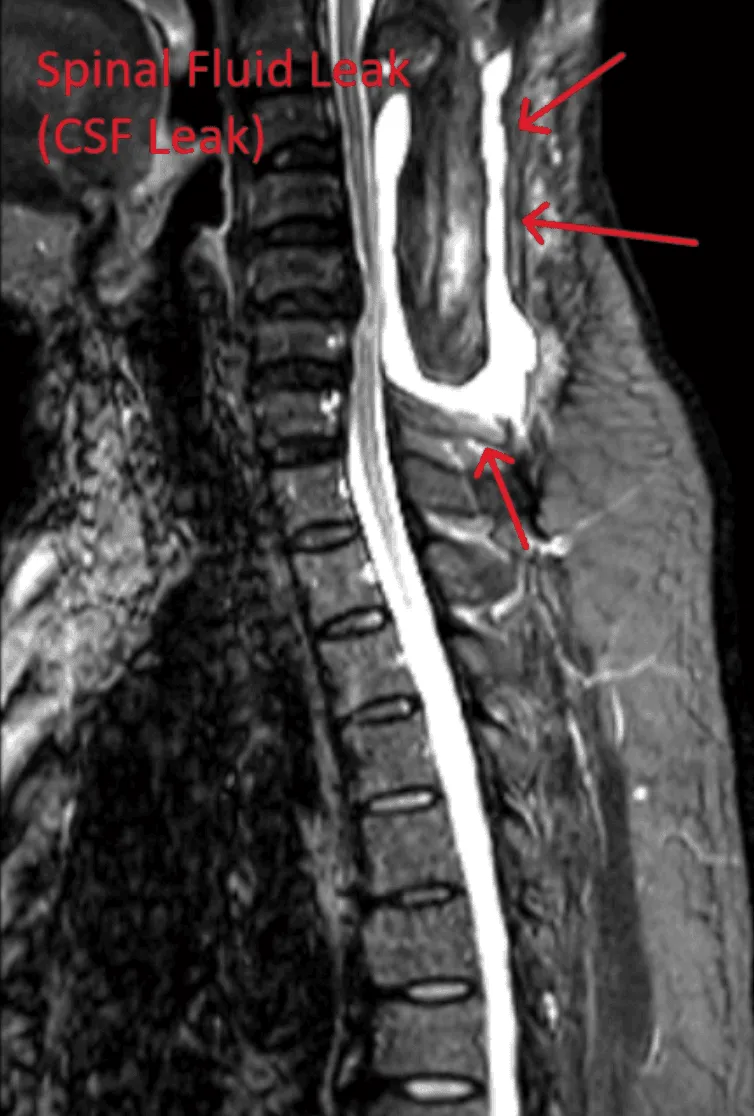
Spinal Fluid Leak
Dural tears can occur, causing cerebrospinal fluid leakage.
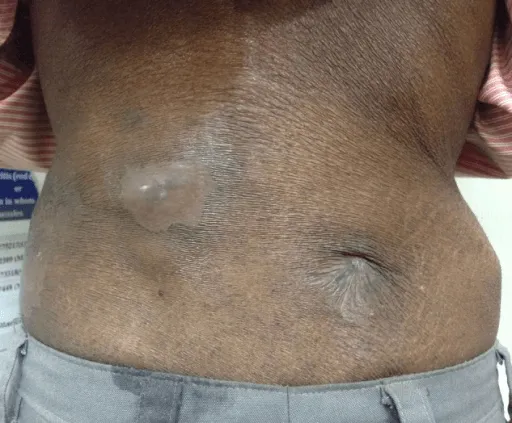
Infection of Bone or Spine
Bone destruction creates an environment susceptible to infection.
Spinal Instability
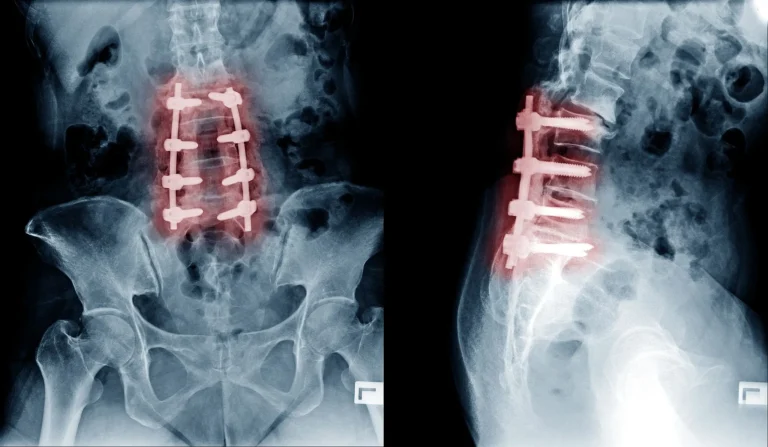
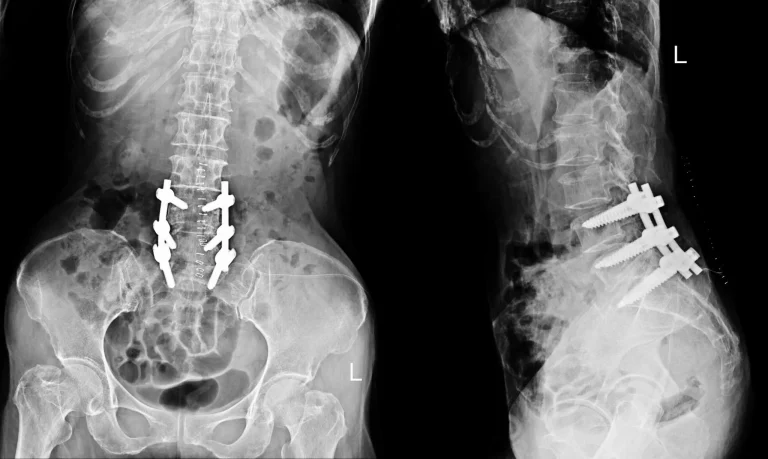
Removal of stabilizing bone can lead to spinal instability requiring fusion.
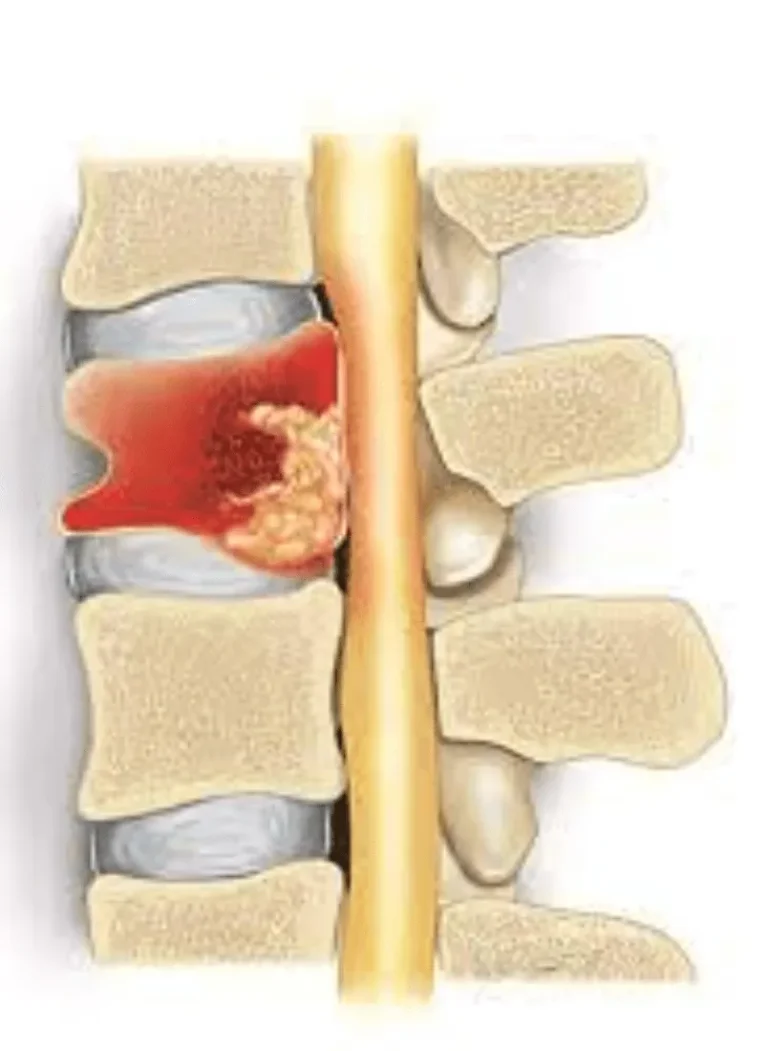
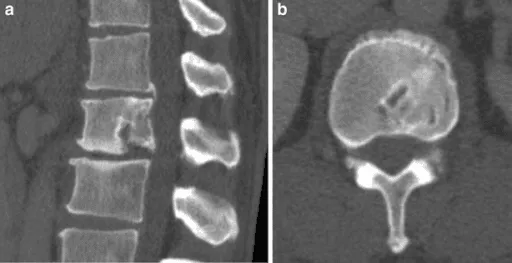
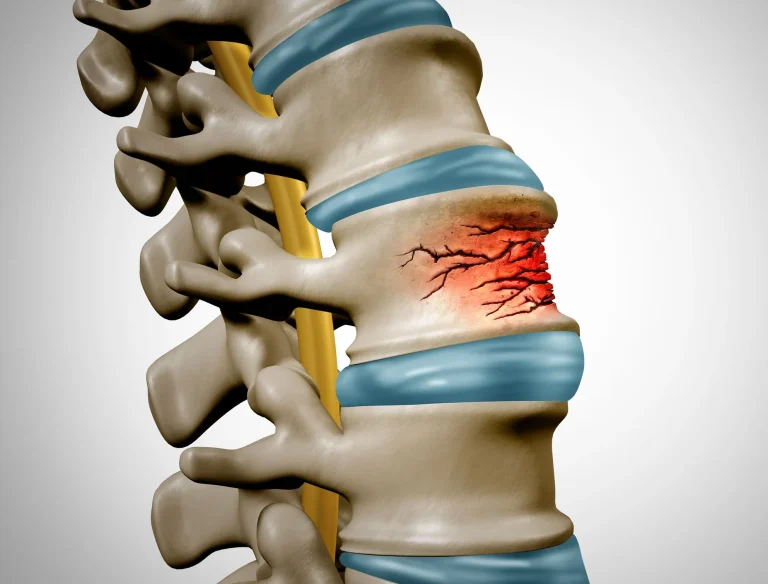
Fractured Bones in Spine
Ultrasonic energy can weaken and fracture remaining vertebral bone.
Failure to Eliminate Pain
The actual source of pain is often untreated, leaving patients in chronic pain.
WHAT WE RECOMMEND INSTEAD
Safer Alternatives to Ultrasonic Spine Treatment
Instead of destroying bone and muscles with ultrasonic probes, these minimally invasive procedures treat the actual source of pain with precision and safety.
Plasma technology for facet joint pain — precise nerve treatment without bone destruction.
A BETTER ALTERNATIVE
Deuk Laser Disc Repair®
Minimally invasive, outpatient procedure with a 0.01% complication rate and 95% patient satisfaction. No bone destruction. No muscle damage. Same-day recovery.