

By Dr. Ara Deukmedjian
Board-Certified Neurosurgeon, Deuk Spine Institute
Medically reviewed on April 28, 2026
Medical Disclaimer: This content is for educational purposes only and does not constitute medical advice. Individual results may vary. Always consult with your healthcare provider about your specific condition and treatment options.
Key Points
✓ Cervical degenerative disc disease is one of the most common causes of chronic neck pain, with chronic neck pain accounting for roughly 14.6% of all musculoskeletal complaints worldwide.
✓ The five most effective strategies for managing neck pain from disc degeneration are correcting daily posture habits, managing stress, performing low-impact movement, optimizing ergonomics, and using proper sleep support.
✓ Peer-reviewed research published in 2024 and 2025 confirms that targeted physical therapy, isometric cervical exercises, ergonomic adjustments, and supportive pillows all produce measurable reductions in neck pain and disability.
✓ Smartphone use and forward-head posture place significant mechanical load on the cervical discs, with one 2024 study finding 64.6% of heavy smartphone users reported neck pain.
✓ When conservative strategies stop providing relief, Deuk Laser Disc Repair® offers a minimally invasive option with a documented 99% pain elimination rate, 0.01% complication rate, and same-day recovery.
Finding effective neck pain relief can feel overwhelming, especially for those living with degenerative disc disease in the neck. At Deuk Spine Institute, world-renowned spine surgeon Dr. Ara Deukmedjian has helped thousands of patients overcome chronic neck pain using advanced, minimally invasive treatments and compassionate, personalized care. The strategies below are grounded in the latest peer-reviewed research and decades of clinical experience treating cervical spine disease.
Understanding Cervical Disc Degeneration
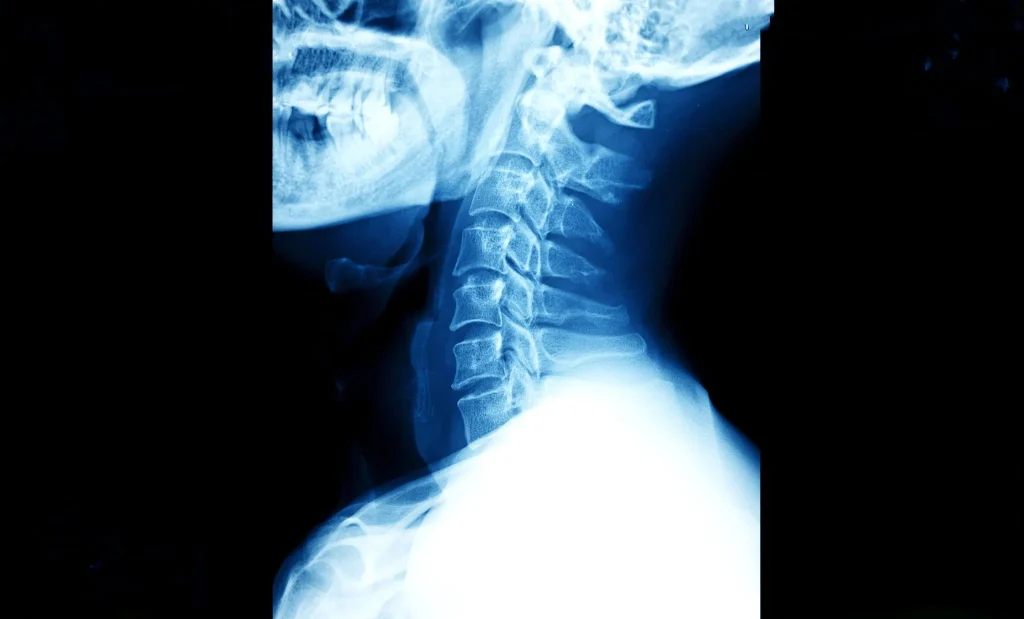
Cervical disc degeneration is a common age-related condition that affects the discs between the vertebrae in the neck. 1 The discs act as natural cushions, allowing smooth movement and absorbing shock. Over time, they can lose hydration and elasticity, which may lead to stiffness, reduced mobility, and chronic neck pain.
As degeneration progresses, the discs may weaken, bulge, or collapse, potentially compressing nerves. Compressed nerves can result in symptoms such as persistent neck pain, stiffness, radiating pain into the shoulders or arms, headaches, and a limited range of motion. Recognizing the signs of cervical disc degeneration early is crucial for making lifestyle adjustments and adopting strategies that protect the cervical spine.
A 2024 systematic review published in Cureus confirmed that cervical degenerative disc disease can progress to nerve and spinal cord compression, producing radiculopathy and myelopathy when left unaddressed. Early, consistent management of symptoms can slow that progression and protect long-term function.
Many patients suffering from these symptoms have found remarkable relief with Deuk Laser Disc Repair (DLDR)®, a minimally invasive procedure performed by Dr. Deukmedjian at the Deuk Spine Institute. This advanced treatment targets the root cause of degeneration, helping patients regain function and reduce pain effectively.
Hear Directly From a Patient Who Has Found Lasting Relief
Things to Avoid With Degenerative Disc Disease in the Neck
Managing cervical disc degeneration is not just about treatments and exercises. It is also about avoiding habits and activities that can worsen symptoms. Here are the key things to avoid with degenerative disc disease in the neck.
1. Poor Posture
Slouching, looking down at phones, or prolonged sitting without support can place extra strain on the cervical spine. Forward-head posture is especially harmful, as it increases pressure on weakened discs. 2 A 2024 cross-sectional study of 421 adult smartphone users found that 64.6% reported neck pain and 39.4% routinely held their head at a 30-degree forward flexion angle while using their devices.
2. Heavy Lifting and Sudden Twisting Motions
Lifting heavy objects incorrectly or twisting suddenly can exacerbate disc damage. Always use proper lifting techniques and avoid abrupt movements that stress the neck. 3
3. Prolonged Screen Time
Extended hours at computers, tablets, or phones reinforce poor posture and increase neck stiffness. A 2025 radiographic study published in the Journal of Spine Surgery documented measurable changes in cervical sagittal alignment during smartphone texting, with the most pronounced loading at the upper cervical segments. Taking regular breaks and keeping screens at eye level can help reduce strain.

4. Unsupportive Sleep Positions
Sleeping on your stomach or using multiple high pillows can misalign the neck and irritate degenerated discs. Opt for a cervical-support pillow and positions that maintain the natural curve of the spine.
5. High-Impact Activities
Running on hard surfaces, contact sports, or activities with repetitive jolts can aggravate cervical discs. Low-impact alternatives are safer for long-term neck health.
By understanding what triggers your pain and which habits you need to avoid, you can better protect your neck and reduce flare-ups while searching for a more permanent solution like Deuk Laser Disc Repair (DLDR)®.
Stress Management Techniques
Stress plays a major role in muscle tension, particularly in the neck and shoulders. Chronic stress can worsen inflammation, tighten muscles, and even intensify the pain associated with cervical disc degeneration. A 2025 longitudinal study published in the Brazilian Journal of Physical Therapy found that low sleep quality and insufficient physical activity, both of which are tied to chronic stress, were significant risk factors for the development of neck pain. Incorporating stress management techniques into your daily routine can help reduce pain flare-ups, improve posture, and promote better overall function. Here are some effective approaches. 4
1. Deep Breathing Exercises
Slow, controlled breathing activates the body’s relaxation response, lowering heart rate and reducing neck and shoulder muscle tension. Techniques such as diaphragmatic breathing or box breathing can be practiced anywhere, whether at your desk, during a break, or before bed. Just a few minutes daily can help calm both the mind and the muscles.
2. Mindfulness or Meditation
Mindfulness practices, including meditation, help train the brain to stay present and reduce anxiety. By calming the nervous system, these techniques can decrease stress-related neck pain, improve mental clarity, and even enhance sleep quality. Apps or guided sessions can be especially helpful for beginners.
3. Gentle Yoga or Stretching
Light yoga and targeted stretching exercises improve flexibility and relieve muscle tightness in the neck, shoulders, and upper back. 5 Poses such as cat-cow, child’s pose, and gentle neck rolls are low-impact but highly effective for maintaining mobility and improving circulation. Consistent practice can also reduce stiffness associated with cervical disc degeneration.

4. Progressive Muscle Relaxation (PMR)
PMR involves systematically tensing and then relaxing different muscle groups, from the head down to the feet. This method increases body awareness, encourages deep relaxation, and helps release the chronic tension that often builds in the neck and shoulders from stress. Regular practice can make muscles more resilient to stress-induced tightness.
5. Warm Baths or Heat Therapy for Relaxation
Applying gentle heat to the neck and shoulder area increases blood flow, eases stiffness, and promotes muscle relaxation. Warm baths, heating pads, or warm showers can also help reduce stress by providing a calming sensory experience. Combining heat therapy with light stretching can further enhance neck mobility and comfort.
Neck Pain Relief Strategies
Finding effective neck pain relief can significantly improve daily comfort, function, and overall quality of life for those living with cervical disc degeneration. The following strategies are widely recommended for reducing discomfort, protecting the spine, and supporting long-term neck health.
1. Regular Low-Impact Movement
Gentle, consistent movement is one of the most effective ways to maintain neck and upper back flexibility and strength. Low-impact exercises such as walking, swimming, cycling, or guided physical therapy routines help stabilize weakened cervical discs without adding stress. Regular movement promotes blood flow, nourishes spinal tissues, and reduces stiffness, all of which can prevent pain flare-ups.
A 2024 randomized comparative trial published in Pain Research and Management demonstrated that scapular functional and cervical isometric exercises significantly reduced pain and disability scores in patients with chronic mechanical neck pain. An earlier randomized controlled trial published in 2022 also confirmed that isometric neck exercises produced significant improvements in Neck Disability Index and Neck Pain and Disability Scale scores compared to conservative management without exercise. Even short, frequent breaks to stretch during the workday can have a meaningful impact on overall neck health.
2. Ergonomic Adjustments
Proper posture and workspace setup are critical for minimizing neck strain. Small adjustments, such as keeping computer screens at eye level, using chairs with adequate lumbar and cervical support, and positioning your phone or tablet to avoid forward-head posture, can significantly reduce daily discomfort. Incorporating standing breaks, a standing desk, supportive seating, and mindful posture checks throughout the day helps prevent the cumulative stress that worsens degenerative disc symptoms.
3. Heat and Cold Therapy
Alternating between ice and heat can provide targeted relief for acute and chronic neck pain. Ice therapy helps reduce inflammation during flare-ups, while heat relaxes tight muscles, improves blood flow, and promotes healing. For best results, apply ice for 10 to 15 minutes during acute pain and heat for 15 to 20 minutes to relieve stiffness. Combining these therapies with gentle stretching or movement can further enhance comfort and mobility.
4. Physical Therapy Exercises
Customized physical therapy exercises are essential for long-term relief of neck pain. A licensed therapist can design a program that strengthens supporting muscles, improves posture, and gently increases range of motion. Targeted exercises such as cervical stabilization, scapular strengthening, and gentle stretching help reduce pressure on degenerated discs.

A 2025 systematic review published in the Journal of Clinical Medicine found that paraspinal muscle health is closely tied to functional outcomes in patients with cervical degenerative disc disease, reinforcing the importance of targeted strengthening. Regular sessions, combined with at-home exercises, empower patients to maintain spinal stability and prevent future flare-ups.
5. Proper Sleep Support
Quality sleep plays a vital role in healing and spinal health. Using a cervical support pillow and a mattress that maintains neutral spine alignment can prevent nighttime neck strain and morning stiffness. A 2025 systematic review published in the Journal of Bodywork and Movement Therapies concluded that appropriately designed cervical pillows can reduce pain and disability scores while improving sleep quality in patients with chronic neck pain.
Ideal sleep positions, such as sleeping on your back or side with neck support, help maintain the natural curve of the cervical spine, reduce pressure on discs, and promote restorative rest. Establishing a consistent sleep routine and creating a comfortable sleep environment also contribute to long-term pain management.
Discover your options with a free 10 minute virtual consultation with Dr. Deuk

When Conservative Care Is Not Enough
Conservative treatments work well for many patients, especially in the early stages of cervical disc degeneration. However, when symptoms persist beyond several months despite consistent self-care, physical therapy, and ergonomic adjustments, more advanced treatment may be needed.
Deuk Laser Disc Repair® is a proprietary endoscopic laser procedure developed by Dr. Deukmedjian to treat the inflamed tissue and torn annular fibers that cause discogenic neck pain, without removing the disc, fusing the spine, or implanting hardware. The procedure is performed through a 4mm to 7mm incision under local anesthesia with light sedation, takes approximately 20 minutes per disc, and allows most patients to walk within an hour and return home the same day.
Across more than 2,700 Deuk Laser Disc Repair® procedures, current outcomes document a 99% pain elimination rate, a 0.01% complication rate, and a 0% infection rate. A peer-reviewed prospective study of cervical Deuk Laser Disc Repair® reported a 94.6% success rate with no perioperative complications.
Living With Degenerative Disc Disease in the Neck
Living with degenerative disc disease in the neck often requires a combination of lifestyle changes, self-care routines, mindful movement, and medical interventions. While the condition is typically chronic, many people manage symptoms successfully and maintain a high quality of life.
The key is consistency. Regular stretching, ergonomic awareness, stress reduction, and avoiding activities that strain the cervical spine all add up over time. Understanding what to avoid and how to care for your neck can make a significant difference in managing cervical disc issues. By recognizing stress triggers, practicing healthy movement patterns, and strengthening overall spine health, you can live more comfortably and confidently with degenerative disc disease in the neck while searching for a more permanent solution.
When to Seek Medical Attention
See a spine specialist if you experience:
- Neck pain radiating into the arms or hands
- Numbness, tingling, or muscle weakness in the upper extremities
- Persistent headaches originating at the base of the skull
- Symptoms that have not improved after several weeks of conservative care
Seek emergency care immediately for:
- Sudden loss of bladder or bowel control
- Rapidly progressive weakness in the arms or legs
- Loss of fine motor control (such as buttoning a shirt or handwriting)
- Difficulty walking or balance problems
These symptoms can indicate severe cord compression and require urgent evaluation.
Make Your First Pain-Free Move
Deuk Spine Institute’s proprietary DLDR® is performed without cutting or damaging healthy muscle, fascia, or bone, without using risky hardware, and without post-operative pain. Unlike anterior cervical discectomy with fusion or laminectomy, there are no implants and no fusion. Best of all, the DLDR® procedure takes less than an hour, and recovery takes less than three days.
Upload your latest MRI for a free review and a personal consultation with Ara Deukmedjian, M.D., founder of Deuk Spine Institute and creator of the Deuk Laser Disc Repair® procedure.
Frequently Asked Questions
What activities should I avoid if I have degenerative disc disease in my neck?
People with cervical degenerative disc disease often benefit from avoiding movements and habits that strain the neck. This includes poor posture (such as hunching over a laptop or phone), repetitive overhead lifting, sudden twisting motions, and high-impact activities such as running on hard surfaces or contact sports. Recent research also points to prolonged smartphone use in a flexed-neck position as a significant aggravating factor, with one 2024 cross-sectional study finding that 64.6% of heavy smartphone users reported neck pain.
Can stress make my neck pain worse?
Yes. Stress causes muscle tension, particularly around the neck and shoulders, which can intensify pain related to degenerative disc disease. A 2025 longitudinal study identified low sleep quality and insufficient physical activity, both of which are linked to chronic stress, as significant risk factors for neck pain. Techniques such as deep breathing, mindfulness, gentle yoga, and progressive muscle relaxation can help reduce tension and calm the nervous system.
What treatments help temporarily relieve neck pain from degenerative disc disease?
A combination of approaches usually works best. Many people find relief through targeted physical therapy, isometric and stabilization exercises, ergonomic adjustments, heat or cold therapy, supportive cervical pillows, and over-the-counter anti-inflammatory medications. Recent randomized controlled trials confirm that structured exercise programs can produce measurable improvements in neck pain and disability scores within 4 to 12 weeks.
When should I consider surgery for cervical disc disease?
Surgery should be considered when symptoms persist or worsen despite several months of consistent conservative care, when nerve compression causes significant arm pain, weakness, or numbness, or when imaging confirms structural problems consistent with the symptoms. Minimally invasive options like Deuk Laser Disc Repair® preserve native disc tissue and motion, avoid fusion, and offer same-day recovery, making them a strong alternative to traditional ACDF or laminectomy for properly selected patients.
Sources
- Cleveland Clinic. Degenerative Disk Disease. https://my.clevelandclinic.org/health/diseases/16912-degenerative-disk-disease
- Mahmoud NF, et al. The Relationship Between Forward Head Posture and Neck Pain. PubMed. https://pubmed.ncbi.nlm.nih.gov/31773477/
- OSHA. Proper Lifting Techniques. https://www.osha.com/blog/proper-lifting-techniques
- Mayo Clinic. Stress Relievers: Tips to Tame Stress. https://www.mayoclinic.org/healthy-lifestyle/stress-management/in-depth/stress-relievers/art-20047257
- Harvard Health Publishing. The Safe Way to Do Yoga for Back Pain. https://www.health.harvard.edu/healthy-aging-and-longevity/the-safe-way-to-do-yoga-for-back-pain