By Dr. Ara Deukmedjian
Board-Certified Neurosurgeon, Deuk Spine Institute
Medically reviewed on April 8, 2026
Medical Disclaimer: This content is for educational purposes only and does not constitute medical advice. Individual results may vary. Always consult with your healthcare provider about your specific condition and treatment options.
Key Points
✓ Deuk Plasma Rhizotomy® is a minimally invasive, outpatient procedure that permanently eliminates chronic joint pain by targeting and disrupting the sensory nerves responsible for transmitting pain signals.
✓ The procedure is backed by US Patent US11937869B1, which outlines a specialized multi-directional wanding technique that allows for more complete nerve disruption than traditional fixed-point treatments.
✓ Unlike joint replacement or spinal fusion, Deuk Plasma Rhizotomy® preserves the natural structure and full range of motion of the joint while still delivering long-term relief.
✓ Most procedures are completed in under 30 minutes, with patients returning home the same day and resuming normal activities within 24 hours.
✓ The procedure can treat pain in multiple areas of the body, including the spine, knee, hip, shoulder, and ankle making it a versatile alternative for patients who have not found lasting relief through conservative treatments.
✓ Traditional approaches such as steroid injections, radiofrequency ablation, and pain medications often fail to deliver permanent results because nerves regenerate. Deuk Plasma Rhizotomy® is designed to break that cycle.
Chronic joint pain affects millions of people, limiting mobility, reducing quality of life, and often leading to invasive procedures that don’t provide lasting relief. For Dr. Ara Deukmedjian, this ongoing problem sparked a breakthrough innovation.
His first patented technology, documented under US11937869B1, introduced a new way to treat pain at its source. This innovation became the foundation for Deuk Plasma Rhizotomy®, a minimally invasive procedure designed to permanently eliminate joint pain without removing or replacing the joint.
What Is Deuk Plasma Rhizotomy®
Deuk Plasma Rhizotomy® (DPR) is an advanced, minimally invasive procedure that targets and eliminates the sensory nerves responsible for chronic joint pain. 1
Unlike traditional treatments that focus on managing symptoms, this procedure addresses the root cause by stopping pain signals before they reach the brain.
Key Features
- Minimally invasive outpatient procedure
- Targets sensory nerves causing pain
- No implants or hardware required
- Preserves natural joint structure and motion
- Fast recovery with minimal downtime
Understanding the Patent US11937869B1
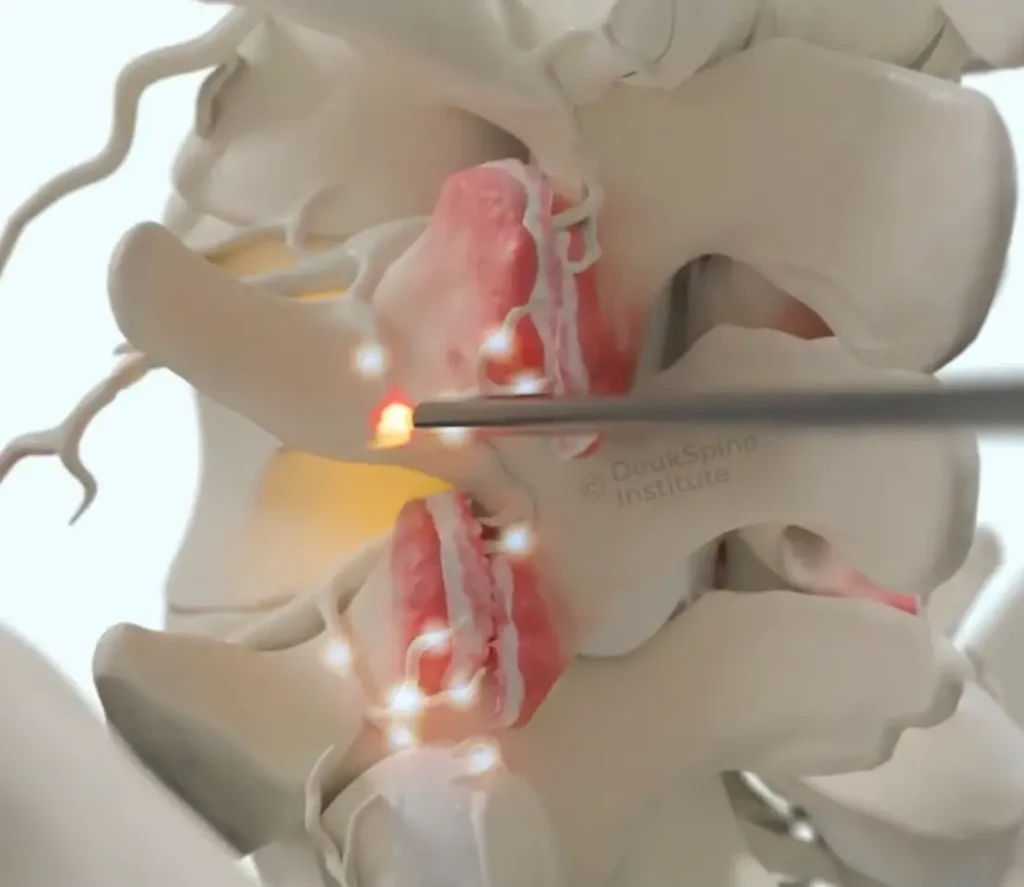
The patent behind Deuk Plasma Rhizotomy® outlines a specialized method for performing a rhizotomy using a controlled energy delivery system.
Core Innovation
According to the patent, the procedure involves:
- Inserting a probe through a small incision
- Positioning the probe adjacent to a target nerve
- Delivering controlled energy to disrupt the nerve
- Moving the probe in multiple directions to fully treat the nerve pathway
This “multi-directional wanding technique” is a critical advancement. It allows for more complete nerve disruption compared to traditional fixed-point treatments.
Why This Matters for Patients
- More precise targeting of pain-causing nerves
- Greater likelihood of long-term pain relief
- Reduced chance of incomplete treatment
Why Traditional Treatments Fall Short
Before innovations like Deuk Plasma Rhizotomy®, patients relied on treatments such as:

- Pain medications
- Steroid injections
- Physical therapy
- Radiofrequency ablation
- Spinal fusion or joint replacement
These approaches often fail to deliver permanent results. In many cases, nerves regenerate, and pain returns.
Deuk Plasma Rhizotomy® was designed to break that cycle.
Benefits of Deuk Plasma Rhizotomy®
Long Lasting Pain Relief
By directly targeting and eliminating sensory nerves, the procedure aims to provide sustained relief rather than temporary improvement.
Precision Technology
The use of advanced energy delivery allows for controlled, targeted treatment with minimal impact on surrounding tissue.
Motion Preservation
Unlike joint replacement or spinal fusion, the natural joint remains intact and functional. 2
Fast Recovery
Most procedures are completed in under 30 minutes, with patients returning home the same day and resuming normal activities quickly.
Conditions Treated
Deuk Plasma Rhizotomy® can be used to treat pain in multiple areas of the body, including:
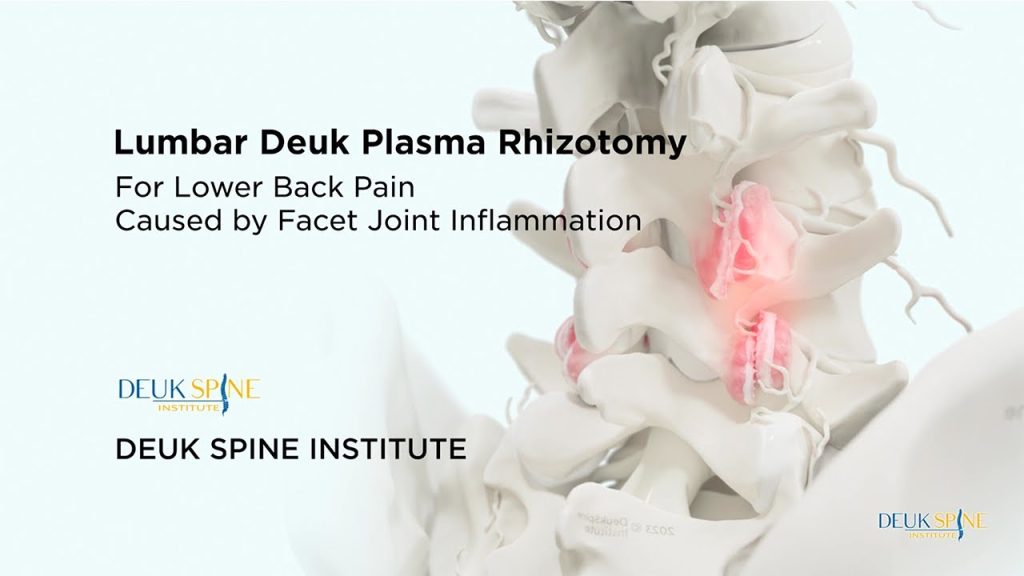
- Spine facet joint pain
- Knee arthritis
- Hip joint pain
- Shoulder pain
- Ankle joint pain
This versatility makes it a valuable option for patients seeking alternatives to surgery.
How This Innovation Is Changing Spine and Joint Care
The development of US11937869B1 represents a major shift in how chronic pain is treated.
Instead of altering the structure of the body, this approach focuses on the nervous system. By eliminating the pathway that transmits pain, patients can maintain normal function without discomfort. Watch a testimonial from a patient that has gone through the Deuk Plasma Rhizotomy® and is now pain free.
This shift from structural intervention to nerve-based treatment is redefining modern spine and joint care.
Conclusion
Innovation in medicine happens when someone challenges the status quo. For Dr. Ara Deukmedjian, that challenge led to the development of a solution that is transforming how chronic joint pain is treated. 3
Deuk Plasma Rhizotomy®, built on the foundation of US11937869B1, offers a new path forward. One that focuses on precision, preservation, and long-term relief.
For patients seeking alternatives to invasive surgery, this innovation represents more than a procedure. It represents a shift toward truly solving pain at its source. 4
Frequently Asked Questions
-
Is Deuk Plasma Rhizotomy® permanent?
The goal of the procedure is long-term or permanent pain relief by eliminating the targeted sensory nerves.
-
Is the procedure safe?
It is minimally invasive and designed to reduce risks associated with traditional surgery.
-
How long does recovery take?
Most patients resume normal activities within 24 hours.
-
Who is a candidate?
Patients with chronic joint pain who have not found relief through conservative treatments may be candidates.