Key Points
✓ Patent US12239362B2 refines the wanding technique — rather than holding the probe in a fixed position, the surgeon moves it through the treatment zone to achieve more complete nerve disruption and reduce the likelihood of pain returning.
✓ Deuk Plasma Rhizotomy® targets the source of pain directly — plasma energy is used to permanently disrupt the sensory nerves transmitting pain signals, rather than masking symptoms with injections or medications.
✓ The procedure is minimally invasive and image-guided — a small incision and real-time imaging allow for precise targeting of affected nerves while protecting surrounding tissue, muscle, and bone.
✓ Patients can have their pain treated across multiple areas of the body — facet joints in the cervical, thoracic, and lumbar spine, as well as knees and other arthritic joints, can all be addressed using this patented approach.
✓ Recovery is measured in hours, not weeks — the outpatient procedure is designed for same-day discharge, with most patients returning to normal activity quickly and without reliance on opioid medications.
✓ Dr. Ara Deukmedjian’s innovation addresses a critical gap in care — with back pain affecting nearly 39% of U.S. adults and chronic pain rates climbing sharply with age, this refined technique offers a durable, patient-centered alternative to traditional surgery.
Chronic joint and spine pain affects millions of people. According to the CDC’s National Health Interview Survey, nearly 39% of U.S. adults reported back pain in a recent three-month period, yet many treatments only provide temporary relief. 1 Dr. Ara Deukmedjian being a spine specialist understands the gap in effective care for back pain became the driving force behind continuous innovation. His second patent, US12239362B2, represents a major improvement in minimally invasive spine surgery and nerve pain treatment.
This refined approach to Deuk Plasma Rhizotomy® improves precision, consistency, and long-term outcomes by enhancing how pain-causing nerves are treated at their source.
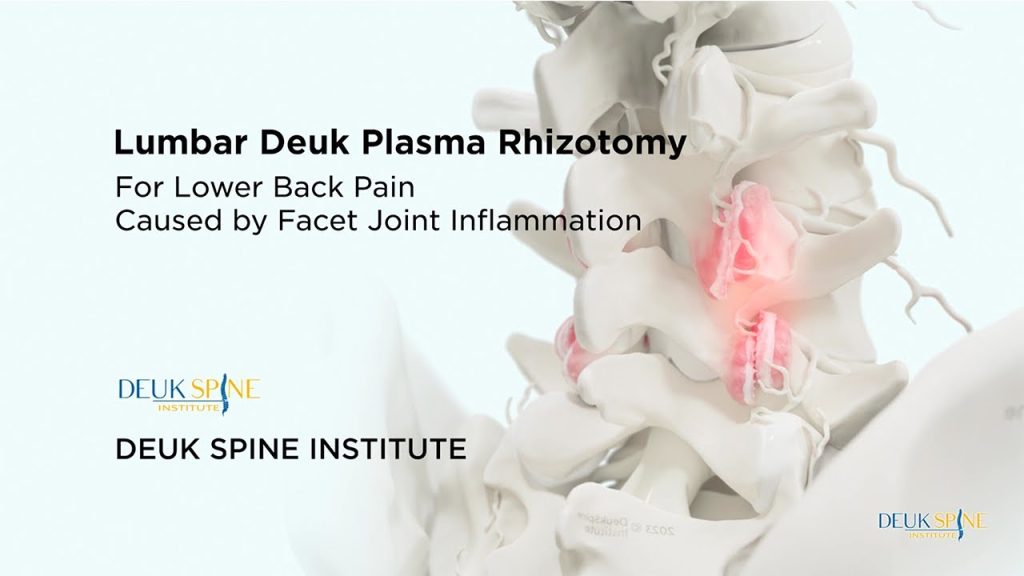
Deuk Plasma Rhizotomy® is a minimally invasive procedure designed to eliminate chronic pain by targeting sensory nerves responsible for transmitting pain signals. Unlike traditional spine treatments such as spinal fusion, steroid injections, or long-term medication use, this procedure focuses on directly treating the source of pain. By using plasma energy to disrupt pain-transmitting nerves, the procedure offers a more targeted and efficient alternative for patients seeking relief from back pain, neck pain, and joint pain, which are conditions that radiofrequency-based approaches have long sought to address. 2 The Deuk Plasma Rhizotomy® stops signals from pain nerves.
The Second Patent US12239362B2
The second patent, US12239362B2, introduces an important technical refinement that enhances the effectiveness of the DPR®.
This patent focuses on improving how energy is delivered to the nerve through a technique known as wanding. Instead of keeping the probe in a fixed position, the surgeon moves the probe tip within the treatment area to ensure more complete nerve disruption.
Key Features of the Patent
- Controlled probe movement within the treatment zone
- Image guided precision targeting of affected nerves
- Enhanced disruption of pain transmitting pathways
- Minimally invasive approach with improved consistency
These features are described within the patent documentation and represent a refinement of earlier rhizotomy techniques.
Why the Wanding Technique Improves Pain Relief
Traditional nerve ablation procedures may leave portions of a nerve untreated, and often the nerve will eventually regenerate. In some cases, joint pain can return as a result of static or incomplete probe positioning. 3 The wanding technique described in the Deuk Plasma Rhizotomy patent improves treatment coverage by allowing movement of the probe across the nerve pathway. This method enhances precision, improves consistency, and reduces the likelihood of incomplete nerve disruption.
Benefits of Deuk Plasma Rhizotomy for Patients
With the refinements introduced in Dr. Ara Deumedjian’s patent. Patients can experience several benefits supported by minimally invasive spine research.
- Long lasting pain relief
- Faster recovery compared to traditional surgery
- Reduced reliance on pain medications
- Lower complication rates
- Treats pain in the Facet joints in the neck, back & knees
Minimally invasive spine procedures are widely associated with shorter recovery times, less post-surgical pain due to limited muscle and tissue damage, and reduced risk of infection compared to open surgery. 4
Conclusion
Through the development of US12239362B2, Ara Deukmedjian, MD has refined the technique to improve precision, consistency, and long-term effectiveness. As chronic pain disproportionately affects older populations, with rates rising from 12.3% among those aged 18 to 29 to 36% among those 65 and older, innovations like this continue to shape the future of spine care for patients seeking minimally invasive solutions. 5 submit your MRI for a free virtual consultation with Dr. Deuk. And discover minimally invasive options to end your back or neck pain for good.
Frequently Asked Questions
-
What is Deuk Plasma Rhizotomy used for
Deuk Plasma Rhizotomy® is used to treat chronic spine and joint pain by targeting the nerves responsible for transmitting pain signals.
-
What makes the second patent different
The second patent, US12239362B2, introduces the wanding technique, improving nerve coverage and effectiveness.
-
Is Deuk Plasma Rhizotomy permanent
The procedure is designed to interrupt pain signals long term by disabling sensory nerves, though results may vary.
-
How is this different from radiofrequency ablation
Both procedures target nerves, but Deuk Plasma Rhizotomy® uses plasma energy and refined probe movement for improved precision.
-
Is the procedure minimally invasive
Yes, it is performed through a small incision using image guidance, which helps reduce tissue damage and recovery time.
-
What is recovery like after the procedure
Recovery is typically faster than traditional spine surgery, with many patients resuming activities relatively quickly.
-
Who is a candidate for this procedure
Candidates are individuals with chronic pain who have not responded to conservative treatments such as physical therapy or injections.
Sources
- https://www.cdc.gov/nchs/products/databriefs/db415.htm
- https://mayfieldclinic.com/pe-rf_ablation.htm
- https://www.ucsfhealth.org/care/treatments/radiofrequency-ablation
- https://my.clevelandclinic.org/health/treatments/17235-minimally-invasive-spine-surgery
- https://www.cdc.gov/nchs/products/databriefs/db518.htm