By Dr. Ara Deukmedjian
Board-Certified Neurosurgeon
Medically reviewed on May 27, 2026
Medical Disclaimer: This content is for educational purposes only and does not constitute medical advice. Individual results may vary. Always consult with a qualified spine specialist about your specific condition and treatment options.
Key Points
✓ “Success” is not one number. Spinal fusion success rates published in peer-reviewed literature range from 16% to 95% depending on how success is defined (radiographic fusion, pain reduction, functional improvement, or patient satisfaction). The average satisfactory outcome rate across studies is approximately 68%. ¹ ²
✓ A landmark 10-year prospective randomized study found that cervical artificial disc replacement (ADR) had an 81% overall success rate compared to 66% for ACDF (anterior cervical discectomy and fusion). ³ Lumbar disc replacement satisfaction rates range from 75.5% to 93.3% at mid- to long-term follow-up, with a pooled reoperation rate of 12.1%. ⁴
✓ The Deuk Laser Disc Repair® (DLDR) has achieved a 99% pain relief for treated pain sources across more than 2,700+ DLDR® procedures with 0.01% complication rate over more than 20 years of clinical use.
✓ Fusion produces the highest rate of long-term sequelae of the three procedures. Symptomatic adjacent segment disease affects 5–18% of fusion patients within 4–14 years, the reoperation rate for symptomatic ASD after cervical fusion is 6.57%, and 8% to 40% of lumbar fusion patients develop recurring or difficult-to-manage pain after surgery. ⁶ ⁷ ⁸
✓ The three procedures are not interchangeable. They are different operations that do different things to the spine. The “best” success rate is only meaningful when the procedure is correctly matched to the underlying anatomic problem.

Spine Surgery at L4-L5: Understanding The Numbers
The L4-L5 disc is the most commonly herniated, most frequently operated, and most heavily studied disc in the human spine. It sits at the bottom of the lumbar curve, absorbs more axial load than any other segment, and is the level at which fusion, disc replacement, and laser spine surgery are most often considered. If a surgeon has recommended a procedure at L4-L5 (or its close neighbor L5-S1), the success rate of the operation being proposed is the single most important number in your decision.
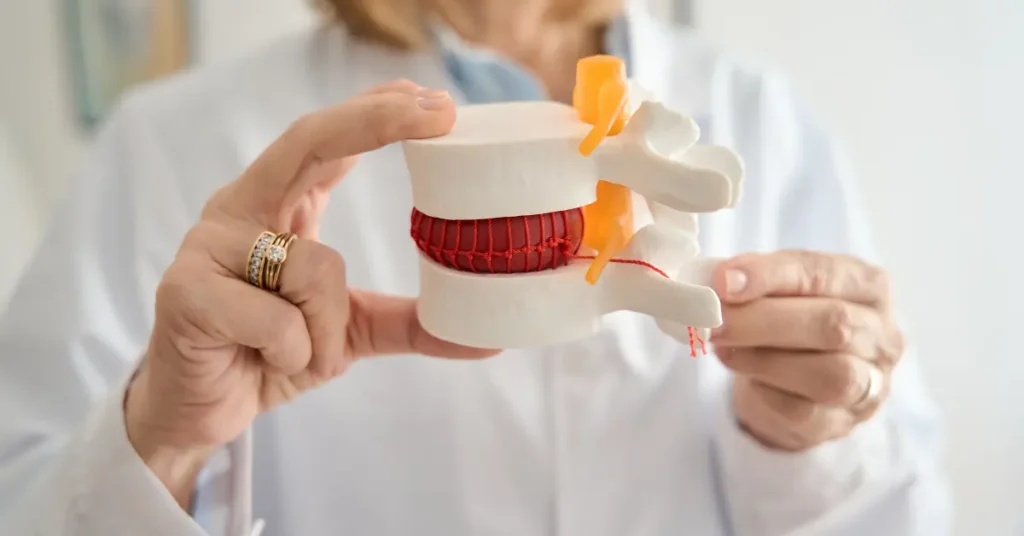
But that number can mean different things. It depends on how success was defined, who was included in the study, how long patients were followed, and whether the right operation was chosen for the right patient in the first place.
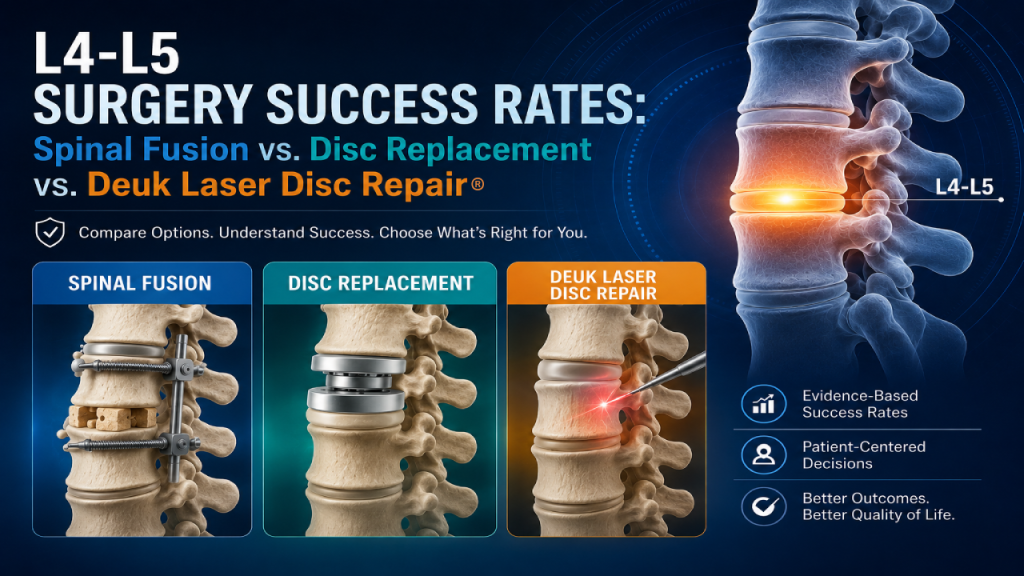
Here is what the published data actually shows when you stack the three procedures next to each other at the L4-L5 level (and across the lumbar and cervical spine more broadly):
- Spinal fusion: wide variability (16% to 95%), average satisfactory outcome around 68%, with the highest long-term complication and revision burden of the three. ¹ ²
- Artificial disc replacement: roughly 75% to 93% satisfaction in lumbar studies, 81% overall success at 10 years for cervical disc replacement (compared to 66% for fusion), with moderate reoperation rates. ³ ⁴
What “Success” Actually Means in Spine Surgery
Before comparing the procedures, the definition of “success” itself has to be addressed. A 2025 review of spinal surgery outcomes found that reported success rates in fusion, discectomy, decompression, and deformity correction range from 60% to 95% and that the variation is driven primarily by how each study defined success. ²
How “Success” Is Actually Measured
Not every definition of a successful spine surgery means the same thing. Here is what each metric captures — and what it leaves out.
A fusion patient whose bones healed on a CT scan but who still cannot work because of chronic pain is “successful” by one definition and a failure by every other. When you read a spine surgery success rate, the first question to ask is: How is success defined?
Spinal Fusion: The Most Common, The Most Variable
Spinal fusion is the most performed major spine procedure in the United States. It is also the most variable in reported outcomes.
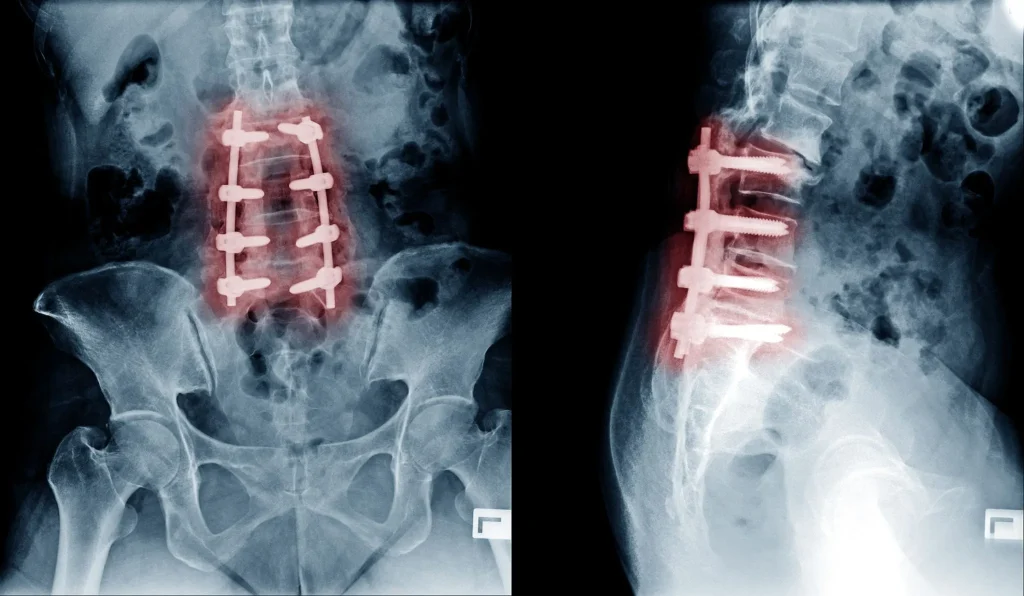
Radiographic Fusion Rates Are High. Clinical Outcomes Are Not.
Modern lumbar fusion studies using strict imaging criteria report fusion rates of 90.5% to 95.3% at 12 to 24 months. ⁹ ¹⁰ This sounds impressive, but radiographic fusion is the easiest box to check. The harder question is whether the patient feels better. There, the picture is muddier.
A frequently cited review of 47 lumbar fusion studies found that, on average, 68% of patients had a satisfactory outcome after fusion, with a range from 16% to 95%. ¹ The same review noted that satisfactory outcome rates were lower in prospective studies than in retrospective ones, meaning that the more rigorously a study was designed, the worse fusion looked. Pseudoarthrosis (failed fusion) was reported in 14% of patients, and chronic donor site pain in 9%. ¹
Adjacent Segment Disease Is the Trade-Off Nobody Discusses Up Front
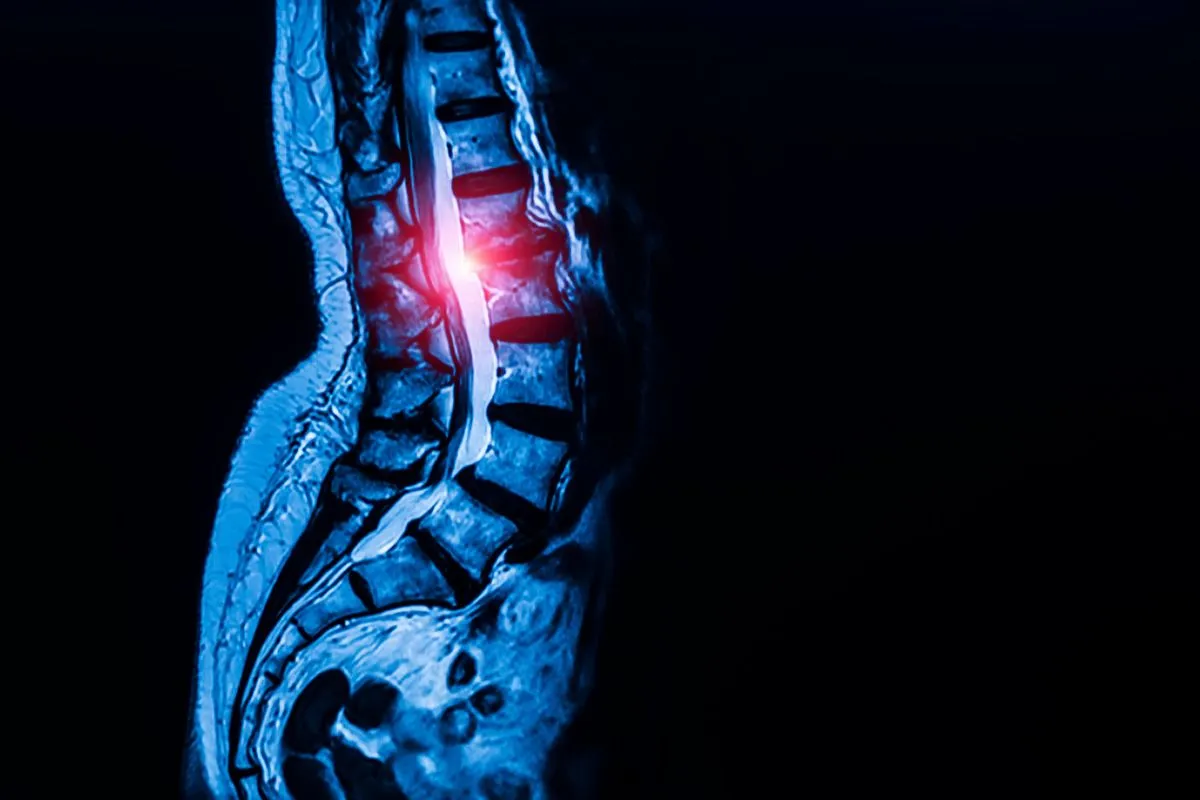
When two vertebrae are bolted together, the joints above and below absorb the motion that the fused segment no longer can. Over years, those joints wear out faster than they otherwise would. This is called adjacent segment disease (ASD), and it is the single most important long-term cost of fusion.
The published rates: ⁶ ⁷
- Symptomatic ASD in 5% to 18% of fusion patients within 4 to 14 years
- Reoperation rate for symptomatic ASD after cervical fusion: 6.57%, peaking at 8.12% in patients aged 30 to 39
- ASD reoperation rates are highest in younger patients, who have more years of life remaining for the adjacent levels to fail
Failed Back Surgery Syndrome After Fusion
Between 8% and 40% of lumbar fusion patients develop recurring or difficult-to-manage leg and back pain after surgery, a condition known as Failed Back Surgery Syndrome (FBSS). ⁸ Once FBSS develops, revision spine surgery has substantially lower odds of success. Each subsequent operation has a lower probability of helping than the one before it.
The Bottom Line on Fusion Success Rates
- Radiographic fusion at 12–24 months: approximately 90–95% ⁹ ¹⁰
- Average satisfactory clinical outcome: approximately 68% (range 16–95%) ¹
- Long-term reoperation rate at 10 years: roughly 7.5% ¹¹
- Symptomatic adjacent segment disease (4–14 yr): 5–18% ⁶
- Chronic pain after surgery (FBSS): 8–40% ⁸
Artificial Disc Replacement: Better Than Fusion in Most Comparisons
Artificial disc replacement (ADR), also called total disc replacement (TDR) or disc arthroplasty, takes the opposite approach to fusion. Instead of eliminating motion at the painful segment, it inserts a mechanical implant designed to preserve motion.
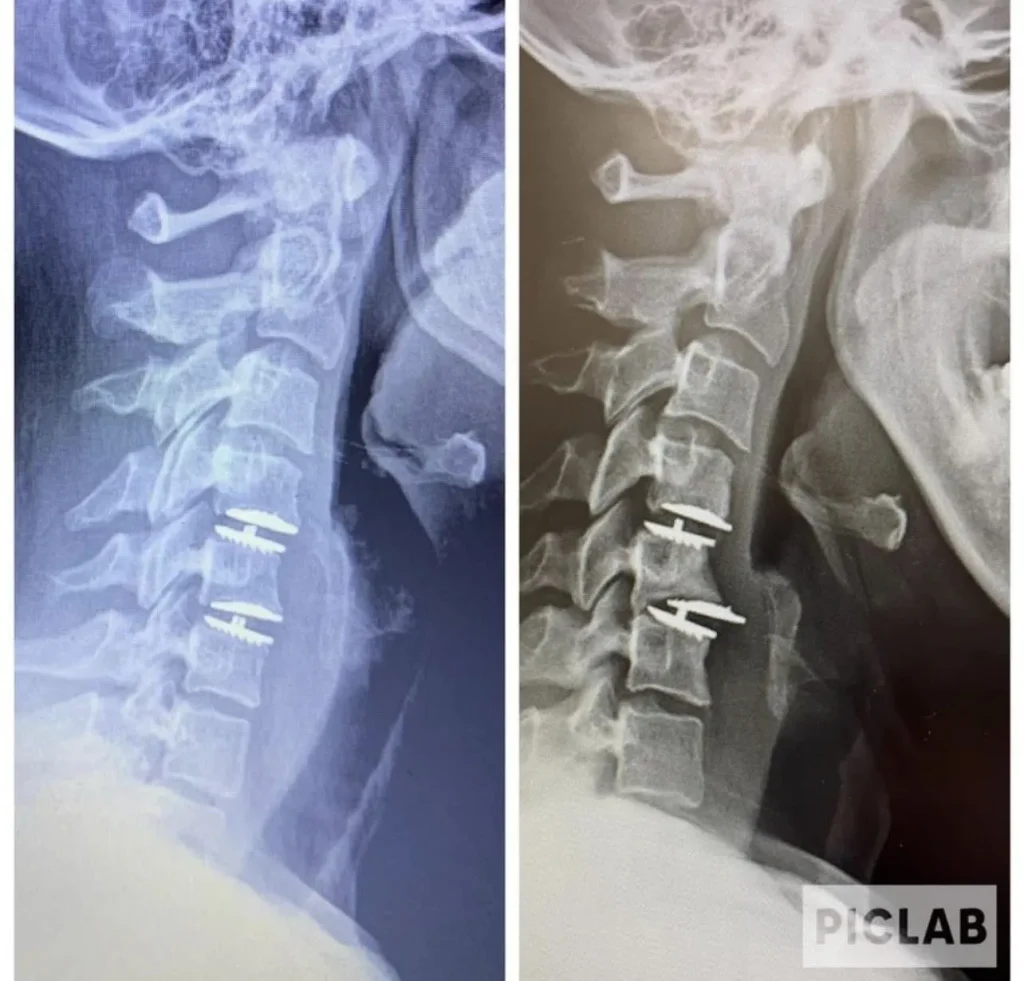
Cervical Disc Replacement: A Decade of Superiority Over Fusion
The strongest disc replacement data comes from the cervical spine, where multiple randomized controlled trials have followed patients for a decade or more.
The most cited finding: a 10-year prospective randomized study comparing cervical ADR to ACDF in 232 patients reported an overall success rate of 81% for ADR versus 66% for ACDF. ³ The rate of secondary surgery at adjacent levels was lower in the ADR group (10% versus 16%). A meta-analysis of 11 randomized controlled trials and over 3,500 patients reached the same conclusion: ADR was superior to ACDF on overall composite success, neck disability index, neurological success, and reduction of symptomatic adjacent segment degeneration. ¹²
Lumbar Disc Replacement: Good Outcomes, Stricter Patient Selection
Lumbar disc replacement has a more complicated history. A 2018 systematic review of 13 studies and 946 patients with at least 3 years of follow-up found: ⁴
- VAS pain score improvement: 51.1% to 70.5%
- Patient satisfaction: 75.5% to 93.3%
- Complication rate: 0% to 34.4%
- Reoperation rate: 12.1%
A separate 7.4-year prospective study with a 90% follow-up rate reported a satisfaction rate of 86.3% combined (63.6% highly satisfied + 22.7% satisfied), an overall complication rate of 14.4%, and a revision rate of 7.2%. ¹³ A more recent long-term study of total lumbar disc prostheses reported 77.69% of patients rating their outcome a perfect 10/10, a complication rate of just 3.08%, and a reoperation rate of 12.31% with no prosthesis revisions. ¹⁴
What Disc Replacement Doesn’t Solve
Disc replacement preserves motion, which is the entire point. But it still:
- Requires an anterior surgical approach with its own complication profile
- Involves placing permanent hardware that can wear, subside, or migrate
- Cannot be performed on patients with significant facet joint disease, instability, or osteoporosis
- Has a non-trivial revision rate, and revision of a failed disc replacement is one of the more challenging operations in spine surgery
The Bottom Line on Disc Replacement Success Rates
- Cervical ADR overall success at 10 years: approximately 81% (vs. 66% for ACDF) ³
- Lumbar TDR patient satisfaction: 75.5%–93.3% at 3+ year follow-up ⁴
- Lumbar TDR complication rate: typically 3–14% in well-designed studies ¹³ ¹⁴
- Lumbar TDR reoperation rate: approximately 12% overall ⁴
Deuk Laser Disc Repair®: A Different Procedure With Different Numbers
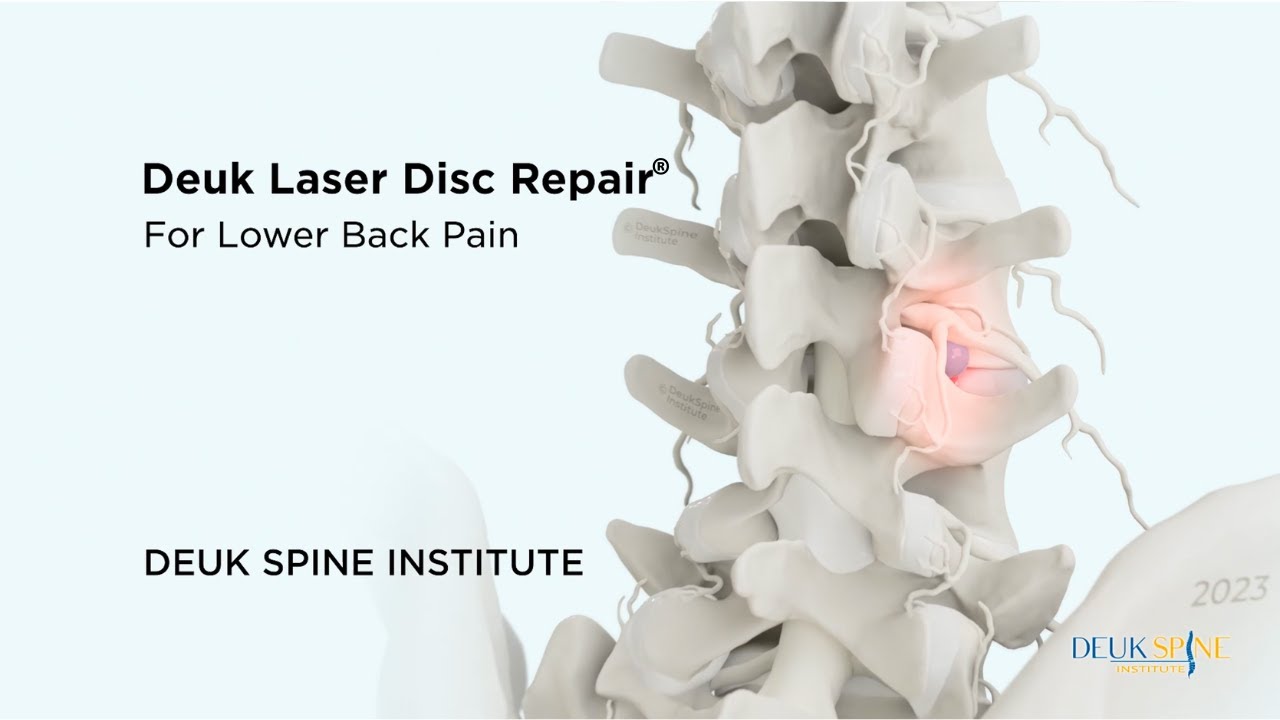
The Deuk Laser Disc Repair® (DLDR) is a full-endoscopic, minimally invasive surgical procedure that treats the actual structural source of discogenic pain. The damaged tissue inside the disc and the annular tear through which it has herniated. Unlike fusion and disc replacement, DLDR® does not remove or replace the disc. It repairs it.
What DLDR® Actually Does
Through an incision of 4 to 7 mm (about the diameter of a pencil eraser), a narrow endoscope is guided into the symptomatic disc under live fluoroscopic and direct visualization. A precision laser is used to remove the herniated nucleus pulposus tissue and treat the annular tear that is generating pain. There is no hospital admission, no general anesthesia in most cases, no fusion hardware, and no artificial implant.
The Published Outcomes
Peer-reviewed cervical DLDR® outcomes published in Surgical Neurology International reported on 66 consecutive patients who underwent cervical Deuk Laser Disc Repair® for one or two adjacent symptomatic levels: ⁵
- Patients with 100% resolution of preoperative symptoms: 50%
- Major complications: none reported
- All patients were candidates for ACDF or arthroplasty and chose DLDR® instead
The Institutional Track Record
Across more than 30 years of clinical practice and 2,700+ Deuk Laser Disc Repair® procedures performed at Deuk Spine Institute, the practice’s own reported outcome data is: ¹⁵
- Pain relief for treated pain sources: 99%, in Dr. Deukmedjian’s clinical experience, when the diagnosed pain source matches the treated pathology
- Complication rate: 0.01%
- Infection rate: 0%
- Need for fusion after DLDR®: rare, in the practice’s experience
- Adjacent segment disease: not observed after DLDR®, since no segment is fused or replaced
Why the Success Rate Is Higher
Three structural reasons explain why DLDR’s outcomes sit above the success rates of fusion and disc replacement:
- It treats the actual pain generator. Discogenic pain comes from the annular tear and the chemical and mechanical irritation of the nerve root by herniated nucleus material. DLDR® removes that material and treats the tear directly. Fusion treats it by immobilizing the segment. Disc replacement treats it by removing the entire disc and replacing it with a mechanical device. Both are larger interventions than the underlying pathology actually requires.
- It preserves every other structure. No bone is removed. No muscle is detached. No ligament is cut. No segment is fused. No artificial implant is left in the body. The downstream cascade of complications, adjacent segment disease, hardware failure, pseudoarthrosis, ASD reoperation, that drives fusion’s long-term failure rate simply does not have a mechanism to occur after DLDR®.
- The patient selection is rigorous. Every DLDR® candidate is evaluated against specific anatomic criteria using their actual MRI before the procedure is recommended. Patients whose pain is not coming from a disc are not offered a disc procedure.
Side-by-Side: How the Three Procedures Compare
What These Numbers Don’t Tell You
Three caveats every patient should hold in mind when comparing success rates:
1. The Procedures Are Not Substitutes for Each Other
Fusion, disc replacement, and DLDR® are not three ways of performing the same operation. They treat different sources of pain, address different problems, and impose different long-term consequences. A patient with mechanical instability from spondylolisthesis may genuinely need fusion. A patient with a contained herniated nucleus pulposus and an annular tear is a textbook DLDR® candidate and would be substantially over-treated by either fusion or disc replacement.
The right question is not “which procedure has the highest success rate?” It is “which procedure is correctly indicated for my anatomic problem?” A 99% successful operation that is wrong for your spine has a 0% chance of helping you.
2. Time Horizons Change the Picture
Almost any spine procedure looks good at 6 months. The procedures separate at 5, 10, and 20 years, when adjacent segment disease, hardware failure, pseudoarthrosis, and revision burden have time to show up. Fusion’s published success rate at one year is much higher than its functional success rate at ten. This is precisely why motion-preserving and structure-preserving alternatives, when anatomically appropriate, tend to outperform fusion in long-term comparisons.
Who Each Procedure Is Actually For
What Level of Care You Actually Need
The Bottom Line
Three procedures, three different sets of numbers, three very different operations.
Spinal fusion, the most common, has an average satisfactory outcome rate of about 68% with substantial long-term complications, including a 5–18% rate of symptomatic adjacent segment disease and an 8–40% rate of Failed Back Surgery Syndrome. ¹ ⁶ ⁸ Disc replacement, the motion-preserving alternative, beats fusion on most head-to-head comparisons, with cervical ADR achieving 81% success at 10 years and lumbar TDR producing 75–93% patient satisfaction, though it still involves permanent hardware and a non-trivial revision rate. ³ ⁴
The correct procedure for any given patient is not the one with the highest headline number. It is the one that matches the actual anatomic source of the pain with the smallest possible intervention. For the majority of patients told they need fusion or disc replacement for back or neck pain caused by a herniated disc, that procedure is almost certainly not the one being recommended.
If a fusion, disc replacement, or any other spine surgery has been recommended for you, submit your MRI for a free virtual consultation before consenting. An independent review of your imaging, your symptoms, and your alternatives is not a delay in your care. It is your care.
Frequently Asked Questions
Which has the higher success rate, spinal fusion or disc replacement?
In direct head-to-head randomized controlled trials, disc replacement consistently outperforms fusion on composite clinical success at both short-term and long-term follow-up. The 10-year IDE data on cervical disc replacement showed 81% overall success vs. 66% for ACDF. ³ Lumbar disc replacement also produces higher patient satisfaction than lumbar fusion in most comparative studies, with the caveat that lumbar disc replacement has stricter patient selection criteria.
What is the success rate of spinal fusion at 10 years?
Long-term satisfactory outcome rates from spinal fusion drop substantially compared to one-year follow-up. A 2020 prospective 10-year study reported a 7.5% revision rate at 10 years, with 44–69% of patients reporting improved quality of life at the 10-year mark in a Global Spine Journal study of multilevel fusion. ¹¹ Between 8% and 40% of lumbar fusion patients develop recurring or difficult-to-manage pain at long-term follow-up. ⁸
Why is the disc replacement success rate so much higher than fusion in long-term studies?
Because fusion permanently eliminates motion at the operated segment, the adjacent levels above and below have to absorb the lost motion. Over years, those adjacent segments wear out faster than they otherwise would, producing adjacent segment disease in 5–18% of fusion patients. ⁶ Disc replacement preserves motion at the operated level, so the adjacent segments don’t bear that extra biomechanical load. This is the single most important reason disc replacement outperforms fusion at long-term follow-up.
What is the failure rate of artificial disc replacement?
The pooled reoperation rate for lumbar total disc replacement is approximately 12.1% across mid- to long-term studies. ⁴ Cervical disc replacement reoperation rates are lower, around 10% at 10 years. ³ Complication rates vary by device and surgeon experience, ranging from 3% to 14% in well-conducted studies. ¹³ ¹⁴
Can DLDR® be done if I have already had a spinal fusion?
In many cases, yes. DLDR® is often used to treat adjacent segment disease that developed after a prior fusion, which is one of the harder problems in spine surgery to solve with another fusion. A free MRI review is the appropriate first step to determine candidacy.
How do I know which procedure is right for me?
The procedure that is right for you is the one that matches the specific anatomic source of your pain with the smallest possible intervention. That determination requires a careful review of your MRI by a surgeon experienced in all three approaches, not just the one they personally perform. A surgeon who only does fusion will tend to see fusion candidates. A surgeon who only does disc replacement will tend to see disc replacement candidates. An independent free MRI review is the most reliable way to find out what your actual options are.
Sources
- Turner JA, Ersek M, Herron L, et al. Patient outcomes after lumbar spinal fusions. JAMA. 1992. https://pubmed.ncbi.nlm.nih.gov/1640622/
- Spinal Surgery Success Rates and What Defines Success: A Review. Journal of Orthopedic Surgery and Sports Medicine, 2025. https://www.genesispub.org/jossm/spinal-surgery-success-rates-and-what-defines-success-a-review
- Phillips FM, et al. Cervical Artificial Disc Replacement Outcomes at 5 to 10 Years. ISASS 19th Annual Conference / MedCentral, 2019. https://www.medcentral.com/pain/neck/cervical-artificial-disc-replacement-outcomes-5-10-years
- Cui XD, Li HT, Zhang W, et al. Mid- to long-term results of total disc replacement for lumbar degenerative disc disease: a systematic review. Journal of Orthopaedic Surgery and Research. 2018. https://www.ncbi.nlm.nih.gov/pmc/articles/PMC6306000/
- Deukmedjian AJ, Cutright J, Cianciabella A, Deukmedjian A. Deuk Laser Disc Repair® is a safe and effective treatment for symptomatic cervical disc disease. Surgical Neurology International. 2013;4:68. https://pubmed.ncbi.nlm.nih.gov/23776754/
- Hashimoto K, Aizawa T, Kanno H, et al. Adjacent segment degeneration after fusion spinal surgery: a systematic review. International Orthopaedics. 2019. Discussed in: Risk factors and treatment strategies for adjacent segment disease following spinal fusion. PMC. https://pmc.ncbi.nlm.nih.gov/articles/PMC11605282/
- Exploring the incidence and risk factors of reoperation for symptomatic adjacent segment disease following cervical decompression and fusion. North American Spine Society Journal, 2023. https://www.nassopenaccess.org/article/S2666-5484(23)00107-5/fulltext
- Daniell JR, Osti OL. Failed Back Surgery Syndrome: A Review Article. Asian Spine Journal. 2018;12(2):372-379. https://pubmed.ncbi.nlm.nih.gov/29713421/
- Twenty-four-month interim results from a prospective, single-arm clinical trial evaluating the performance and safety of cellular bone allograft in patients undergoing lumbar spinal fusion. PMC. https://www.ncbi.nlm.nih.gov/pmc/articles/PMC10656884/
- Twelve-Month Results from a Prospective Clinical Study Evaluating the Efficacy and Safety of Cellular Bone Allograft in Subjects Undergoing Lumbar Spinal Fusion. PMC. https://pmc.ncbi.nlm.nih.gov/articles/PMC9680433/
- 10 Years After Spinal Fusion: Studies and Research. Premia Spine. https://premiaspine.com/10-years-after-spinal-fusion-studies-and-research/
- What Is the Success Rate of Surgery for Degenerative Disc Disease? Spine.MD, meta-analysis summary of 11 RCTs and 3,500+ patients. https://www.spine.md/insights/degenerative-disc-disease-surgery-success-rate
- Siepe CJ, Heider F, Wiechert K, et al. Mid- to long-term results of total lumbar disc replacement: a prospective analysis with 5- to 10-year follow-up. The Spine Journal. 2014. https://pubmed.ncbi.nlm.nih.gov/24448028/
- Long-term outcomes of total lumbar disc prosthesis: Sustained pain relief. PMC. https://pmc.ncbi.nlm.nih.gov/articles/PMC12634311/
- Deuk Spine Institute. Deuk Laser Disc Repair® clinical outcomes data. https://deukspine.com/treatment-options/deuk-laser-disc-repair/