
By Dr. Ara Deukmedjian, MD
Board-Certified Neurosurgeon, Deuk Spine Institute
Medically reviewed on March 5, 2026
Medical Disclaimer: This content is for educational purposes only and does not constitute medical advice. Individual results may vary. Always consult with your healthcare provider about your specific condition and treatment options.
Key Points
Before diving into the details, here is what you need to know about workers' compensation settlements for neck injuries:
✓ Neck injuries rank among the most costly workers' compensation claims: NCCI data shows the average cost per neck injury claim is $70,575, the third-highest of any body part.
✓ Prompt reporting is essential: Missing your state's reporting deadline can result in permanent forfeiture of workers' compensation benefits.
✓ Many neck injury types qualify: Whiplash, herniated discs, pinched nerves, cervical fractures, and radiculopathy are all potentially compensable.
✓ Settlement amounts vary widely: The amount you receive depends on injury severity, surgical needs, permanent impairment rating, lost wages, and state law.
✓ Surgery significantly increases claim value: Procedures resulting in permanent mobility loss or hardware implantation substantially increase settlement amounts.
✓ Motion-preserving surgical alternatives exist: Many workers are told they need fusion may be candidates for Deuk Laser Disc Repair®, with a 99.6% success rate, zero complications, and recovery in days, not months.
✓ Second opinions matter: Workers' comp insurers have an interest in minimizing costs. An independent evaluation can reveal better options and protect your long-term spinal health.
✓ Legal representation improves outcomes: Workers represented by workers' compensation attorneys consistently recover higher settlements and face fewer denied claims.

Neck pain is one of the most common reasons workers miss time on the job. Workplace-induced neck injuries range from minor cervical strains and sprains that resolve within weeks to serious conditions including cervical radiculopathy, herniated discs, and fractures that require surgery, extended rehabilitation, and chronic pain management. For many workers, these injuries create significant financial hardship through mounting medical bills and extended loss of income.
The financial impact is substantial. According to data from the National Council on Compensation Insurance (NCCI), neck injuries are the third most costly category of workers' compensation claims by body part, averaging $70,575 per claim in the most recent reporting period. 1 That figure encompasses both medical treatment costs and wage-loss benefits.
This guide covers everything injured workers need to know about workers' compensation settlements for neck injuries: how these injuries happen, which types qualify for benefits, how to file a claim, what you can expect in terms of compensation, and what your surgical treatment options are, including the most advanced minimally invasive alternatives available today.
How Do Workplace Neck Injuries Happen?
Neck injuries in the workplace can occur suddenly through a discrete traumatic event or develop gradually through repetitive stress and cumulative strain. Multiple workplace factors increase risk, including awkward postures, sustained static positions, heavy lifting, vibration exposure, and psychosocial stressors.
Workers in construction, manufacturing, transportation, warehousing, and healthcare face the highest risk of acute traumatic neck injuries. Office workers and others performing sustained computer work face elevated risk for gradual-onset cervical conditions. Injuries can also occur when traveling in a work vehicle, placing drivers at risk through rear-end or side-impact collisions, which are a common mechanism for whiplash.
A 2025 systematic review and network meta-analysis published in PMC evaluated treatment approaches for cervical radiculopathy, one of the most disabling work-related neck conditions, and found that structured physical therapy and manual therapy significantly reduced pain and disability scores across a range of patient populations. 2 This underscores the importance of prompt, evidence-based treatment following a workplace neck injury to optimize long-term outcomes.
Even when a neck injury does not produce obvious symptoms immediately after an accident, symptoms can develop and worsen over days or weeks. Whether your injury is immediate or gradual, mild or severe, reporting it to your employer as soon as possible is essential to protect your workers' compensation rights.
Common Types of Workplace Neck Injuries That Qualify for Workers' Compensation
Workers across all industries are exposed to neck injury risks every day. The following are the most common types of work-related neck injuries that qualify for workers' compensation benefits.
Whiplash (Cervical Acceleration/Deceleration Syndrome)
Whiplash is caused by a forceful and rapid back-and-forth movement of the neck, most commonly occurring in rear-end vehicle collisions but also in workplace falls and impacts. The injury produces a hyperflexion/hyperextension mechanism that can stretch, tear, or compress the muscles, ligaments, and joints of the cervical spine.

The clinical picture of whiplash ranges from mild muscle soreness to severe, long-term dysfunction. According to updated clinical literature from the American Academy of Physical Medicine and Rehabilitation, up to 40% of people injured in whiplash incidents continue to report symptoms 15 years later. 3 A 2025 randomized clinical trial published in JAMA Network Open found that an integrated program combining pain science education, stress management, and cognition-targeted exercise therapy produced meaningful improvements in chronic whiplash disorders, supporting multimodal treatment approaches for persistent cervical injury. In occupational settings, whiplash sustained during work-related vehicle accidents is fully compensable through workers' compensation.
Pinched Nerve (Cervical Radiculopathy)
A pinched nerve in the neck occurs when surrounding tissues, including bones, cartilage, herniated disc material, or inflamed tendons, apply pressure to a cervical nerve root, disrupting nerve function and producing radiating pain, tingling, numbness, or weakness that travels down the arm and into the hand.
Cervical radiculopathy is a significant source of work-related disability. A 2025 update from StatPearls confirms that accurate diagnosis relies on thorough clinical assessment supported by MRI imaging, and that the severity of nerve compression and the affected spinal level determine the appropriate treatment course. 4 Workers with progressive neurological symptoms, including worsening weakness or loss of hand function, require prompt evaluation to prevent permanent nerve damage.
Herniated Cervical Disc
Disc herniation is a common and potentially disabling work-related neck injury. The cervical spine contains six intervertebral discs that absorb shock and allow movement between vertebrae. When a disc's outer wall, the annulus fibrosus, tears and allows the inner gel-like nucleus to bulge or extrude into the spinal canal, the result is nerve compression, inflammation, and significant pain.
Herniated cervical discs can result from sudden trauma such as a fall, vehicle collision, or improper lifting, but they also develop gradually through cumulative occupational stress. A 2025 updated review in StatPearls notes that cervical disc herniations range in severity from localized neck pain to myelopathy, a compression of the spinal cord itself that in rare cases can become life-threatening.
Cervical Spine Fracture and Dislocation
A cervical fracture occurs when one of the seven neck vertebrae is broken, typically through high-energy trauma such as a fall from height, a vehicle accident, or a struck-by incident in construction or manufacturing. A cervical dislocation occurs when ligament injury causes two adjacent vertebrae to separate abnormally. Severe fractures and dislocations can damage the spinal cord, potentially causing paralysis, and require urgent surgical stabilization.
Neck Strain and Sprain
Neck strains (muscle or tendon tears) and sprains (ligament tears) are the most frequently filed workers' compensation neck injury claims. These injuries can result from a single acute event or from chronic overuse. While many strains and sprains resolve within weeks with conservative care, some progress to chronic pain syndromes that significantly limit work capacity.

When Can Employees Seek Workers' Compensation for a Neck Injury?
Most states require two fundamental conditions for workers' compensation eligibility. You must be classified as an employee, and you must have sustained your injury in the course and scope of your employment. Both rules can include exceptions, and many workers are unaware of the full scope of their eligibility.
Workers with neck injuries caused by repetitive occupational tasks, ergonomic deficiencies, or work-related vehicle accidents may have valid claims even if no single incident caused the injury. Gradual-onset cervical conditions aggravated by occupational demands can qualify for benefits in many states, though these claims typically require stronger medical evidence to establish the work-related connection.
Steps to Take Immediately After a Workplace Neck Injury
The steps you take in the hours and days following a workplace neck injury can significantly affect both your health outcomes and your ability to recover full workers' compensation benefits.
- Report your injury to your employer in writing: Do not rely on verbal notification alone. Submit a written injury report to your supervisor and keep a copy. In Florida, you must notify your employer within 30 days. Report as quickly as possible regardless of your state's specific deadline.
- Seek medical attention immediately: Get evaluated promptly even if symptoms seem mild. Tell your treating physician explicitly that your injury is work-related. Gaps in medical treatment can be used by insurers to argue your injury is less serious than claimed.
- Notify your union representative: If you are a union member, notify your representative promptly. Your union may have specific procedures and additional resources to support your claim.
- Document everything: Record the date, time, location, and exact circumstances of the injury. Note the names of any witnesses. Photograph any hazardous conditions that contributed to the injury if it is safe to do so.
- Keep records of all missed work and out-of-pocket expenses: Track every day missed and every expense incurred, including transportation to medical appointments, prescription costs, and home care needs.
- Follow all recommended treatment plans: Skipping appointments or refusing prescribed care can be used to challenge the severity of your injury and reduce your benefits.
- Consult a workers' compensation attorney: Retaining an experienced attorney early is one of the most important decisions you can make. An attorney protects you against claim denials, ensures all eligible benefits are pursued, and negotiates the highest possible settlement.
Understanding Workers' Compensation Benefits for Neck Injuries
Workers' compensation is a state-mandated insurance program that provides financial protection and medical coverage to employees injured on the job. Benefits are provided on a no-fault basis in most circumstances, as long as the injury occurred during employment and the worker was not under the influence of drugs or alcohol.
What Workers' Compensation Covers
- All reasonable and necessary medical treatment, including emergency care, diagnostic imaging, specialist consultations, surgery, and follow-up care
- Prescription medications and medical equipment such as cervical collars or orthopedic supports
- Physical therapy, chiropractic care, and rehabilitation services
- Temporary disability payments replacing a portion of lost wages, typically two-thirds of your average weekly wage subject to state caps
- Permanent partial or total disability benefits if the injury results in lasting functional limitations
- Vocational rehabilitation if you cannot return to your previous job
- Death benefits for families of workers who die from work-related neck injuries
Workers' compensation typically does not cover injuries caused by intoxication or drug impairment, intentional self-inflicted harm, injuries claimed after a termination or layoff, or violations of established company safety policies.
Steps to File a Workers' Compensation Claim for a Neck Injury
- Notify your employer: Report the injury in writing as soon as possible. Include the date, time, location, and circumstances of the accident. Missing your state's reporting deadline can result in full denial of benefits.
- Obtain and complete a workers' compensation claim form: Your employer is required to provide this form. Complete it accurately and thoroughly, describing your injury and its circumstances.
- Your employer files the claim: The employer forwards the claim form and medical documentation to their workers' compensation insurance carrier. The treating physician must also submit a medical report.
- Insurance company review and decision: The insurer will either accept or deny your claim. If accepted, you may receive compensation covering medical bills, medications, disability payments, and a percentage of lost wages, or negotiate a structured settlement for a larger lump sum.
- Appeal if denied: Review the denial letter carefully. Contact the claims adjuster if a procedural error may be correctable. Consult a workers' compensation attorney about filing a formal appeal through your state's workers' compensation board.
- Return to work: When medically cleared, notify your employer and insurer in writing. Depending on your injury, you may return to full duty, modified duty, or light duty. Workers with permanent impairments may be entitled to ongoing disability benefits.

What If Your Neck Injury Claim Is Denied?
- Review the denial letter carefully to identify the stated reason
- Contact the claims adjuster to determine whether a procedural error can be corrected
- Consult a workers' compensation attorney to evaluate the strength of an appeal
- File a formal appeal with your state's workers' compensation board, which typically involves an administrative hearing
Choosing Your Workers' Compensation Doctor for Neck Injuries
The rules for choosing a treating physician through workers' compensation vary by state. Some states require the employer or insurer to designate the initial treating physician. Others give workers more freedom. Even where the initial doctor is designated, you retain the right to seek an independent second opinion.
Physicians who treat work-related neck injuries include physiatrists, neurologists, orthopedic surgeons, neurosurgeons, and interventional pain management specialists. If you are concerned about the treatment you are receiving, obtaining an independent evaluation from a cervical spine specialist is your right and a potentially critical step toward optimal recovery.
Time Limits for Filing a Neck Injury Workers' Compensation Claim
All states impose a statute of limitations on workers' compensation claims. The applicable deadline depends on the type of claim, the state where you are filing, and in gradual-onset cases, when the injury was first documented or first connected to your work. Missing these deadlines can permanently forfeit your right to benefits. Report your injury and begin the claims process as soon as possible, and consult a workers' compensation attorney early to ensure you do not inadvertently miss a deadline.
What Is the Average Workers' Compensation Settlement for a Neck Injury?
Settlement amounts for work-related neck injuries vary considerably. No two cases are identical.
According to the most current data from the NCCI and the National Safety Council, neck injuries average $70,575 per workers' compensation claim nationally, making them the third most expensive category of workplace injury claims by body part. A separate 2024 review reports that combined medical and wage-loss benefits for neck injury claims average approximately $68,000 nationally.
For reference, general average settlement ranges include:
- Upper back claims: approximately $34,000
- Lower back claims: approximately $40,000
- Neck injury claims: approximately $68,000 to $70,575 depending on the data source
- Multiple body part claims involving the neck alongside other areas: approximately $77,614
- Work-related motor vehicle accident claims: approximately $91,433 on average
Surgery substantially increases the value of a neck injury settlement. Procedures resulting in permanent limitations of mobility, fusion hardware implantation, or multi-level spinal involvement are all associated with higher impairment ratings and larger settlements. The factors that most significantly influence your individual settlement include injury severity and permanent impairment rating, whether surgery was required, the impact on long-term work capacity, estimated future medical care costs, total wages lost, and whether the claim involves disputed liability or pre-existing conditions.
Treatment Options for Work-Related Neck Injuries
The appropriate treatment for a work-related neck injury depends entirely on the type and severity of the injury. An accurate diagnosis, supported by thorough physical examination and imaging, is the foundation of an effective treatment plan.
Conservative Treatment
For most soft tissue neck injuries, conservative treatment is the appropriate first approach. This typically includes rest and temporary activity modification, anti-inflammatory medications and muscle relaxants, physical therapy to restore range of motion and strengthen supporting musculature, chiropractic care and manual therapy, acupuncture and massage therapy, and epidural steroid injections for nerve-related pain.

A 2025 systematic review and network meta-analysis of manual therapy approaches for cervical radiculopathy found that structured manual therapy and exercise programs produced significant improvements in neck disability index scores and pain levels. Recovery from acute cervical injuries occurs most rapidly in the first six to twelve weeks, making early, appropriate treatment critically important.
When Surgery Becomes Necessary
When conservative treatment fails to provide adequate relief after an appropriate trial of care, or when a worker develops progressive neurological deficits such as increasing weakness or loss of arm and hand function, surgical evaluation becomes appropriate. The 2025 StatPearls review on cervical disc herniation confirms that persistent or progressive neurological compromise necessitates timely evaluation to prevent long-term, potentially irreversible deficits.
The most important principle guiding surgical decisions is accurate diagnosis. The procedure selected must address the confirmed structural cause of your symptoms. Workers who accept a first surgical recommendation without understanding all available options may undergo procedures with longer recovery times, greater complication risks, and inferior long-term outcomes compared to alternatives they were never offered.

Surgical Treatment Options for Work-Related Neck Injuries
1. Deuk Laser Disc Repair: The Gold Standard in Motion-Preserving Surgery
What it is: Deuk Laser Disc Repair® (DLDR) is a minimally invasive, motion-preserving procedure used to treat pain from herniated discs, bulging discs, annular tears, spinal stenosis, and pinched nerves in both the cervical and lumbar spine. It is the most advanced surgical option available for workers with disc-related neck injuries who require surgical intervention but wish to preserve spinal motion and avoid fusion hardware.
The procedure is performed through a 4 to 7 mm incision using a high-definition endoscopic camera and a precision Holmium:YAG laser. The laser removes only the damaged 5 to 10% of the disc tissue causing herniation and inflammation, leaving healthy disc structure completely intact. It also treats the annular tear, the primary source of discogenic pain, something that traditional fusion does not address.
Recovery time: Most patients walk out of the surgical facility within one hour and return to daily activities within two to three days. Many return to desk work within a week, compared to months of recovery required after cervical fusion.
Benefits of Deuk Laser Disc Repair:
- Truly minimally invasive: 4 to 7 mm incision with no bone removal, no muscle cutting, and no hardware
- Motion preservation: The cervical spine retains its full natural range of motion permanently
- No adjacent segment disease: Because nothing is fused, there is no stress transfer to neighboring spinal levels
- Exceptional safety record: 99.6% success rate in eliminating pain with zero complications across more than 2,000 procedures over 20 years
- Rapid recovery: Patients walk out within an hour and return to normal life within days
- No hardware: No screws, rods, plates, or cages eliminates all hardware complication risks
- Outpatient procedure: No hospital stay required, no narcotic pain medications
Cost: Request a free MRI review for a quote. Deuk Spine Institute accepts workers' compensation, personal injury, and auto accident insurance, as well as patients with minimal or no coverage.
Where to get it: Deuk Spine Institute. Submit your MRI for a free review to learn if you are a candidate.
2. Anterior Cervical Discectomy and Fusion (ACDF)
What it is: ACDF is the most commonly performed surgical procedure for cervical disc herniation and radiculopathy. The surgeon accesses the cervical spine through the front of the neck, removes the damaged disc, and fuses adjacent vertebrae using a bone graft and metal plate. While ACDF can provide symptom relief for appropriate candidates, it permanently eliminates motion at the fused level and transfers stress to adjacent spinal segments.
A 2024 meta-analysis found that symptomatic adjacent segment disease requiring treatment develops in approximately 11% of ACDF patients, while radiographic adjacent segment degeneration is present in 30% within the first decade. 5 Younger workers who undergo cervical fusion face elevated long-term risk of adjacent segment problems due to decades of excess stress transfer to neighboring levels.
Recovery time: Hospital stay of one to two days is typical. Activity restrictions apply for the initial four to six weeks, and full recovery for physically demanding work generally requires three to six months. The bone fusion process takes three to six months to complete.
Risks: Adjacent segment disease, hardware complications including screw loosening and cage subsidence, persistent pain, infection, nerve injury, and permanent loss of motion at the fused level.
3. Laminectomy
What it is: A laminectomy removes the lamina, the bony plate covering the spinal canal, to relieve pressure on compressed spinal nerves or the spinal cord. It is used for cervical stenosis and myelopathy. Because laminectomy involves bone removal that reduces spinal stability, surgeons frequently perform fusion at the same time to prevent post-laminectomy deformity.
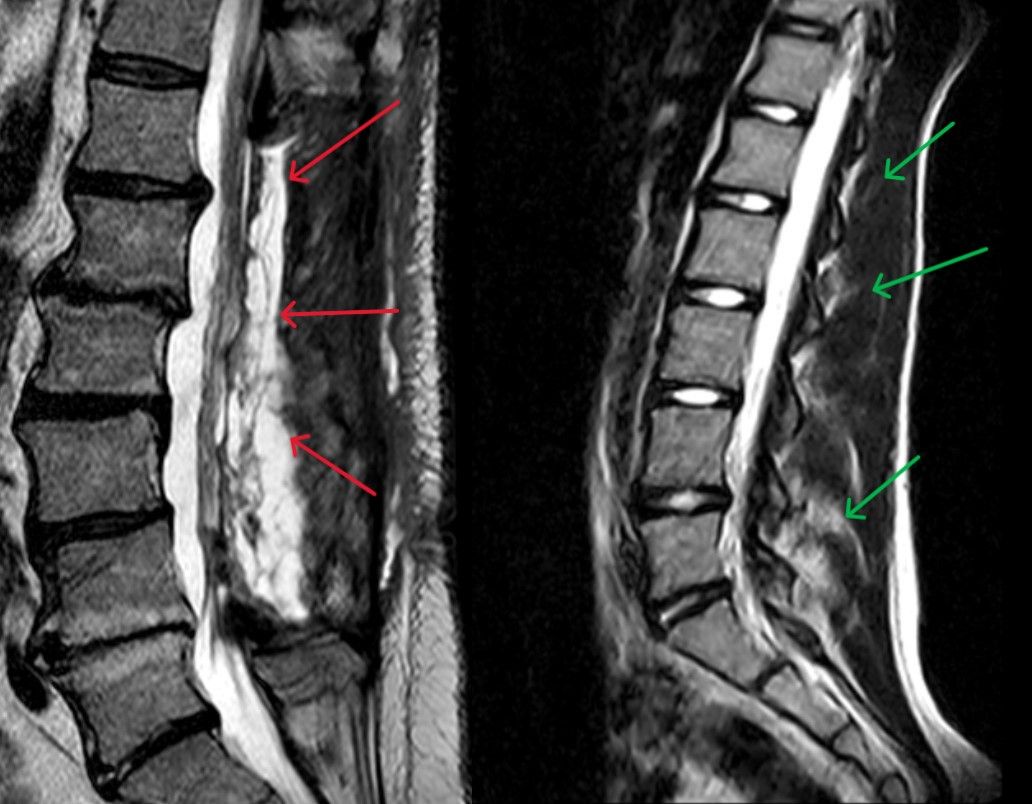
Recovery time: Hospital stay of two to four days is typical. Full recovery takes two to six months. Most patients experience some lasting stiffness. At Deuk Spine Institute, minimally invasive endoscopic laser techniques can often eliminate the need for traditional open laminectomy, significantly improving outcomes and reducing recovery time.
4. Artificial Disc Replacement
What it is: Artificial disc replacement removes the damaged cervical disc and replaces it with an artificial implant designed to preserve motion at that level. The surgeon accesses the disc through the front of the neck. While motion-preservation is an advantage over fusion, the procedure carries risks including implant dislocation, wear, loosening, and serious vascular complications associated with the anterior surgical approach near major blood vessels.
Recovery time: Hospital stay of two to three days is typical. Return to work and regular activities is expected after approximately six weeks. Physical therapy is usually prescribed.
Cost: $14,000 to $38,000
Tips to Prevent Work-Related Neck Injuries
A substantial proportion of work-related neck injuries are preventable through improved workplace design, ergonomics training, and consistent safety protocols.

Ergonomic Workstation Setup
For computer-based workers, the position of the monitor, keyboard, and chair significantly impacts cervical spine health. The monitor should be at eye level to prevent prolonged forward head posture, which places up to four times more compressive force on the cervical spine than a neutral head position. The keyboard and mouse should allow elbows to rest at approximately 90 degrees, and the chair should support the lumbar spine with feet flat on the floor.
Safe Lifting and Handling
Many cervical disc injuries in physical occupations result from improper lifting mechanics. Always use leg strength rather than neck and back flexion when lifting. Keep objects close to the body and avoid twisting the neck while lifting or carrying. If an object is too heavy to lift safely, request assistance or use mechanical aids such as a dolly, lift, or conveyor.
Regular Breaks and Fatigue Management
Fatigue significantly increases the risk of both acute and overuse neck injuries. Regular breaks allow cervical muscles to recover from the sustained effort of supporting the head throughout a workday. Workers performing sustained computer work should take brief breaks every 30 to 45 minutes to move, stretch, and change posture.
Cervical Strengthening and Flexibility Programs
Regular cervical and upper back strengthening exercises improve the resilience of the muscles that support the neck and reduce injury risk. Employer-sponsored workplace wellness programs that include ergonomics training and supervised exercise have demonstrated reductions in musculoskeletal injury rates.
Report Hazards Promptly
Workers who notice defective equipment, slippery surfaces, poor lighting, or other hazardous conditions should report them to supervisors immediately. Early correction of hazards protects the reporting worker and all colleagues in that environment.
The Value of a Second Opinion on Your Neck Injury Treatment
Many workers with serious cervical injuries treated through the workers' compensation system receive care driven more by insurer cost management than by best available medicine. Workers' compensation insurance carriers have a financial interest in minimizing treatment costs, and the physicians they designate may be limited in the procedures they offer or trained only in traditional surgical approaches.
If you have been told that spinal fusion is your only surgical option, it is essential to understand what that recommendation means for your long-term health. Cervical fusion permanently eliminates motion at the fused level, carries a 30% rate of radiographic adjacent segment degeneration and an 11% rate of symptomatic adjacent segment disease requiring treatment within the first decade, and involves a recovery period measured in months. Younger workers who undergo fusion face decades of elevated risk for adjacent segment problems, potentially requiring additional surgeries as degeneration accelerates at neighboring levels.
At Deuk Spine Institute, we offer a free virtual consultation and MRI review so injured workers can understand all of their options before committing to any surgical decision. Dr. Ara Deukmedjian will personally review your imaging and provide an honest assessment of whether a minimally invasive, motion-preserving approach is appropriate for your condition. If it is not, he will tell you that directly.
Frequently Asked Questions
Q: What should I do immediately after injuring my neck at work?
A: Report your injury to your employer in writing as soon as possible and seek medical attention right away, telling your physician explicitly that the injury is work-related. Document everything about the incident, including date, time, circumstances, and witnesses. Begin the formal workers' compensation claim process without delay, as states impose strict reporting deadlines. Consulting a workers' compensation attorney early is strongly advisable to ensure your rights are fully protected from the start.
Q: How much can I receive in a workers' compensation settlement for a neck injury?
A: Settlement amounts vary widely depending on injury severity, whether surgery is required, the permanence of any impairment, the impact on your ability to work, and your state's compensation laws. According to the most current NCCI data, neck injury workers' compensation claims average $70,575 nationally. Claims involving surgery resulting in permanent mobility limitations or hardware implantation are typically worth significantly more. Because every case is unique, the most reliable way to estimate your settlement value is through consultation with an experienced workers' compensation attorney who understands your state's specific laws and has reviewed the details of your injury.
Q: Is spinal fusion always the right surgical option for a work-related neck injury?
A: No. Spinal fusion is appropriate for conditions involving structural instability, severe deformity, or fractures compromising spinal integrity. However, for disc-related neck injuries including herniated discs, bulging discs, and annular tears without significant instability, motion-preserving alternatives such as Deuk Laser Disc Repair may produce better long-term outcomes with faster recovery and no risk of adjacent segment disease. Be cautious of any surgeon who dismisses alternatives without providing specific, anatomy-based reasons grounded in your imaging findings, and always get a second opinion from a surgeon trained in both fusion and motion-preserving techniques.
Q: Can a pre-existing neck condition affect my workers' compensation claim?
A: Pre-existing conditions complicate workers' compensation neck injury claims but do not automatically disqualify you from benefits. Workers' compensation covers the aggravation or acceleration of a pre-existing condition caused by workplace activities or a workplace accident. Insurance carriers frequently attempt to attribute symptoms to pre-existing degeneration to minimize or deny claims. Strong medical documentation clearly linking your workplace activities or accident to your current symptoms is essential. An independent evaluation from a spine specialist who can articulate the work-related component of your injury is often decisive in overcoming a pre-existing condition defense.