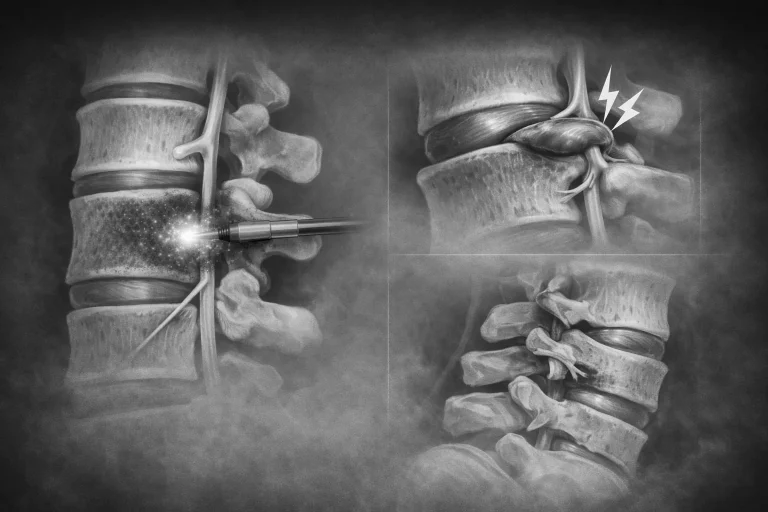
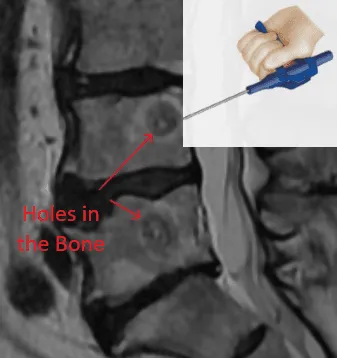
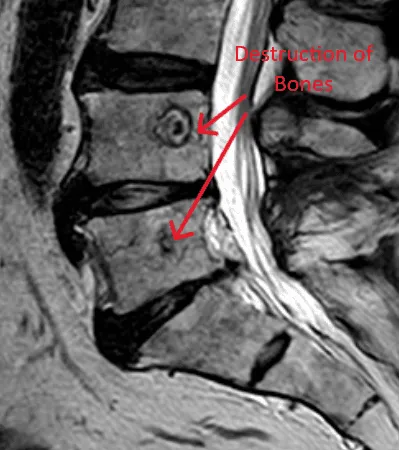
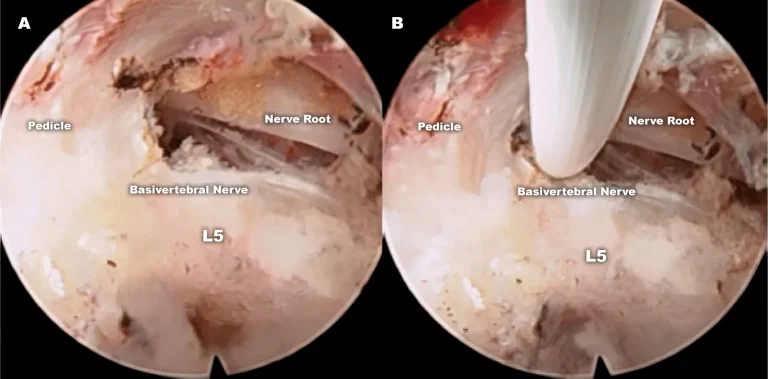
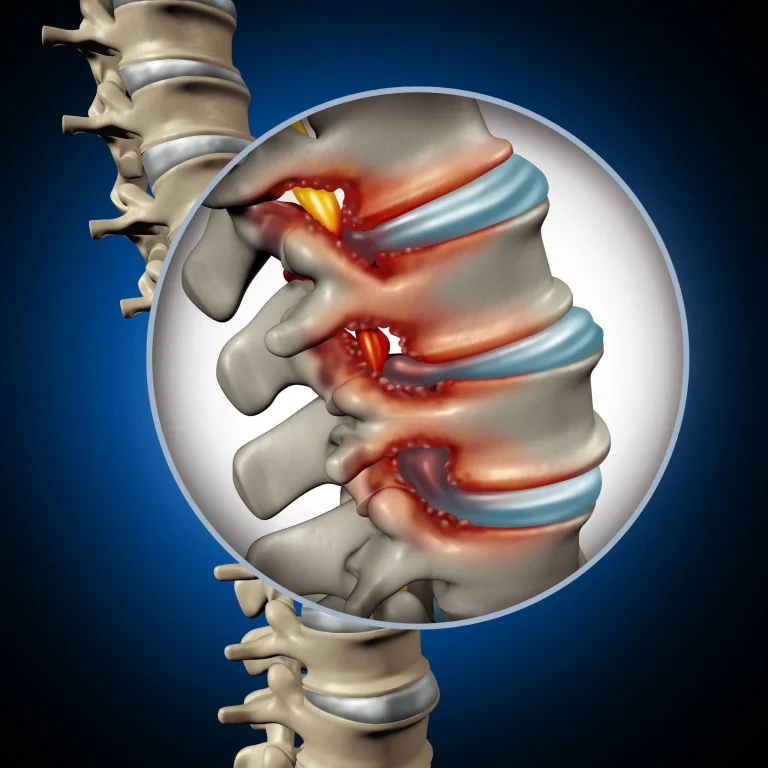
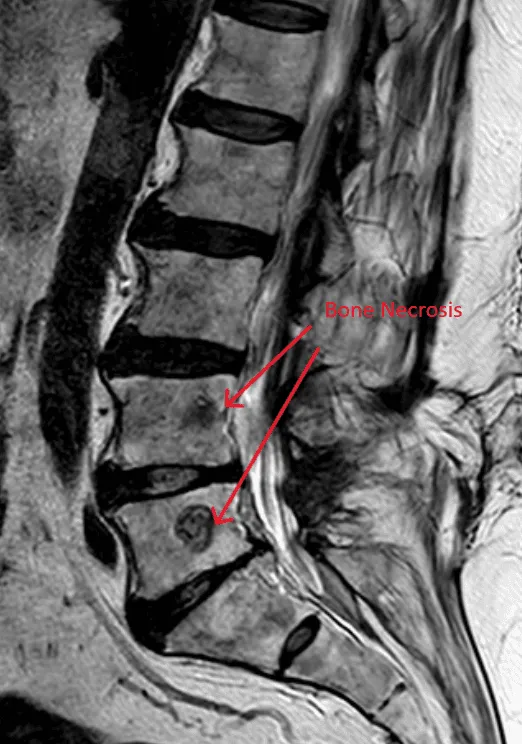
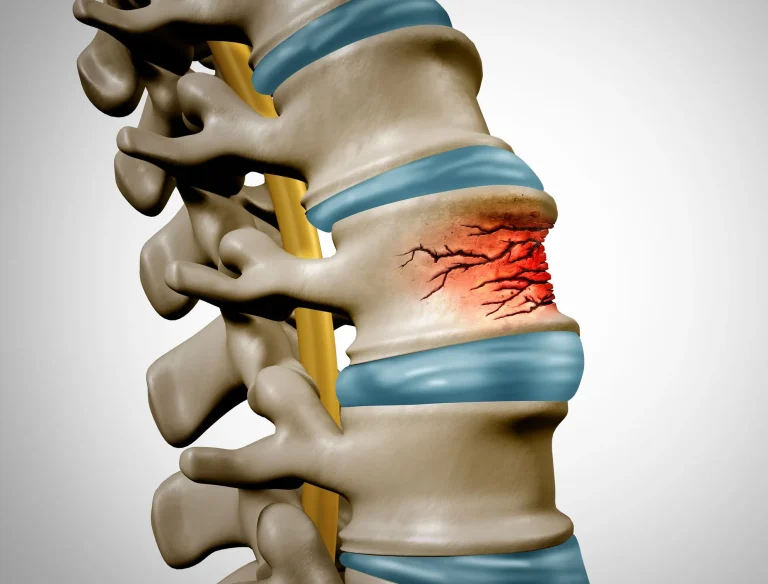
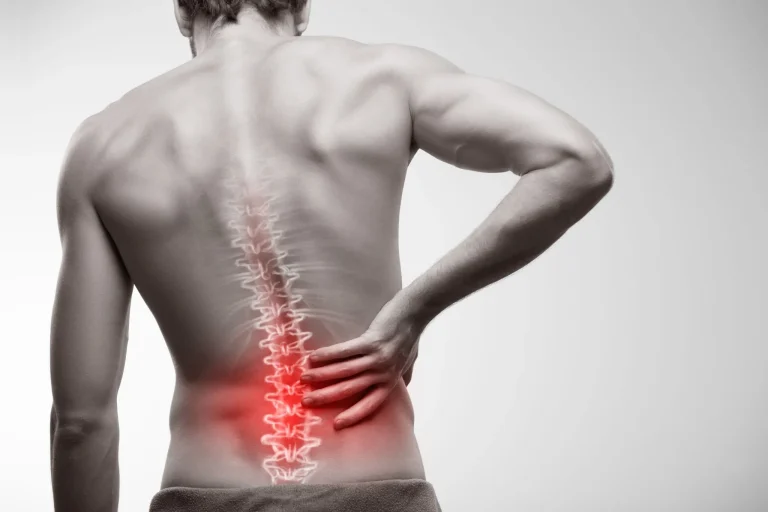
Basivertebral Nerve Ablation (Intracept) destroys normal bone and bone marrow from the spine, does not treat the actual source of pain — disc injuries — and may lead to spinal instability. Discover safer, minimally invasive alternatives.
⚠️ While Deuk Spine Institute can perform Basivertebral Nerve Ablation (Intracept), we do not recommend it. This page explains why — learn the risks before consenting to this procedure.
Why Do Some Surgeons Recommend Basivertebral Nerve Ablation?
While there are limited medical indications, financial incentives and device manufacturer marketing heavily influence surgical recommendations.
Medical Reasons Cited
Lower Back Pain
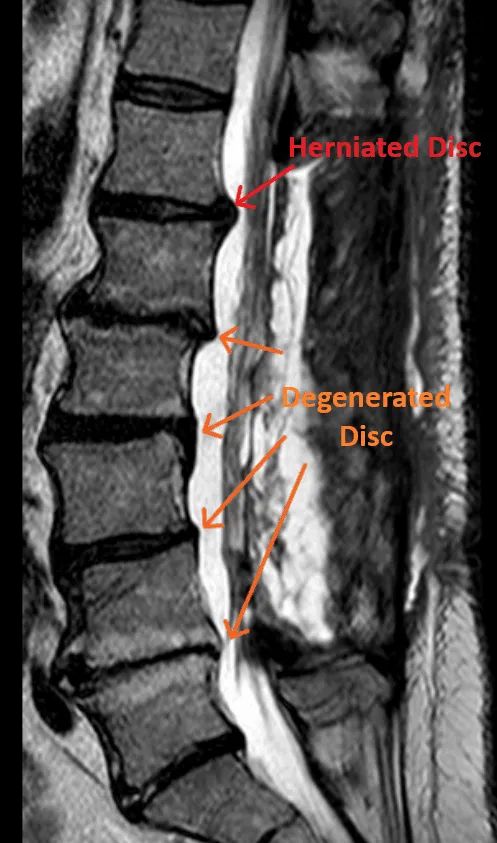
Chronic lower back pain attributed to vertebral endplate nerve irritation. However, this procedure ignores the most common pain source — disc injuries.
Abnormal Vertebral Endplates (Modic Changes)
MRI findings showing endplate changes are used to justify this procedure, yet Modic changes are common in pain-free individuals and may not be the actual pain source.
Financial Incentives Behind It
Pain Management Doctors Crossing Into Surgery
Pain management doctors are recommending and performing these high-paying surgical procedures, often without meaningful benefit to the patient.
High Device & Procedure Cost
The proprietary Intracept system is expensive, with strong manufacturer incentives driving adoption regardless of patient outcomes.
Strong Financial Incentives
Significant financial rewards for spine surgeons, pain management doctors, and hospitals create a powerful motivation to recommend this procedure.
Doesn't Treat Root Cause = Repeat Procedures
Because disc injuries go untreated, patients return for additional interventions — generating ongoing revenue from the same patient.
THE SURGICAL PROCESS
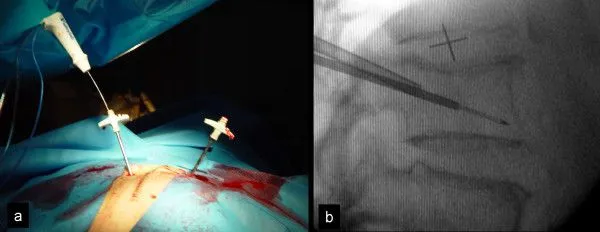
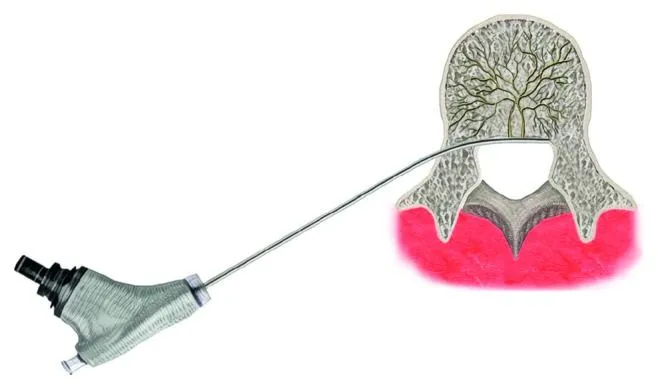
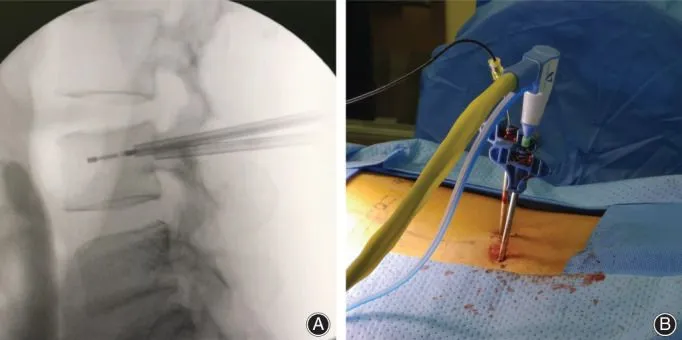
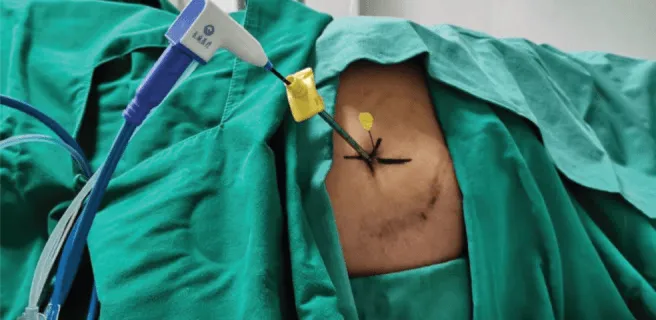
How Is Basivertebral Nerve Ablation Performed?
Graphic Surgical Content
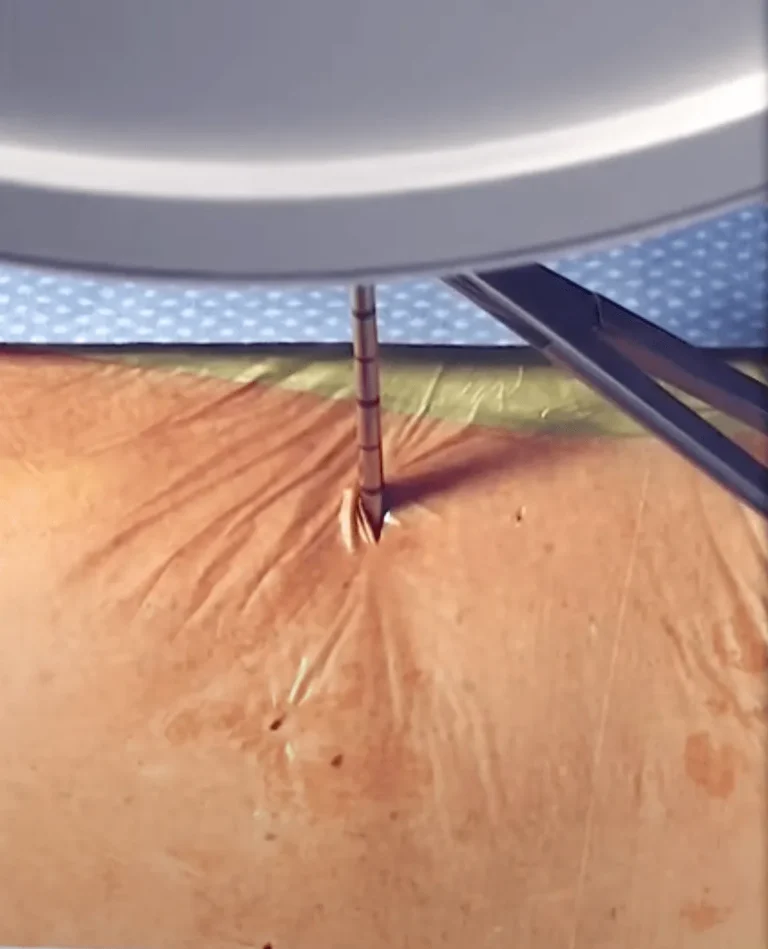
The videos below contain real surgical footage. Viewer discretion is advised.
Permanent nerve damage causing weakness, numbness, or paralysis in extremities.
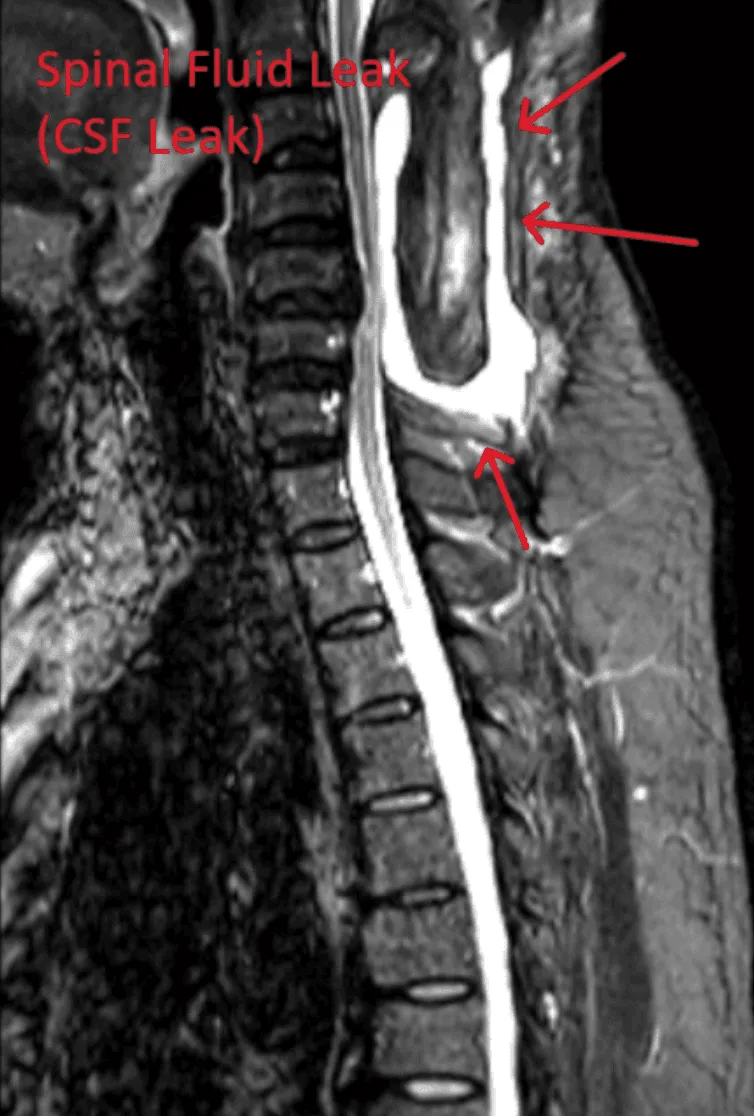
Spinal Fluid Leak
Dural tears leading to cerebrospinal fluid leaks, requiring additional repair surgery.
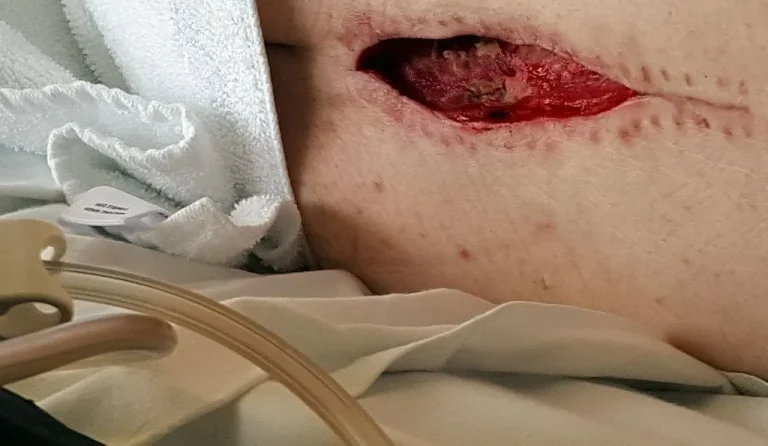
Infection of Bone or Spine
Post-surgical infection within the vertebrae or deeper spinal structures, including osteomyelitis.
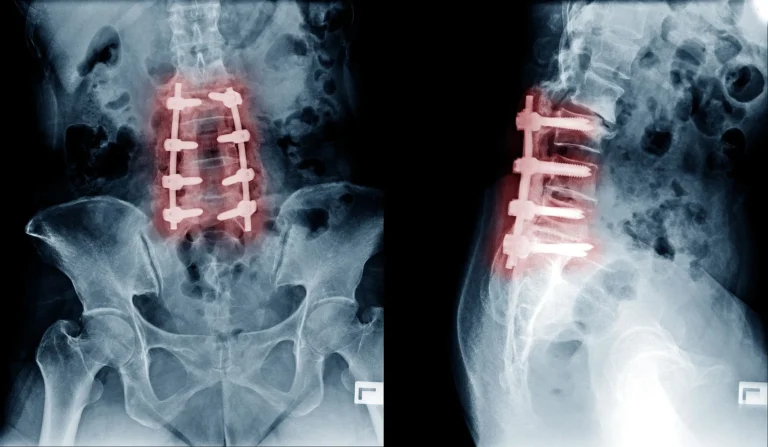
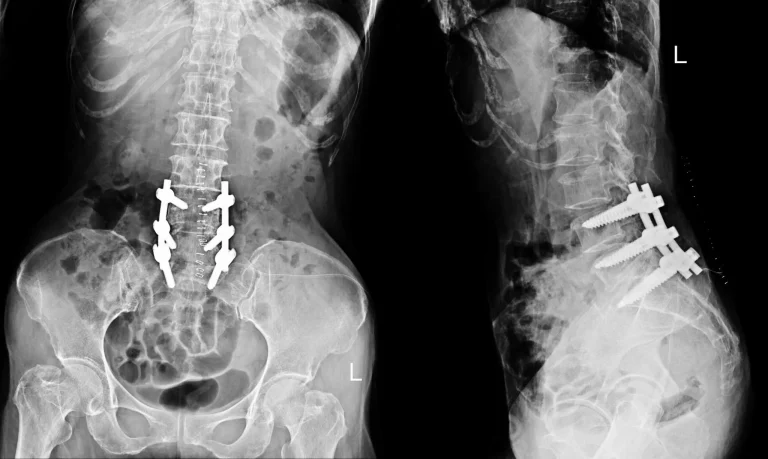
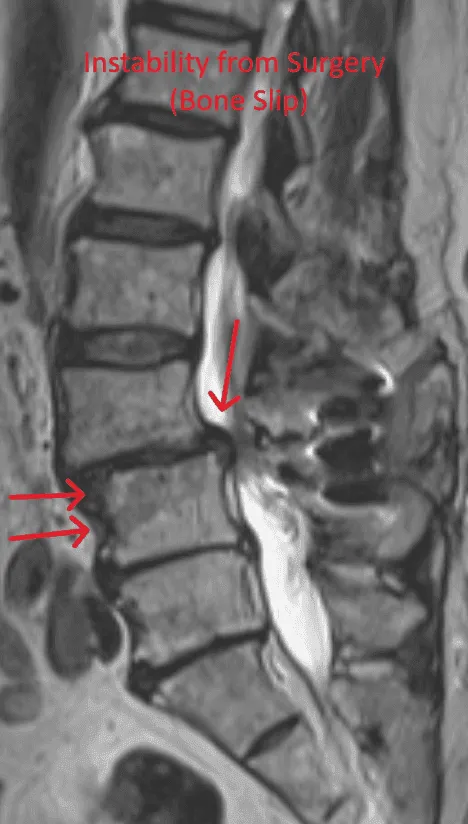
Spinal Instability
Bone destruction from the procedure causes vertebral instability requiring fusion with screws and rods.
Fractured Vertebrae
Weakened vertebrae from bone boring and ablation can lead to vertebral fractures and collapse.
Failure to Eliminate Back Pain
Pain often persists or worsens because the actual source — disc injuries — is never treated.
WHAT WE RECOMMEND INSTEAD
Deuk Laser Disc Repair®: A Safer, Proven Alternative
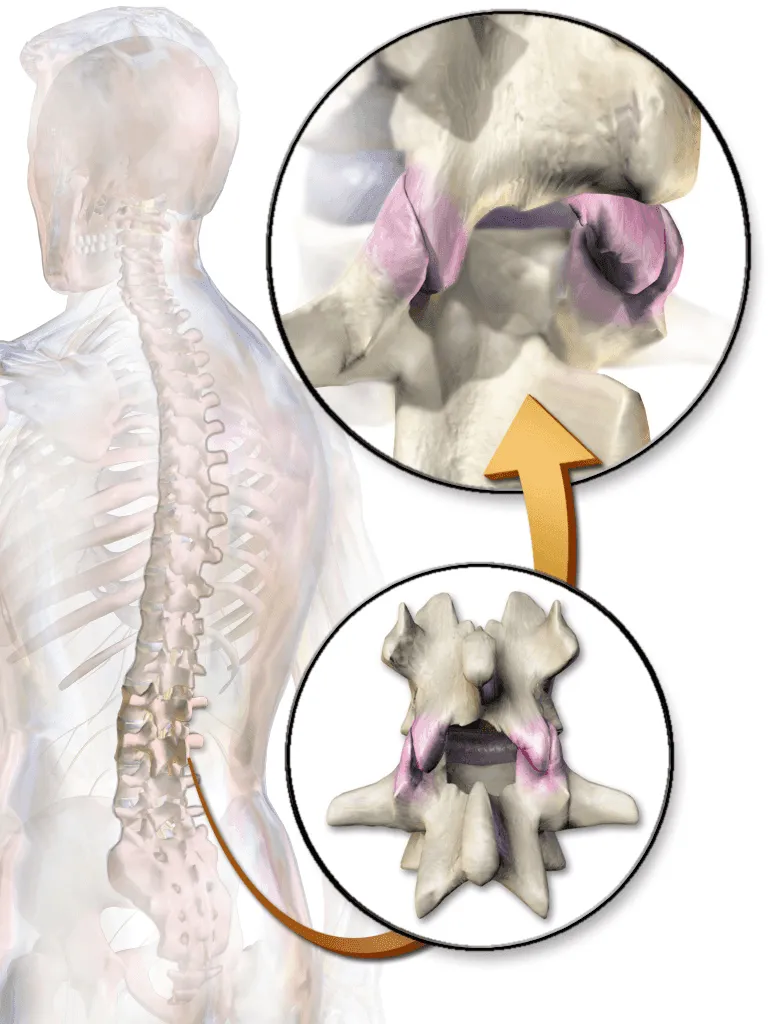
Instead of destroying bone and burning nerves inside your vertebrae, Deuk Laser Disc Repair® treats the actual source of pain — the damaged disc — through an incision smaller than a fingernail. For piriformis-related pain, Deuk Piriformis Release provides targeted relief, and for facet joint pain, Deuk Plasma Rhizotomy® offers a precise plasma-based solution.
No Bone Destruction
Your vertebral structure remains completely intact. No pedicle boring, no bone marrow destruction, no vertebral body damage.
Treats the Root Cause
Laser technology directly repairs disc injuries — the actual source of most chronic back pain that BVN ablation completely ignores.
Same-Day Recovery
Outpatient procedure under light sedation. Walk out the same day — no hospital stay, no intubation, no opioids required.
Proven Results
95% patient satisfaction, 0.01% complication rate, and over 2,750 successful procedures performed by Dr. Deukmedjian.
Feature
Basivertebral Nerve Ablation
Deuk Laser Disc Repair®
Approach
❌ Burns nerves inside vertebrae
✅ Treats the source of pain
Target
❌ Vertebral nerves — ignores disc injuries
✅ Damaged disc — the actual pain source
Bone Damage
❌ Destroys pedicle bone and bone marrow
✅ None
Incision
❌ Requires skin incision and bone boring
✅ Less than 1/4 inch
Anesthesia
❌ General or deep sedation
✅ Light IV sedation
Hospital Stay
❌ Day surgery or overnight
✅ Outpatient — go home same day
Recovery Time
❌ 2–6 weeks
✅ Days
Pain Source
❌ Not treated — disc injuries persist
✅ Directly treated with laser
Complication Rate
❌ Bone necrosis, instability risk
✅ 0.01%
Success Rate
❌ Limited evidence — pain often returns
✅ 95% patient satisfaction
A BETTER ALTERNATIVE
Deuk Laser Disc Repair®
Minimally invasive, outpatient procedure with a 0.01% complication rate and 95% patient satisfaction. No bone destruction. No nerve burning. Same-day recovery.