Meet and Understand Your Neck
The neck is one of the most remarkable parts of your body – but it can also be one of the most vulnerable. It carries the weight of your head, allows you to move, and protects your spinal cord. Yet the neck is often overlooked and underappreciated until something goes wrong and pain sets in.
This blog will kick off our cervical spine series and explore the basic structure of the neck, common symptoms and injuries, and much more.
MAKE YOUR FIRST PAIN-FREE MOVE
If you are seeking relief from neck pain, we can help improve your quality of life and enable you to live pain-free.
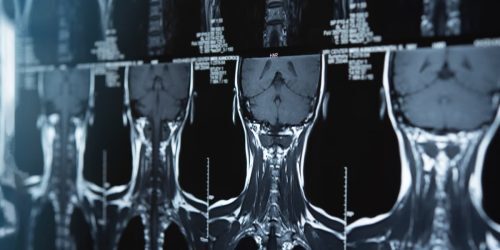
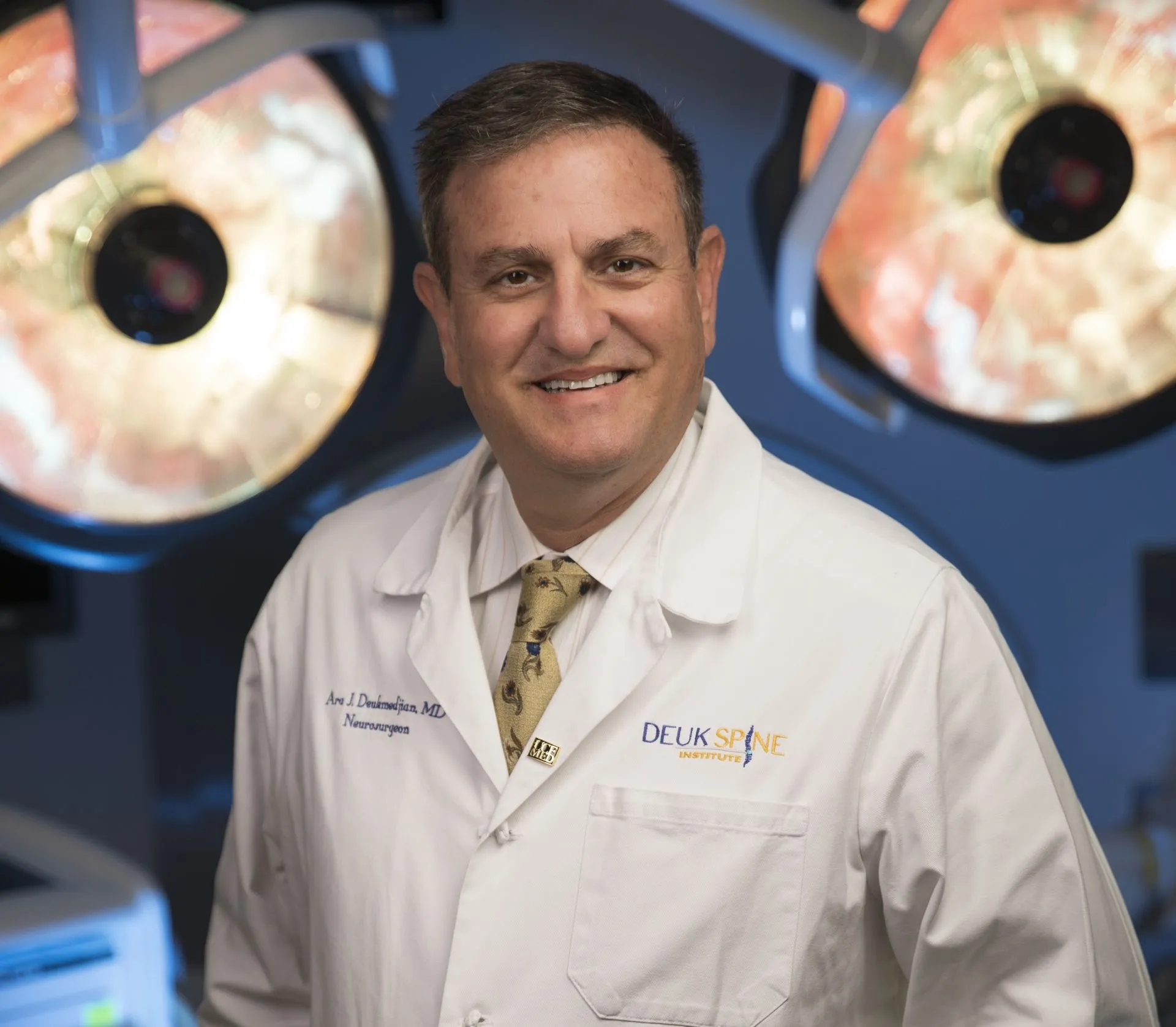
Upload your latest MRI for a free review and a personal consultation with myself, Ara Deukmedjian, M.D., founder of Deuk Spine Institute and creator of theDeuk Laser Disc Repair® procedure.
Watch Deuk Laser Disc Repair in Action
Our goal is to be completely transparent about our process and procedures for treating neck issues. Welivestream surgeries with our patients’ written consent, allowing you to observe our technique.
Anatomy of the Cervical Spine:
To begin the discussion, let’s start with some basic anatomy of the neck to get a better understanding of the information this series will cover.

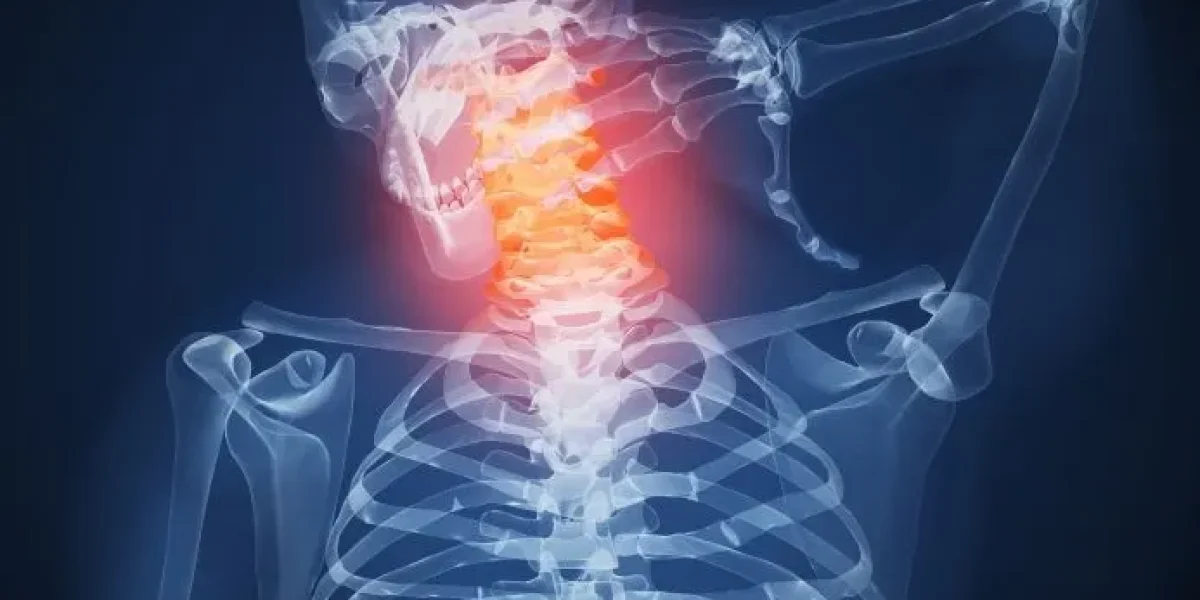
The neck is made up of seven bones, called vertebrae, labeled C1 through C7. Each vertebrae is considered a “level” of the spine. Identifying spinal segments helps doctors accurately locate injuries and communicate findings among healthcare professionals.
Each level is made up of several important structures:
- Vertebral Body: There are 7 cervical vertebrae that are in your neck. They protect the spinal cord, provide support, and enable movement.
- Discs: These are the spongy cushions between the vertebrae that act as a shock absorber, allowing the spine to flex and bend.
- Facet Joints: These are joints located at the back of every vertebral body that connect the adjacent vertebrae that allows the spine to bend and twist while also providing stability.
- Nerve Roots: These are a bundle of nerve fibers that exit the spine and are responsible for motor and sensory functions in your neck and upper extremities (arms).
- Motor functions involve the body’s ability to move and coordinate actions.
- Sensory functions detect and relay information through receptors that involve touch and feel.
But you may be wondering – what does a normal neck look like?
A healthy neck has a natural forward curve to it. It looks like a gentle “C shape”. This is called a lordotic curve. This shape helps support and absorb shock. In a healthy neck, there will be no signs of fractures of the vertebrae, the discs will be well hydrated and plump, and the facet joints will have minimal to no arthritis.
Movement of a healthy cervical spine can vary depending on the direction you are moving your neck. General values of degrees of movement are as follow:
- Flexion (Forward Bending): 50-60 degrees
- Extension (Backward Bending): 60-75 degrees
- Rotation (Side-to-side): 70-90 degrees
- Lateral (Ear to Shoulder): 40-45 degrees
Common Injuries to the Neck:
As mentioned before, the cervical spine is delicate. Injuries may develop gradually or happen suddenly, leading to symptoms in the neck and/or arms. The mechanism of injury can include:
- Trauma/Injury
Car accidents, whiplash, falls, or contact injuries are common ways to injure the spine and cause pain. These occurrences can either injure the muscles, bones, or discs in the neck.
When disc material pushes outward, it can press on nearby nerves and cause pain, numbness, and/or tingling in the neck and arms.
Age related changes such as disc height or joint arthritis can cause stiffness, pain and limited movement.
- Facet Joint Arthritis
Arthritis in the facet joints create inflammation and irritation that leads to sharp pain with movement of the spine.
Deuk Spine Institute Difference:
Here at the Deuk Spine Institute, we specialize in curing chronic neck pain. Using state-of-the-art technology, we address both discogenic pain and pain originating from the facet joints.
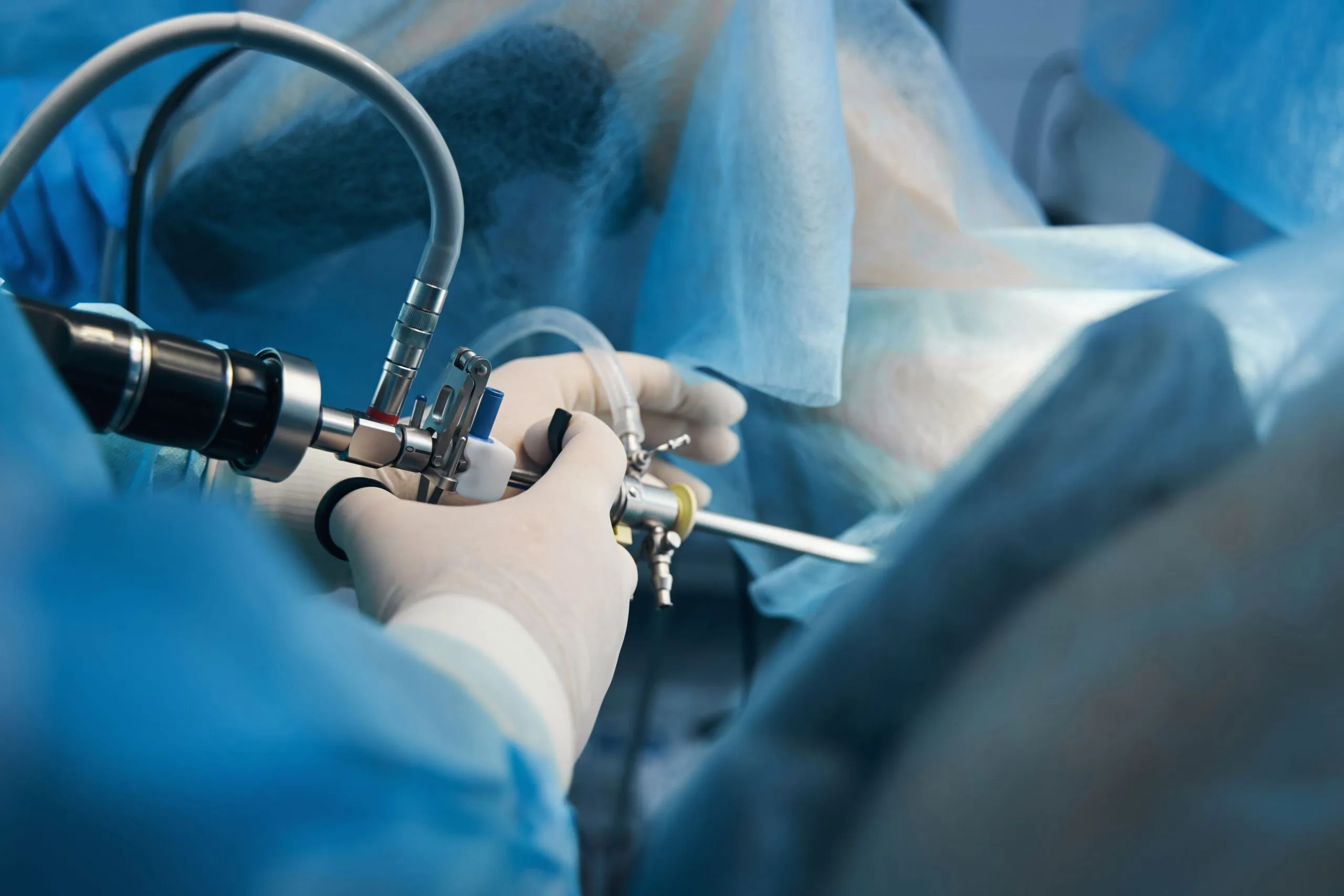
The Deuk Laser Disc Repair (DLDR) is the most advanced surgery for curing discogenic neck pain. With a 4-millimeter incision through the front of the neck, and a high powered laser, we can erase the herniated disc pressing on your nerves causing symptoms. This surgery is so advanced compared to other invasive surgeries such as fusions and laminectomies due to it being minimally invasive requiring no metal or hardware to be placed in your body. Also, this surgery is done outpatient, so you get to go home the same day as compared to other surgeries done where you recover in a hospital for multiple days. This surgery does not require any post-operative narcoticS due to its minimally invasive approach.
The other treatment that we offer is the Deuk Plasma Rhizotomy (DPR) to treat pain of the facet joints in the cervical spine. This procedure is also minimally invasive, requiring no post-operative narcotics and no metal or hardware being placed in your body.
These surgeries are the best alternatives to other spine surgeries that are much more invasive and have a much lower success rate than the surgeries offered here at the Deuk Spine Institute. The DLDR has a 99.6% success rate at eliminating discogenic neck pain. Other surgeries like fusions have about a 50% success rate of getting rid of your neck pain. Why take the gamble with those odds? The DLDR and the DPR are the best, safest, and most advanced alternatives to cure neck pain in patients.
Frequently Asked Questions About Your Neck:
Q: How do I know if my neck pain is serious?
A: Symptoms such as numbness, severe weakness, bowel or bladder issues, or loss of coordination are signs that your neck pain is serious.
Q: Can neck problems cause headaches and dizziness?
A: Yes. Irritation to some of the nerves in the upper part of the cervical spine can cause headaches. These are called cervicogenic headaches, which start at the base of the skull and radiate to the temple, behind the ears, or into the forehead.
Q: Can posture really cause neck pain?
A: Yes! Bad posture can lead to strain on the muscles in the neck and strain on the joints. This is a common cause of neck pain and discomfort.
Q: Is surgery the only way to treat neck pain?
A: No, surgery is not the only way to treat neck pain. Common conservative treatment options include physical therapy, medication, and pain management injections. While these options can help with the pain, they are just temporary solutions to getting the neck pain and symptoms fixed.
Q: How can I avoid causing neck pain?
A: You can avoid causing neck pain by improving posture and strengthening the muscles in the neck. This can include keeping your head aligned over your shoulders, staying active and managing stress. These are just a few examples to help avoid causing neck pain.