

You were just in a car accident. Your neck hurts, and you’re worried about how serious it might be. You’ve heard the term whiplash, but don’t know what it means for your recovery. Your insurance company and doctors are telling you different things about whiplash treatment, and you’re confused about whether you need imaging, what symptoms are normal, and when you should be concerned.
After over 30 years of performing spine surgery and treating thousands of patients with neck pain after car accidents, I’ve learned that the guidance you receive in the first days and weeks after trauma determines your long-term outcome. Many patients who develop chronic neck pain could have avoided it with proper evaluation and treatment in the acute phase. Others spend months in ineffective conservative care when early intervention would have prevented permanent damage.
Here’s your step-by-step guide to understanding what happened to your neck, when to get evaluated, how proper diagnosis combines MRI with physical examination, and when targeted treatment becomes necessary to prevent chronic pain and degenerative disc disease.
Understanding Whiplash: What Actually Happened to Your Neck
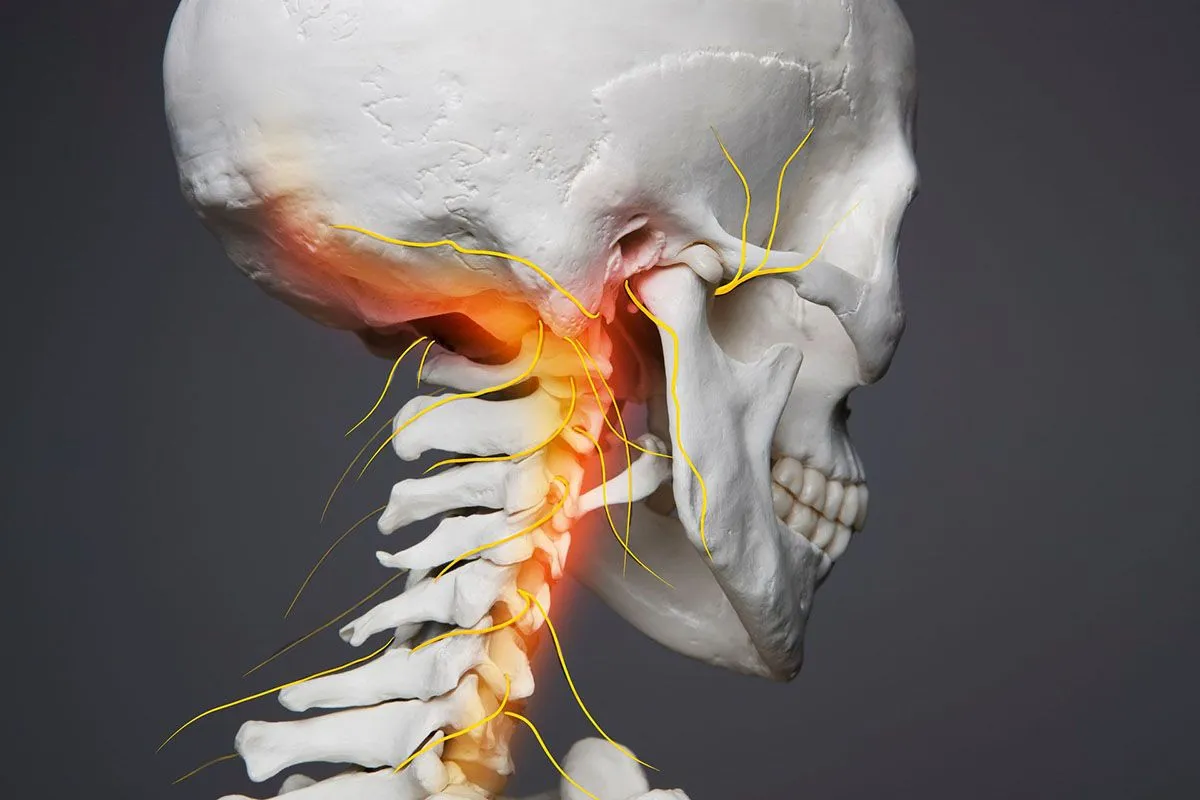
Whiplash describes the mechanism of injury, not a specific diagnosis. When your vehicle stops suddenly or gets hit, your body stops with the vehicle, but your head continues moving forward or backward due to inertia. This creates rapid acceleration and deceleration forces on your cervical spine.
The Forces That Cause Injury
- Hyperextension: Your head snaps backward, stretching the anterior (front) structures of your neck beyond their normal range
- Hyperflexion: Your head then whips forward, straining the posterior (back) structures
- Rotational Forces: If the impact comes from the side, your head rotates, creating additional stress on discs and ligaments
- Compression: Vertical forces compress the cervical spine, particularly affecting the discs
What These Forces Do to Your Discs
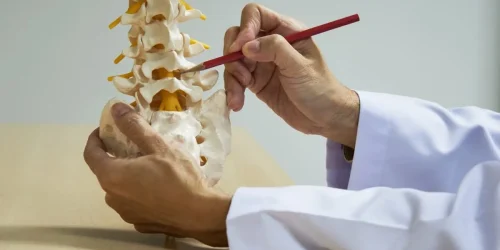
The rapid movement creates tears in the annulus fibrosus, the tough outer layer of your cervical discs. These annular tears most commonly occur in the posterior (back) portion where the annulus is thinnest. When the nucleus pulposus, the gel-like center of the disc, herniates through these tears, it triggers inflammation that becomes the primary source of chronic neck pain.
These disc injuries from trauma are not minor sprains that heal with time. They represent structural damage that leads to degenerative disc disease, the most common cause of chronic neck pain. Based on my clinical experience with over 100,000 procedures since 2004, approximately 85% of chronic neck pain originates from these traumatic disc injuries.
Why Symptoms May Be Delayed
Many patients feel relatively fine immediately after the accident, only to develop significant pain 24-48 hours later. This delay occurs because the initial inflammatory response takes time to develop. Adrenaline immediately after trauma can also mask pain temporarily. The absence of immediate severe pain doesn’t mean you avoided injury.
Immediate Steps After the Accident (0-48 Hours)
When to Go to the Emergency Room Immediately
Get emergency evaluation if you experience any of these symptoms:
- Loss of Consciousness: Any period of being knocked out, even briefly
- Severe Headache: Intense headache that doesn’t improve with over-the-counter medication
- Vision Changes: Double vision, blurred vision, or visual disturbances
- Confusion or Disorientation: Difficulty thinking clearly or remembering the accident
- Numbness or Tingling: Sensation changes in your arms, hands, or anywhere in your body
- Weakness: Difficulty moving your arms or legs normally
- Balance Problems: Difficulty walking or maintaining coordination
- Nausea or Vomiting: Persistent nausea, especially with headache
When Urgent Care or Next-Day Evaluation Is Appropriate
If you have neck pain or stiffness without the red flag symptoms above, you can wait for urgent care or schedule an appointment with a spine specialist within 24-48 hours. However, don’t delay evaluation, hoping symptoms will resolve on their own.
Initial Care Measures
- Ice Application: Apply ice for 15-20 minutes every 2-3 hours during the first 48 hours
- Gentle Movement: Avoid strenuous activities but don’t remain completely immobile
- Anti-Inflammatory Medications: Ibuprofen or naproxen to reduce inflammation and pain
- Document Symptoms: Track symptom progression and keep records of all medical visits for insurance and treatment planning
The First Week: Normal vs Concerning Progression

Expected Symptoms
- Neck pain and stiffness worsening with movement
- Muscle spasm in neck and shoulders
- Headaches originating from base of skull
- Reduced range of motion
Concerning Symptoms Requiring Evaluation
- Pain increasing rather than plateauing after 3-4 days
- Development of arm pain, numbness, or tingling
- Progressive weakness in arms or hands
- Loss of dexterity in your hands or dropping objects
- Urinary urgency or incontinence
- Balance difficulties
- Severe pain preventing sleep despite medication
Diagnostic Evaluation: Why Both MRI and Physical Exam Are Essential
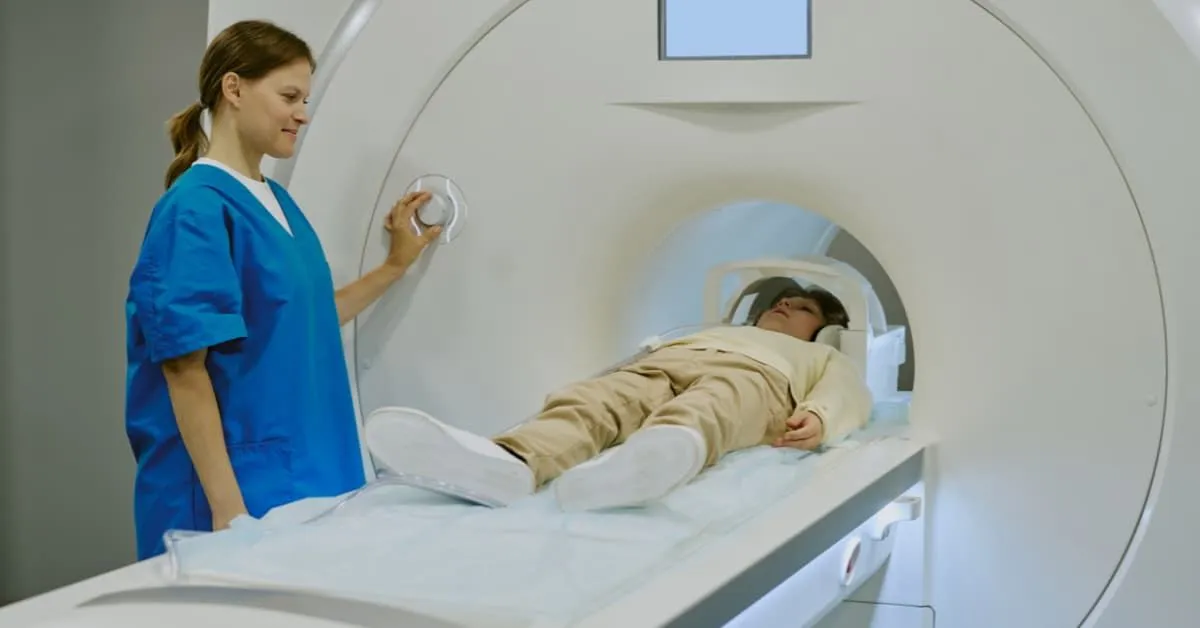
MRI: The Most Helpful Diagnostic Test
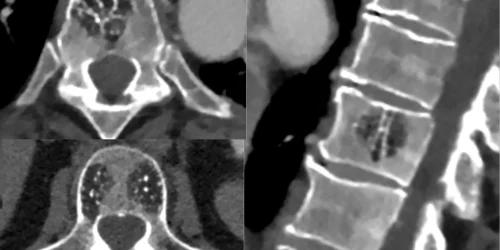
MRI is the most helpful diagnostic test for evaluating neck pain after car accidents because it shows:
- Annular Tears: Tears in the disc’s outer layer that may not be visible on X-rays
- Disc Herniations: Nucleus pulposus material that has herniated through tears
- Facet Joint Damage: Injury to the small joints behind the discs
- Ligament Injuries: Damage to stabilizing ligaments
- Nerve Compression: Herniated material or bone spurs contacting nerve roots
- Spinal Cord Status: Any compression or injury to the spinal cord itself
Why MRI Alone Cannot Provide Diagnosis
This is a critical point that many patients and even some physicians misunderstand. MRI alone cannot provide a diagnosis because:
- Asymptomatic Abnormalities:Over 90% of asymptomatic people show disc abnormalities on MRI imaging. Your MRI may reveal findings that are completely unrelated to your pain.
- Multiple Findings: Your MRI may show herniations at several levels, but only one or two might be causing your symptoms
- Severity Mismatch: Small herniations can cause severe pain if they’re actively inflamed, while large herniations with stable tears may cause no symptoms
- Imaging Limitations: MRI shows structure, not function or pain generation
The Essential Role of Physical Examination
Proper diagnosis requires correlating MRI findings with physical examination. The Deuk Spine Exam® achieves 99% diagnostic accuracy in my clinical experience by combining:
- Symptom Reproduction: Specific movements that recreate your exact pain pattern identify which structures are generating symptoms
- Neurological Testing: Muscle strength, reflexes, and sensation testing identify nerve involvement
- Palpation: Feeling for tenderness, muscle spasm, and structural abnormalities
- Range of Motion Assessment: Determining which movements are limited and painful
- Correlation with Imaging: Connecting physical findings to specific abnormalities visible on MRI
This correlation is why you need a specialist evaluation, not just an MRI report. The report describes what’s visible on imaging, but it cannot tell you which findings are causing your symptoms or what treatment approach will be effective.
Understanding Your Injury: Why Disc Damage Doesn't Heal
The Link to Degenerative Disc Disease
Disc injuries from trauma are not acute injuries that heal like a muscle strain or bone fracture. When the annulus fibrosus tears and nucleus pulposus herniates through that tear, several permanent changes occur:
- Chronic Inflammation: The herniated material trapped in the tear triggers ongoing inflammation that prevents natural healing
- Nerve Fiber Growth: Small pain nerve fibers grow into the inflamed tissue, increasing pain signals over time
- Disc Degeneration: The injured disc begins degenerating, losing height and cushioning ability
- Cascade Effect: Degeneration at one level increases stress on adjacent discs, accelerating their degeneration
This progression from acute traumatic injury to chronic degenerative disc disease is why early intervention matters. The disc injury doesn’t heal on its own. Without treatment that addresses the structural damage, the inflammatory process continues, and degeneration progresses.
Distinguishing Neck Pain from Nerve Symptoms
Your symptoms may include both neck pain and arm symptoms, but these originate from different problems:
- Neck Pain: Comes from the disc injury itself (inflammation in the posterior annular tear) or from facet joint damage
- Arm Symptoms: Shooting pain, numbness, tingling, or weakness in your arm comes from nerve compression or irritation
Both problems may originate from the same damaged disc, but they represent different injury mechanisms requiring different evaluations.
The 6-Week Mark: When Acute Becomes Chronic
Chronic pain is medically defined as pain lasting 6 weeks or more. This timeline represents the point where acute inflammatory processes should have resolved if the injury were going to heal naturally. Pain persisting beyond 6 weeks indicates a structural problem that will not resolve with conservative care alone.
Why This Timeline Matters
- Six weeks provides adequate time to determine if conservative treatments will be effective
- Pain persisting this long indicates annular tears with trapped herniated material that won’t heal naturally
- Early treatment prevents progression to advanced degenerative disc disease
- Most insurance companies recognize 6 weeks as the reasonable trial period for conservative care
If your neck pain persists at the 6-week mark, continuing the same conservative treatments for additional months rarely produces different results. This is the appropriate time to pursue specialist evaluation with proper correlation of MRI and physical exam findings, and consider definitive treatment that addresses the structural disc injury.
Conservative Treatment: Understanding the Limitations
What Physical Therapy and Medications Can Do
- Reduce Inflammation Temporarily: Anti-inflammatory medications decrease inflammation while you’re taking them
- Maintain Mobility: Physical therapy prevents stiffness and maintains range of motion
- Strengthen Supporting Muscles: Exercise builds muscle support around the injured area
- Manage Symptoms: These approaches provide symptom management during the acute phase
What They Cannot Do
- Cannot Repair Annular Tears: No amount of physical therapy can repair tears in the annulus fibrosus
- Cannot Remove Herniated Material: The nucleus pulposus trapped in the tear causing inflammation remains
- Cannot Reverse Degeneration: Once disc degeneration begins, conservative treatments cannot stop or reverse it
- Cannot Prevent Chronic Pain: If structural damage exists, symptom management doesn’t address the underlying problem
Disc injuries do not heal on their own. This is the critical fact that many patients and physicians fail to recognize. The tear in the annulus fibrosus, with herniated nucleus pulposus material causing chronic inflammation, represents a mechanical problem requiring a mechanical solution.
Urgent Symptoms Requiring Immediate Evaluation
Even if you’re past the acute phase, certain symptoms indicate potentially serious problems requiring immediate medical attention:
- Progressive Weakness: Increasing difficulty using your arms or hands, dropping objects, or inability to lift your arms
- Loss of Dexterity: Difficulty buttoning shirts, gripping objects, or performing fine motor tasks with your hands
- Coordination Problems: Problems with balance, clumsy hand movements, or difficulty with tasks requiring coordination
- Bowel or Bladder Changes: Urinary urgency, incontinence, or new difficulty controlling bowel or bladder function
- Severe Headaches: Intense headaches that are different from your usual post-accident headaches
- Gait Changes: Difficulty walking normally or maintaining balance
These symptoms suggest possible spinal cord involvement or severe nerve compression requiring urgent intervention.
Definitive Treatment: Targeted Endoscopic Care
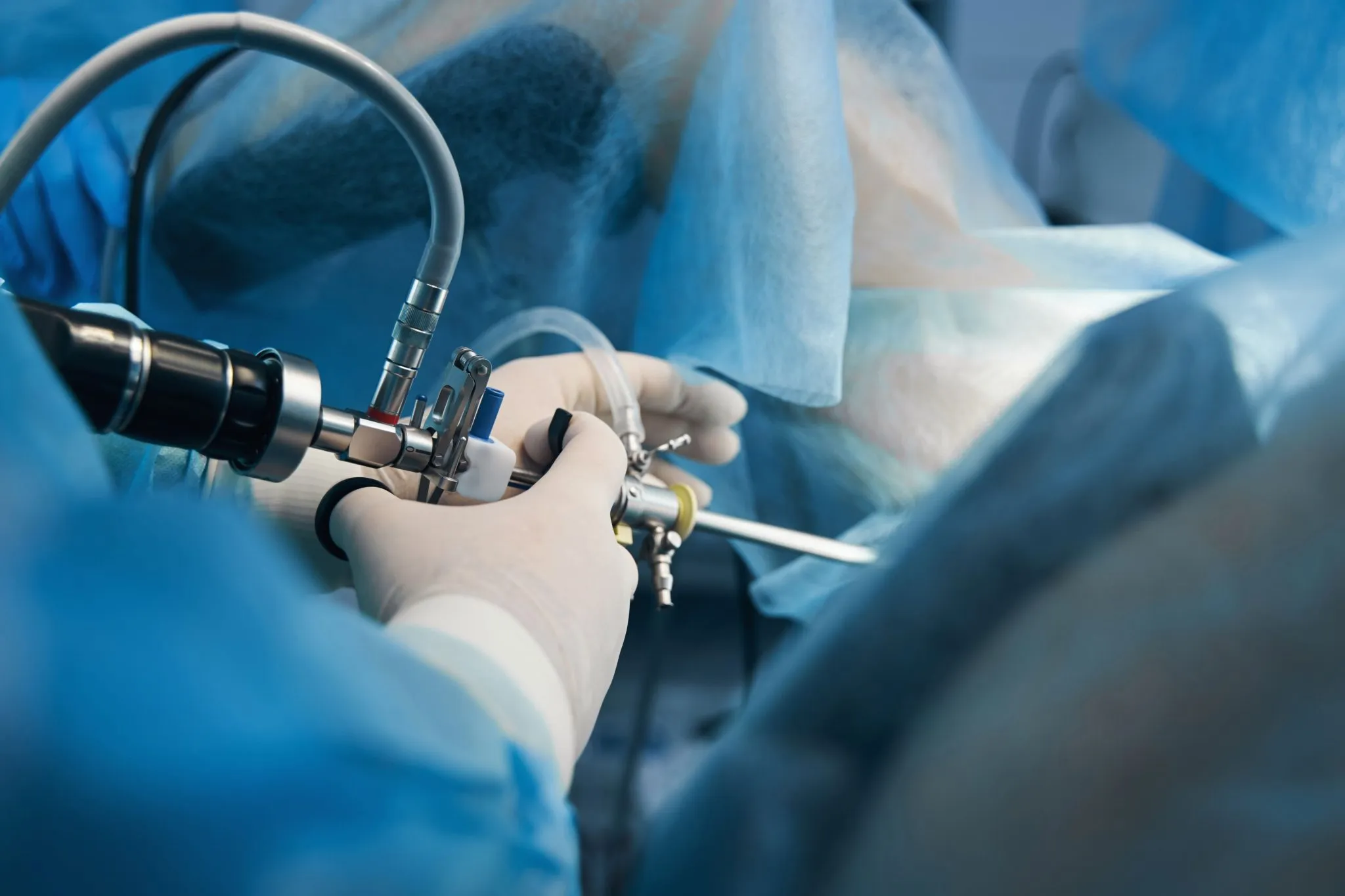
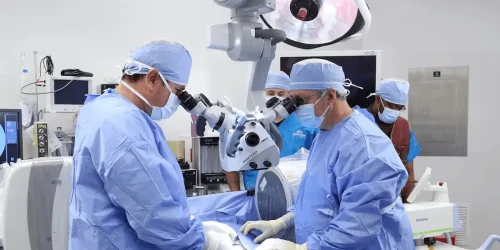
Deuk Laser Disc Repair® for Traumatic Disc Injuries
For traumatic disc injuries causing chronic neck pain, the Deuk Laser Disc Repair® provides targeted treatment that addresses the structural problem:
- Removes Inflammatory Tissue: Using laser energy and specialized instruments, I remove the inflammatory tissue from the posterior annular tear
- Debrids the Tear: Careful debridement of the damaged area eliminates the pain source
- Allows Natural Healing: Once inflammatory tissue is removed, the tear can heal naturally over 9-12 months
- Prevents Degeneration: Early treatment stops the progression from acute injury to chronic degenerative disc disease
- Preserves Motion: Unlike fusion, the procedure maintains your neck’s natural mobility
Procedure Details and Recovery
- Minimal Access: 4mm incision using endoscopic technique
- Duration: Approximately 20 minutes per disc
- Recovery: Patients walk within an hour after the procedure
- Return to Activities: Most patients return to normal activities within days to weeks
Outcomes for Trauma Patients
In my clinical experience with over 2,700 Deuk Laser Disc Repair® procedures, patients report an average of 99% pain relief for treated pain sources. The complication rate is 0.01%, with no major complications. For patients with traumatic disc injuries treated within the first few months after injury, outcomes are particularly favorable because we intervene before advanced degeneration develops.
Your Recovery Timeline
Acute Phase (0-6 Weeks)
- Focus on symptom management and preventing complications
- Pursue MRI if symptoms are significant or not improving by 2 weeks
- Obtain specialist evaluation for proper diagnosis
- Make informed decisions about treatment approach
Chronic Phase (6+ Weeks)
- Recognize that persistent pain indicates structural damage
- Understand that conservative care has reached its limits
- Consider definitive treatment to prevent long-term complications
- Act before advanced degeneration develops
Preventing Long-Term Complications
Benefits of Early Intervention
- Stops Degeneration: Treatment before advanced degeneration develops produces better outcomes
- Prevents Chronic Pain: Addressing structural damage early prevents years of suffering
- Maintains Function: Early treatment preserves neck mobility and strength
- Avoids Cascade: Preventing degeneration at one level protects adjacent discs
- Prevents Disuse Atrophy: Early intervention stops the cycle of pain-related inactivity that leads to muscle and joint atrophy, creating additional problems beyond the original injury
- Protects Your Lifestyle: Avoids the devastating secondary consequences of untreated chronic pain, including dependence on pain medication, job loss, and deteriorating quality of life
Risks of Delayed Treatment
- Progressive disc degeneration that becomes more difficult to treat
- Development of facet arthritis from abnormal biomechanics
- Muscle atrophy and joint deterioration from prolonged pain and inactivity
- Psychological impact of chronic pain on quality of life
- Increased risk of pain medication dependence the longer treatment is delayed
- Increased difficulty returning to normal activities and employment
Get Expert Evaluation of Your Injury
At Deuk Spine Institute, I personally review every MRI submitted through our free review program. For patients with neck pain after car accidents, this review provides:
- Detailed analysis of annular tears, disc herniations, and nerve compression visible on your MRI
- Assessment of which findings are likely causing your symptoms based on injury mechanism
- Explanation of why certain injuries don’t heal naturally
- Clear guidance on treatment options, from conservative care to definitive intervention
- Timeline recommendations based on your specific injury pattern
- No obligation consultation to help you make informed decisions
Understanding Your Path to Recovery
Whiplash treatment and recovery from neck pain after car accidents requires understanding several critical facts:
- Disc Injuries Don’t Heal on Their Own: Annular tears with herniated material causing chronic inflammation represent structural damage requiring intervention
- MRI Alone Cannot Diagnose: Proper diagnosis requires correlation of imaging findings with physical examination
- Chronic Pain Begins at 6 Weeks: Pain persisting beyond this timeline indicates structural problems that won’t resolve with conservative care
- Trauma Leads to Degeneration: Disc injuries from accidents progress to degenerative disc disease without treatment
- Early Intervention Matters: Treating structural damage before advanced degeneration develops produces the best outcomes
Based on my clinical experience with over 100,000 procedures since 2004 and over 30 years treating spine trauma, the key to successful recovery is accurate diagnosis combining MRI with focused physical examination, understanding that disc injuries require structural repair, recognizing the 6-week timeline when acute becomes chronic, and pursuing definitive treatment before degenerative changes become advanced.
If you’re experiencing neck pain after a car accident, don’t wait months hoping it will resolve on its own. Submit your MRI for a free review to understand the specific structural damage present and what treatment approach will most effectively address it. Early evaluation and appropriate intervention can prevent years of chronic pain and progressive degeneration.