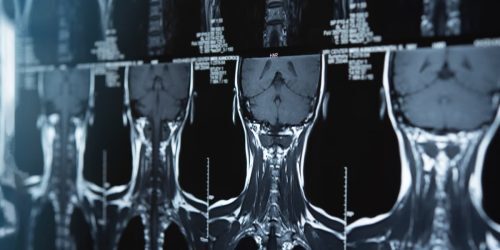


Your neck pain has persisted for months despite physical therapy, chiropractic adjustments, and pain medication. You’ve followed every recommendation from multiple specialists, yet the burning discomfort radiating into your shoulder blades and arms continues disrupting your sleep and limiting your daily activities.
I know this pattern because cervical disc injuries account for 85% of chronic neck pain cases, and the fundamental problem with most treatment approaches is they attempt to manage symptoms rather than address the structural damage causing your pain. After performing over 2,000 cervical spine procedures with zero complications, I’ve identified why conventional treatments fail and what actually works to eliminate chronic neck pain permanently.
Here’s the critical distinction most patients don’t understand – disc injuries in your cervical spine do not heal on their own. Physical therapy cannot repair a torn annular fiber. Chiropractic manipulation cannot reverse disc degeneration. Pain management cannot eliminate the inflammation from a herniated nucleus pulposus trapped in an annular tear. These approaches provide temporary symptom relief at best, which explains why your neck pain keeps returning despite months or years of conservative care.
This article provides a clear roadmap from symptom control to definitive treatment, explaining when conservative measures are appropriate and when persistent nerve irritation from an annular tear requires targeted intervention.
Why Chronic Neck Pain Develops and Persists
Chronic neck pain means neck discomfort lasting more than two weeks, occurring intermittently or continuously. The cervical spine contains seven vertebrae (C1-C7) with six intervertebral discs (C2-C3 through C7-T1) that absorb shock and permit neck movement. When these discs sustain injury, the resulting inflammation triggers persistent pain that conservative treatments cannot resolve.
The cervical discs most commonly responsible for chronic neck pain are:
- C5-C6: Causes pain between shoulder blades and into upper arms
- C6-C7: Creates pain radiating to shoulder blades and down arms
- C4-C5: Generates upper shoulder and neck discomfort
- C3-C4: Produces pain at base of skull and upper neck
Disc injuries occur when the tough outer layer (annulus fibrosus) develops tears, allowing the soft inner material (nucleus pulposus) to herniate through the opening. This herniated material becomes trapped in the tear, causing continuous inflammation. Small pain nerve fibers grow into the inflamed area over weeks and months, intensifying discomfort and creating the chronic pain cycle.
The specific mechanism matters because it explains why conventional treatments fail. Physical therapy strengthens surrounding muscles but cannot repair annular tears. Chiropractic adjustments may temporarily reduce muscle tension but cannot remove herniated disc material from annular tears. Anti-inflammatory medications reduce inflammation temporarily but cannot eliminate the herniation causing the inflammation.

When Conservative Care Is Appropriate
Conservative treatment provides value during the first 6-8 weeks after acute neck pain begins. This initial period allows your body’s natural healing processes to address muscle strain, ligament inflammation, and minor soft tissue injuries that may resolve without intervention.
Appropriate conservative treatments during this acute phase include:
- Physical therapy: Strengthens neck muscles, improves posture, maintains range of motion
- Anti-inflammatory medication: Reduces inflammation temporarily, manages acute pain episodes
- Activity modification: Prevents further injury, allows tissue healing
- Ergonomic adjustments: Reduces stress on cervical spine during work and daily activities
However, these approaches have clear limitations when structural disc damage exists.
Why Physical Therapy Cannot Fix Disc Injuries
Physical therapy strengthens the muscles surrounding your cervical spine and improves your posture, both beneficial for overall neck health. But strengthening muscles cannot repair a torn annular fiber or remove herniated disc material trapped in an annular tear. The exercises may reduce some muscle-related discomfort, but they cannot address the underlying structural problem causing your chronic pain.
I’ve evaluated hundreds of patients who completed 12-16 weeks of physical therapy without significant improvement. Their neck pain persists because the disc injury remains untreated. Physical therapy provides value as part of post-surgical rehabilitation but cannot serve as definitive treatment for disc-related chronic neck pain.
The Temporary Relief Pattern of Pain Management
Pain management approaches include:
- Epidural steroid injections: Reduce inflammation around nerve roots temporarily
- Facet joint injections: Address facet joint inflammation short-term
- Medial branch blocks: Interrupt pain signals from facet joints
- Oral pain medications: Mask symptoms without treating cause
These interventions provide weeks or months of relief in some patients, but the pain returns because the herniated disc material remains trapped in the annular tear. The inflammation regenerates, pain nerve fibers continue growing into the inflamed tissue, and the chronic pain cycle resumes.
Repeated injections increase risks including infection, bleeding, nerve damage, and progressive weakening of surrounding tissues. After 2-3 injection series without sustained improvement, continuing pain management delays definitive treatment while your condition potentially worsens.
Why Chiropractic Care Has Limited Effectiveness
Chiropractic manipulation can temporarily reduce muscle tension and may improve range of motion in some patients. However, manipulation cannot:
- Repair annular tears in cervical discs
- Remove herniated material from disc tears
- Eliminate inflammation from trapped herniations
- Reverse disc degeneration
- Stop pain nerve fiber growth into inflamed tissue
Some patients experience short-term symptom reduction after chiropractic treatment, but this relief reflects temporary muscle relaxation rather than correction of the underlying disc injury. The fundamental structural problem persists, which explains why chiropractic patients often require ongoing treatment indefinitely without achieving lasting pain elimination.
The Deuk Spine Exam: Identifying the True Pain Source
Effective treatment requires accurate identification of your pain source. Many patients receive cervical spine surgery that fails because surgeons operated on the wrong level or addressed conditions that weren’t causing the patient’s symptoms.
The Deuk Spine Exam combines three diagnostic elements:
- Detailed pain history: Pattern, location, radiation, triggers, duration, previous treatments
- Comprehensive physical examination: Range of motion, neurological function, provocative maneuvers, palpation
- Advanced imaging interpretation: MRI analysis identifying specific disc pathology, nerve compression, inflammation
This integrated approach achieves 99% diagnostic accuracy in identifying which cervical disc injury causes your chronic neck pain.
MRI Imaging: Essential But Not Sufficient
MRI scans reveal disc herniations, annular tears, nerve compression, and other structural abnormalities. However, MRI findings alone cannot determine which abnormality causes your symptoms. Studies show that 100% of people over 45 have disc herniations visible on MRI, but only 10-15% experience symptoms from those herniations.
The critical skill involves correlating MRI findings with your specific pain pattern and physical examination results. A herniation at C5-6 visible on MRI may or may not cause your shoulder blade pain. A C6-7 disc bulge might be incidental rather than symptomatic. Without expert correlation of imaging, history, and examination findings, treatment targets the wrong level, leading to failed surgery.
Diagnostic Injections: Confirming Pain Generators
When diagnostic uncertainty exists despite thorough examination and imaging review, selective diagnostic injections can confirm which structure generates your pain. These differ from therapeutic injections:
Diagnostic cervical discography: Injects contrast into suspected discs to reproduce your exact pain pattern, confirming that specific disc as your pain source
Selective nerve root blocks: Temporarily numbs individual nerve roots to determine if your arm pain originates from nerve compression versus disc inflammation
These diagnostic tools provide valuable information when examination and imaging findings conflict or multiple potential pain sources exist at different cervical levels.
Recognizing When You Need Definitive Treatment
Conservative treatment serves as the appropriate first step for acute neck pain. However, persistence beyond 6-8 weeks despite conservative care indicates structural disc damage that requires surgical correction.
Continue conservative treatment if:
- Your neck pain began less than 6 weeks ago
- You’re experiencing consistent improvement with current treatment
- Pain intensity decreases by 50% or more within 4-6 weeks
- You can return to normal activities without significant limitation
Consider definitive surgical treatment when:
- Neck pain persists beyond 8-12 weeks despite conservative care
- Pain intensity remains unchanged or worsens over time
- Multiple physical therapy courses provide only temporary relief
- Injection series offer progressively shorter relief periods
- Pain significantly limits work capacity or daily activities
- Arm weakness or numbness indicates nerve compression
Delaying definitive treatment when conservative care fails creates several problems. First, chronic inflammation from untreated disc injuries allows more pain nerve fibers to grow into the damaged tissue, intensifying your pain over time. Second, progressive disc degeneration may advance to stages requiring more extensive surgery. Third, prolonged pain impacts your quality of life, work performance, and psychological wellbeing unnecessarily when effective treatment exists.
The Deuk Laser Disc Repair: Targeted Treatment for Disc Injuries
When cervical disc injury causes chronic neck pain that conservative treatment cannot resolve, the Deuk Laser Disc Repair® addresses the specific pathology responsible for your symptoms.
This patented endoscopic procedure:
- Accesses the damaged disc through a 6mm incision in your neck using advanced endoscopic visualization
- Removes the herniated nucleus pulposus trapped in the annular tear causing inflammation
- Performs debridement of the torn annular fibers eliminating inflamed tissue and pain nerve fibers
- Uses laser energy to seal the tear promoting natural healing without fusion or artificial disc replacement
- Preserves your natural disc and cervical motion maintaining normal neck function
The procedure takes 45-60 minutes, performed as an outpatient surgery under general anesthesia. Patients walk within 1-2 hours after surgery and return home the same day. Recovery involves 2-4 weeks of restricted activity followed by gradual return to normal function.
Why This Approach Works When Others Fail
The Deuk Laser Disc Repair succeeds because it directly treats the pathology causing your chronic neck pain – the herniated material trapped in the annular tear. Unlike conservative treatments that address symptoms, this procedure:
- Removes the herniation causing inflammation
- Eliminates inflamed annular tissue containing pain nerve fibers
- Allows the tear to heal naturally without foreign materials
- Preserves your disc and natural neck motion
- Prevents the progressive degeneration requiring fusion
Published research in peer-reviewed journals demonstrates 95% success rates in eliminating chronic neck pain from cervical disc injuries. Over 20 years and 2,000+ cervical procedures, this approach has achieved zero complications – no infections, no nerve damage, no spinal fluid leaks, no hardware failures.
Deuk Plasma Rhizotomy for Facet Joint Pain
Approximately 10% of chronic neck pain originates from facet joints rather than discs. Facet joints are small weight-bearing joints located behind each cervical disc. Injury to facet joint capsules creates chronic inflammation and pain similar to disc injuries.
When facet joints cause your chronic neck pain, the Deuk Plasma Rhizotomy® provides definitive treatment by permanently destroying the pain-mediating nerves inside the affected facet joints. This 30-minute outpatient procedure eliminates facet joint pain permanently without the temporary relief pattern of repeated injections.
Your Treatment Journey From Evaluation to Recovery
Initial Consultation: Comprehensive evaluation including detailed pain history, physical examination, and MRI review. This appointment determines whether your chronic neck pain originates from disc injury, facet joints, or other structures. We identify the specific cervical level causing your symptoms with 99% accuracy using the Deuk Spine Exam.
Treatment Planning: Based on diagnostic findings, we develop your personalized treatment plan. For disc-related pain, the Deuk Laser Disc Repair® targets the specific cervical disc causing your symptoms. For facet joint pain, the Deuk Plasma Rhizotomy® addresses the affected joints. This planning phase includes discussing expected outcomes, recovery timeline, and answering your questions about the procedure.
Procedure Day: Arrive at our outpatient surgical center for your scheduled procedure. The surgery takes 45-60 minutes under general anesthesia. Following a brief recovery period where you’re monitored as anesthesia wears off, you walk out and return home the same day. No hospital admission required.
Early Recovery (Days 1-14): Manage post-procedure discomfort with prescribed medications. Wear a soft cervical collar for comfort and support. Limit overhead reaching, heavy lifting, and strenuous activities. Most patients return to desk work within 5-7 days.
Intermediate Recovery (Weeks 2-6): Gradually increase activity levels as your neck heals. Begin gentle neck exercises to maintain range of motion. Progressively reduce pain medication as discomfort resolves. Return to most normal activities, including driving, light exercise, and regular work duties.
Long-Term Results: By 6-8 weeks post-procedure, most patients experience complete or near-complete elimination of their chronic neck pain. Natural disc healing occurs over 3-6 months. Your neck maintains normal motion and function without the stiffness and instability associated with fusion surgery.
Take Action to Eliminate Your Chronic Neck Pain
Chronic neck pain from disc injuries will not resolve on its own. Conservative treatments provide temporary symptom relief but cannot repair annular tears, remove trapped herniations, or eliminate the inflammation causing your persistent discomfort. Each month you delay definitive treatment allows more pain nerve fibers to grow into inflamed tissue, potentially intensifying your symptoms and making eventual recovery more challenging.
The Deuk Laser Disc Repair® offers a proven solution – a minimally invasive endoscopic procedure that addresses the specific pathology responsible for 85% of chronic neck pain cases. With 95% success rates, zero major complications over 2,000+ procedures, and same-day outpatient treatment, this approach provides the definitive treatment that failed conservative care could not deliver.
Your next step is obtaining an accurate diagnosis through the Deuk Spine Exam. Submit your MRI for free expert review, or schedule a consultation to discuss your chronic neck pain and treatment options. Take control of your neck pain rather than continuing ineffective conservative treatments that cannot fix the underlying disc injury causing your symptoms.