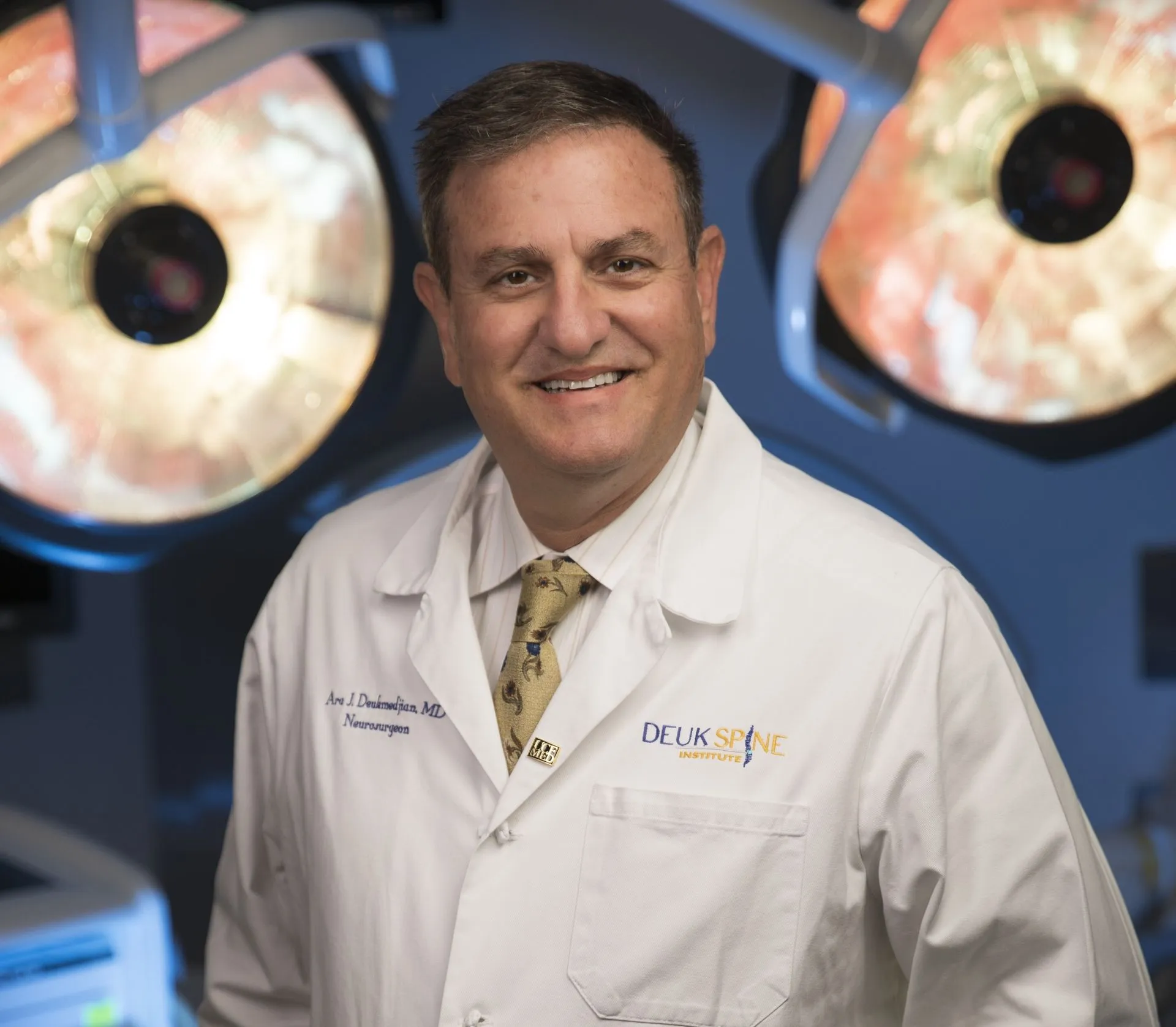
By Dr. Ara Deukmedjian, MD
Board-Certified Neurosurgeon, Deuk Spine Institute
Medically reviewed on February 19, 2026
Medical disclaimer: This content is for educational purposes only and does not constitute medical advice. Individual results may vary. Always consult with your healthcare provider about your specific condition and treatment options.
Key Points
According to the CDC, 24.3% of U.S. adults experienced chronic pain in 2023, with 8.5% reporting high-impact pain that limited daily life or work.
✓ Most patients with chronic back or neck pain are offered – “pain management” instead of a real cure, often relying on opioids, steroid injections, or spinal fusion.
✓ A 2024 meta-analysis – published in Addiction found that nearly 10% of chronic pain patients treated with opioids develop opioid use disorder, and 30% show signs of dependence.
✓ Deuk Laser Disc Repair® (DLDR)– is a minimally invasive, outpatient procedure that eliminates the source of pain without fusion, hardware, or general anesthesia.
✓ With over 2,700 procedures performed – Deuk Spine Institute reports a 0.01% complication rate and 0% infection rate for DLDR.
✓ Endoscopic disc repair – research published in 2024 confirms significantly lower blood loss, shorter hospital stays, and fewer complications compared to traditional open surgery.
✓ Chronic pain – does not have to be permanent. The right diagnosis and the right treatment can eliminate pain at its source.
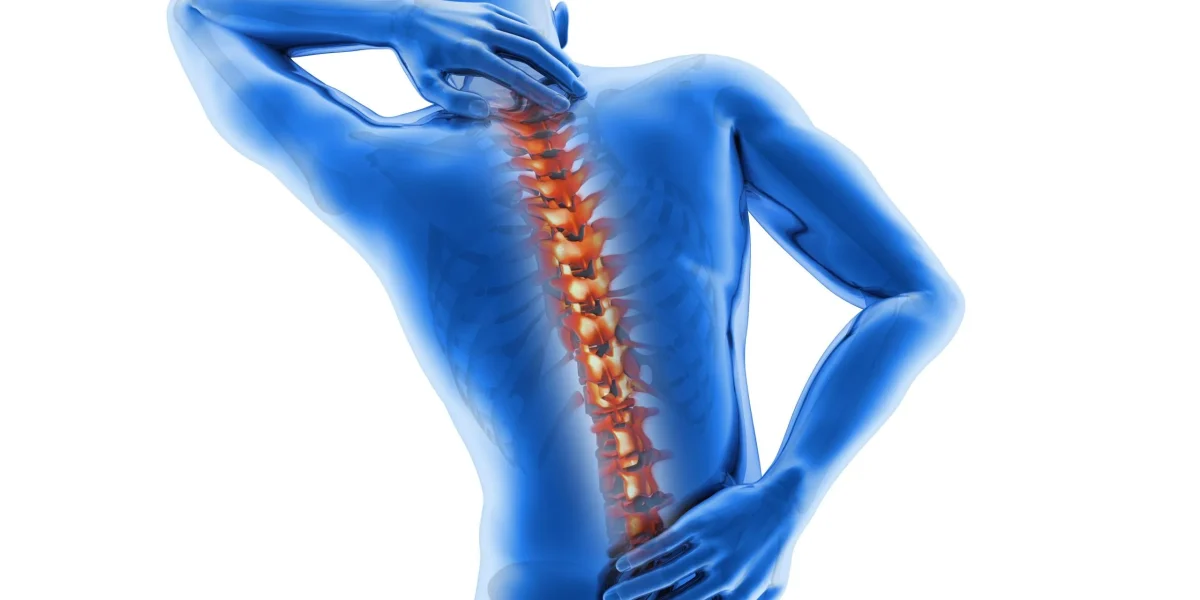
For millions of Americans, chronic pain has become an uninvited companion. It is the low ache that greets you in the morning, the burning throb that steals your concentration at work, and the deep stiffness that robs you of a full night’s sleep. Over time, many people accept this pain as an unavoidable part of their lives. They adjust their routines around it. They stop doing the things they love. They quietly give up.
But what if it didn’t have to be this way?
At Deuk Spine Institute, we operate from a belief that is backed by science and confirmed by thousands of patient outcomes: chronic pain is not permanent. It is not a life sentence. And with the right approach, you can be free from it. Not just numbed. Not just managed. Truly free.
According to the most recent data from the Centers for Disease Control and Prevention, 24.3% of U.S. adults experienced chronic pain in 2023, and 8.5% reported pain that frequently limited their ability to work or carry out daily activities. 1 Back pain alone affects roughly 39% of adults and is the most commonly reported pain site in the country. These are not just statistics. These are people: parents who cannot pick up their children, workers who cannot complete a shift, retirees who cannot enjoy the years they worked so hard to reach.
At Deuk Spine, we see these people every day. And we help them get their lives back.
The False Promise of 'Pain Management
When patients first seek help for chronic back or neck pain, they are frequently handed a script. Not a solution. A script. That script usually includes some combination of physical therapy, anti-inflammatory medications, steroid injections, and, far too often, opioid pain relievers. The language surrounding this approach is telling: pain management. Not pain elimination. Not a cure. Simply management.
There is a meaningful difference between managing pain and eliminating it. Pain management accepts that pain is going to stay and focuses on making it slightly more bearable. Eliminating pain means finding its actual cause and fixing it permanently.
At Deuk Spine Institute, we ask a different question every time: why manage pain when you can eliminate it?
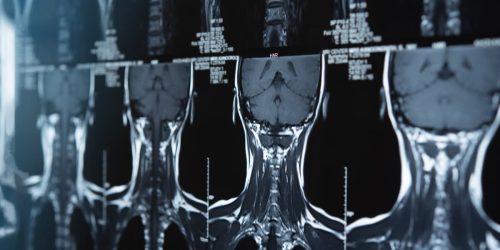
Our physicians are among the most experienced spine specialists in the world. They do not guess. They diagnose with precision, using high-resolution MRI and detailed neurological assessments to find the exact structural source of your pain. Then they treat that source directly, without lifelong medications or invasive procedures that sacrifice bone, tissue, or flexibility.
The Opioid Trap
The risks of long-term opioid use for chronic pain patients are serious and well-documented. A 2024 systematic review and meta-analysis published in the journal Addiction analyzed over 4.3 million participants and found that approximately 10% of chronic pain patients prescribed opioids develop opioid use disorder, while about 30% display signs and symptoms of dependence. 2 Research published in 2024 reports that opioid use disorder affects over 2.1 million Americans and contributes to more than 120,000 deaths worldwide each year. 3
Opioids do not fix a herniated disc. They do not heal a torn annulus. They do not remove the inflammatory tissue compressing your nerve root. They suppress your brain’s perception of pain while the structural problem continues to worsen. And when the medication begins to lose its effectiveness, as it inevitably does, the dose must increase. The cycle deepens. The problem grows.
Patients deserve better. They deserve someone who looks at the root cause and offers a genuine solution.
Understanding the Source of Chronic Spinal Pain
Before any treatment can be truly effective, the source of pain must be accurately identified. This sounds obvious, but it is more difficult than it seems. Chronic back and neck pain can originate from several different structures within the spine, and identifying the precise culprit requires both expertise and advanced diagnostic tools.
The most common structural sources of chronic discogenic pain include:
- Herniated or bulging discs pressing on nerve roots or the spinal cord
- Annular tears, where the outer wall of a spinal disc develops painful cracks or fissures
- Degenerative disc disease, where disc height and hydration are lost over time
- Inflammatory tissue within the disc space generating persistent chemical pain signals
- Spinal stenosis, a narrowing of the spinal canal that compresses nerves
- Sciatica, nerve root irritation that radiates pain down the leg
- Facet joint degeneration, contributing to axial back pain and stiffness
Far too often, patients are treated for their symptoms rather than the underlying structural cause. Physicians prescribe medication to quiet the pain signal without removing the source that is generating it. At Deuk Spine, we get the diagnosis right the first time. We do not guess, and we do not settle for vague findings. We listen carefully, examine thoroughly, and use the most advanced imaging available to develop a precise picture of what is causing your pain.
Once that picture is clear, we develop a plan to address the cause directly. Not to mask it. To eliminate it.
Deuk Laser Disc Repair: Eliminating Pain at the Source
The cornerstone of our surgical outcomes is a groundbreaking procedure developed by Dr. Ara Deukmedjian. Deuk Laser Disc Repair® (DLDR). This minimally invasive, outpatient endoscopic procedure has changed the lives of thousands of patients who were told their only options were spinal fusion, long-term opioid therapy, or continued suffering.
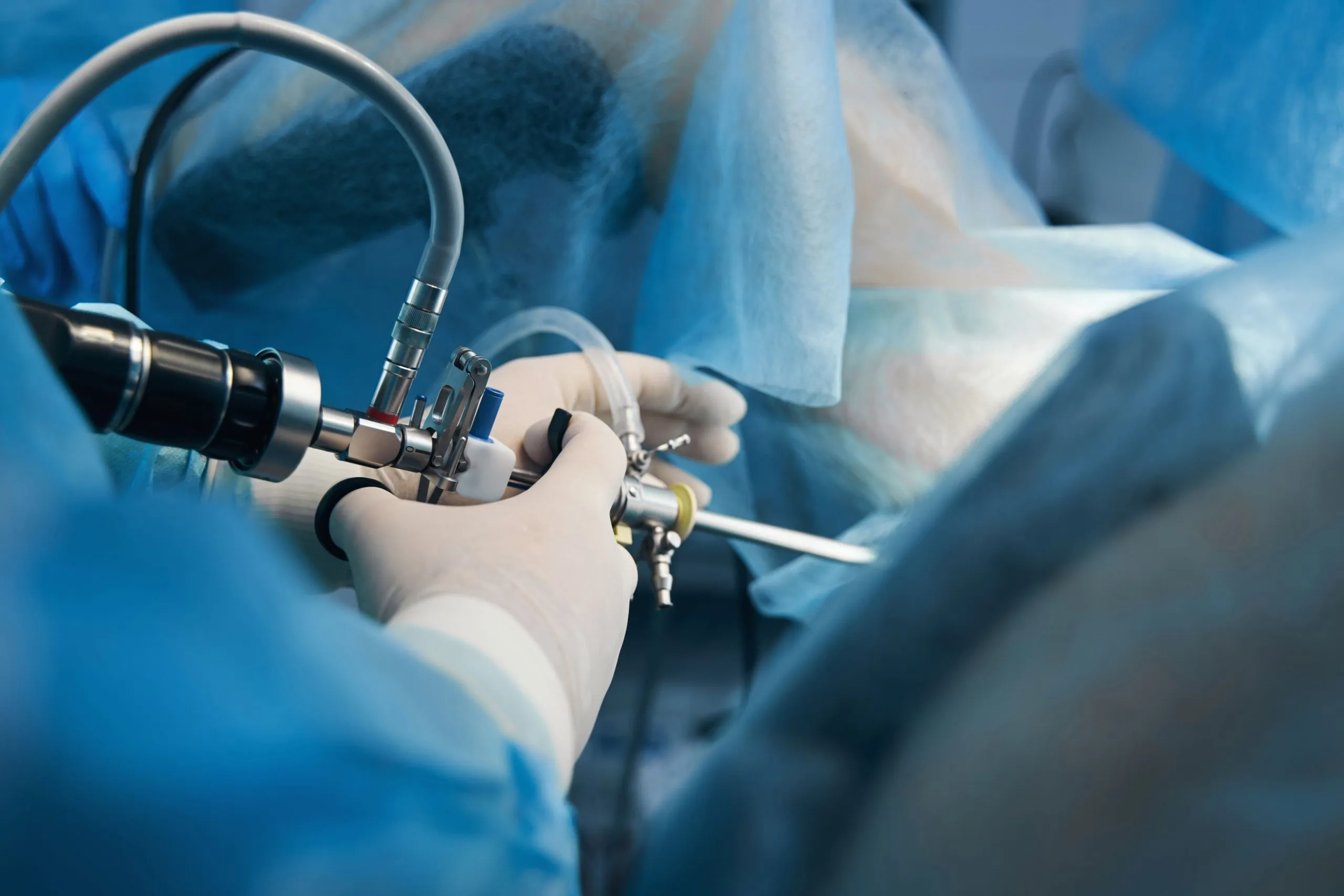
The procedure works by accessing the damaged spinal disc through an incision less than a quarter of an inch long. Using an advanced endoscopic laser system, our surgeon removes only the specific painful tissue causing the problem, whether that is an inflamed herniation, a disc tear, or degenerative material compressing a nerve. Nothing healthy is touched. Nothing is removed that does not need to be removed.
There are no metal screws. No rods. No fusion. No disruption to the natural mechanics of your spine.
What Makes DLDR Different
Traditional spine surgery approaches the spine from the outside in, cutting through muscles, ligaments, and bone to reach the affected area. This tissue trauma is one of the primary drivers of postoperative pain, long recovery times, and secondary complications.
Deuk Laser Disc Repair® is built on the opposite philosophy: cause the least possible disruption while achieving the maximum therapeutic effect. The endoscopic approach preserves all healthy surrounding structures. The procedure is performed under light sedation, not general anesthesia. Patients recover in our facility for approximately one hour after surgery and are typically mobile by the following day.
Benefits of Deuk Laser Disc Repair
- Outpatient procedure, no hospital admission required
- No general anesthesia
- Incision less than a quarter of an inch
- No bone removal, no hardware placement, no spinal fusion
- Full preservation of spinal mobility and natural spine mechanics
- Minimal blood loss, averaging under 3 ml
- Recovery typically measured in days, not weeks or months
- Most patients are able to walk, drive, and return to light activity within 24 to 48 hours
- Permanent relief from the treated source of pain
The Safety Record
Since 2004, Deuk Spine Institute has performed over 2,700 Deuk Laser Disc Repair procedures. The reported complication rate is 0.01%, and the infection rate is 0%, a safety profile that stands in stark contrast to traditional spine surgery, where complication rates range from 5% to 50% depending on procedure type.
This is consistent with the broader body of research on minimally invasive endoscopic techniques. A meta-analysis of randomized controlled trials published in 2024 found that endoscopic discectomy was associated with significantly lower intraoperative blood loss, shorter hospitalization, lower pain scores at final follow-up, and a substantially lower complication rate compared to traditional open discectomy. 4 The evidence continues to grow in favor of minimally invasive, tissue-preserving approaches for properly selected candidates.
A 2024 study reviewed 199 consecutive full-endoscopic lumbar discectomy cases and confirmed favorable outcomes with meaningful reductions in both back and leg pain scores measured by visual analog scale and Oswestry Disability Index. 5
Why Spinal Fusion Is Usually Not the Answer
When a patient with a herniated disc or degenerative disc disease is referred to a traditional spine surgeon, one procedure dominates the conversation: spinal fusion. Fusion is presented as the definitive surgical solution, the way to finally end the suffering. The reality is considerably more complicated.
Spinal fusion works by permanently connecting two or more vertebrae using bone grafts, metal rods, screws, and cages. The goal is to eliminate motion at the painful segment and thereby reduce pain. But eliminating motion does not eliminate the disc inflammation or nerve compression that was generating the pain. It simply removes movement while leaving those underlying problems largely unaddressed.
The consequences of this approach are significant:
- Adjacent segment disease: when one level is fused, the vertebrae above and below must absorb the lost motion, accelerating their degeneration. Research shows that 20 to 30% of fusion patients develop adjacent segment disease requiring additional surgery within 10 years
- Revision surgery rates between 8% and 46% for all fusion patients
- Hospitalization of 3 to 5 days, followed by months of recovery
- Destruction of healthy surrounding muscles, ligaments, and bone during the procedure
- Permanent limitation of spinal flexibility
- High postoperative pain requiring opioid use
- Extensive scar tissue formation around the spine and nerves
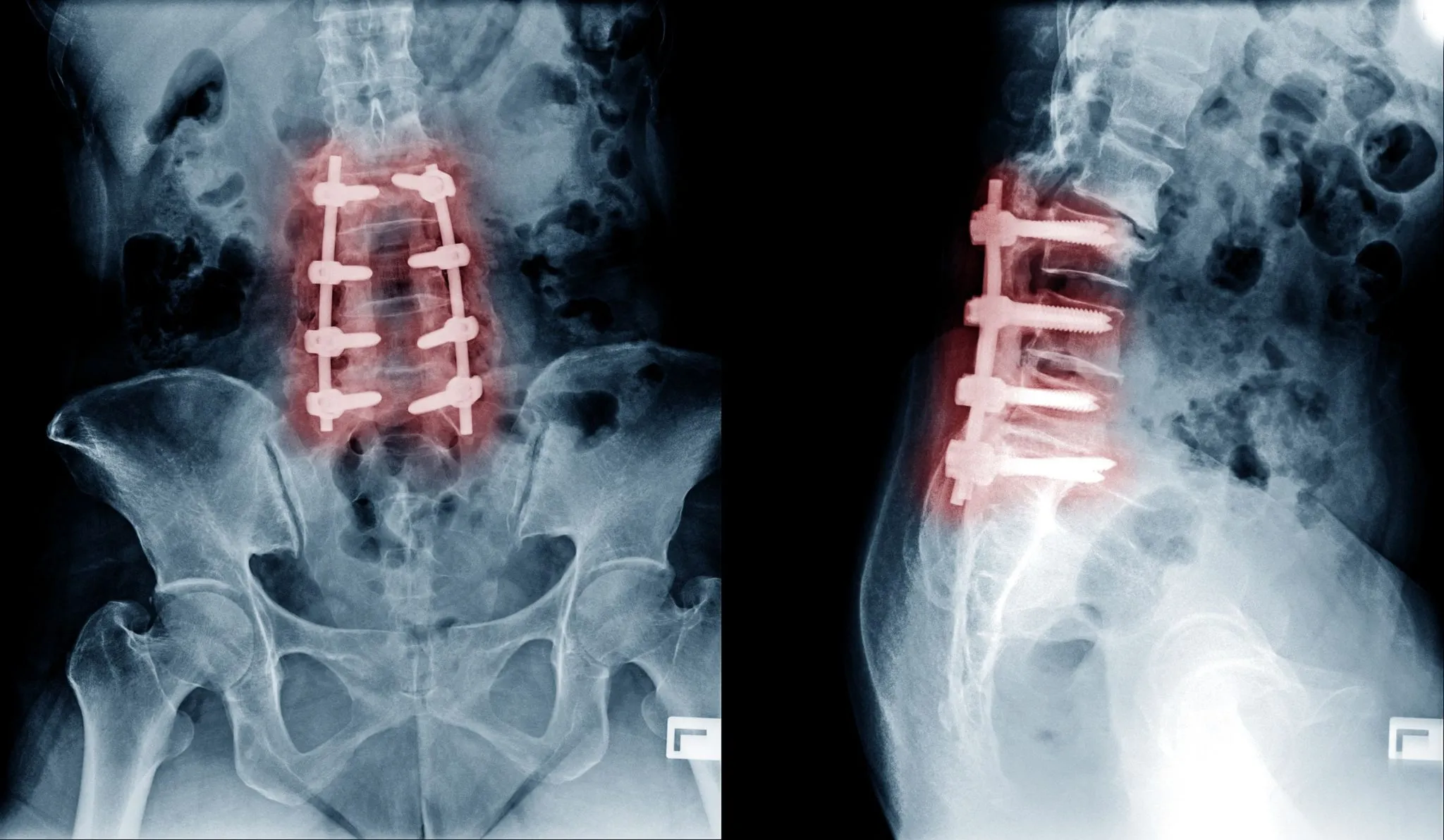
Fusion also fails to address the most common cause of chronic discogenic back pain: the inflammatory, painful disc material itself. The source of the chemical pain signal is left in place. The nerve is still being irritated. And many patients find themselves in pain management indefinitely after surgery, never achieving the relief they were promised.
If you have been told that spinal fusion is your only option, we strongly encourage you to contact Deuk Spine Institute before proceeding. It is often not your only option. And it is very rarely the best one.
Say Goodbye to Opioids and Injections
We understand how tempting it is to reach for something, anything, that offers even temporary relief. When you are in chronic pain, the idea of a pill that makes it quieter is not easy to resist. But the reality of long-term opioid therapy for spinal pain is that it solves very little and creates considerable problems.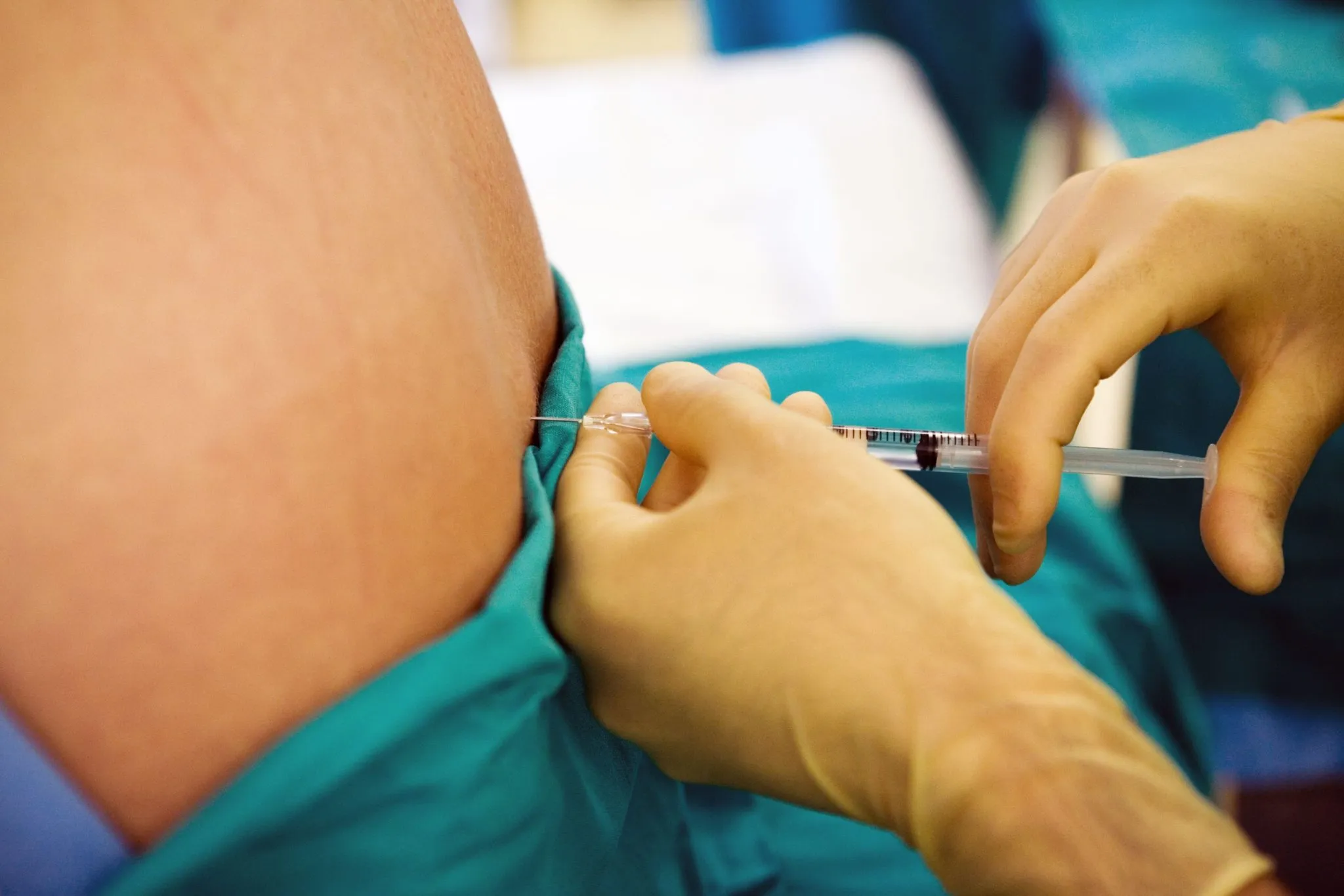
A 2025 analysis published in Frontiers in Pain Research examined the total economic burden of pain in the United States and estimated the cost at approximately $923 billion annually in 2024 dollars. A large fraction of the patients currently suffering from opioid use disorder had their first opioid exposure as pain patients. 6
Epidural steroid injections offer another common path. They can provide temporary relief by reducing inflammation around irritated nerves, but they do not correct the underlying structural problem. The relief they offer is measured in weeks to months, not years. Meanwhile, the disc continues to degenerate. The inflammation returns. Another injection is scheduled. The cycle repeats.
Our philosophy at Deuk Spine is fundamentally different: we do not treat pain with pills. We treat it with solutions. Submit your MRI for review and learn how you can enjoy life again. Speak with Dr. Ara Deukmedjian to cure your pain.
By removing the inflamed, painful disc tissue and eliminating the mechanical source of nerve irritation, we remove the reason your brain is receiving pain signals. Many of our patients stop taking pain medications within days of their procedure. For some, it is the first time in years they have lived without them.
More Than Surgery: A Personalized Path to Healing
Not every patient who comes to Deuk Spine requires surgery. Our philosophy is that every patient deserves a personalized evaluation and a plan that reflects their specific anatomy, condition, history, and goals.
Some patients benefit significantly from non-surgical interventions first. Our comprehensive Deuk Spinal Decompression Therapy is a non-invasive, drug-free treatment that gently relieves pressure on spinal discs and nerves through targeted mechanical traction. For appropriate candidates, this can provide meaningful relief without any procedure at all.
Others have complex diagnostic histories, multiple failed treatments, or conditions that require careful reassessment before a surgical plan is developed. We review MRI images with the same thoroughness whether or not a patient is a surgical candidate. We never assume. We never rush.
What makes Deuk Spine different is not just the procedures we offer. It is the way we approach every patient as a whole person. We look at your lifestyle, your goals, your history with previous treatments, and your expectations. Then we develop a plan together.
You are not a number in our queue. You are a person who deserves to move freely, sleep without pain, and live fully. Listen to what a patient has to say.
Conditions Deuk Spine Can Treat
Our treatment protocols are effective for a wide range of spinal conditions, including:
- Herniated discs: disc material has pushed through the outer wall and is pressing on nerve tissue
- Bulging discs: the disc has expanded beyond its normal boundaries, compressing nearby nerves
- Degenerative disc disease: age-related breakdown of disc structure, causing pain, stiffness, and instability
- Annular disc tears: painful fissures in the outer wall of a disc that generate inflammatory pain signals
- Sciatica: radiating nerve pain into the leg caused by nerve root compression
- Spinal stenosis: narrowing of the spinal canal that compresses nerves and causes pain, weakness, or numbness
- Pinched nerves: nerve root compression at any level of the spine
- Chronic neck and back pain from trauma or wear: structural damage from injury, repetitive strain, or age-related changes
If you have been told you need spinal fusion or have been referred to pain management as a permanent solution, we urge you to contact us before moving forward. A second opinion from our team costs you nothing but could change everything.
The Evolving Science of Minimally Invasive Spine Care
The research supporting minimally invasive, tissue-preserving approaches to spinal pain continues to advance rapidly. Understanding what the science says helps patients ask better questions and make more informed choices.
A narrative review published in 2025 examined studies comparing percutaneous endoscopic discectomy to traditional microdiscectomy published between 2019 and 2024 and found clear advantages for the endoscopic approach: greater reduction in postoperative pain, an average hospital stay of 2 days compared to open surgery, faster return to work, and a lower rate of complications including dural tears and reoperations. 7
What this body of evidence makes clear is that the future of spine care is less invasive, not more. Smaller incisions. Less tissue damage. Faster recovery. Better outcomes. This is not a compromise. This is progress. Deuk Laser Disc Repair sits at the leading edge of this evolution, offering patients a procedural option that was simply not available to their parents’ generation.
Start Over: Without Pain, Pills, or Limits
Chronic pain creates walls. It tells you where you can go, what you can carry, how long you can sit, when you have to lie down. It narrows your world, slowly and quietly, until the limits feel permanent.
We are here to tell you. They are not!
Imagine a morning that begins without dread. A workday that does not end with you gripping the edge of your desk. A weekend that includes a hike, a game with your children, a trip you have been putting off for years. This is what patients describe after successful treatment at Deuk Spine.
The path to that reality starts with one decision: to stop accepting pain as inevitable and to find out what is actually causing it.
We offer free MRI reviews to anyone who wants an expert opinion on their imaging. Our team will give you an honest assessment, plain language, no pressure. If we can help you, we will tell you how. If we cannot, we will tell you that too.
Frequently Asked Questions
Q: Is chronic back or neck pain always something that can be fixed?
A: Not every case of chronic pain has a straightforward structural cause, but the majority of patients with spine-related chronic pain have an identifiable and treatable source. Herniated discs, degenerative discs, and inflamed disc tissue are among the most common and treatable causes. The key is accurate diagnosis. At Deuk Spine, we use advanced MRI interpretation and clinical evaluation to determine whether a patient is a candidate for definitive treatment. Many patients who were told nothing more could be done have found lasting relief after receiving a proper diagnosis here.
Q: How is Deuk Laser Disc Repair different from traditional spine surgery?
A: Traditional spine surgery, including spinal fusion, involves large incisions, cutting through muscles and ligaments, removal of bone, and placement of metal hardware. Recovery is measured in months, general anesthesia is required, and hospitalization is standard. Deuk Laser Disc Repair is performed through an incision smaller than a quarter of an inch, under light sedation, on an outpatient basis. No bone is removed. No hardware is placed. The spine’s natural motion is completely preserved. Recovery is typically measured in days. Peer-reviewed studies confirm lower blood loss, fewer complications, and faster return to activity with endoscopic techniques compared to open surgery.
Q: What conditions are not appropriate for Deuk Laser Disc Repair?
A: DLDR is designed for patients with discogenic pain, meaning pain that originates primarily from a damaged or inflamed spinal disc. Conditions involving significant spinal instability, severe deformity, certain fractures, infections, or active tumors may require a different surgical approach. Some patients with advanced facet joint disease may benefit from Deuk Plasma Rhizotomy instead of or in addition to DLDR. During your free MRI review and consultation, our physicians will assess whether you are an appropriate candidate and explain all available options specific to your case.
Q: Can I get a second opinion even if I have already been scheduled for spinal fusion?
A: Yes, and we strongly encourage it. Scheduling a surgical consultation does not obligate you to proceed with that surgery. Many patients arrive at Deuk Spine after being scheduled for fusion elsewhere, only to discover that a far less invasive approach could address their pain more effectively. A second opinion is one of the most important steps you can take before any spinal procedure. It costs you nothing to have your MRI reviewed by our team, and the information you receive could meaningfully change your treatment path.
Sources
- https://www.cdc.gov/nchs/products/databriefs/db518.htm
- https://pubmed.ncbi.nlm.nih.gov/39111346/
- https://www.ncbi.nlm.nih.gov/books/NBK553166/
- https://journals.sagepub.com/doi/10.1177/21925682241299326
- https://thejns.org/spine/view/journals/j-neurosurg-spine/41/3/article-p369.xml
- https://www.frontiersin.org/journals/pain-research/articles/10.3389/fpain.2025.1642035/full
- https://www.scirp.org/pdf/ojmn2025151_42080603.pdf