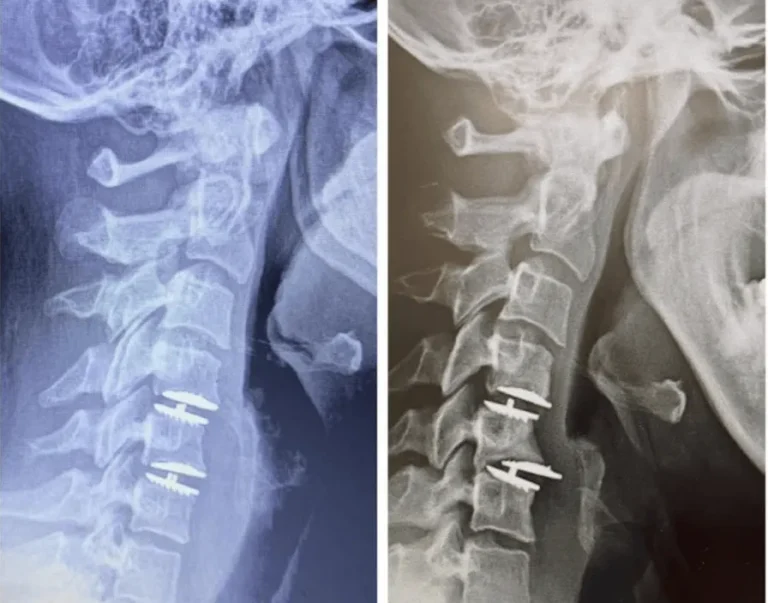
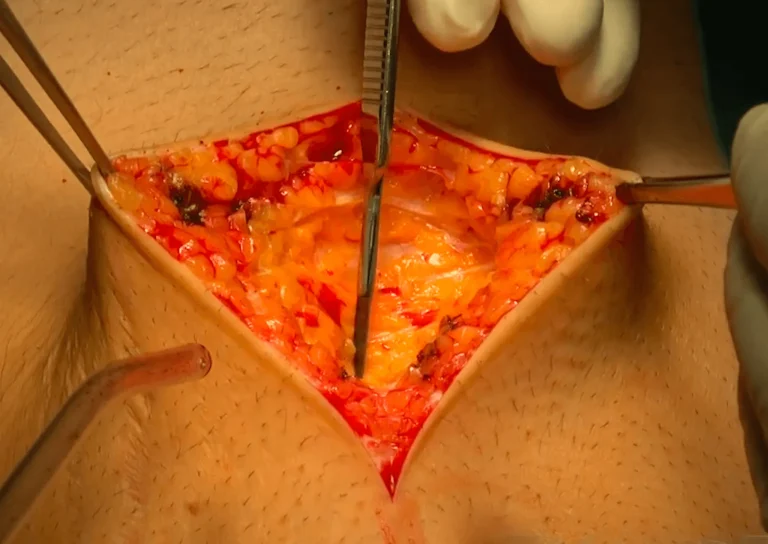
Artificial disc replacement is an unnecessarily dangerous procedure that benefits the surgeon and device manufacturer far more than the patient. The implant costs $10,000–$25,000 per device, requires a large abdominal incision, and carries serious risks including vascular injury and sexual dysfunction — all while leaving the actual source of pain untreated.
⚠️ While Deuk Spine Institute can perform Total Disc Replacement, we do not recommend it. This page explains why — learn the risks before consenting to this procedure.
Why Do Some Surgeons Recommend Total Disc Replacement?
While there are legitimate medical reasons, the enormous financial incentives from device manufacturers and hospital revenue often drive surgical recommendations.
Medical Reasons Cited
Radiculopathy
Nerve root dysfunction from compressed or pinched nerves. However, replacing the entire disc with a metal-plastic implant rarely addresses the actual nerve inflammation.
Sciatica
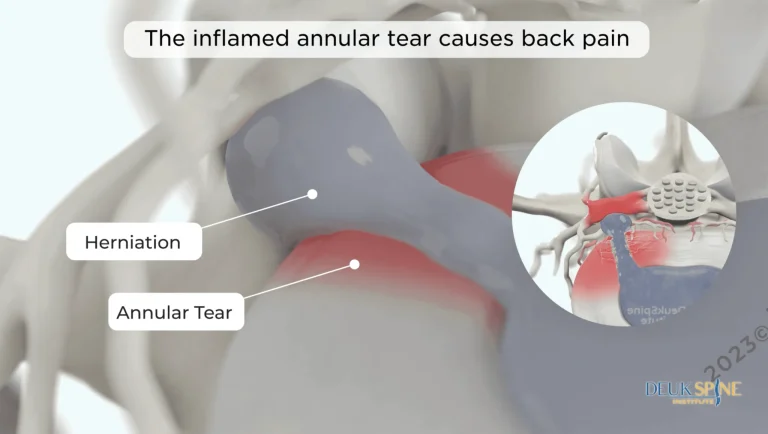
Severe leg pain from compressed nerves. Total disc replacement destroys the natural disc and replaces it with hardware while leaving the posterior annular tear untreated.
Herniated Disc
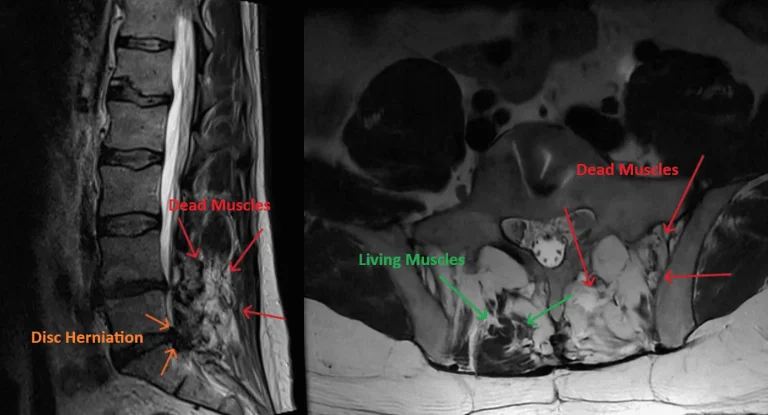
Disc bulging or rupturing into the spinal canal. Rather than repairing the disc, TDR removes the entire disc and replaces it with an artificial implant — a massively disproportionate response.
Spinal Stenosis
Canal narrowing causing cord compression. Surgeons use this diagnosis to justify an expensive implant procedure when less invasive options can address the same condition.
Recurrent Disc Herniation
Repeat herniations after previous surgery. Surgeons recommend TDR as a definitive solution, but the implant introduces entirely new failure modes and complications.
Financial Incentives Behind It
Implant Costs $10K-$25K Per Device
Each artificial disc device costs $10,000–$25,000. Device manufacturers provide incentives to surgeons who use their implants, creating a massive conflict of interest.
Surgeon Profits From Extended Surgery
TDR requires longer operating times and a complex anterior approach, translating to higher surgeon fees than simpler procedures that could address the same condition.
Hospital Revenue: $50K-$100K+ Per Case
Between device costs, extended OR time, 2-4 day inpatient stays, and complex post-surgical care, hospitals generate enormous revenue from each TDR procedure.
Repeat Procedures & Revisions
Implant failure, migration, adjacent segment disease, and heterotopic ossification commonly require revision surgery — generating additional revenue from the same patient.
Pain Management Pipeline: $100K+
Most TDR patients end up in pain management after surgery. Ongoing injections, ablations, stimulators, and opioids create a lifetime revenue stream from failed procedures.
THE SURGICAL PROCESS
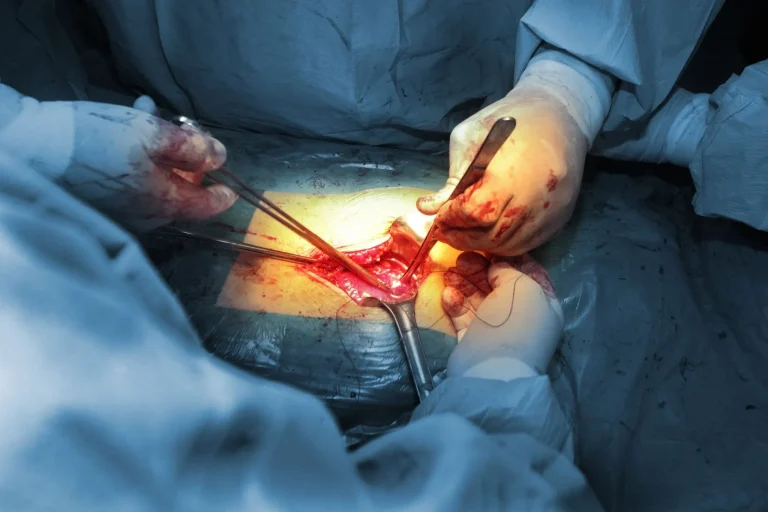
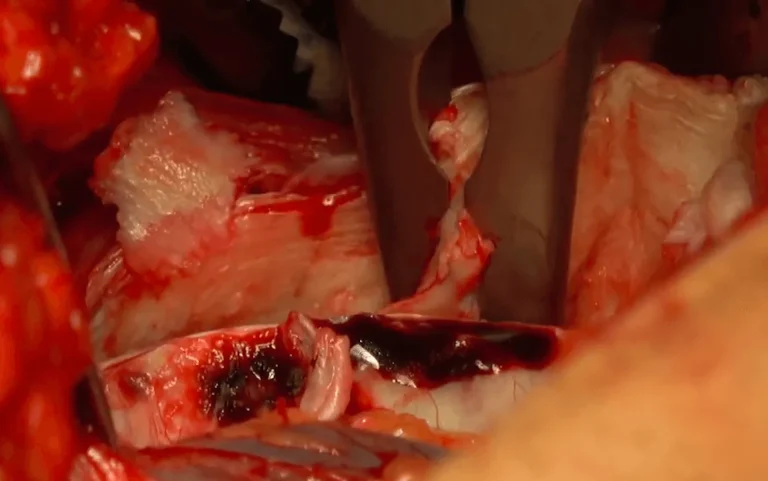
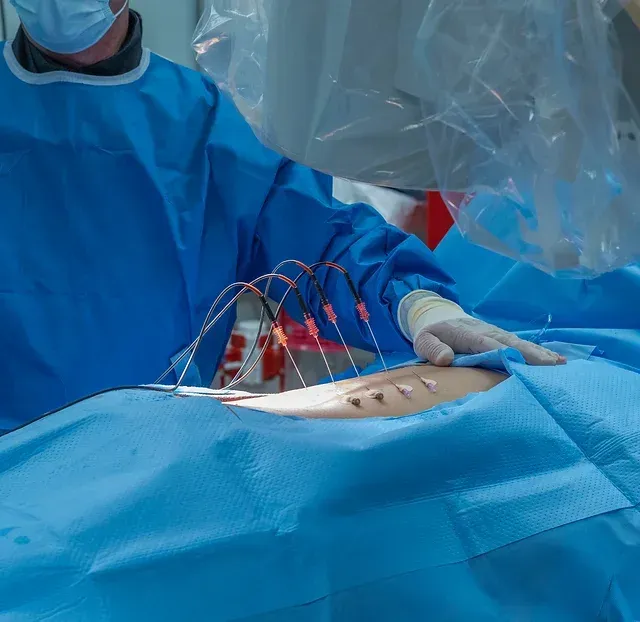
How Is Total Disc Replacement Performed?
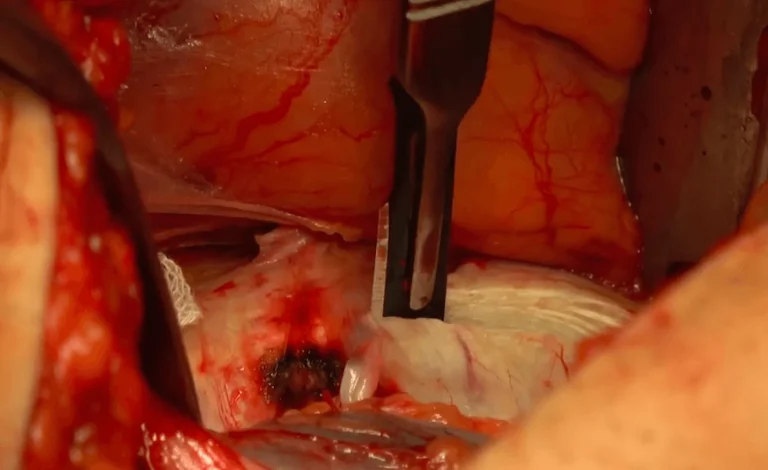
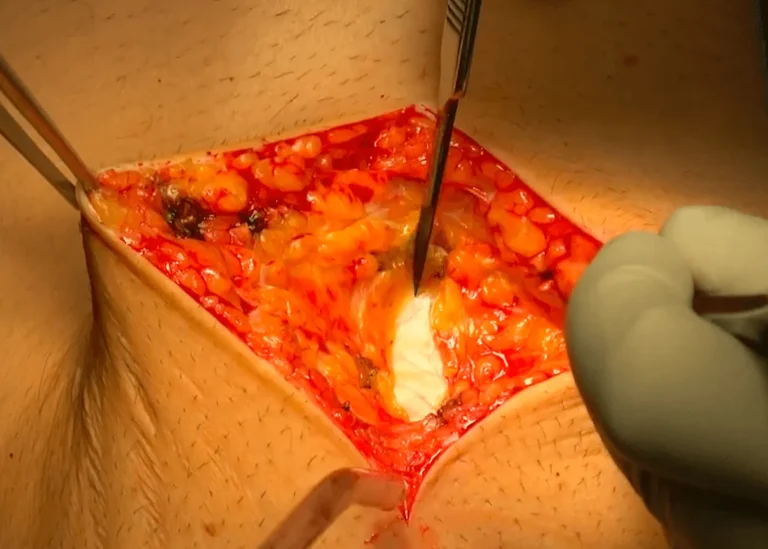
Graphic Surgical Content
The videos below contain real surgical footage. Viewer discretion is advised.
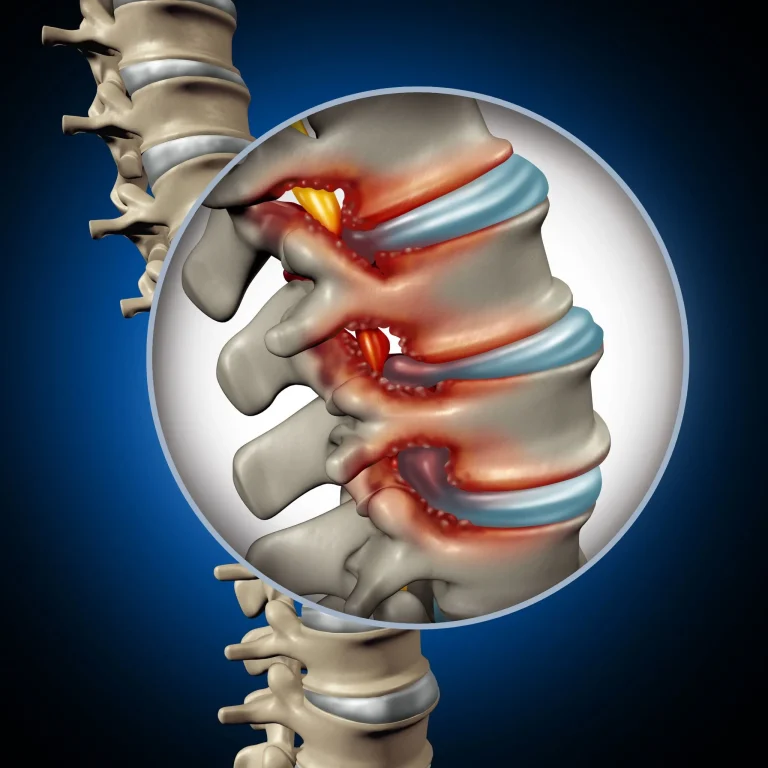
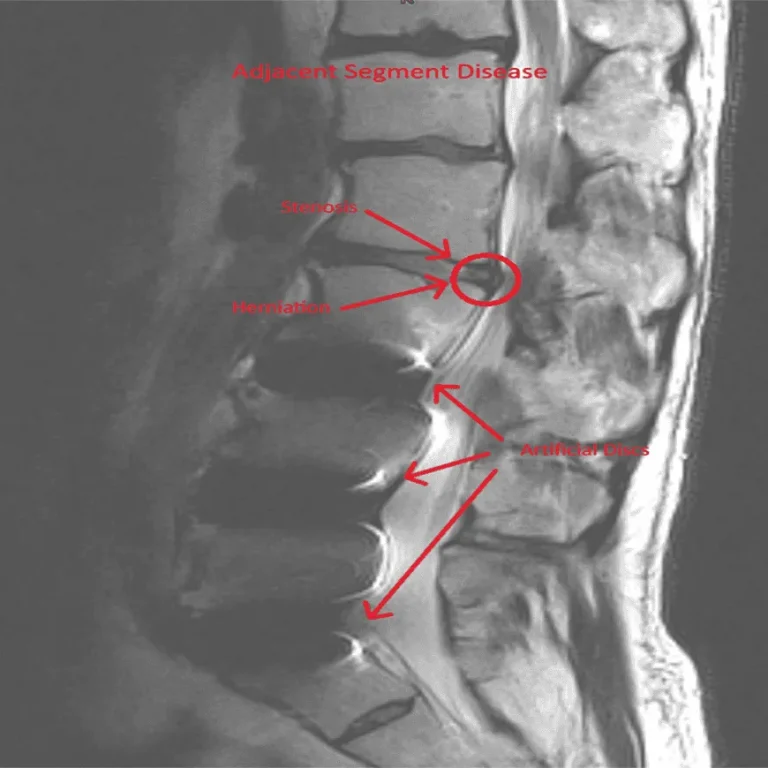
Herniation reoccurs at the same or adjacent level despite disc replacement.
Residual Stenosis
Stenosis persists or reoccurs commonly after TDR, requiring additional surgery.
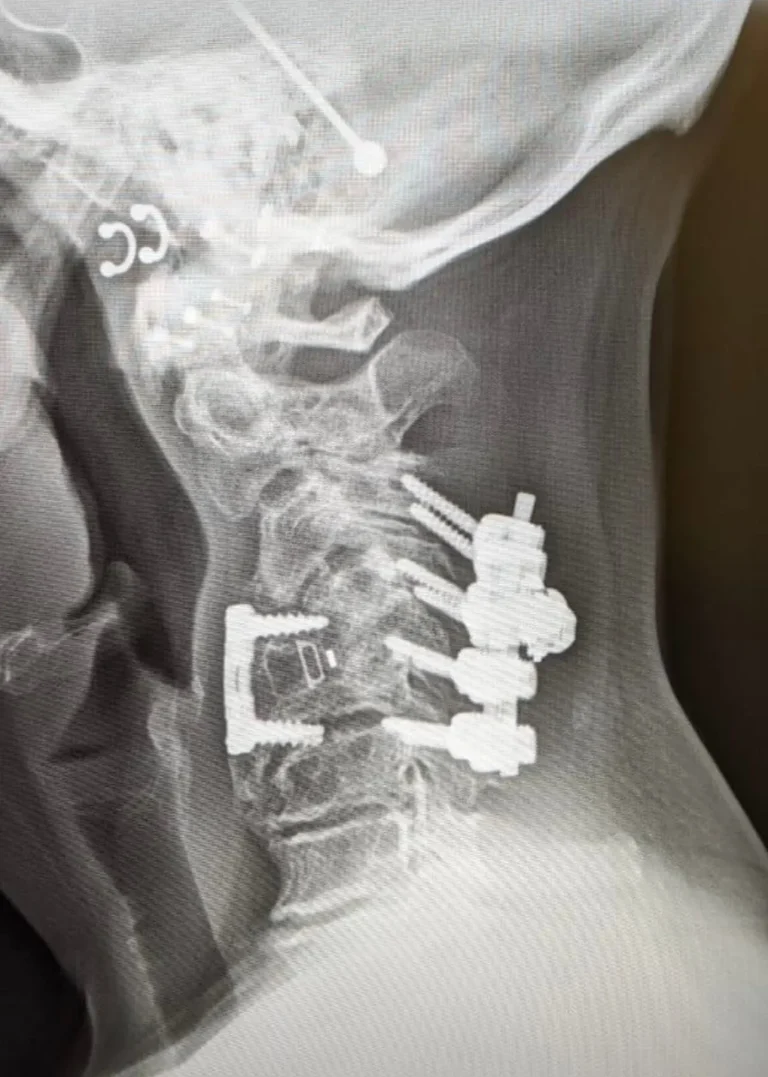
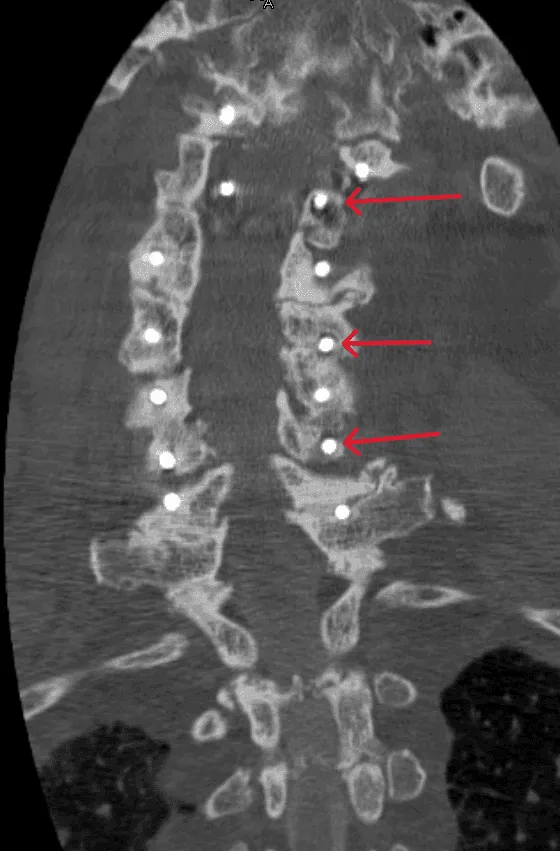
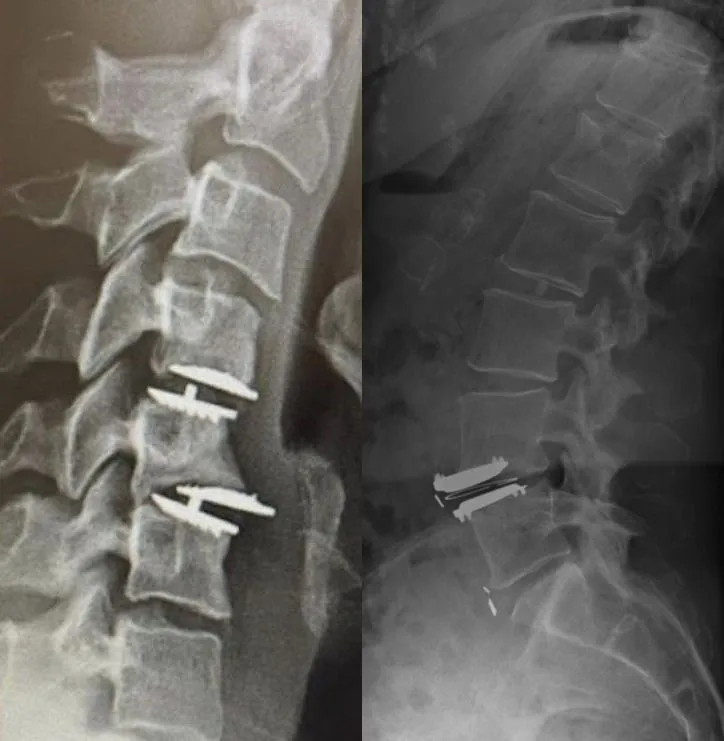
Hardware Failure
Implant migration, separation, or mechanical failure requiring revision surgery.
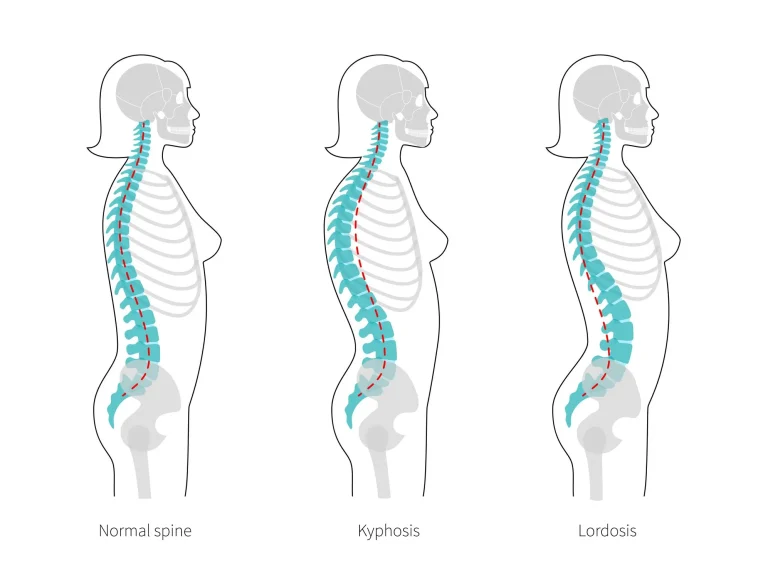
Proximal Junction Kyphosis
Abnormal spinal curvature develops above the implant site, causing pain and deformity.
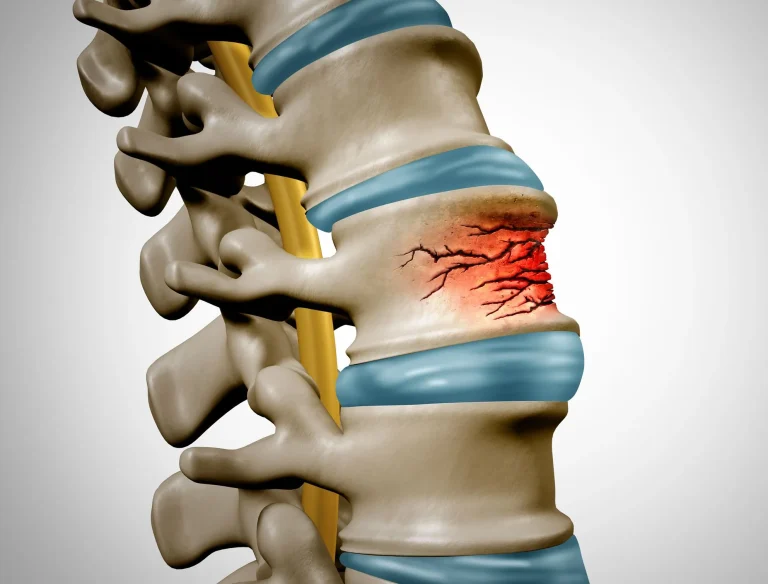
Vertebral Fracture & Subsidence
Implant telescopes into weakened vertebral bone, causing fracture and collapse.
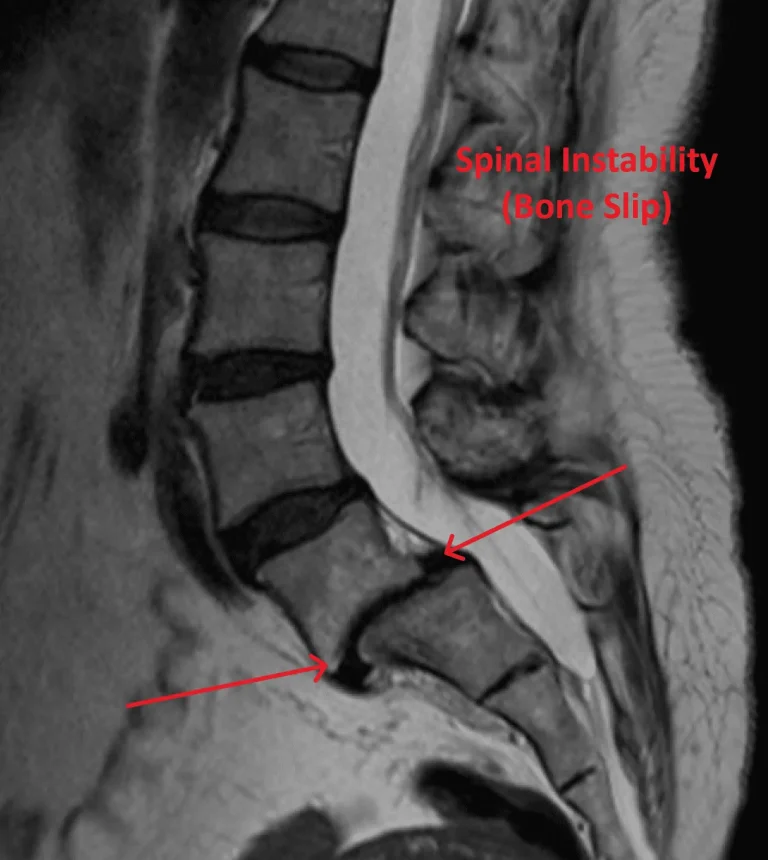
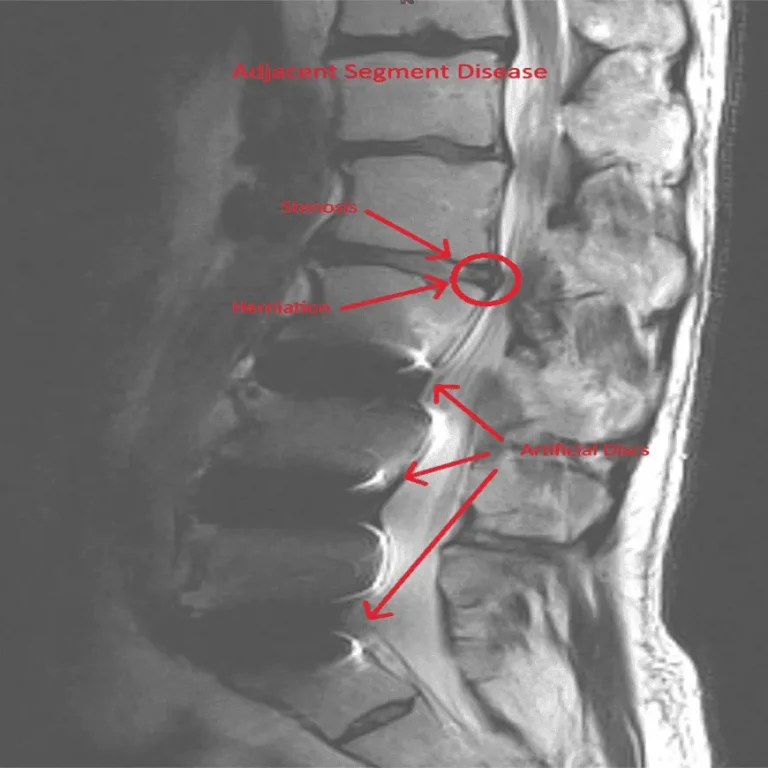
Adjacent Segment Disease
Spinal instability and degeneration at levels above and below the implant.
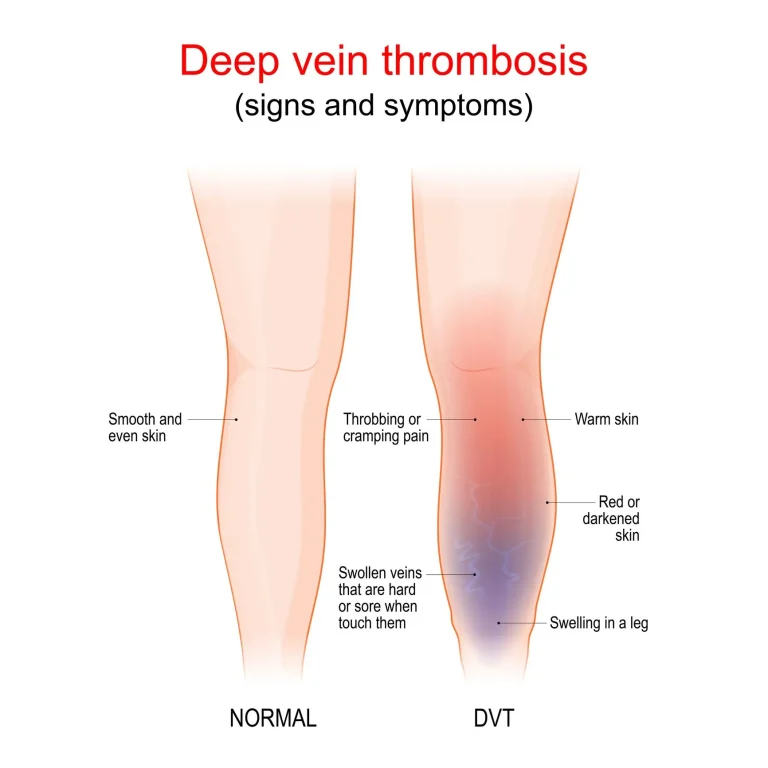
DVT, Pulmonary Embolism & Heart Attack
Blood clots, pulmonary embolism, heart attack, and pneumothorax from extended surgery.
Failed Back Surgery & Chronic Pain
Procedure fails to resolve pain, leading to failed back surgery syndrome and lifelong suffering.
Sexual Dysfunction
Retrograde ejaculation and sexual dysfunction from anterior approach damage to nerves.
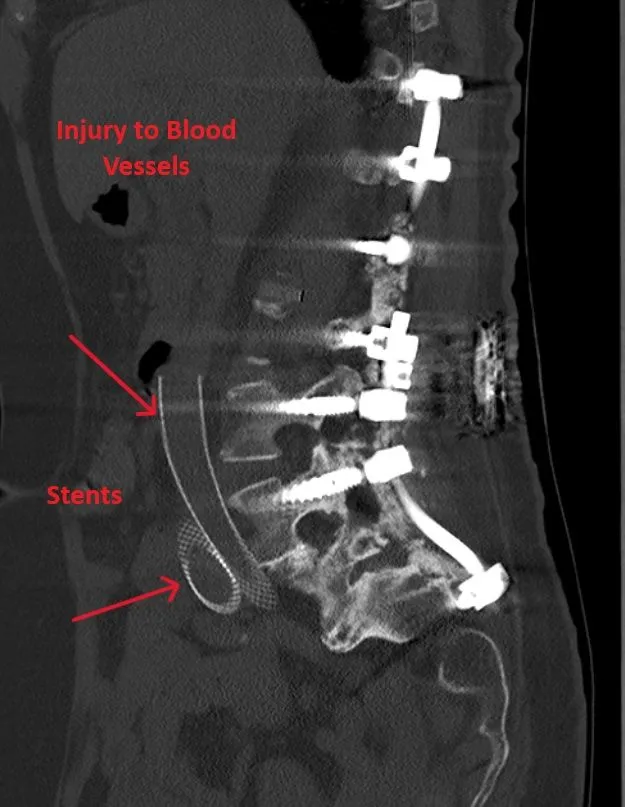
Vascular, Bladder & Ureter Injury
Injury to major blood vessels, bladder, or ureters during the anterior surgical approach.
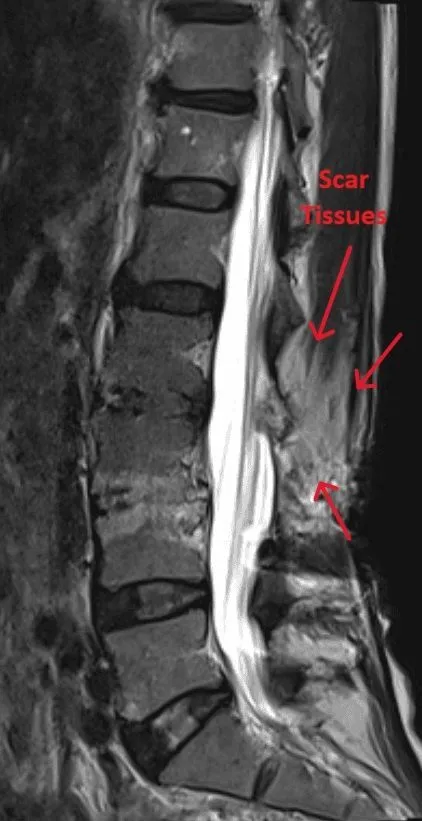
Excessive Scar Tissue
Dense scar tissue forms around the implant and nerves, causing chronic pain and compression.
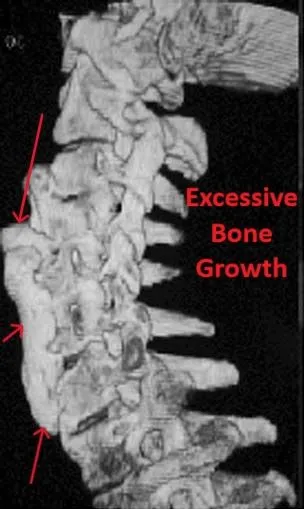
Heterotopic Ossification
Abnormal bone growth around the implant restricts motion and causes pain; osteonecrosis risk.
Death
Fatal complications from vascular injury, pulmonary embolism, or anesthesia during surgery.
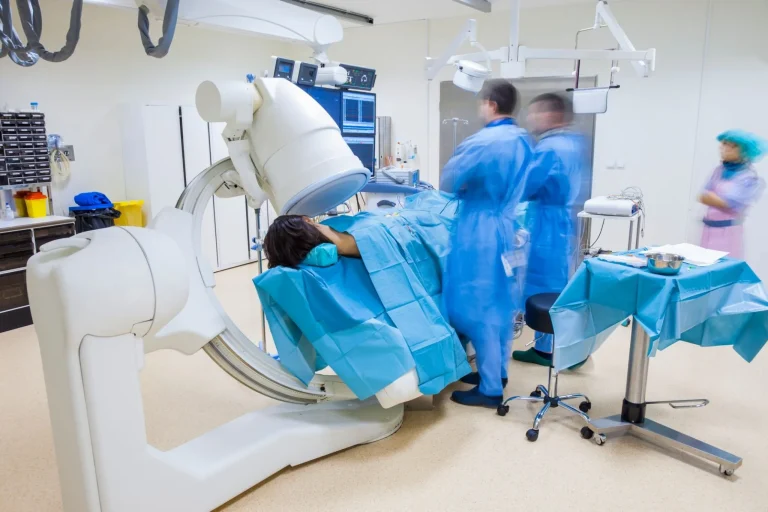
Excessive Radiation Exposure
Extended fluoroscopy use during implant placement exposes patients to significant radiation.
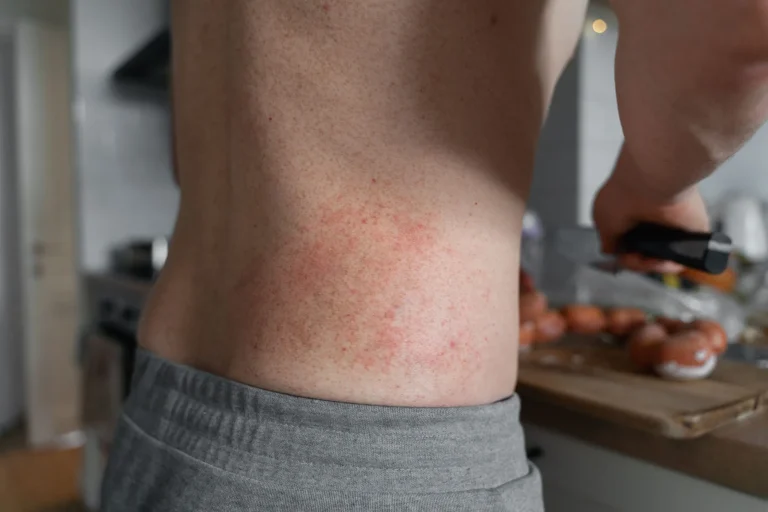
Allergic Reactions
Metal allergy or adverse reactions to implant materials causing chronic inflammation and pain.
WHAT WE RECOMMEND INSTEAD
Deuk Laser Disc Repair®: A Safer, Proven Alternative
Instead of removing your natural disc and replacing it with a metal-plastic implant, Deuk Laser Disc Repair® uses endoscopic technology and laser precision to treat the actual source of pain — the damaged disc — through an incision smaller than a fingernail.
No Disc Removal
Your natural disc is preserved and repaired, not ripped out and replaced with a metal-plastic device. No hardware, no implant failure risk.
Treats the Root Cause
Laser technology directly repairs the damaged disc — the actual source of pain that artificial disc replacement leaves untreated at the posterior annular tear.
Same-Day Recovery
Outpatient procedure under light sedation. Walk out the same day — no hospital stay, no intubation, no opioids required.
Proven Results
95% patient satisfaction, 0.01% complication rate, and over 2,750 successful procedures performed by Dr. Deukmedjian.
Feature
Total Disc Replacement
Deuk Laser Disc Repair®
Procedure Type
❌ Highly invasive, open surgery
✅ Minimally invasive, endoscopic
Incision Size
❌ 3–6 inches (abdominal approach)
✅ Less than 1/4 inch
Anesthesia
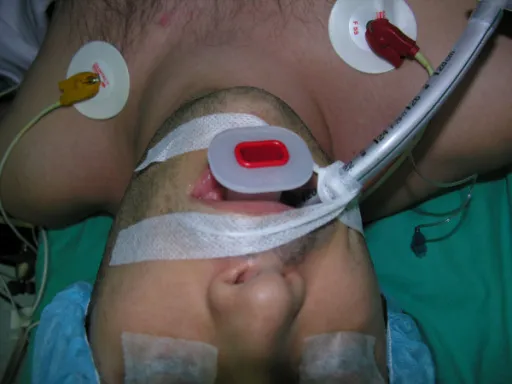
❌ General (intubated)
✅ Light IV sedation
Disc Treatment
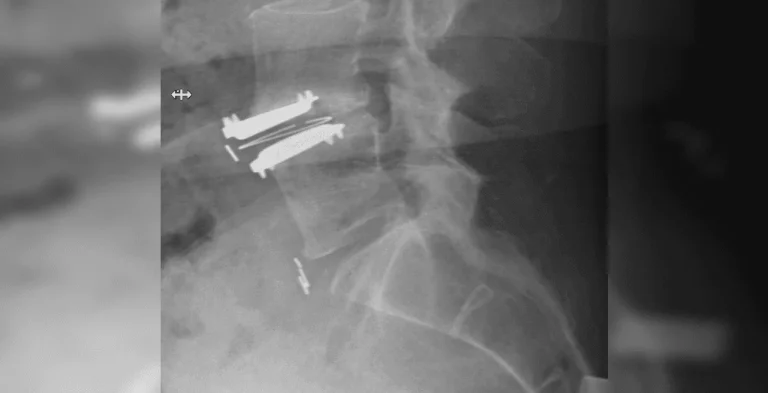
❌ Disc removed, replaced with metal-plastic implant
✅ Laser repairs the disc — preserves natural anatomy
Hardware
❌ Metal-plastic artificial disc
✅ None
Hospital Stay
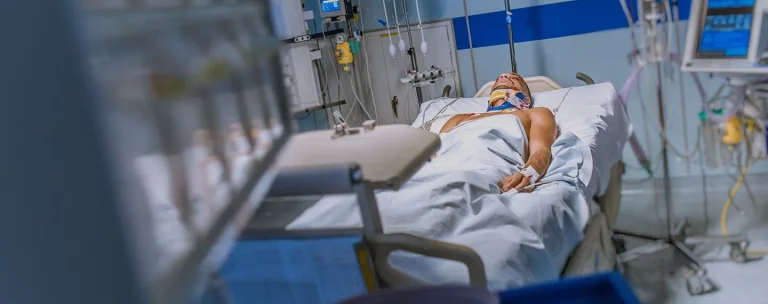
❌ 2–4 days inpatient
✅ Outpatient — go home same day
Recovery Time
❌ 3–6 months
✅ Days
Complication Rate
❌ High — vascular, sexual dysfunction risk
✅ 0.01%
Success Rate
❌ Variable — many end in pain management
✅ 95% patient satisfaction
Repeat Surgery
❌ Common — implant failure, adjacent disease
✅ Rarely needed
A BETTER ALTERNATIVE
Deuk Laser Disc Repair®
Minimally invasive, outpatient procedure with a 0.01% complication rate and 95% patient satisfaction. No disc removal. No metal implants. Same-day recovery.