Discectomy removes herniated disc material but leaves the torn annulus untreated, resulting in 20-30% recurrence rates. The initial leg pain relief masks ongoing disc degeneration, and most patients eventually require fusion surgery. Discover safer, minimally invasive alternatives.
⚠️ While Deuk Spine Institute can perform Discectomy, we do not recommend it. This page explains why — learn the risks before consenting to this procedure.
While there are legitimate medical reasons, financial incentives and predictable failure rates drive surgical recommendations.
Medical Reasons Cited
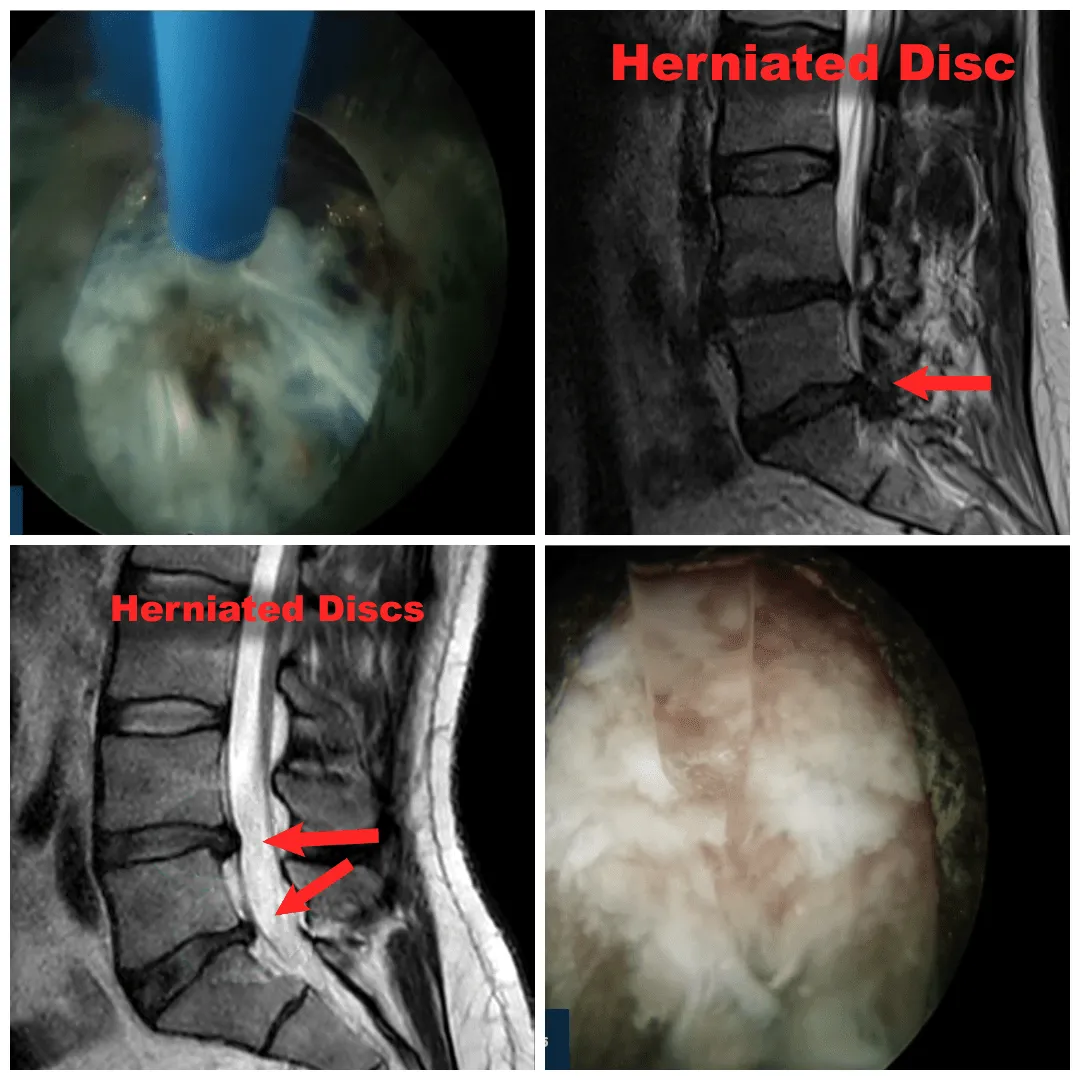
Radiculopathy
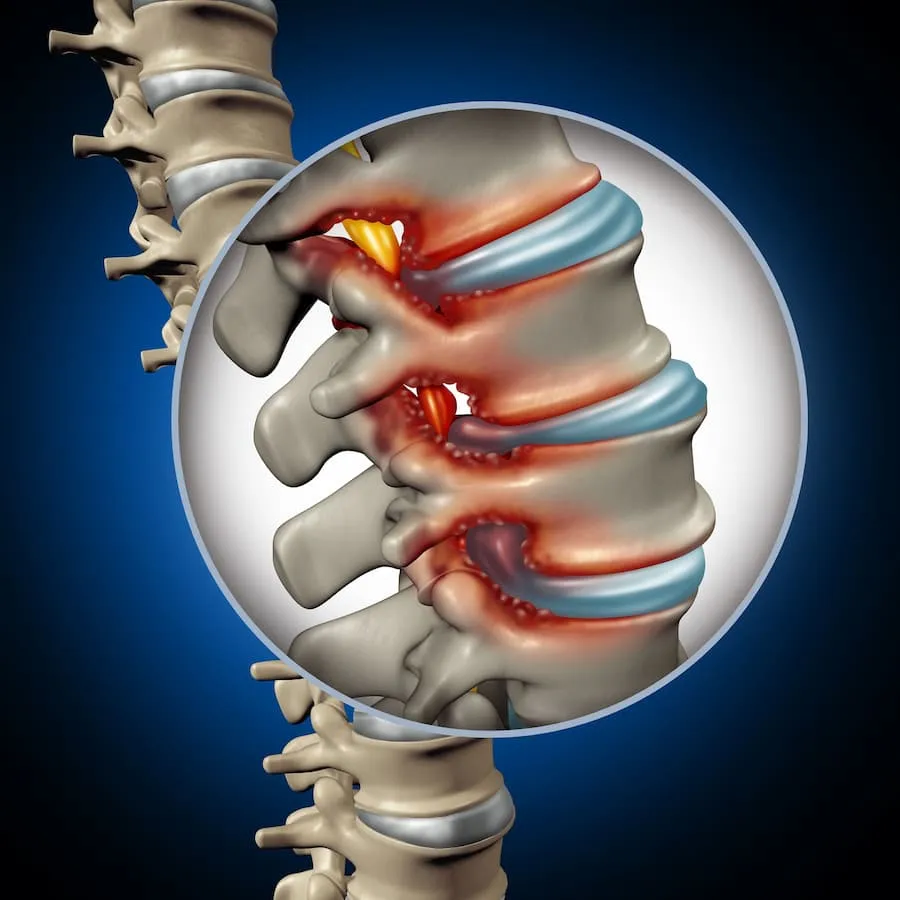
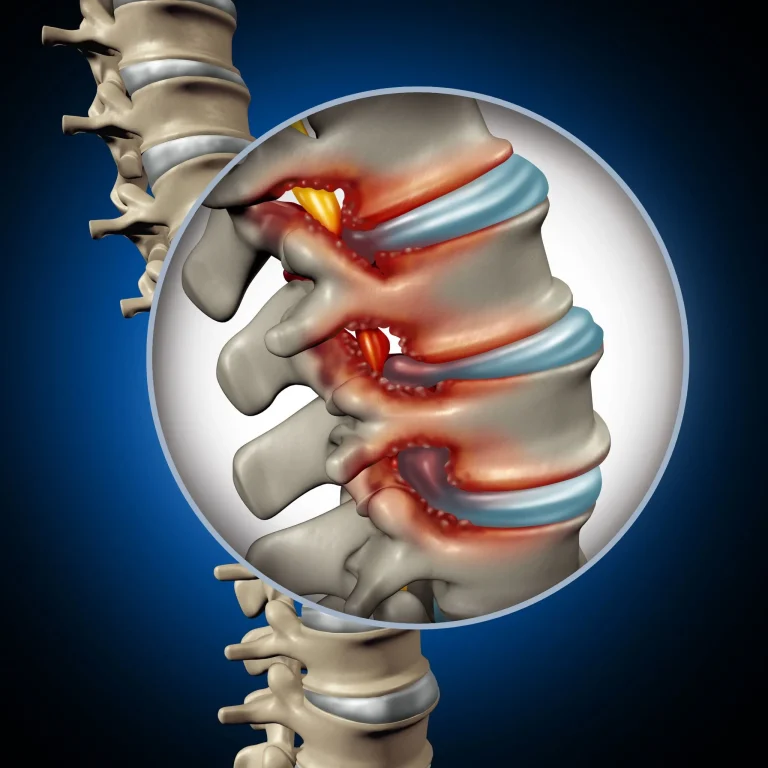
Sharp shooting pain, numbness, and weakness radiating down arms or legs from herniated disc material compressing nerve roots. Discectomy removes the herniated fragment, often providing immediate leg pain relief, but leaves the damaged disc and torn annular tear untreated.
Sciatica
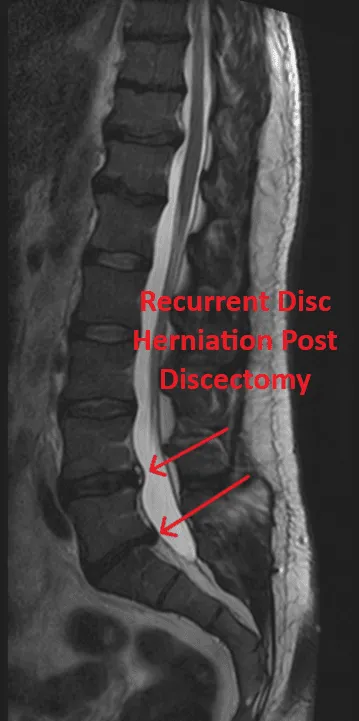
Severe leg pain from herniated disc compressing sciatic nerve roots. While discectomy can eliminate leg pain by removing the herniation, it doesn't repair the hole in the disc wall, leading to 20-30% recurrence rates as new disc material herniates through the same tear.
Cauda Equina Syndrome
Rare condition where massive disc herniation compresses multiple nerve roots, causing loss of bowel/bladder control. This true emergency represents less than 1% of cases, yet surgeons often reference it to create false urgency for routine sciatica.
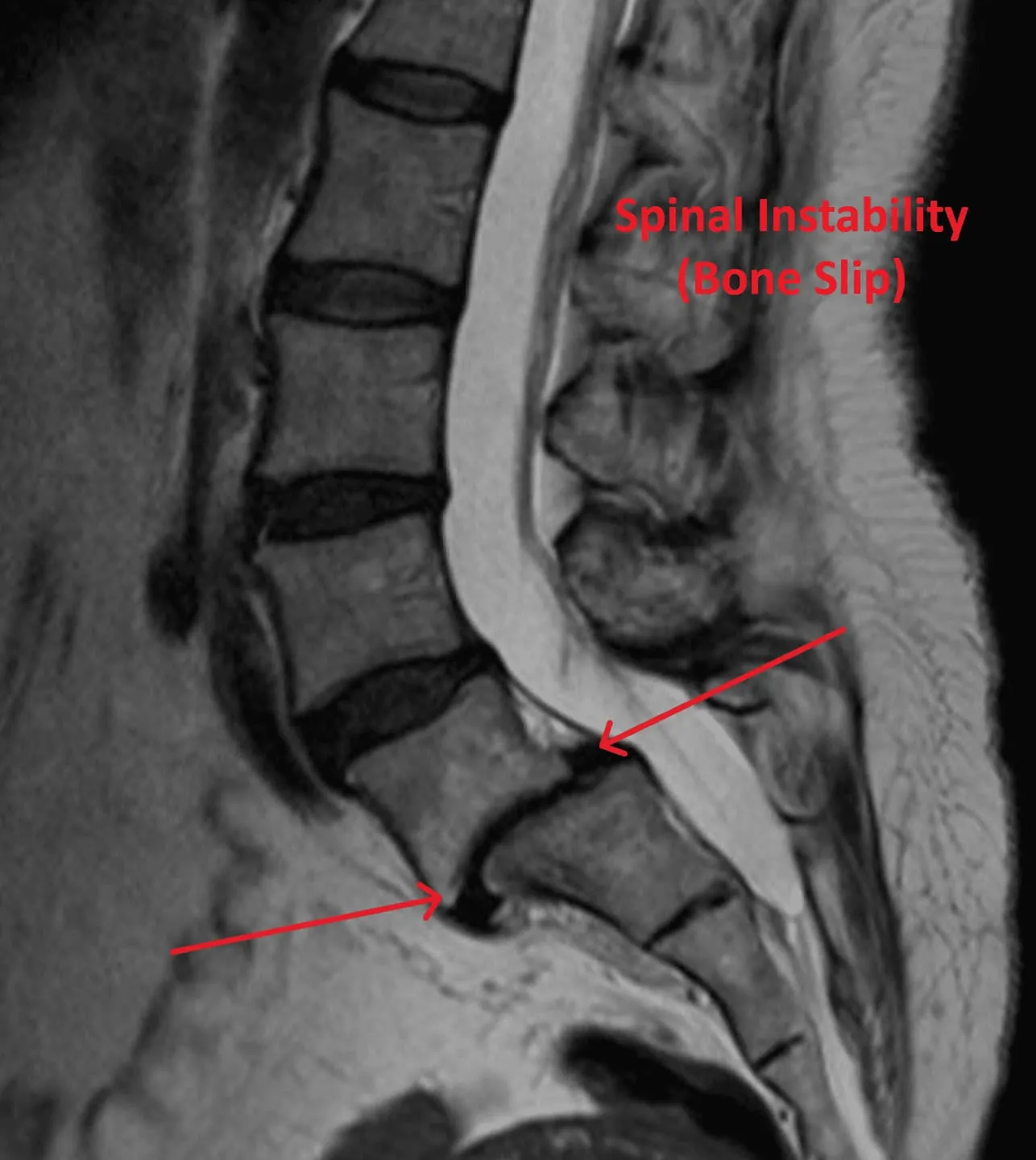
Spinal Stenosis
Canal narrowing from disc herniation contributing to nerve compression. Often cited as justification for discectomy even when symptoms could be managed with less invasive approaches.
Financial Incentives Behind It
Quick Procedure, High Reimbursement
Discectomy takes only 45-90 minutes but generates $3,000-$8,000 in surgeon fees and $15,000-$40,000 total charges. A surgeon performing 3 discectomies daily can generate $20,000-$25,000 in personal income.
Temporary Relief Creates False Success
Immediate leg pain relief leads to initial patient satisfaction, masking the underlying problem: the torn disc continues degenerating, back pain persists, and 20-30% experience recurrent herniations requiring repeat surgery.
Recurrent Herniation Pipeline
Because discectomy removes disc material without repairing the annular tear, the same disc commonly herniates again. Patients may undergo 2-3 discectomies over several years, each generating full reimbursement. Recurrent patients comprise 30-40% of surgical volume.
Failed Discectomy to Fusion Pipeline
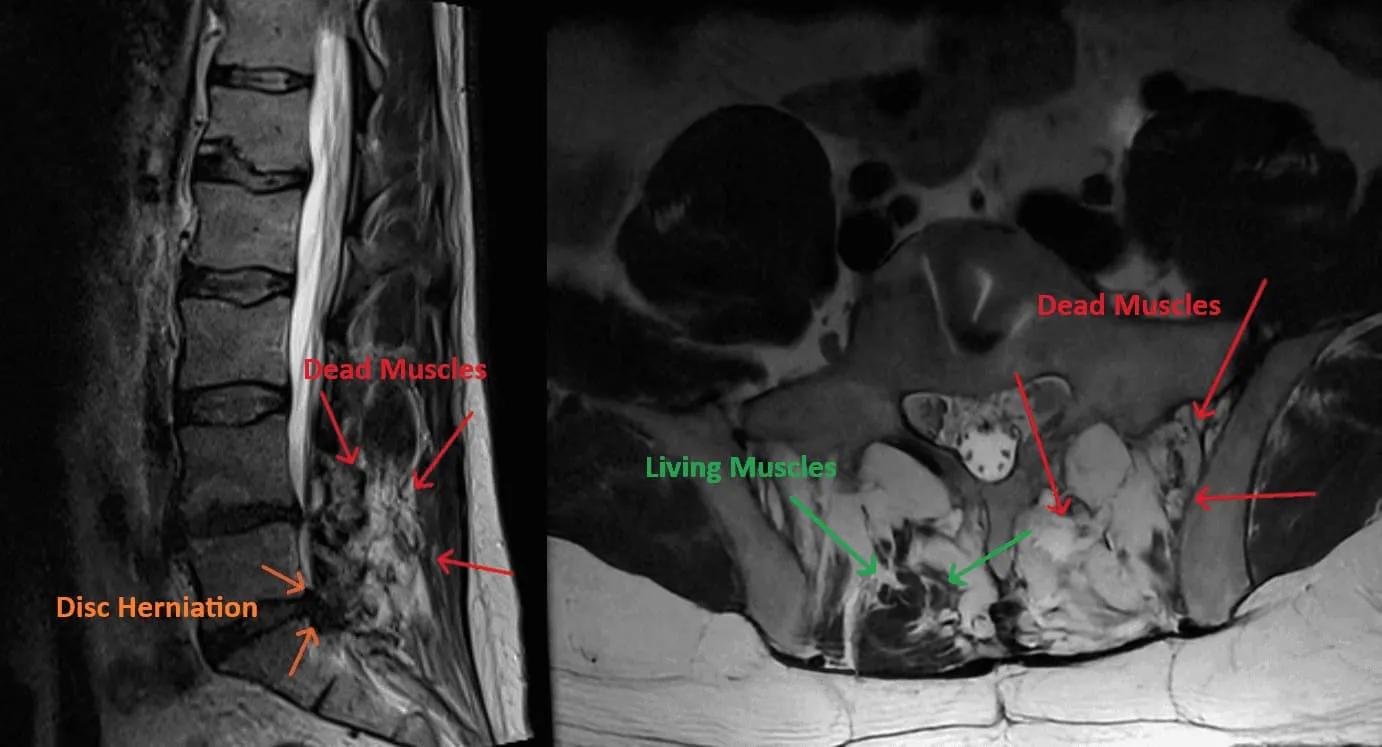
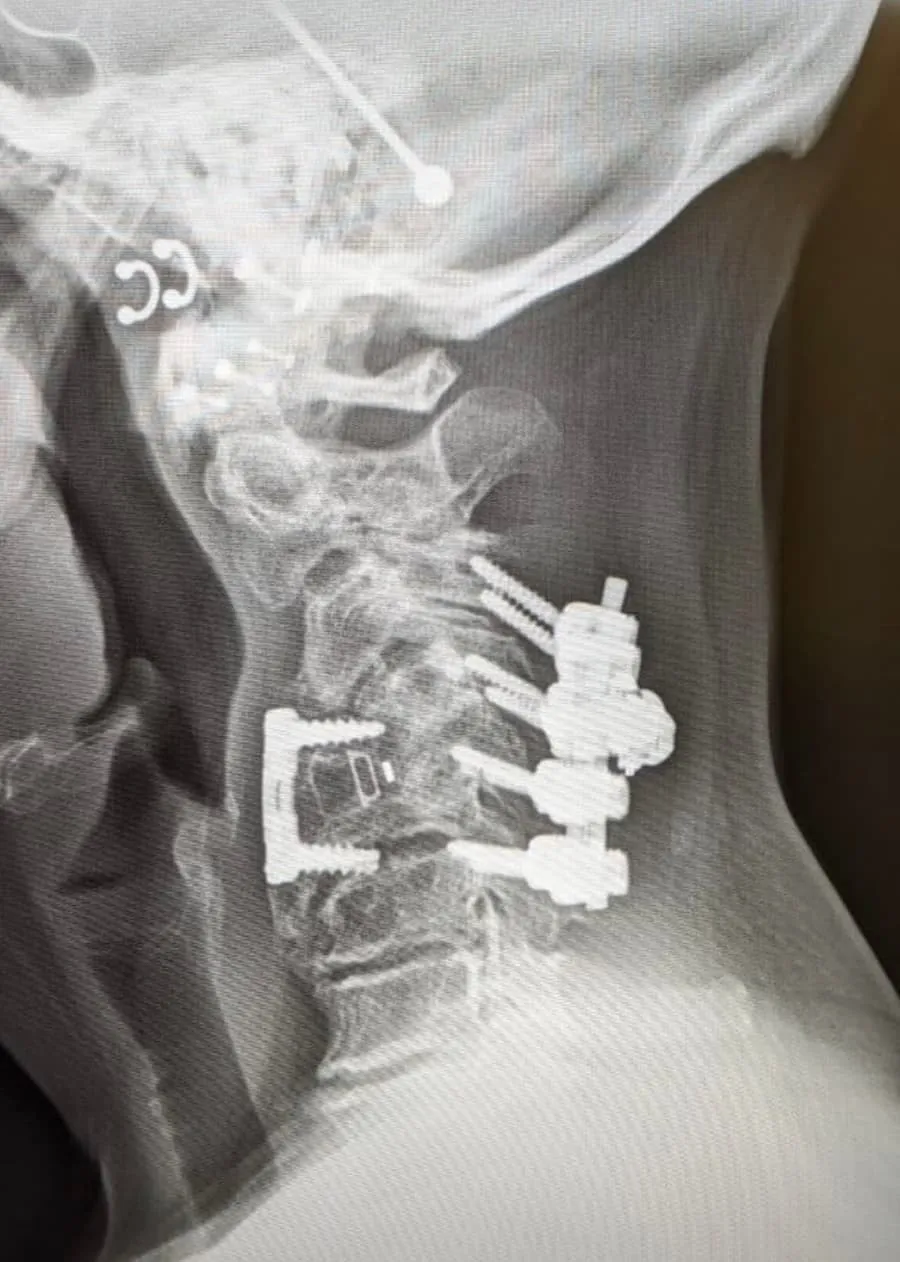
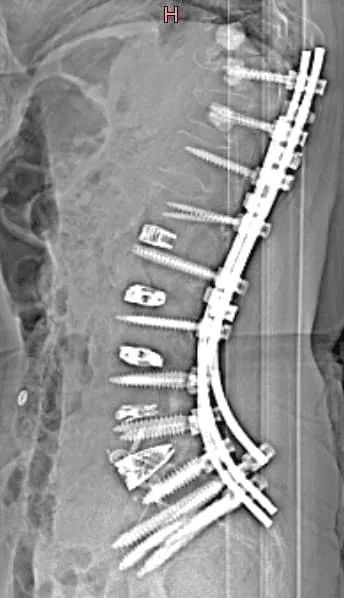
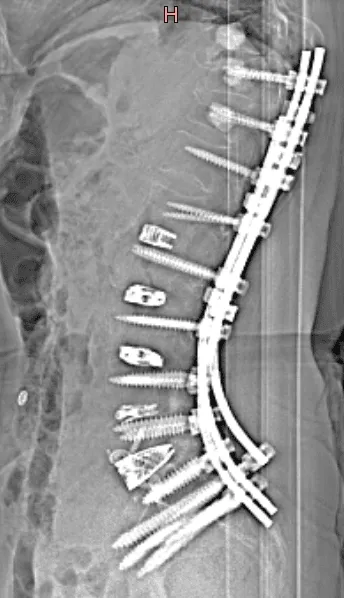
When multiple discectomies fail or the disc collapses, surgeons recommend fusion as the 'definitive solution.' Discectomy to repeat discectomy to fusion represents a predictable revenue stream, plus epidural scar tissue creates chronic pain requiring lifelong pain management.
THE SURGICAL PROCESS
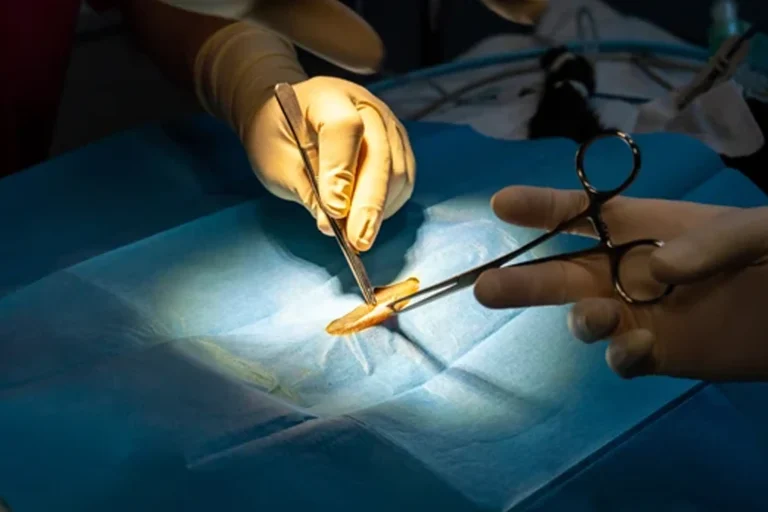
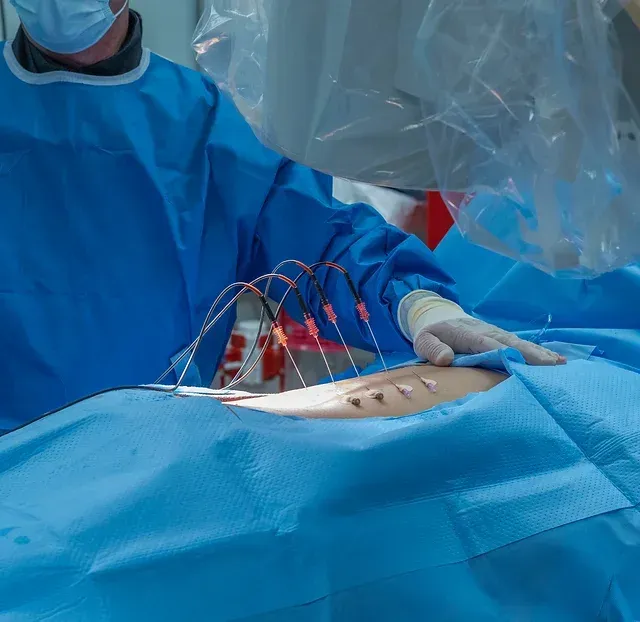
How Is Discectomy Performed?
Graphic Surgical Content
The videos below contain real surgical footage. Viewer discretion is advised.
Permanent nerve damage causing weakness, numbness, or paralysis from retraction during disc removal.
Infection (Discitis)
Post-surgical infection at the incision site or within the disc space (discitis), requiring IV antibiotics or reoperation.
Recurrent Disc Herniation
20-30% recurrence rate as disc material herniates through the same untreated annular tear, requiring repeat surgery.
Residual Stenosis
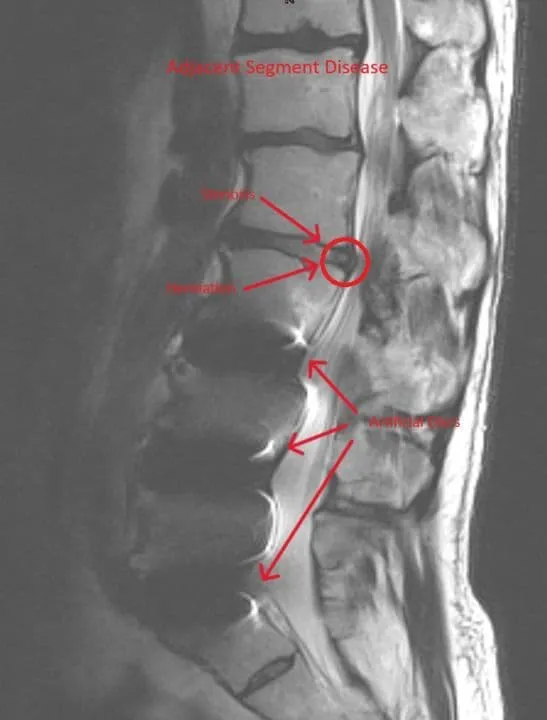
Stenosis persists or reoccurs commonly after discectomy, requiring additional decompression surgery.
WHAT WE RECOMMEND INSTEAD
Deuk Laser Disc Repair®: A Safer, Proven Alternative
Instead of removing disc material and leaving the annular tear untreated, Deuk Laser Disc Repair® uses endoscopic technology and laser precision to seal the torn annulus and repair the damaged disc — through an incision smaller than a fingernail.
Preserves Natural Disc
Your disc material remains intact. No tissue removal, no structural damage, no weakening of the spinal segment.
Treats Root Cause
Laser technology directly seals the annular tear — the actual source of herniation and inflammation that discectomy leaves completely untreated.
Same-Day Recovery
Outpatient procedure under light sedation. Walk out the same day — no hospital stay, no intubation, no opioids required.
Proven Results
95% patient satisfaction, 0.01% complication rate, and over 1,300 successful procedures performed by Dr. Deukmedjian.
Feature
Discectomy
Deuk Laser Disc Repair®
Procedure Type
❌ Invasive, removes disc material
✅ Minimally invasive, endoscopic
Incision Size
❌ 1–3 inches
✅ Less than 1/4 inch
Anesthesia
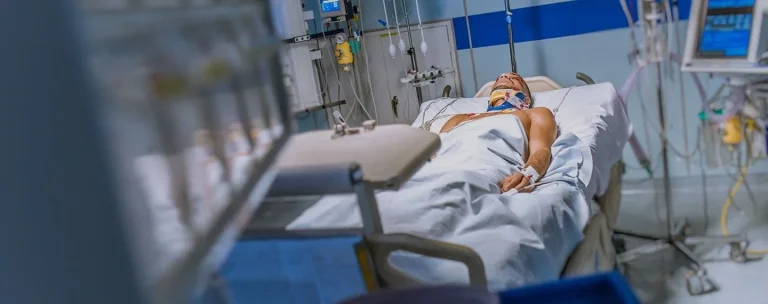
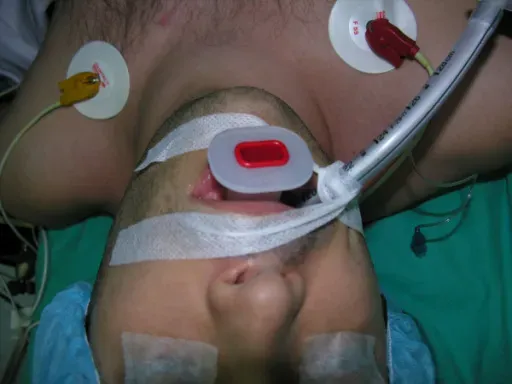
❌ General (intubated)
✅ Light IV sedation
Disc Treatment
❌ Removes disc fragments, doesn’t repair tear
✅ Laser seals annular tear and repairs disc
Bone Removal
❌ Yes — partial laminectomy required
✅ None
Hospital Stay
❌ 1–2 days inpatient
✅ Outpatient — go home same day
Recovery Time
❌ 4–6 weeks
✅ Days
Recurrence Rate
❌ 20–30% reherniation rate
✅ Rarely needed
Success Rate
❌ Initial relief fades — many need fusion
✅ 95% patient satisfaction
Repeat Surgery
❌ 90%+ need additional surgery
✅ Rarely needed
A BETTER ALTERNATIVE
Deuk Laser Disc Repair®
Minimally invasive, outpatient procedure with a 0.01% complication rate and 95% patient satisfaction. No bone removal. No disc removal. Same-day recovery.