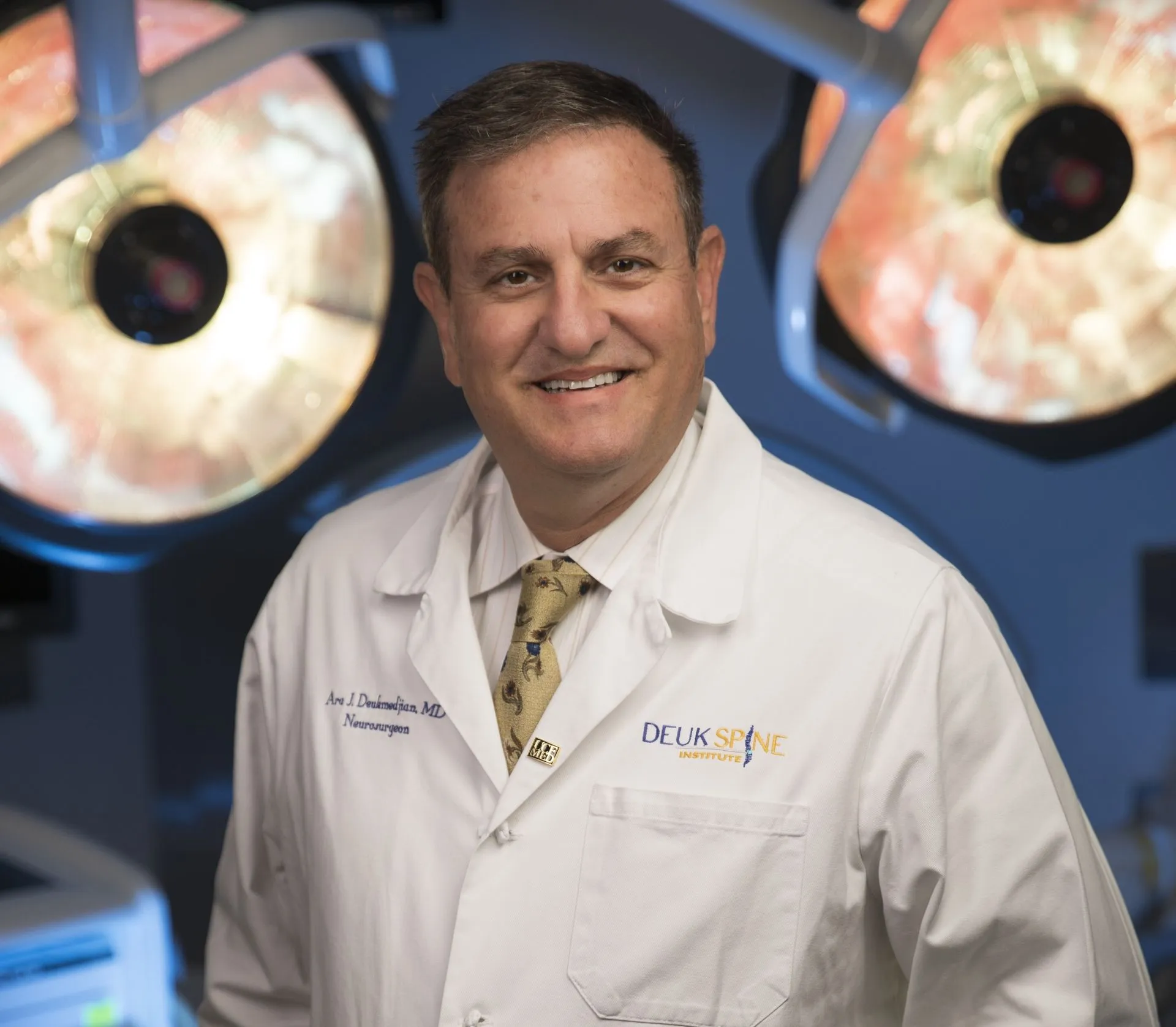
By Dr. Ara J. Deukmedjian, MD
Board Certified Neurosurgeon
Reviewed on July 1, 2026
Disclaimer: The infromation contained within this article is for educational purposes only and is not a substitute for personalized medical advice.
Key Points
✓ Endoscopic Spine Surgery uses a 4-7 mm working cannula and a high-definition endoscope to decompress nerves via a portal that’s even smaller than a fingernail. ¹
✓ Randomized controlled trials prove that full-endoscopic lumbar discectomy offers equivalent results compared to traditional microdiscectomy in relieving leg pain, while using less blood, offering shorter hospital stays and faster return to work. ² ³
✓ Reported complications for lumbar ESS in large cohorts are around 1.5-3.4%, comparable to or even lower than open microsurgery. ⁴
✓ Good endoscopic spinal surgery needs a defined learning curve of 20-40+ cases; surgeon’s caseload is one of the most important prognostic factors. ⁵
✓ Almost all disc herniation and foraminal stenosis cases can be managed with ESS using only local anesthesia or light sedation as an outpatient surgery. ¹ ²
✓ An experienced ESS surgeon is board-certified, fellowship trained in minimally-invasive or endoscopic spine surgery and has his published results, not just marketing materials.
✓ In our practice at Deuk Spine Institute, Deuk Laser Disc Repair® (endoscopic and motion preserving procedure) demonstrates 99% pain relief for treated pain sources and 0.01% complication rate among over 2,000 laser spine surgeries.
The Quick Answer
In case you suffer from back or neck pain and have heard that you need laminectomy or fusion, a highly skilled spine surgeon might resolve your condition through an incision of 7 mm size, not requiring any muscle dissection, bone removal or hardware insertion. However, there is one thing you need to know about endoscopic spine surgery. It is quite a complicated subspecialty and depends greatly on the skills, experience, and personal qualities of your surgeon. ⁵ ⁶
Below you will find a selected list of 10 U.S. surgeons with proven qualifications in performing endoscopic and minimally invasive spine surgeries. Information on credentials, locations, and procedures performed by each surgeon is provided below. All the surgeons were checked and confirmed to be actively practicing at the time of this review.
What Is Endoscopic Spine Surgery?
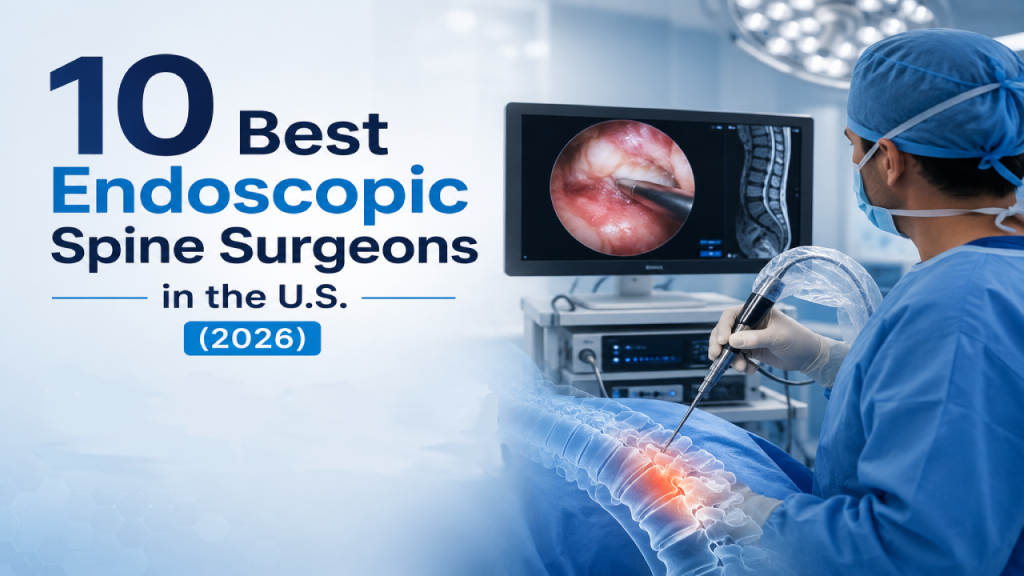
Endoscopic spinal surgery is an umbrella term for the different types of ultra minimally invasive surgical interventions performed via a working channel with a diameter of 4-7 mm that allows the use of a high-definition endoscope for visualizing neural structures.
The procedure workflow is straightforward:
- A 4–7 mm skin incision is made under fluoroscopic guidance.
- A tubular dilator is passed between the paraspinal muscles not through the sparing normal soft tissue.
- An endoscope that is inflexible in nature and contains the camera, a light source, and an irrigation passage is introduced. Micro-instruments along with a highly precise laser or radiofrequency probe in certain types of equipment are introduced via the working channel for removal of protruding discs, bone spurs, or hypertrophic ligaments, guided by the magnified live images displayed on the screen. ¹ ²
- The instruments are removed, and the incision is then closed using a single stitch or skin adhesive.
- As no cutting occurs and the structure of the spine (including the lamina, facet joints, and ligaments) remains intact, this technique is categorized as motion preserving as compared to open decompression and fusion surgery. ⁶
Conditions treatable with ESS include disc herniation, foraminal stenosis, facet syndrome, and, in some cases, degenerative disc disease. These are among the conditions considered in evaluating the surgeons below.
The 10 Best U.S. Endoscopic Spine Surgeons
The surgeons in this article are based on published outcomes, fellowship training, board certification, and demonstrated volume in endoscopic and minimally invasive spine techniques. Locations and affiliations were re-verified for this 2026 update.
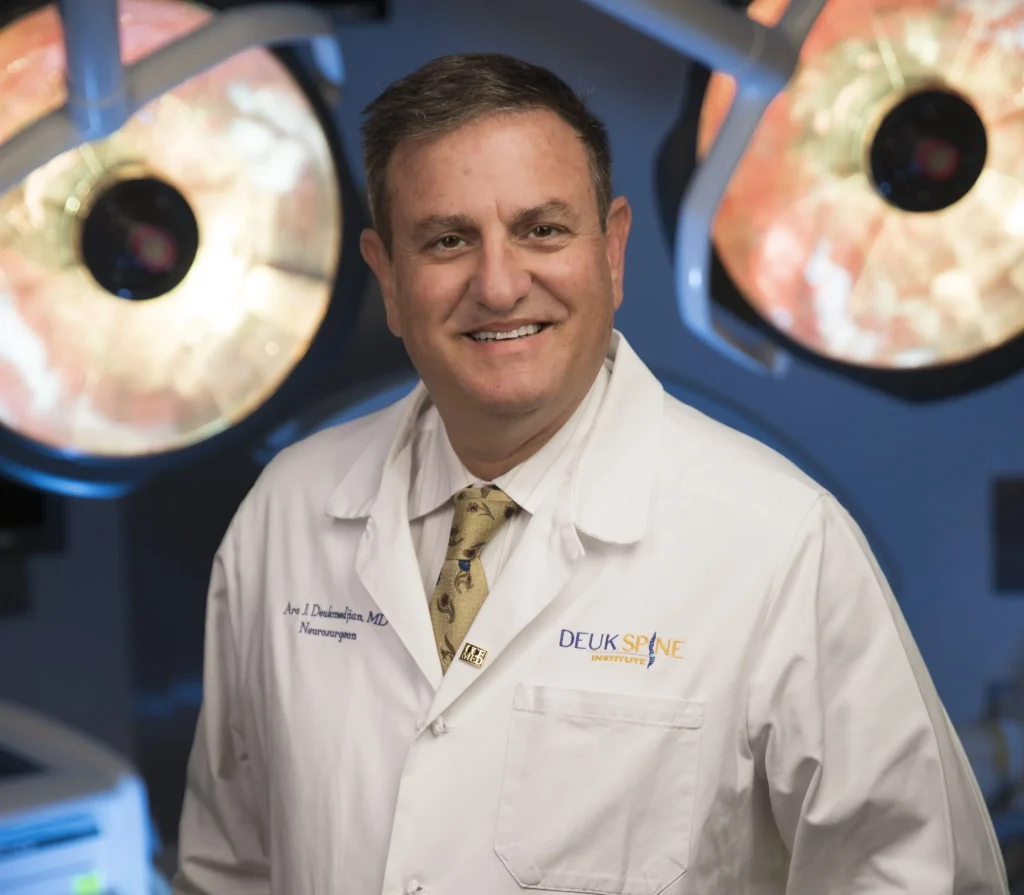
1. Dr. Ara J. Deukmedjian, MD
Location: (Deuk Spine Institute) 7955 Spyglass Hill Rd, Melbourne, FL 32940
About the surgeon: Dr. Ara Deukmedjian is a board certified, fellowship trained neurosurgeon and world leader in laser-endoscopic spine surgery. He is the developer of Deuk Laser Disc Repair®, an outpatient endoscopic procedure that decompresses the nerve without removing bone, cutting muscle, or fusing the spine.
In more than 15 years of dedicated endoscopic practice, Dr. Deuk has personally performed over 5,000 cervical decompressive discectomies and treated over 2,000 herniated or degenerated lumbar discs with DLDR, with a published 99% pain relief for treated pain sources and 0.01% complication rate. He earned his medical degree with highest honors from the University of Southern California School of Medicine and completed a neurosurgery fellowship funded as a principal investigator by the National Institutes of Health. He is CEO and Medical Director at Deuk Spine Institute. Patient reviews on independent sites such as Vitals.com consistently describe him as “professional,” “compassionate,” and “thorough.”
Procedures performed:
- Deuk Laser Disc Repair® (cervical, thoracic, lumbar)
- Deuk Plasma Rhizotomy® for facet and SI joint pain
- Endoscopic decompression
- Cervical and lumbar artificial disc replacement
- Traditional decompression when medically indicated
If you have a recent MRI or CT of the spine, the Deuk Spine team will review it at no cost and provide a personalized treatment plan. Request a free MRI review →
2. Dr. Paul Jeffords, MD
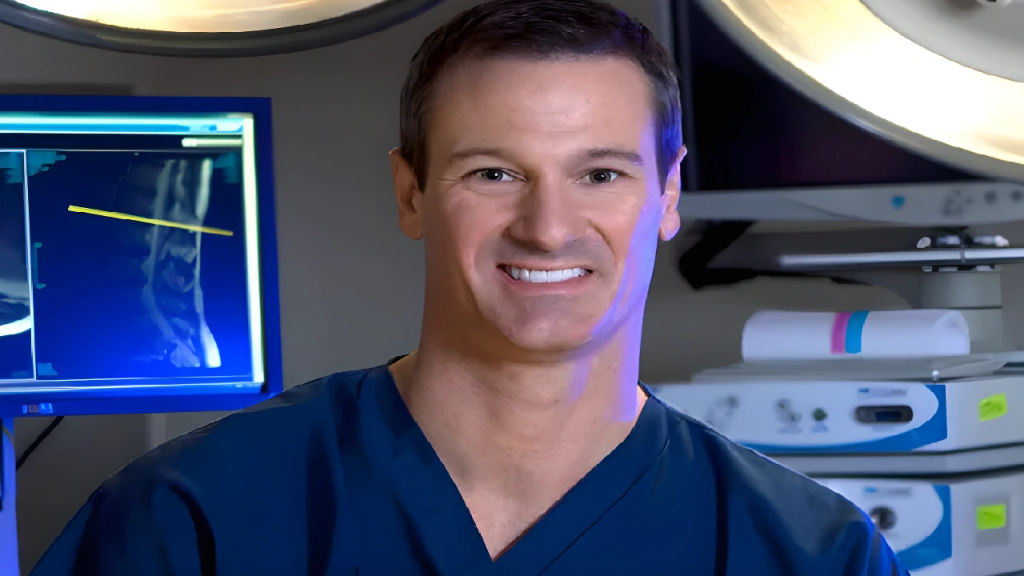
Location: (Resurgens Orthopedics)
5671 Peachtree Dunwoody Rd, Ste 700, Atlanta, GA 30342
About the surgeon: Dr. Paul Jeffords is a board certified, fellowship trained orthopedic spine surgeon. Who is a nationally recognized expert in spine surgery, endoscopic surgery and artificial disc replacement. He has been a surgeon at Resurgens Orthopedics, the largest orthopedic practice group in Georgia since 2005 and he is a former co-medical director of Resurgens Spine Center. He has been selected among the Newsweek’s 150 Best Spine Surgeons in America for 2024. ⁷
Dr. Paul Jeffords has completed his orthopedic surgery residency at Emory University, Atlanta. And his spine fellowship at the Texas Back Institute, Plano. Dr. Paul is a member of the Medical & Scientific Board of the National Spine Health Foundation. He works as an advisory consultant to some of the medical devices and biotech companies.
Surgeries done by the surgeon:
- Endoscopic lumbar and cervical discectomy procedures
- Cervical and lumbar artificial disc replacement procedures
3. Nima Salari, MD, FAAOS
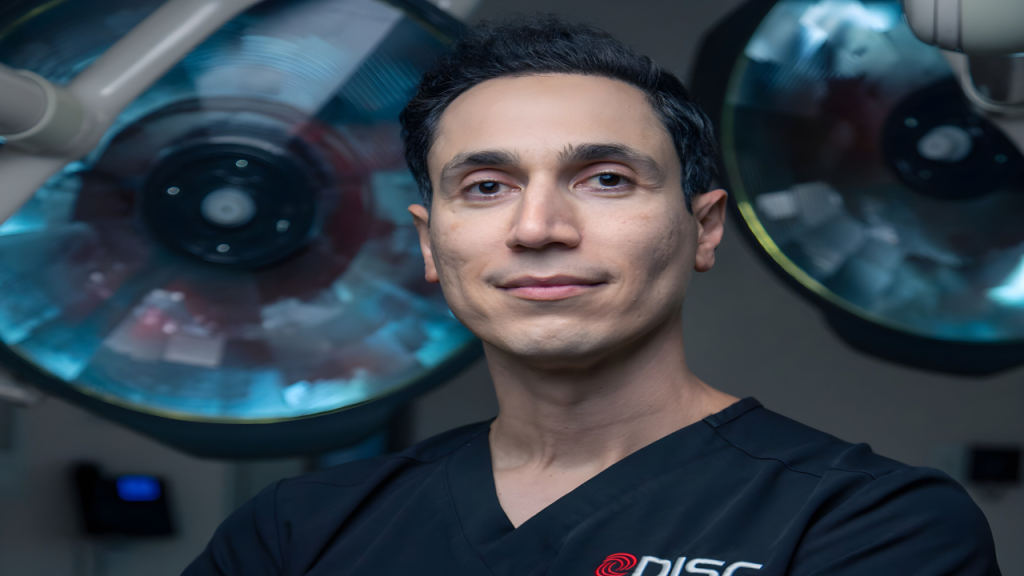
Location: Desert Institute for Spine Care (DISC) 1635 E Myrtle Ave, Ste 400, Phoenix, AZ 85020
About the surgeon: Dr. Nima Salari, MD, is an orthopedic spine surgeon at the Desert Institute for Spine Care.Trained in endoscopic spine surgery procedures, cervical artificial disc replacement and motion-preservation options for avoiding fusion. Dr. Salari did his orthopedic spine surgery residency at Johns Hopkins Hospital and spine fellowship training at Stanford University.
Dr. Salari was named Phoenix Magazine’s Top Doctor multiple years in a row and has written extensively on minimally invasive and image-guided spine surgeries. Dr. Salari is also a course director for internationally renowned endoscopic and laser spine surgery training curriculums.
Surgeries offered:
- Motion-preserving options for avoiding fusion
- Endoscopic lumbar and cervical discectomy procedures
- Cervical artificial disc replacement
- Degenerative disc disease and spondylolisthesis surgeries
4. Dr. Tony Mork, MD

Location: (Endoscopic Spine Specialist) 2102 Business Center Dr, Ste 127, Irvine, CA 92612 (Primary)
4851 Tamiami Trail N, Ste 200, Naples, FL 34103 (Secondary)
About the Surgeon: Dr. Tony Mork practices endoscopic spine surgeon who founded and practices at an all-endoscopic spine specialist practice and has been doing more than 8000 surgeries since 1998, when he dedicated his practice entirely to endoscopic spine surgery. Dr. Mork is co-founder of Microspine, National Instructor for Richard Wolf endoscope equipment and founder of Endoscopic Spine Academy where he instructs other surgeons in cadaver-lab intensives.
Dr. Mork graduated from the Residency Program in the Martin Luther King Hospital and has written more than 11 peer-reviewed papers in the International Journal of Medical Sciences regarding endoscopic spine surgery methods such as Endoscopic Facet Syndrome Treatment and Endoscopic Annular Tear Treatment.
Surgeries offered:
- Endoscopic Discectomy procedures
- Endoscopic Foraminal Stenosis procedures
- Endoscopic Revision Surgery after Failed Spinal Fusion
- Endoscopic Annular Tear Treatment and Facet Syndrome Treatment
5. Sang Hun Lee, MD, PhD
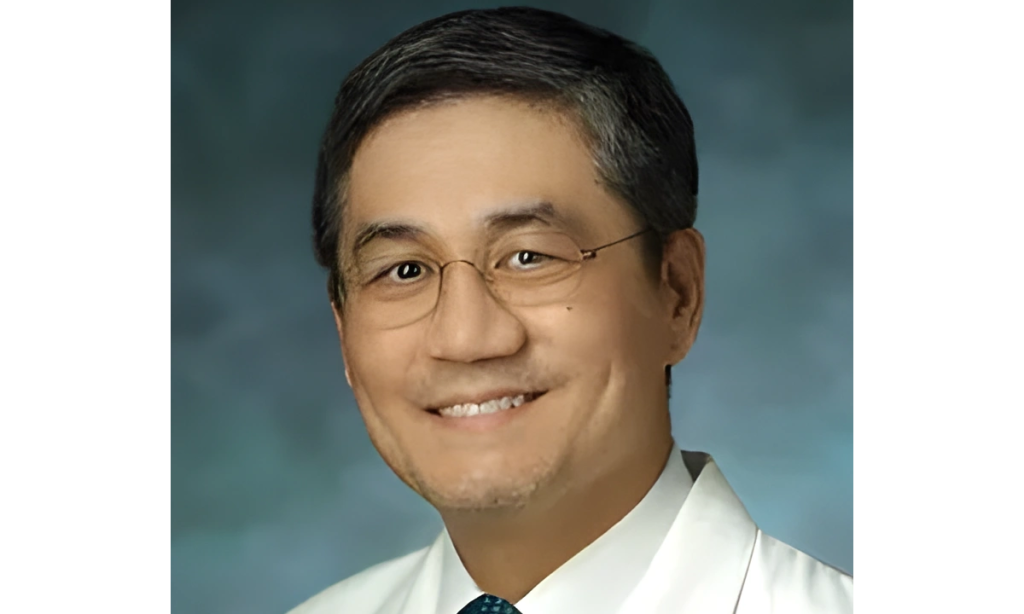
Location: (Johns Hopkins Medicine) Howard County Medical Center, 10700 Charter Drive, Ste 205, Columbia, MD 21044
About the Surgeon: Dr. Sang Hun Lee, MD is a spine surgeon from Johns Hopkins, with a expertise in both endoscopic spine surgery and complex reconstructive surgeries of the cervical spine, including surgery on spine tumors. He holds his MD and PhD degrees from Kyunghee University in Seoul and has undergone two fellowship training programs specializing in spine an academically backed professional with challenging skills.
Endoscopic decompression for lumbar and cervical disc herniation and spinal stenosis.
Often invited speaker at international minimally invasive spine society conferences.
Performed Procedures:
- Full-endoscopic lumbar and cervical discectomy procedures
- Endoscopic decompression for spinal stenosis procedures
- Complex cervical spine reconstruction
- Spinal tumor and metastasis surgery
6. Dr. Usman Zahir, MD
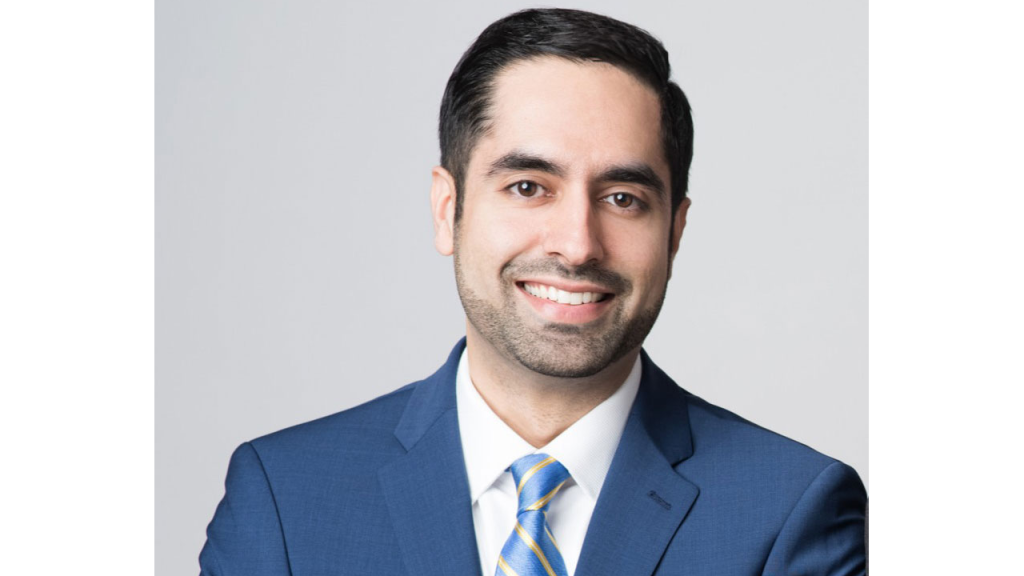
Location: 7811 Montrose Road, Ste 340, Potomac, MD 20854
About the surgeon: Dr. Usman Zahir is an orthopedic spine surgeon who trained in correcting lumbar disc herniation and spinal stenosis using endoscopy and minimal access techniques. His education includes orthopedic surgery residency at the University of Maryland R Adams Cowley Shock Trauma Center. And spine fellowship at the University of Maryland Medical Center.
Surgeries performed:
- Endoscopic lumbar discectomy procedures
- Endoscopic decompression of spinal stenosis procedures
- Minimal access spine surgery
- Fusion
7. Peter B. Derman, MD, MBA
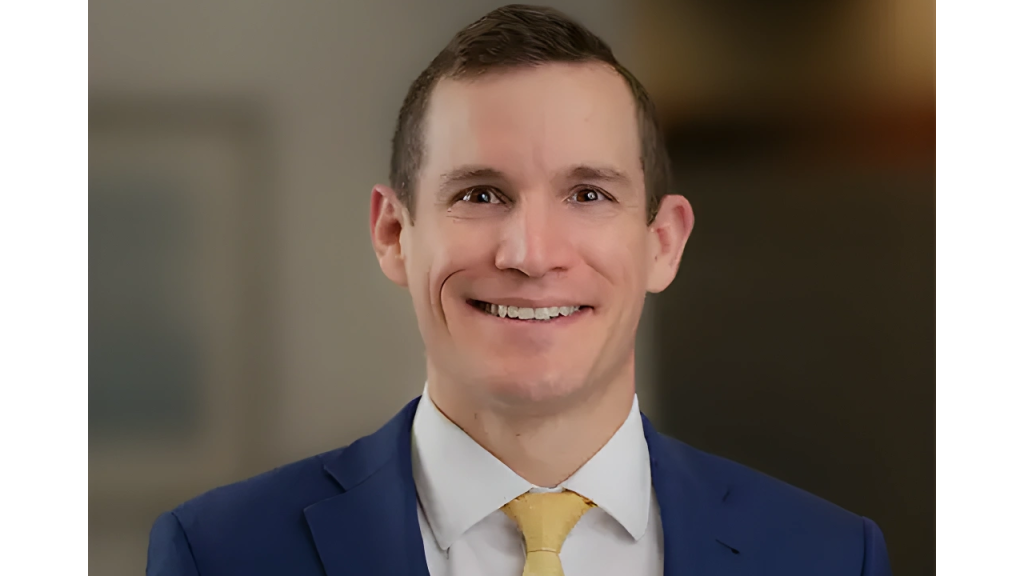
Location: (Texas Back Institute) 12222 N. Central Expressway, Pavilion II, Ste 310, Dallas, TX 75243
About the surgeon: Dr. Peter Derman, MD is a spine and endoscopic spine surgeon at the Texas Back Institute. Which is one of the most productive academic spine clinics in the United States. He received his education at the Perelman School of Medicine of the University of Pennsylvania and his MBA at Wharton School.
He did his orthopedic residency training at the Hospital for Special Surgery in New York. And the spinal fellowship training at Rush University Medical Center in Chicago. Dr. Derman is also very involved in SMISS society and gives lectures about endoscopic technique.
Procedures performed:
- Full-endoscopic discectomy of the lumbar and cervical spine surgery
- Artificial disc replacement of the cervical and lumbar spine surgery
- Decompression & fusion with minimally invasive techniques
- Motion preserving orthopedic spine surgeries
8. Christopher A. Yeung, MD
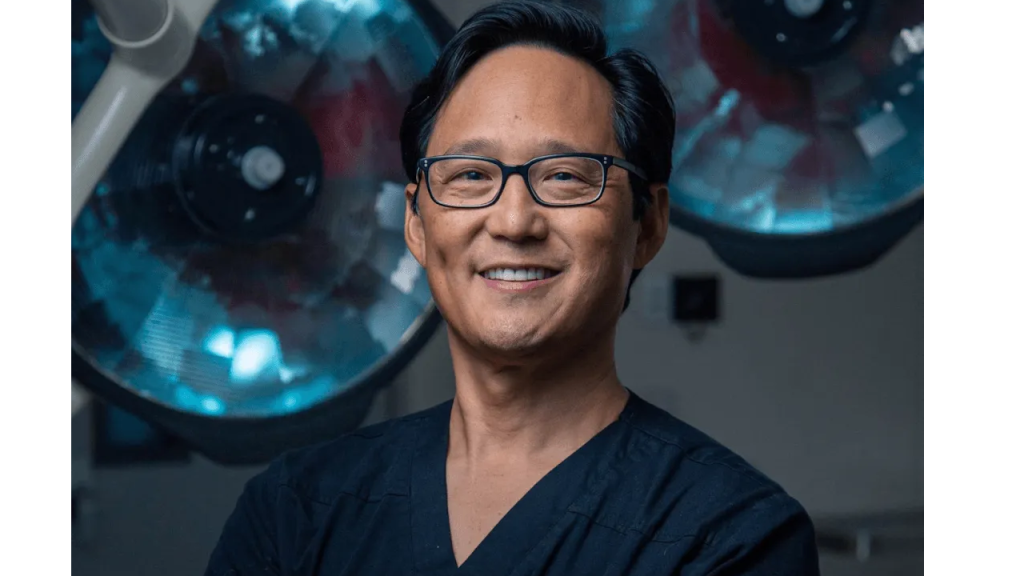
Location: Desert Institute for Spine Care (DISC) — 1635 E Myrtle Ave, Ste 400, Phoenix, AZ 85020
About the surgeon: Dr. Christopher Yeung is a specialist in endoscopic spine surgery and cervical artificial disc replacement in the United States. He did his residency training at the University of Southern California School of Medicine and received a spine fellowship training from the USC Center for Orthopedic Spine Surgery. Moreover, Dr. Yeung has written about minimally invasive spine surgery and was included in the Phoenix Magazine Top Doctors listing every year from 2005 – 2026.
Dr. Yeung and his colleagues at DISC were among the first surgeons who adopted full-endoscopic procedures in the United States and are currently involved in research in this field.
The procedures conducted by Dr. Yeung include:
- Full-endoscopic lumbar discectomy
- Endoscopic lumbar spinal stenosis decompression
- Cervical artificial disc replacement
- Sciatica and radiculopathy treatment
9. Tushar Ch. Patel, MD

Location: (District Ortho) 5454 Wisconsin Ave, Ste 1000, Chevy Chase, MD 20815
About the doctor: Dr. Tushar Ch. Patel is an orthopedic spine surgeon with a specialization in the cervical spine, minimal access surgeries, and spinal disc replacement. He received his MD degree from the Perelman School of Medicine at the University of Pennsylvania. And his spine fellowship training at the Cleveland Clinic. He worked as Chief of Spine Surgery at the Yale University School of Medicine until 2000 and was practicing in Northern Virginia till 2017.
Dr. Patel is the founding member of the Lumbar Spine Research Society and holds several patents. His area of interest is tissue engineering, bone growth factors, and spinal implants for the next generation.
Surgeries performed:
- Cervical artificial disc replacement surgery
- Minimal access cervical decompression
- Complex cervical and lumbar reconstructive surgery
- Spinal motion preservation surgery
10. Roger Härtl, MD

Location: (Och Spine at NewYork-Presbyterian / Weill Cornell Medicine) 240 E 59th Street, 2nd Floor, New York, NY 10022
About the surgeon: Dr. Roger Härtl is Hansen-MacDonald Professor of Neurological Surgery. Director of Spinal Surgery at Weill Cornell Medicine, and Neurosurgical Director of Och Spine at NewYork-Presbyterian. One of the largest academic spine programs in the United States. He is internationally known as a pioneer of minimally invasive spinal surgery, computer-assisted navigational techniques and augmented reality-guided spinal surgeries.
His research team has numerous publications on endoscopic spine surgery, including recent complication data in uniportal and biportal approaches.
Procedures performed:
- Full-endoscopic lumbar and cervical decompression
- Cervical and lumbar artificial disc replacement
- Navigation- and augmented-reality-guided minimally invasive spine surgery
- Complex spinal reconstruction, tumors, and deformity correction
Benefits of Endoscopic Spine Surgery
For selected patients, endoscopic spine surgery offers measurable advantages over open decompression or fusion. Most of which come from what the surgeon doesn’t have to do rather than what they do.
Smaller incision, less tissue damage
A working channel of 4–7 mm means muscles are dilated rather than cut, and the posterior tension band of the spine (lamina, ligaments, facet capsules) is preserved. Multiple randomized controlled trials comparing full-endoscopic lumbar discectomy to conventional microdiscectomy have shown significantly less intraoperative blood loss and shorter hospital stays in the endoscopic groups, with equivalent leg-pain relief at follow-up. ² ³
Lower infection risk
The wound is small and the procedure uses continuous saline irrigation, which flushes the surgical field throughout the case. Systematic reviews of large endoscopic series report surgical-site infection rates well under 1%, comparable to or lower than open microsurgical decompression. ⁴
Faster recovery times
Because muscle, bone, and ligament are preserved, patients typically discharge the same day and return to light activity within a week. A 2023 meta-analysis of full-endoscopic lumbar discectomy vs. microdiscectomy documented shorter time to return to work in the endoscopic arm, with no difference in reoperation rates at 1 and 2 years. ³
Less complications from minimally invasive surgeries
Endoscopic decompression preserves motion at the treated level. That matters over the long term: patients who undergo fusion have a documented risk of adjacent-segment degeneration at the level above or below the fusion, which can drive additional surgery years later. ⁸ Motion-preserving procedures do not create that biomechanical liability.
How to Choose the Right Endoscopic Spine Surgeon
Endoscopic spine surgery is one of the most technically demanding subspecialties in all of spine care, and outcomes vary widely based on the individual surgeon. Case-volume studies consistently show a defined learning curve of 20–40+ cases before complication rates and operative times stabilize. ⁵ Use the checklist below to separate marketing from measurable expertise.
1. Board certification and fellowship training
Look for board certification by the American Board of Neurological Surgery, the American Board of Orthopaedic Surgery, or the American Board of Spine Surgery, plus a completed fellowship in spine surgery — ideally one that included dedicated endoscopic training or exposure. General “minimally invasive” training is not the same as endoscopic training.
2. Endoscopic case volume
Ask directly: how many endoscopic procedures have you personally performed in the last 12 months? A surgeon doing 5 endoscopic cases a year in an otherwise open practice is not the same as a surgeon doing 200. Volume correlates strongly with technical outcome in ESS. ⁵
3. Published outcomes and complication data
Reputable high-volume endoscopic surgeons can quote their own outcome data — success rate, complication rate, revision rate and, ideally, point to peer-reviewed publications supporting it. Vague answers are a red flag.
4. A clear, honest treatment plan
A skilled surgeon should be able to explain what your MRI shows, why they recommend a specific procedure, and importantly. What they will not do. If “fusion” is the default recommendation for a routine soft-disc herniation without documented instability, get a second opinion. ⁶
5. Independent patient reviews
Look beyond the clinic’s website. Check Healthgrades, Vitals, Google, and (where appropriate) state medical-board records for the actual surgeon not just the practice.
6. Get a second opinion
For any recommendation involving fusion, hardware, or laminectomy, a second opinion is standard practice. It costs a phone call and can prevent an irreversible surgical decision.
An 7 mm endoscopic procedure — without bone removal or fusion.
Most patients with a herniated disc, foraminal stenosis, or facet-driven pain don’t need a fusion. Send your MRI for a free review by Dr. Deukmedjian — developer of Deuk Laser Disc Repair® — and learn whether an outpatient, motion-preserving endoscopic option could treat your condition. No bone removal, no muscle cutting, no hardware.
- 99%
- Average pain relief
- 0.01%
- Complication rate
- 72hrs
- Back to normal activity
FAQs
What conditions can endoscopic spine surgery treat?
ESS is most effective for lumbar and cervical disc herniations, foraminal stenosis, facet-mediated pain, and select cases of lateral recess stenosis. It is less appropriate for severe central canal stenosis with myelopathy, documented instability, deformity, or fracture. Those conditions may require a more traditional decompression or fusion. ¹
How is endoscopic spine surgery different from “minimally invasive” spine surgery?
“Minimally invasive spine surgery” (MISS) is an umbrella term that includes tubular retractor techniques with incisions of 15–25 mm. Full-endoscopic spine surgery uses an integrated endoscope through a working channel of 4–7 mm and continuous saline irrigation. The endoscopic incision is smaller, the tissue disruption is less, and the recovery is generally faster but the technical demand on the surgeon is significantly higher. ¹ ²
What is the success rate of endoscopic spine surgery?
For appropriately selected patients with lumbar disc herniation, randomized controlled trials and meta-analyses report success rates (defined as meaningful pain and function improvement) of ~85–95% at 1 to 2 years, statistically equivalent to microdiscectomy. ² ³ Deuk Laser Disc Repair®, a specific endoscopic-laser technique, has a published success rate of 99% across more than 2,700 procedures.
What are the risks and complications of endoscopic spine surgery?
Reported complications in large lumbar ESS series include dural tear, transient dysesthesia, recurrent herniation, and rarely nerve-root injury or infection, with major complication rates in the range of 1.5–3.4%. ⁴ Complication rates are strongly surgeon-dependent and drop significantly after the learning curve. ⁵
How long is recovery after endoscopic spine surgery?
Most patients are discharged the same day, walking within hours, and back to sedentary work within 3–7 days. Return to full activity typically takes 4–6 weeks depending on the procedure and the patient. ³
Does insurance cover endoscopic spine surgery?
Most major U.S. insurance plans, Medicare, and workers’ compensation cover medically necessary endoscopic spine procedures, though coverage for specific advanced techniques varies by carrier. Deuk Spine Institute verifies benefits during a free MRI review.
Who is the best endoscopic spine surgeon in the United States?
There is no single objective answer. The “best” depends on your specific diagnosis, anatomy, geography, and insurance. What you can control is the criteria: board certification, fellowship training, high endoscopic case volume, published outcomes, and a treatment plan that is proportional to your actual pathology. The ten surgeons on this list all meet those criteria; Dr. Ara Deukmedjian at Deuk Spine Institute offers a free MRI review to help you evaluate whether an endoscopic option is realistic in your case.
Sources
View Sources
- Hasan S, Härtl R, Hofstetter CP. The benefit zone of full-endoscopic spine surgery. Journal of Spine Surgery. 2019;5(Suppl 1):S41–S56.
- Ruetten S, Komp M, Merk H, Godolias G. Full-endoscopic interlaminar and transforaminal lumbar discectomy versus conventional microsurgical technique: a prospective, randomized, controlled study. Spine. 2008;33(9):931–939.
- Chen Z, Zhang L, Dong J, et al. Percutaneous transforaminal endoscopic discectomy compared with microendoscopic discectomy for lumbar disc herniation: 1-year results of an ongoing randomized controlled trial. Journal of Neurosurgery: Spine. 2018;28(3):300–310.
- Choi KC, Kim JS, Ryu KS, Kang BU, Ahn Y, Lee SH. Percutaneous endoscopic lumbar discectomy for L5–S1 disc herniation: transforaminal versus interlaminar approach. Pain Physician. 2013;16(6):547–556.
- Ahn Y, Lee S, Son S, Kim H. Learning Curve for Interlaminar Endoscopic Lumbar Discectomy: A Systematic Review. World Neurosurgery. 2021;150:93–100.
- Kim M, Kim HS, Oh SW, et al. Evolution of Spinal Endoscopic Surgery. Neurospine. 2019;16(1):6–14.
- Newsweek. America’s Best Spine Surgeons 2024
- Hilibrand AS, Robbins M. Adjacent segment degeneration and adjacent segment disease: the consequences of spinal fusion? The Spine Journal. 2004;4(6 Suppl):190S–194S.