Your surgeon recommends a laminectomy with fusion for your herniated disc. The procedure requires a 4-inch incision, removes portions of your vertebrae, and fuses spinal segments together. Recovery takes 6-12 months, and the surgeon mentions adjacent segment disease as a potential complication. You ask about minimally invasive options, and the surgeon assures you this IS minimally invasive.
I know this scenario because I’ve evaluated hundreds of patients told they need destructive spine surgery. The term “minimally invasive” has become meaningless – surgeons apply it to procedures requiring multi-inch incisions, bone removal, and permanent hardware. After performing over 2,800 endoscopic spine procedures through 4-7mm incisions with zero major complications, I’ve identified the criteria that separate truly minimally invasive surgeons from those using marketing language.
Traditional spine surgeries, including laminectomy, discectomy, and fusion, rarely eliminate chronic pain because they don’t address the actual pain source. These procedures create internal scar tissue, destroy bone structure, and cause adjacent segment disease requiring additional surgeries. True minimally invasive spine surgery preserves your anatomy, targets the specific pathology causing pain, and allows same-day recovery.
This article provides practical criteria to identify surgeons with genuine minimally invasive expertise, including training requirements, outcome transparency standards, and essential questions to ask during consultation.
What "Minimally Invasive" Actually Means in Spine Surgery
Surgeons describe 3-4 inch incisions as minimally invasive. They call procedures that remove bone and insert metal hardware minimally invasive. They market fusion surgeries requiring months of recovery as minimally invasive.
True minimally invasive spine surgery has specific characteristics:
- Incision size under 10mm: Cervical 4mm, lumbar 7mm
- No bone removal: Preserves vertebral structure and stability
- No hardware implantation: Maintains natural spinal motion
- Same-day outpatient: Walk within hours, home same day
- Recovery in weeks: Normal activities within 4-6 weeks
- Targets actual pain source: Addresses annular tears directly
A laminectomy removes the bone protecting your spinal cord, creating permanent weakness. Discectomy removes disc material through large incisions damaging muscles and ligaments. Fusion eliminates natural motion and transfers stress to adjacent levels, causing progressive degeneration and adjacent segment disease.
These procedures create long-term problems – chronic pain from internal scarring, adjacent segment disease requiring additional surgeries, and permanent mobility restrictions. Traditional spine surgeries don’t address the actual source of chronic back pain: torn annular fibers with trapped herniated material causing inflammation.
The Training Gap: Fellowship in Endoscopic Spine Surgery
Board certification provides basic qualifications for spine surgery. However, residency training focuses on traditional open procedures – laminectomy, discectomy, and fusion. Most spine surgeons complete training without performing a true endoscopic spine procedure.
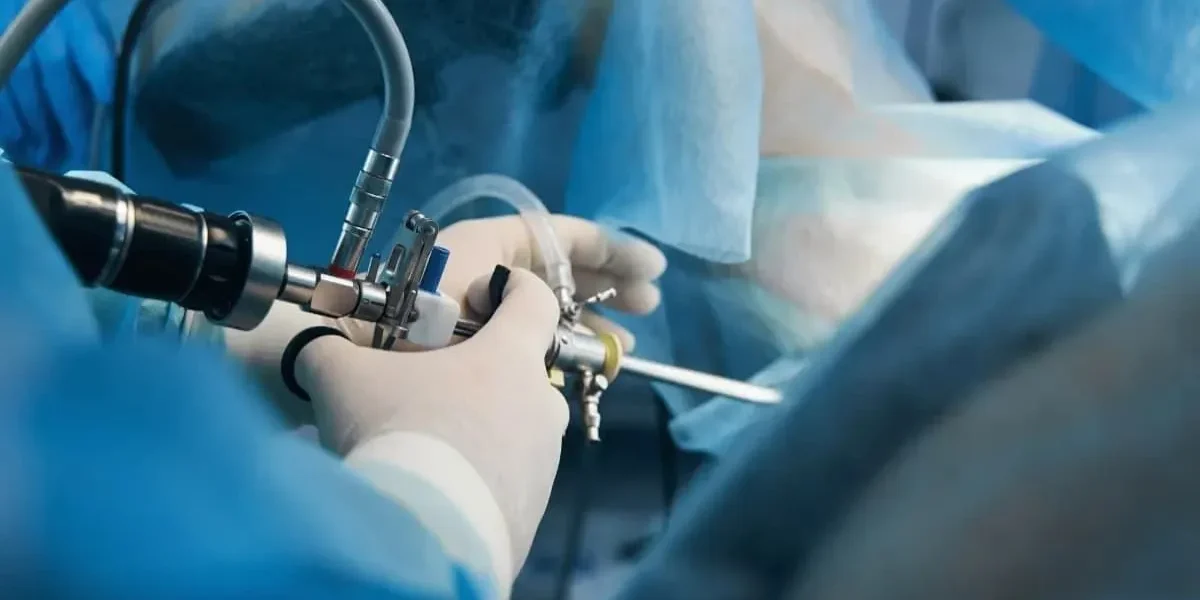
Genuine minimally invasive expertise requires fellowship training specifically in endoscopic spine surgery. This specialized training teaches endoscopic visualization through small portals, annular tear identification on MRI and during surgery, selective tissue removal while preserving healthy structures, motion-preserving techniques without fusion, and laser tissue interaction for precise modification and sealing.
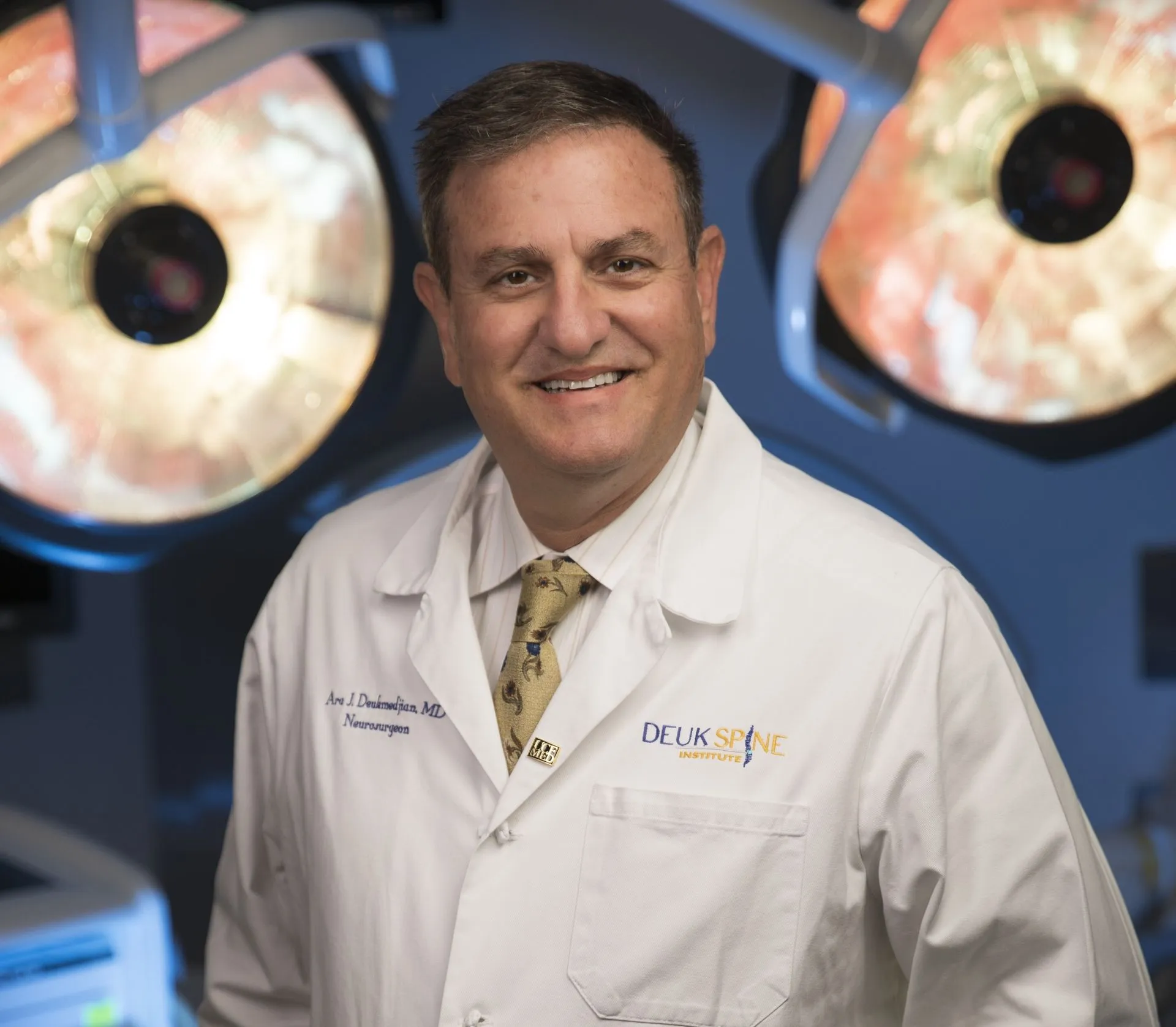
During my neurosurgery residency at University of Florida – a top 3 program nationally – I completed 70% of cases in spine surgery. However, that training focused on traditional open procedures. My NIH-funded fellowship provided specialized training in endoscopic techniques allowing me to perform procedures through 4-7mm incisions while achieving better outcomes than traditional surgery.
Ask any prospective surgeon about fellowship training in endoscopic spine surgery. If they cannot specify where they received this training, they learned traditional destructive techniques and are applying the “minimally invasive” label incorrectly.
Why Case Volume Matters
Endoscopic spine surgery requires different skills than traditional procedures. The surgeon operates through a narrow portal with limited direct visualization, relying on camera imaging. This demands extensive experience.
Surgeons performing fewer than 100 endoscopic procedures annually lack the experience for consistent outcomes. Over 20 years, I’ve performed more than 2,800 endoscopic spine procedures. This volume allows me to handle complex anatomical variations, recognize subtle pathology during surgery, and achieve zero major complications – making these the safest spine surgeries available.
Ask your prospective surgeon how many endoscopic procedures they perform annually. Less than 100 indicates insufficient experience.
Diagnostic Accuracy: Identifying the True Pain Source
The most skilled surgeon cannot help if they misdiagnose your pain source. Traditional spine surgery often fails because surgeons operate on the wrong level or address conditions not causing symptoms.
MRI scans show structural abnormalities, but 100% of people over 45 have disc herniations visible on imaging. Only 10-15% of those herniations cause symptoms. The critical skill involves correlating MRI findings with pain patterns and physical examination to identify which specific structure generates your pain.
A minimally invasive spine surgeon must demonstrate expertise in annular tear recognition on MRI, nerve root irritation patterns, pain generator correlation matching imaging to specific pain locations, and multi-level pathology assessment.
The Deuk Spine Exam integrates detailed pain history, physical examination, and advanced MRI interpretation to achieve 99% diagnostic accuracy, identifying the specific disc injury, facet joint inflammation, or other pathology responsible for chronic pain.
Ask the surgeon to explain exactly how they determine which structure causes your pain. If they rely primarily on MRI without detailed discussion of pain patterns and physical examination, they lack diagnostic sophistication necessary for surgical success.
Outcome Transparency: Demanding Published Results
Most spine surgeons cannot provide specific data about surgical outcomes. They offer vague assurances about “excellent results” without quantitative evidence. This lack of transparency should concern any patient considering spine surgery.
A surgeon with genuine confidence publishes outcomes in peer-reviewed medical journals through systematic outcome tracking, independent review, statistical analysis, and honest complication reporting.
I’ve published research on the Deuk Laser Disc Repair® in peer-reviewed journals demonstrating 95% success rates in eliminating chronic pain from disc injuries. More importantly, I can document zero major complications across 2,800+ procedures over 20 years – no infections, no nerve damage, no spinal fluid leaks, no hardware failures.
Ask your prospective surgeon for published research demonstrating surgical outcomes. Request specific data on success rate in pain elimination, complication rates including infections and nerve damage, average recovery time, long-term outcomes at 5 and 10 years, and adjacent segment disease rates for fusion procedures.
If the surgeon cannot provide this information, they either don’t track outcomes systematically or the results don’t support their claims.
Essential Questions to Ask Your Prospective Surgeon
Your consultation should include specific questions revealing true expertise in minimally invasive techniques:
Training and Experience
- “Where did you complete fellowship training in endoscopic spine surgery?” Look for specific program names and dates.
- “How many endoscopic procedures do you perform annually?” Less than 100 suggests limited experience.
- “How long have you been performing endoscopic procedures?” Less than 5 years indicates developing expertise.
Diagnostic Approach
- “How do you determine which disc causes my specific pain?” Look for detailed discussion of pain patterns and physical examination.
- “Can you identify annular tears on my MRI?” Ask them to show you the tears.
- “What is your diagnostic accuracy rate?” Surgeons should track this metric.
Procedure Details
- “What size incision does this procedure require?” True minimally invasive should be under 10mm.
- “Will you remove any bone during surgery?” Bone removal indicates traditional invasive approach.
- “Will you implant any hardware?” Hardware means fusion with complications.
- “How does this procedure address the annular tear?” The procedure should directly treat the tear.
- “When can I walk after surgery and go home?” Same-day discharge indicates truly minimally invasive technique.
Outcomes and Safety
- “What is your complication rate for this procedure?” Ask for specific numbers.
- “Have you published outcomes in peer-reviewed journals?” Request specific citations.
- “What is your success rate in eliminating pain?” Look for data-supported percentages.
- “What is your reoperation rate?” How often do patients require additional surgery?
Why Traditional Spine Surgery Often Fails
Understanding why laminectomy, discectomy, and fusion frequently fail helps you evaluate surgical recommendations critically.
Laminectomy: Bone Destruction Without Pain Relief
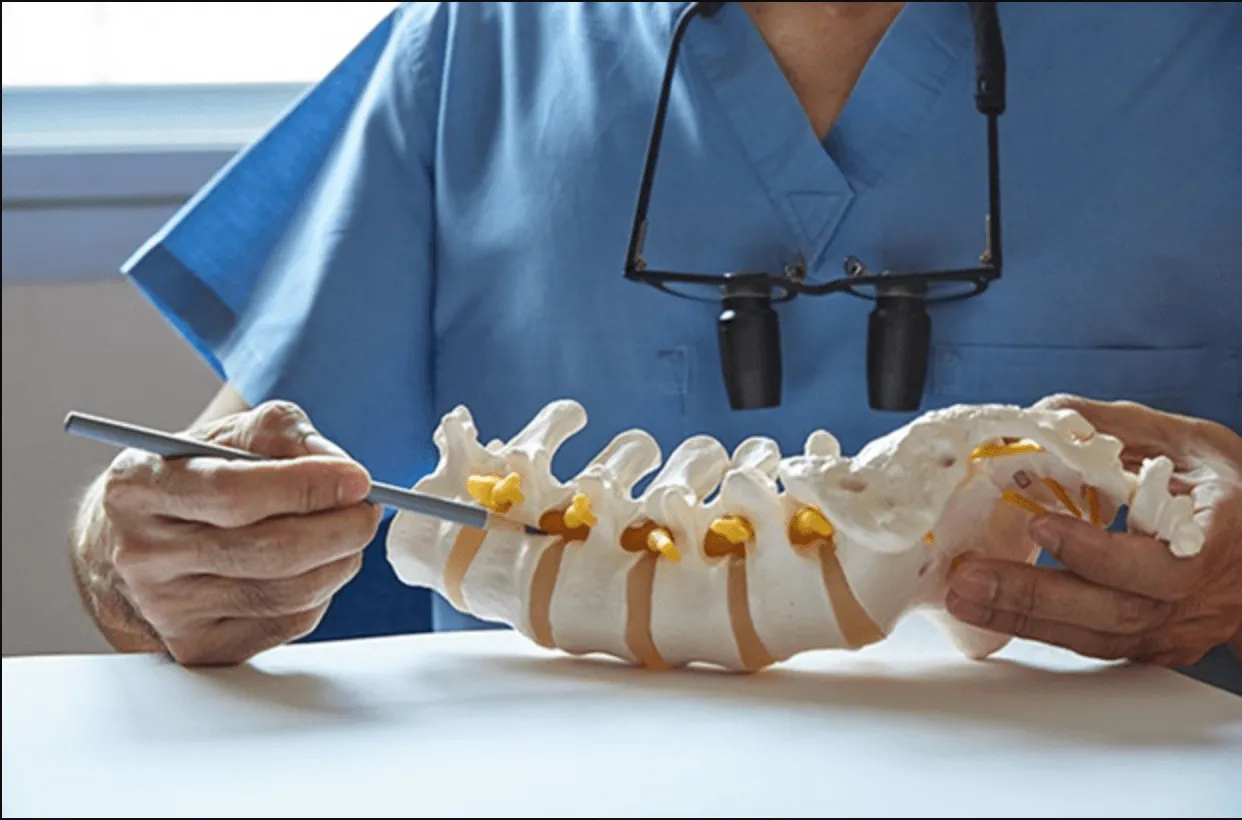
Laminectomy removes portions of the lamina – the bony roof protecting your spinal cord – to create space for compressed nerves. The problems include: doesn’t address disc injuries or annular tears, creates spinal instability through bone removal, generates internal scarring from large incisions, often requires subsequent fusion surgery, and involves months of recovery.
Most importantly, laminectomy doesn’t treat the annular tear causing 85% of chronic back pain. The procedure addresses spinal stenosis, which research shows does NOT cause back pain in most patients.
Discectomy: Missing the Actual Pain Source
Discectomy removes herniated disc material pressing on nerve roots. The limitations include: ignores annular tears while removing loose disc material, chronic pain persists because tears remain untreated, creates instability by removing disc cushioning, generates scarring around nerves, and shows high recurrence rates.
The herniated material visible on MRI represents the symptom, not the cause. The actual pain source is the torn annular fiber with trapped herniation causing inflammation. Standard discectomy removes some herniated material but doesn’t debride the tear or eliminate inflammation.
Fusion: Eliminating Motion and Creating New Problems
Spinal fusion permanently connects vertebrae using bone grafts and metal hardware. The problems include: adjacent segment disease where fusing segments transfers stress to neighboring levels requiring additional surgeries within 10 years for 20-40% of patients, permanent mobility loss restricting activities, hardware complications with screws and rods loosening or breaking, failed fusion occurring in 10-40% of cases, extended 6-12 month recovery, and no guarantee of pain relief since eliminating motion doesn’t address disc inflammation.
The Deuk Laser Disc Repair: True Minimally Invasive Surgery
The Deuk Laser Disc Repair® represents genuine minimally invasive spine surgery with outcomes and safety that traditional procedures cannot match.
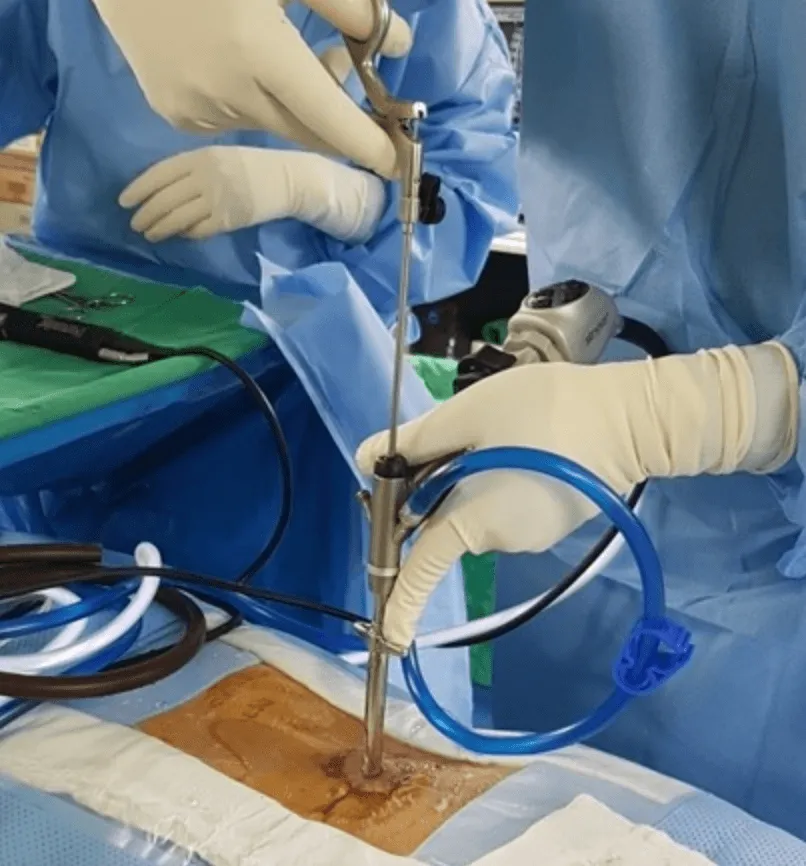
This patented endoscopic procedure uses a 7mm lumbar incision or 4mm cervical incision with no bone removal and no hardware. It directly treats annular tears through debridement of torn fibers and removal of trapped herniation, uses laser sealing to promote natural healing without fusion, and preserves natural spinal motion. Patients walk within hours and go home the same day, with return to work in 1-2 weeks and normal activities in 4-6 weeks.
The procedure addresses the specific pathology responsible for 85% of chronic back pain – the torn annular fiber with trapped herniated material causing inflammation. By removing the herniation, debriding the inflamed tear, and sealing the area with laser energy, the procedure eliminates the pain source while preserving your natural disc and spinal motion.
Over 2,800 procedures performed across 20 years have achieved zero major complications. No infections. No nerve damage. No spinal fluid leaks. No hardware failures. This safety record makes the Deuk Laser Disc Repair® the safest spine surgery available.
Published research demonstrates 95% success rates in eliminating chronic pain from disc injuries. Patients walk within 1-2 hours after surgery, return home the same day, and resume most normal activities within 4-6 weeks. No 6-12 month recovery. No permanent hardware. No adjacent segment disease. No motion restrictions.
Making Your Decision
Finding a minimally invasive spine surgeon requires looking beyond marketing claims to evaluate actual credentials, training, experience, and outcomes. The surgeon should demonstrate specific fellowship training in endoscopic spine surgery, annual case volume exceeding 100 endoscopic procedures, expertise in diagnosing annular tears and correlating MRI findings with pain patterns, published outcomes in peer-reviewed journals, transparent complication rates and success statistics, and willingness to answer detailed questions about training and results.
Don’t accept vague assurances about “minimally invasive” techniques when the surgeon recommends procedures requiring multi-inch incisions, bone removal, or hardware implantation. These remain fundamentally invasive surgeries regardless of marketing language.
Don’t proceed with laminectomy, discectomy, or fusion without understanding why these procedures frequently fail to eliminate chronic pain and often create long-term complications including adjacent segment disease and internal scarring.
Don’t assume board certification alone indicates expertise in true minimally invasive techniques. Most spine surgeons received training in traditional destructive procedures and lack specialized fellowship training necessary for endoscopic surgery.
Take Control of Your Spine Surgery Decision
Your spine surgeon’s training, experience, and outcomes directly impact your results. Choosing a surgeon who performs genuinely minimally invasive procedures through sub-centimeter incisions, preserves your anatomy, and targets the actual pain source determines whether you achieve lasting pain elimination or join millions of patients with failed back surgery syndrome.
The questions provided in this article give you tools to evaluate surgeons objectively based on credentials and outcomes rather than marketing claims. Use them during consultations to separate surgeons with real endoscopic expertise from those applying “minimally invasive” labels to traditional destructive procedures.
If you’re considering spine surgery, submit your MRI for expert review to determine whether you’re a candidate for true minimally invasive treatment. Schedule a consultation to discuss the Deuk Laser Disc Repair® and learn how endoscopic surgery through 4-7mm incisions can eliminate your chronic pain without the complications and extended recovery associated with laminectomy, discectomy, and fusion.
Your spine surgery decision affects your quality of life for years or decades. Make that decision based on evidence, expertise, and outcomes – not marketing language and vague promises about “minimally invasive” procedures that remain fundamentally destructive.