Your surgeon recommended microdiscectomy for your herniated disc, and you’ve spent weeks researching recovery timelines, complication rates, and success stories. Yet something doesn’t sit right about spending months recovering from surgery when modern medicine should offer better options.
After over 30 years performing spine surgery and completing more than 100,000 procedures since 2004, I’ve learned that the choice between microdiscectomy and laser spine surgery comes down to one critical factor: tissue trauma.
Traditional open surgery requires cutting and removing muscle, bone, and extensive soft tissue disruption. Modern endoscopic laser techniques access the disc through incisions smaller than a dime, preserving the structural integrity that determines how quickly you return to normal life.
What Microdiscectomy Actually Does to Your Spine
Microdiscectomy is performed through a 2 to 3-inch incision. The surgery requires peeling muscles away from the spine and cutting muscle tendons off the spine, often removing 50% to 100% of the facet joint and the bony lamina protecting the spinal canal. Nothing removed during this surgery is put back. Bones and ligaments are permanently gone.
The procedure targets leg pain caused by nerve compression – the sharp, shooting pain radiating down the leg, along with weakness, numbness, and tingling in a specific nerve distribution. Microdiscectomy aims to relieve radicular symptoms by removing the herniated fragment that is pressing on the nerve.
What microdiscectomy doesn’t address is back pain. Back pain originates from inflammation within the posterior annular tear in the disc itself. Removing herniated material may decompress the nerve and eliminate leg symptoms, but it does nothing to treat the inflamed annular tear causing axial back pain.
Microdiscectomy also fails more often than patients are told. The procedure works approximately 50% of the time, and when it does work, 50% of those patients re-herniate the same disc with the same pain or worse. At that point, the same surgeon who performed the first surgery typically recommends spinal fusion – a far more extensive and profitable operation.
The Tissue Trauma Comparison
The fundamental difference between these two procedures lies in what each one permanently destroys to reach the disc. Traditional microdiscectomy creates a corridor through muscles, ligaments, and bone. Endoscopic laser surgery reaches the same disc through a 4mm or 7mm incision without disturbing any of those structures.
The specific trauma points from microdiscectomy:
- Muscle cutting and tendon removal: Paraspinal muscles are peeled off the spine and tendons are cut at their bony attachments, leading to permanent weakness and chronic postural problems.
- Facet joint destruction: Removing 50% to 100% of the facet joint permanently destabilizes the spine and accelerates degenerative changes at adjacent levels.
- Lamina and ligament removal: The bony lamina and ligamentum flavum are cut away to access the spinal canal. Neither grows back. Spinal stability is permanently compromised.
- Scar tissue formation: Surgical trauma triggers epidural fibrosis – scar tissue around nerve roots that can tether nerves, restrict motion, and cause chronic pain. Studies suggest epidural fibrosis occurs in up to 24% of patients after open discectomy.
The Deuk Laser Disc Repair® uses a 7mm incision for lumbar procedures and a 4mm incision for cervical procedures. No muscle is cut, no bone is removed, no ligaments are damaged. The endoscopic approach preserves spinal anatomy completely, which is why recovery is measured in hours rather than months.
Recovery: Hours vs. Months
Microdiscectomy recovery typically requires three to six months. Patients spend one to two days in the hospital, cannot drive for one to two weeks, and must avoid bending, lifting, or twisting for at least six weeks. Physical therapy begins four to six weeks post-surgery to rebuild strength in damaged muscles. And given that the procedure works only about 50% of the time, many patients endure this entire recovery process only to find their pain unchanged or worse.

The Deuk Laser Disc Repair® eliminates most recovery time through tissue preservation. All patients go home the same day. The procedure takes approximately 20 minutes per disc level. Patients walk within one hour after surgery. Most return to desk work within days, while physically demanding jobs typically require only two to four weeks off work. No physical therapy is required because the procedure preserves muscles, bones, and ligaments.
Why Microdiscectomy Cannot Treat Back Pain
Radicular leg symptoms result from chemical inflammation of nerve roots caused by herniated nucleus pulposus material. Microdiscectomy addresses this by removing the herniated fragment that compresses the nerve.
Back pain is a different problem entirely. It originates from inflammation within the posterior annular tear of the disc. The annulus fibrosus contains pain-sensitive nerve fibers in its outer layers. When the annulus tears, inflammation activates pain receptors and triggers the growth of new pain nerve fibers into the tear through neoinnervation. Herniated nucleus pulposus material trapped in the tear perpetuates this inflammation for months or years.
Based on my clinical experience with over 2,700 Deuk Laser Disc Repair® procedures, approximately 85% of patients with chronic back pain have disc injuries as the primary pain source. Microdiscectomy leaves this source completely untreated, which is also why re-herniation rates are so high – the structural weakness in the annular tear remains.
The Deuk Laser Disc Repair® uses an endoscopic laser to access the tear, remove inflammatory tissue, debride damaged annular fibers, and eliminate any herniated material trapped in the tear. This debridement allows the tear to heal naturally over 9 to 12 months, resolving the source of back pain.
Complication Rates
Common complications from microdiscectomy include:
- Infection: 0.5% to 3%, with deep infections potentially requiring additional surgery
- Nerve damage: Up to 6% of cases, ranging from temporary numbness to permanent weakness
- Spinal instability: From removing 50% to 100% of the facet joint, often requiring fusion to correct
- Recurrent herniation: Approximately 50% of initial responders re-herniate
- Failed Back Surgery Syndrome: Affects 10% to 40% of traditional spine surgery patients from epidural fibrosis
The Deuk Laser Disc Repair® complication profile is dramatically different. In over 2,700 procedures since 2004, the infection rate is 0% and the overall complication rate is 0.01%. The most common side effect is temporary numbness near the incision site, resolving within a few months.
Choosing Your Surgical Approach
Microdiscectomy treats leg symptoms from nerve compression but leaves back pain untreated. It works approximately 50% of the time, permanently removes bones and ligaments that are never restored, and sets up roughly half of initial responders for re-herniation and an eventual fusion recommendation.
The Deuk Laser Disc Repair® treats both leg symptoms and back pain. It allows same-day discharge with immediate return to activities, achieves 99% pain relief for treated pain sources with a 0.01% complication rate, and preserves spinal anatomy to prevent long-term deterioration.
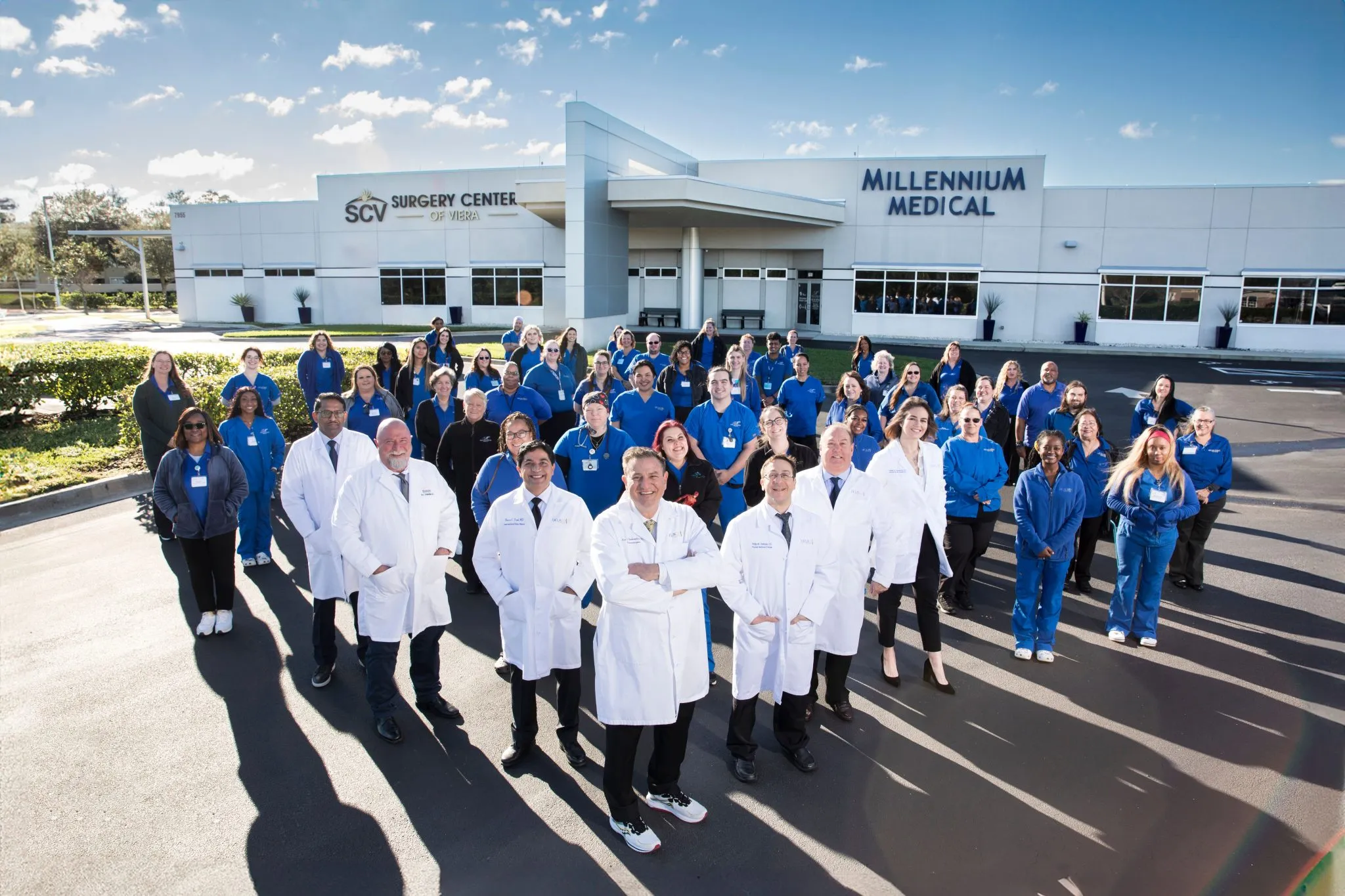
I trained at the University of Florida at Shands, one of the top neurosurgical residency programs, received NIH-funded fellowship training, and hold board certification from the American Board of Neurological Surgery. I’m a Fellow of the American Association of Neurological Surgeons (FAANS) and serve as Assistant Professor of Neurosurgery at UCF College of Medicine. I’ve performed over 2,700 Deuk Laser Disc Repair® procedures since developing and patenting this technique.
Deuk Spine Institute offers free MRI reviews to help you understand your specific condition. The Deuk Spine Exam® achieves 99% diagnostic accuracy in identifying the true source of back and neck pain. Your spine deserves treatment that cures pain without destroying healthy anatomy.
Frequently Asked Questions
Can microdiscectomy cure back pain?
No. Microdiscectomy treats nerve compression causing leg symptoms but does not address back pain. Back pain originates from inflammation within the posterior annular tear – a source microdiscectomy never touches. Based on my clinical experience with over 2,700 Deuk Laser Disc Repair® procedures, approximately 85% of chronic back pain stems from disc injuries, specifically from inflammation in posterior annular tears.
How often does microdiscectomy fail?
Microdiscectomy works approximately 50% of the time. It is a technically difficult surgery and the majority of surgeons do not perform it properly. Of patients who experience initial relief, approximately 50% re-herniate with the same pain or worse. When re-herniation occurs, the typical recommendation is spinal fusion surgery.
How long does recovery take from each procedure?
Microdiscectomy recovery typically requires three to six months. Patients spend one to two days in the hospital and must avoid bending, lifting, or twisting for at least six weeks. The Deuk Laser Disc Repair® allows same-day discharge with patients walking within one hour. Most return to desk work within days.
What is the success rate of laser spine surgery?
In my clinical experience with over 2,700 Deuk Laser Disc Repair® procedures, patients report an average of 99% pain relief for treated pain sources, with a 0.01% complication rate and 0% infection rate. Success depends on accurate diagnosis using the Deuk Spine Exam®, which achieves 99% diagnostic accuracy through detailed evaluation combining physical examination, diagnostic imaging, and patient history.
Does laser spine surgery cause scar tissue?
The Deuk Laser Disc Repair® produces minimal scar tissue. Epidural fibrosis occurs primarily from surgical trauma during open procedures and causes Failed Back Surgery Syndrome in 10% to 40% of traditional surgery patients. The endoscopic laser approach uses a 7mm incision for lumbar procedures and 4mm for cervical procedures, preserving muscles, bones, and ligaments. Without significant tissue trauma, the body’s healing response remains controlled, avoiding the excessive fibrosis that plagues many microdiscectomy patients.
What causes Failed Back Surgery Syndrome?
Failed Back Surgery Syndrome develops primarily from epidural fibrosis – the excessive scar tissue that forms around nerves following open spine surgery. Muscle cutting, bone removal, facet joint destruction, and neural manipulation all trigger fibrosis. In the spinal canal, this scar tissue encases nerve roots, restricts nerve mobility, and creates chronic pain often worse than the original symptoms. The condition affects 10% to 40% of traditional spine surgery patients. The Deuk Laser Disc Repair® eliminates this risk through tissue preservation.
Can I avoid spinal fusion with laser spine surgery?
Yes, in most cases. Spinal fusion becomes necessary primarily when previous surgeries have destabilized the spine through bone removal and facet joint destruction. The Deuk Laser Disc Repair® preserves all structural elements while treating the inflamed posterior annular tear. No bone is removed, no ligaments are cut, and no muscles are damaged, eliminating the cascade of problems that typically leads to a fusion recommendation after failed microdiscectomy.