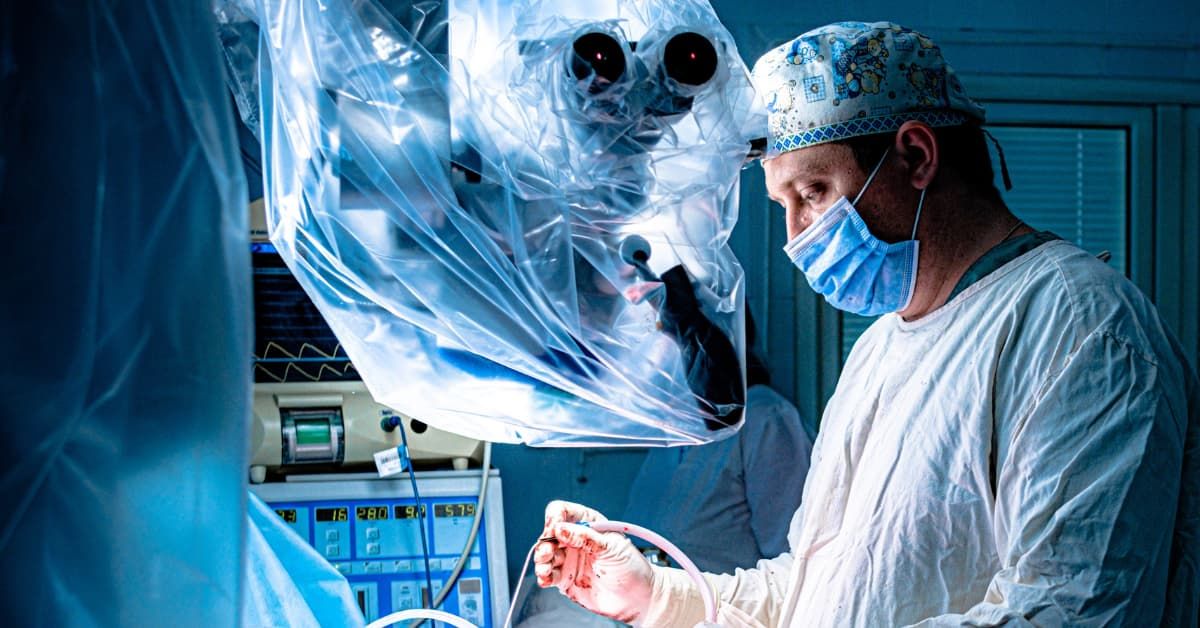
You've researched laser spine surgery for months. You've read testimonials, watched videos, compared facilities. Yet one question keeps you up at night: is this actually safe? After over 30 years performing spine surgery and completing more than 2,700 Deuk Laser Disc Repair® procedures, I can tell you the answer depends entirely on three factors: accurate diagnosis, proper patient selection, and the specific technique being performed.
The laser spine surgery industry has earned skepticism. High-profile facility closures, inflated claims, and patients left worse than they started have created justified concern. The real question isn't whether laser spine surgery is categorically safe. The question is: which procedures work, for which conditions, when performed by whom?
Why Most Laser Spine Surgery Discussions Miss the Point
Safety and success rates mean nothing without context. A 95% success rate treating the wrong condition is worthless. A zero complication rate performing unnecessary procedures helps no one.
Through clinical practice and diagnostic refinement over three decades, I've learned that outcome quality depends on a specific sequence: accurate pain source identification, appropriate procedure selection for that source, and technical execution that addresses the underlying pathology. Miss any of these three elements and even the safest technique produces poor results.
Consider this reality: approximately 99% of chronic pain treatments fail to provide lasting relief. Patients cycle through physical therapy, injections, medications, and various procedures without addressing the actual source of their pain. They fail because treatments target the wrong problem.
The Diagnostic Foundation: What Actually Causes Your Pain
Chronic back pain has multiple structural causes, and each requires different treatment. Based on clinical experience treating over 250,000 patients since 2004, I've identified the distribution of pain sources:
Disc injuries account for a common cause of chronic back pain. The pain originates from inflammation within posterior annular tears, mechanical stress on pain-sensitive structures in the outer annulus and posterior longitudinal ligament, and sometimes herniated nucleus pulposus material contributing to this inflammatory cascade.
Facet joint arthritis represents another common cause. These small weight-bearing joints located behind each disc develop capsular tears that trigger chronic inflammation.
Sacroiliac joint pain and piriformis muscle pain produce distinct symptom patterns that skilled examination can differentiate from disc-related pain.
Vertebral compression fractures represent a small percentage of cases. These have well-established treatments available at most spine centers.
The Deuk Spine Exam® achieves 99% diagnostic accuracy by combining detailed pain history, physical examination, and MRI interpretation. This accuracy matters because treating the wrong structure, even perfectly, leaves patients in pain.
Studies by Jensen et al. published in the New England Journal of Medicine found that 64% of asymptomatic adults show disc bulges, protrusions, or other "abnormalities" on imaging. The skill lies in determining which structural findings actually generate the patient's specific pain pattern.
What Makes Laser Disc Surgery Actually Work
The Deuk Laser Disc Repair® addresses a specific pathology: the posterior annular tear with associated inflammation and herniated material. Outcomes have been published in peer-reviewed medical abstracts showing 99% pain elimination for properly selected patients.
The technique works through a specific mechanism. Using a 4mm or 7mm incision (smaller than a dime), the procedure removes inflammatory tissue from the posterior annular tear, performs debridement of the damaged tissue, and allows the tear to heal naturally over 9-12 months. No bone drilling. No metal implants. No fusion eliminating spinal motion.
This approach differs fundamentally from traditional spine surgery:
- Preservation of spinal stability by avoiding bone removal
- Targeted treatment of inflamed tissue within the annular tear
- Motion preservation maintaining normal spinal mechanics
- Same-day outpatient procedure with patients walking within one hour
The Complication Rate That Actually Matters
Safety discussions require honest data. In over 2,700 Deuk Laser Disc Repair® procedures performed since implementation, the documented complication rate is 0.01%. The infection rate specifically for Deuk procedures is 0%. Over 2,700 Deuk Laser Disc Repair® procedures, 1,000+ Deuk Plasma Rhizotomy® procedures, and thousands of other minimally invasive procedures, with zero documented infections.
This stems from several factors: minimal tissue disruption, short operative time (approximately 20 minutes per disc), outpatient setting with reduced hospital pathogen exposure, and meticulous sterile technique.
Minor side effects do occur. Approximately 1% of patients experience temporary skin numbness at the incision site, resolving within a few months. Less than 1% report a mild sunburn-like sensation that resolves within weeks. These represent the full spectrum of documented side effects across thousands of procedures.
Compare this to traditional spine surgery complication rates reported in medical literature, which include infection rates of 1-4%, hardware failure rates in fusion procedures, and significant rates of adjacent segment disease requiring revision surgery.
When Laser Spine Surgery Fails: The Selection Problem
Even with perfect technique, laser disc repair fails if performed on the wrong patient. Deuk Laser Disc Repair® works for disc-related pain. It doesn't work for facet joint arthritis. It doesn't treat sacroiliac joint problems. It won't fix piriformis syndrome.
The published 99% pain elimination rate applies to properly selected patients with confirmed disc-related pain as their primary pain generator. Poor outcomes result primarily from misdiagnosis or incorrect procedure selection. Applying this procedure to patients with different pain sources produces poor outcomes regardless of surgical skill.
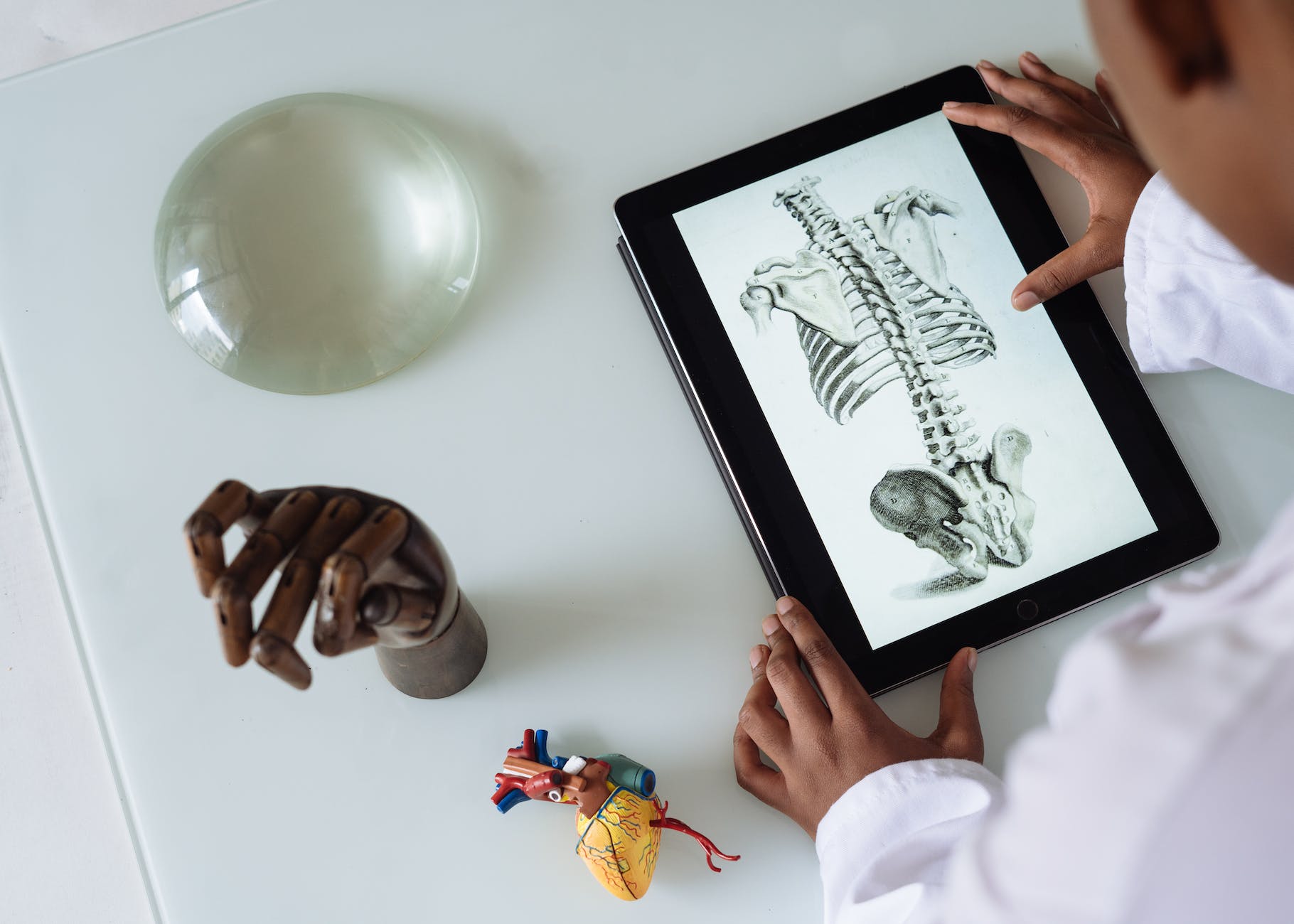
Here's what proper patient selection looks like:
- Pain pattern analysis: Disc pain typically worsens with sitting, forward bending, and prolonged positions.
- Physical examination findings: Specific provocative maneuvers reproduce the patient's typical pain pattern.
- MRI correlation: Imaging shows disc abnormalities at levels corresponding to clinical findings.
- Conservative treatment failure: Patients have attempted appropriate non-surgical management without adequate relief.
When all four elements align and the diagnosed pain source matches the treated pathology, success rates match published data. When any element is missing or contradictory, outcomes suffer.
Beyond Disc Pain: The Complete Treatment Approach
While disc injuries represent a common cause of chronic back pain, other sources require different treatments. Clinical experience demonstrates that comprehensive pain elimination often requires combining Deuk Laser Disc Repair® with Deuk Plasma Rhizotomy®.
Deuk Plasma Rhizotomy® treats facet joint arthritis by permanently destroying pain-mediating nerves inside the joint. The 30-minute outpatient procedure addresses facet-related back pain. It also effectively treats sacroiliac joint arthritis.
For piriformis syndrome, the Deuk Piriformis Release® addresses scar tissue that develops within the muscle from chronic inflammation. A 4mm incision allows release of the constricted muscle, providing relief for this specific condition.
Comprehensive treatment means identifying whether pain comes from one source or multiple sources, then addressing each specifically. A patient with both disc injury and facet arthritis needs both procedures. Treating only one leaves the other pain source unresolved.
Recovery Expectations: What "Success" Actually Means
Published outcomes from peer-reviewed abstracts show 99% pain elimination at 13 months following Deuk Laser Disc Repair®. Let me break down what this timeline actually represents.
Immediate recovery: Patients walk within one hour after the procedure. They go home the same day. Most resume light activities within days. However, complete healing takes time. The annular tear heals naturally over 9-12 months. During this period, pain decreases progressively.
Pain elimination doesn't mean patients never feel anything. It means the specific pain from the treated structure resolves. If a patient has additional pain sources (facet joints, SI joint, muscle issues), those require separate evaluation and treatment.

Post-operative care differs dramatically from traditional surgery. No opioids required. The minimal tissue trauma produces manageable discomfort controlled with over-the-counter medications. Physical restrictions are minimal but important. Patients avoid heavy lifting and high-impact activities during initial healing.
The Nerve Compression Misconception
Many patients confuse different types of pain. Nerve compression produces leg symptoms, not back pain. Radicular pain from nerve irritation feels sharp, shooting, or electric-like. It radiates along specific nerve pathways (dermatomes) down the leg. Importantly, radicular pain is primarily driven by chemical inflammation of the nerve, not just compression.
Axial back pain originates from disc and joint structures. It stays localized to the back. These are two separate problems requiring different evaluation.
Patients often have both. A disc herniation can cause back pain through annular tear inflammation AND leg pain through nerve irritation. Successful treatment addresses both components.
Spinal Stenosis: Another Misunderstood Condition
Stenosis produces leg symptoms, not back pain. Narrowing of the spinal canal causes neurogenic claudication: leg heaviness, cramping, or weakness with walking that improves with rest.

If a patient has both stenosis and back pain, these are separate conditions. The stenosis doesn't cause the back pain. Treating stenosis alone leaves back pain unresolved. Clinical experience shows many stenosis patients also have disc injuries causing their back pain.
Why Traditional Approaches Often Fail
Most spine surgery focuses on decompression or fusion. Both procedures can be appropriate for specific conditions. However, neither directly treats a common pain source: the posterior annular tear with associated inflammation.
Biomechanical studies by Nachemson and colleagues demonstrated that sitting increases intradiscal pressure significantly compared to standing. This pressure on damaged annular tissue perpetuates pain even after decompression or fusion.
Fusion creates additional problems. Adjacent segment disease develops when fused segments transfer increased stress to neighboring levels, accelerating their degeneration. The initial surgery succeeded technically but created new pathology.
Traditional surgery also carries a critical risk that endoscopic procedures avoid: opioid addiction. Traditional spine surgery protocols always include opioid narcotic medications for post-operative pain management. These medications carry high potential for abuse and overdose. Patients recovering from major surgery often require weeks or months of opioid use, creating dependency risk that extends far beyond surgical healing.
Endoscopic disc repair produces minimal tissue trauma, eliminating the need for opioid pain management entirely. This represents a fundamental safety advantage beyond just shorter recovery times.
The Physical Therapy Paradox
Physical therapy helps some patients, not others. Physical therapy can help when structural damage is minimal. However, physical therapy cannot heal significant annular tears. It cannot reverse facet joint arthritis. It cannot release scarred piriformis muscle.
Poor posture and muscle weakness often result from pain, not cause it. Structural issues trigger antalgic postural shifts as the body instinctively moves to avoid pain, leading to secondary muscle inhibition. Strengthening these muscles while the underlying structural problem persists produces minimal benefit.
Inflammation: Acute Versus Chronic
Acute inflammation represents the body's first step in healing minor injuries, typically concluding within two weeks for soft tissue repair. Chronic inflammation results from ongoing structural problems: annular tears, facet arthritis, SI joint damage. The inflammatory process doesn't resolve naturally because the structural trigger persists.
Anti-inflammatory medications, injections, and other conservative measures provide temporary relief by reducing inflammation. But they don't eliminate the structural source. This is why approximately 99% of chronic pain treatments fail. They address inflammation symptomatically rather than structurally.
Surgeon Qualifications That Actually Matter
Board certification matters. Fellowship training matters. But these credentials alone don't guarantee good outcomes. The real qualifications are procedure-specific experience, published outcomes data, and complication tracking.
Neurosurgeons receive more spine training than orthopedic surgeons. During five-year orthopedic residency, approximately 10% of cases involve spine. During neurosurgery residency, roughly 70% of cases involve spine.
What matters most: documented outcomes with specific procedures. The Deuk Laser Disc Repair® has published outcomes in peer-reviewed abstracts showing 99% pain elimination at 13 months. The 0.01% complication rate across over 2,700 procedures isn't an estimate. It's documented clinical experience.
Volume matters for complex procedures. Performing thousands of a specific procedure builds refinement impossible with occasional experience.
Questions to Ask Before Any Spine Surgery
Evaluating laser spine surgery safety requires asking specific questions:
- What is the specific pain source you've identified? The answer should reference anatomical structures with explanation of how that structure generates your pain pattern.
- How does the proposed procedure address this specific pain source? Understanding the mechanism matters more than procedure name.
- What is your documented complication rate with this specific procedure? Accept only hard numbers, not ranges or estimates.
- What are your infection rates specifically? Surgical site infections are tracked and reported.
- How many of these exact procedures have you performed? Thousands demonstrates volume that builds mastery.
- What are realistic success rates for my specific condition? Your diagnosis determines expected outcomes.
- What alternative treatments exist for my condition? Confident surgeons discuss alternatives honestly.
- What happens if this procedure doesn't resolve my pain? Understanding backup plans reveals comprehensive diagnostic understanding.
Evasive answers to any of these questions should concern you. Skilled surgeons with good outcomes answer directly.
The Free MRI Review: Why Diagnosis Must Come First
Over 3,000 free MRI reviews completed through Deuk Spine Institute reveal a consistent pattern: most patients have unclear diagnoses. MRI shows structural abnormalities. It doesn't show which abnormalities generate pain. This requires clinical correlation: matching imaging findings to symptom patterns, physical examination, and pain distribution.
The Deuk Spine Exam® synthesizes this information. The 99% diagnostic accuracy comes from decades of clinical refinement correlating imaging findings with outcomes. This is why diagnosis must precede treatment discussion. Safety and success rates apply to specific conditions treated with specific procedures. Without accurate diagnosis, you're evaluating abstract concepts rather than your actual situation.
Moving Forward: Your Next Steps
If you're researching laser spine surgery safety, you've likely exhausted conservative treatments. Start with diagnosis. Obtain clear identification of your pain source. The Deuk Spine Exam® provides this through combination of imaging review, symptom analysis, and physical findings.
Once diagnosis is clear, match treatment to condition. Disc injury requires Deuk Laser Disc Repair®. Facet arthritis needs Deuk Plasma Rhizotomy®. Multiple pain sources need combined approach.
Evaluate surgeon experience with your specific condition. Board certification establishes baseline competence. Published outcomes demonstrate results. Complication data shows safety record. Volume indicates refinement.
Understand realistic expectations. Pain elimination at 13 months represents complete healing. Initial recovery happens quickly: walking within an hour, home same day, back to activity within weeks. But complete tissue healing takes months.
The question isn't whether laser spine surgery is universally safe. The question is whether the specific procedure addressing your specific condition, performed by a qualified surgeon with documented outcomes, offers better risk-benefit than continuing your current failing treatment approach, or subjecting yourself to traditional surgery with its opioid dependency risks.
Based on over 30 years performing spine surgery, over 2,700 Deuk Laser Disc Repair® procedures with 0.01% complication rate and published 99% pain elimination rate from peer-reviewed abstracts, treating properly diagnosed disc injuries works. Combined with Deuk Plasma Rhizotomy® for joint arthritis, comprehensive pain elimination is achievable for patients with properly matched diagnoses.
That's not a guarantee. It's documented clinical experience. Your outcome depends on accurate diagnosis, appropriate procedure selection, and technical execution. But when all three align, the published data shows what's possible.
Start with diagnosis. Everything else follows from understanding what actually hurts.