
By Dr. Ara Deukmedjian, MD
Board-Certified Neurosurgeon, Deuk Spine Institute
Medically reviewed and updated on January 14, 2026
Medical disclaimer: This content is for educational purposes only and does not constitute medical advice. Individual results may vary. Always consult with your healthcare provider about your specific condition and treatment options.
Chronic spinal pain affecting multiple areas of your back and neck can be more than just an inconvenience—it can fundamentally alter how you live your life. For millions of Americans dealing with multilevel degenerative disc disease, everyday activities like sitting at work, playing with grandchildren, or even getting a good night's sleep become overwhelming challenges. Unlike isolated disc problems that affect just one area, multilevel degenerative disc disease involves deterioration at multiple spinal levels, compounding symptoms, and making treatment decisions more complex.
This comprehensive guide will walk you through everything you need to know about multilevel degenerative disc disease. We'll explore what sets this condition apart from single-level disc problems, identify the causes and symptoms you should watch for, and examine both traditional and cutting-edge treatment options. Most importantly, we'll help you understand why choosing the right treatment approach from the start can mean the difference between temporary relief and lasting freedom from pain.
Understanding Multilevel Degenerative Disc Disease: An Overview
Multilevel degenerative disc disease refers to the progressive breakdown of intervertebral discs at multiple levels throughout your spine. Think of your spinal discs as shock absorbers positioned between each vertebra. When they're healthy, these cushions allow your spine to bend, twist, and support your body weight comfortably. However, when multiple discs begin to deteriorate simultaneously or sequentially, the cumulative effect creates a more complex clinical picture than single-level disc disease.
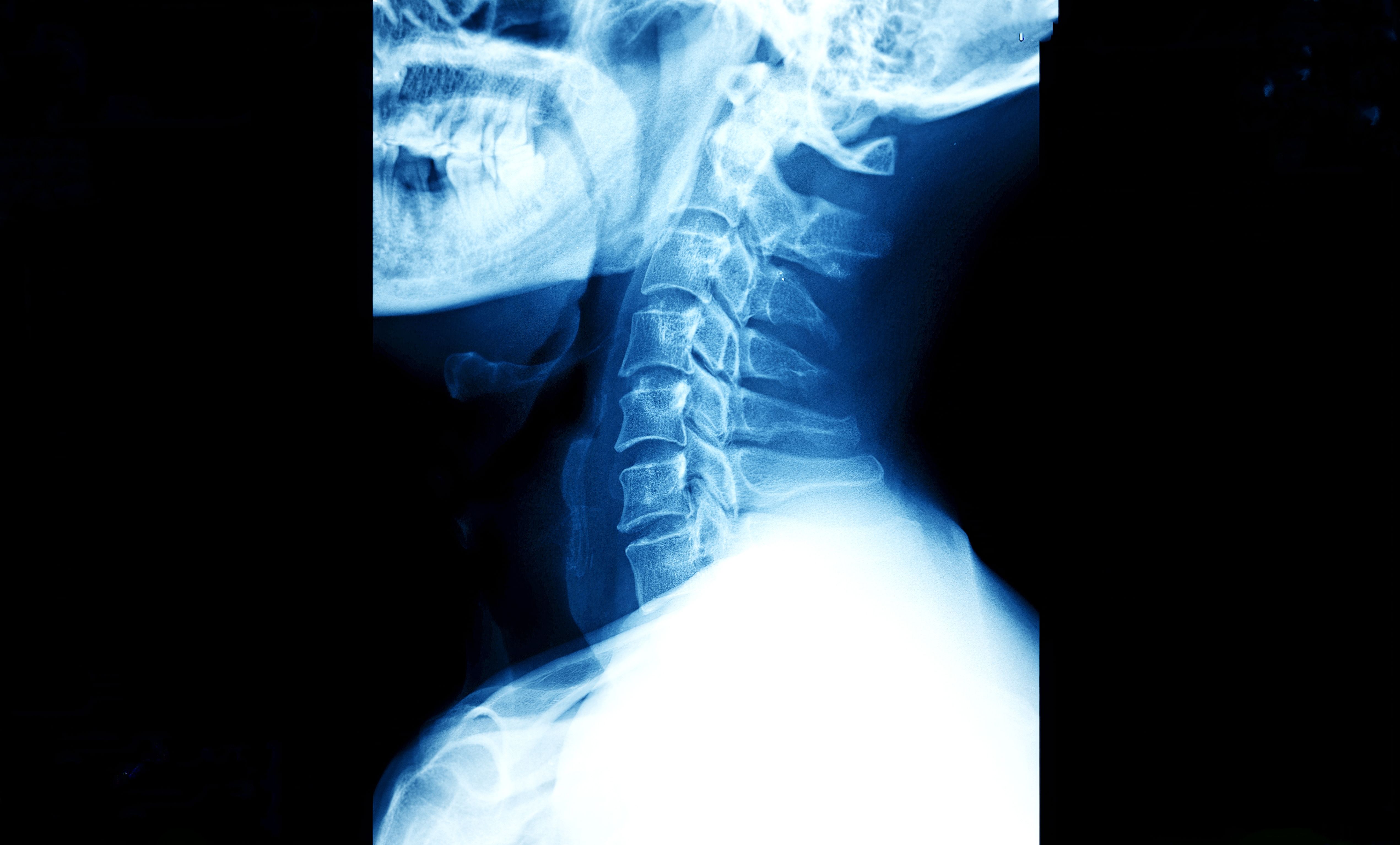
The spine consists of three main regions: The cervical spine (neck) with seven vertebrae, the thoracic spine (mid-back) with twelve vertebrae, and the lumbar spine (lower back) with five vertebrae.1 Multilevel degenerative disc disease can affect any combination of these regions, though the cervical and lumbar areas are most involved due to their greater mobility and weight-bearing demands.
What makes multilevel disease particularly challenging is the cascade effect it creates. When one disc deteriorates, it often places increased stress on adjacent discs and joints, accelerating degeneration at those levels. This domino effect means that patients with multilevel disease often experience more widespread symptoms and face more complex treatment decisions than those with isolated disc problems.
Understanding your specific pattern of disc degeneration is crucial because it directly influences which treatment approaches will be most effective. For instance, you might have herniated discs in your lower back, causing leg pain combined with degenerative changes in your neck, producing arm symptoms.2,3 This multilevel involvement requires a comprehensive evaluation and a treatment strategy that addresses all affected areas.
Conditions That Require Treatment for Multilevel Degenerative Disc Disease
Several specific spinal conditions fall under the umbrella of multilevel degenerative disc disease, each with distinct characteristics and treatment considerations.
Herniated Discs at Multiple Levels
A herniated disc occurs when the soft, gel-like nucleus inside a disc pushes through a tear in the tough outer layer called the annulus fibrosus. When this happens at multiple spinal levels, patients typically experience pain in multiple regions; for example, a herniated cervical disc causing neck and arm pain combined with a herniated lumbar disc triggering lower back and leg symptoms.
The key point many people miss about herniated discs is that the primary source of pain comes from inflammation within the annular tear itself, not just from nerve compression. This inflammatory response triggers pain signals, muscle spasms, and localized tenderness. When multiple discs are inflamed simultaneously, the pain can become overwhelming and resistant to standard treatments.

Bulging Discs Across Multiple Segments
Bulging discs represent an earlier stage of disc degeneration, in which the outer layer weakens and bulges outward but hasn't yet ruptured. With multilevel bulging discs, you're essentially dealing with multiple weak points throughout your spine. While each individual's bulge might cause minimal symptoms, the cumulative effect can lead to widespread stiffness, chronic aching, and progressive functional limitations.
Multilevel Spinal Stenosis
Spinal stenosis involves narrowing of the spinal canal or the openings where nerve roots exit the spine. When disc degeneration occurs at multiple levels, it often contributes to stenosis through a combination of disc bulging, bone spur formation, and ligament thickening. Multilevel stenosis is particularly concerning because it can affect multiple nerve roots simultaneously, leading to complex patterns of pain, numbness, weakness, and balance problems.
Degenerative Cascade Involving Multiple Discs
The term "degenerative cascade" describes how disc degeneration at one level places increased stress on adjacent levels, accelerating their breakdown. This process explains why many patients who initially have a problem at one level eventually develop multilevel disease. Once the cascade begins, it can progress over months to years, gradually involving more spinal segments and producing increasingly complex symptom patterns.
Combined Disc and Facet Joint Degeneration
Facet joints are small joints located at the back of each vertebra that work in concert with the discs to allow spinal movement. When discs deteriorate at multiple levels, the facet joints at those same levels often become arthritic. This combination of disc disease and facet arthritis creates what we call "three-column" pain. Disc-related pain from the front, facet pain from the back, and often nerve-related pain radiating into the arms or legs.
Understanding which structures are causing your pain at each affected level is critical because different pain generators require different treatment approaches. This is where advanced diagnostic techniques become invaluable.
Signs and Symptoms You Should Not Ignore
Multilevel degenerative disc disease manifests through a constellation of symptoms that can vary dramatically based on which spinal levels are affected and the severity of degeneration. Recognizing these warning signs early can help you seek appropriate treatment before the condition progresses.
Widespread or Alternating Pain Patterns
Unlike single-level disc disease that typically causes pain in one region, multilevel disease often produces pain in multiple areas. You might experience neck pain radiating into your shoulders and arms, along with lower back pain extending into your buttocks and legs. Some patients describe their pain as "migrating.” One day their neck hurts more, the next day their lower back is worse.
Morning Stiffness Affecting Multiple Regions
Many patients with multilevel disease report significant morning stiffness that affects more than one area of their spine. It might take 30 minutes to an hour of movement before your spine "loosens up" enough to function normally. This prolonged stiffness results from inflammation at multiple disc levels that worsens during periods of inactivity.
Radiating Symptoms Into Both Arms and Legs
When disc degeneration affects both cervical and lumbar regions, you may experience neurological symptoms in all four extremities. Cervical disc problems can cause numbness, tingling, or weakness in your hands and arms, while lumbar disc issues produce similar symptoms in your legs and feet. Pain in all four of these regions is the hallmark of multilevel disease.
Progressive Loss of Range of Motion
As multiple discs deteriorate, your spine's overall flexibility decreases. You might notice difficulty turning your head to check blind spots while driving, trouble bending forward to tie your shoes, or an inability to twist your torso comfortably. This progressive stiffness occurs because each degenerated disc contributes less to overall spinal mobility.
Chronic Fatigue and Sleep Disturbance
Dealing with pain at multiple spinal levels takes a significant toll on your energy levels and sleep quality. Many patients report difficulty finding comfortable sleeping positions because pain in one area improves while pain in another worsens. This chronic pain and poor sleep create a cycle of exhaustion that affects every aspect of daily life.
Symptoms That Worsen With Specific Activities
Pay attention to which activities make your symptoms worse. Prolonged sitting often aggravates lumbar disc problems, while extended computer work or looking down at your phone typically worsens cervical disc issues. If you notice that common daily activities consistently trigger pain in multiple spinal regions, multilevel disease is likely.
Warning Signs That Require Immediate Attention
Certain symptoms suggest more serious involvement and warrant urgent evaluation. These include progressive weakness in your arms or legs, loss of bowel or bladder control, difficulty maintaining balance while walking, or pain that worsens despite appropriate treatment. These symptoms may indicate significant spinal cord or nerve root compression requiring prompt intervention.
Conservative Treatment Options: The First Line of Defense
Before considering surgical intervention, most physicians recommend a trial of conservative treatments for multilevel degenerative disc disease. Understanding these options and their limitations helps you make informed decisions about your care.
Physical Therapy and Exercise
Physical therapy aims to strengthen the muscles supporting your spine, improve flexibility, and teach proper body mechanics. For multilevel disease, physical therapy becomes more complex because exercises must address multiple affected regions without overloading any one area.
A skilled physical therapist will design a program that includes core-strengthening exercises to stabilize your lumbar spine, neck-specific exercises to support your cervical spine, and gentle stretching to maintain mobility. However, physical therapy has important limitations: while it can strengthen muscles and improve function, it cannot repair damaged discs or reverse structural degeneration. For many patients with multilevel disease, physical therapy provides modest symptom relief but doesn't address the underlying problem.
Pain Medications
Medication management typically follows a stepwise approach, starting with over-the-counter options and progressing to stronger prescriptions if needed.
Non-steroidal anti-inflammatory drugs (NSAIDs) like ibuprofen or naproxen can reduce inflammation and provide temporary pain relief. However, long-term NSAID use carries significant risks, including gastrointestinal bleeding, kidney damage, and cardiovascular problems. These risks multiply when medications are used for months or years, as is often necessary with chronic multilevel disease.
Muscle relaxants may help with spasms and stiffness, but they cause drowsiness and don't address the root cause of pain. Neuropathic pain medications like gabapentin or pregabalin target nerve-related symptoms but come with side effects, including dizziness, weight gain, and cognitive dulling.
The most concerning aspect of medication management is the potential progression to opioid pain medications. While opioids can provide significant short-term pain relief, they are highly addictive and have fueled a national crisis of dependency and overdose deaths. Moreover, opioids do nothing to heal damaged discs; they simply mask symptoms while the underlying degeneration continues.
Epidural Steroid Injections
Epidural steroid injections deliver anti-inflammatory medication directly into the space around your spinal cord and nerve roots. For multilevel disease, multiple injections may be needed to address all affected levels, increasing both cost and risk.
While some patients experience temporary pain relief lasting weeks to months, injections do not repair disc damage or stop the progression of degeneration. Research shows that repeated steroid injections may actually weaken disc tissue over time, potentially accelerating the very problem they're meant to treat. Additionally, complications from epidural injections, though rare, can include infection, bleeding, nerve damage, and spinal headaches.
Lifestyle Modifications
Simple changes to daily habits can significantly impact symptoms:
- Improving ergonomics at work with proper chair height, monitor positioning, and keyboard placement
- Taking regular breaks from prolonged sitting or computer work
- Maintaining a healthy weight to reduce spinal loading
- Avoiding activities that consistently aggravate symptoms
- Using proper lifting mechanics and avoiding heavy overhead work
While lifestyle modifications are important, they represent symptom management rather than curative treatment. They can slow progression and reduce pain flares, but they cannot reverse multilevel disc degeneration.
Why Conservative Treatments Often Fall Short
The fundamental limitation of all conservative treatments is that they address symptoms without repairing the damaged discs that cause them. This means that while you might experience some improvement, the underlying structural problems continue to worsen. Eventually, many patients reach a point where conservative measures no longer provide acceptable relief, and surgical intervention becomes necessary.
The key is recognizing when conservative treatment has been given a fair trial—typically 2 to 3 months of appropriate therapy—and when it's time to consider definitive treatment options.
Traditional Surgical Methods for Multilevel Degenerative Disc Disease
When conservative treatments fail to provide adequate relief, surgical intervention becomes necessary. Understanding traditional surgical options and their significant limitations is crucial for making informed decisions about your care.3
Spinal Fusion Surgery
Spinal fusion has been the traditional surgical standard for multilevel degenerative disc disease for decades. This procedure involves removing the damaged disc entirely and permanently locking two or more vertebrae together using bone grafts, metal plates, screws, and rods.
How It Works: The surgeon removes the degenerated disc and inserts a bone graft or synthetic spacer between the vertebrae. Metal hardware is then attached to hold everything in place while the bones gradually fuse together over three to six months.
The Critical Problem with Fusion: While fusion can reduce pain from the operated disc, it creates a fundamental biomechanical problem. By eliminating motion at the fused segment, increased stress is transferred to adjacent disc levels. This leads to what's called adjacent segment disease—accelerated degeneration of the discs above and below the fusion. Research shows that 20-30% of fusion patients develop adjacent segment disease requiring additional surgery within ten years.
For patients with multilevel disease, this problem multiplies. Fusing three, four, or more levels severely restricts spinal mobility and dramatically increases the risk of adjacent segment breakdown. Many patients who undergo multilevel fusion find themselves needing revision surgeries years later as the domino effect of degeneration continues.
Recovery and Risks: Multilevel fusion surgery typically requires 3-5 days of hospitalization, months of recovery, and carries risks including infection (2-5%), pseudarthrosis (failure of the bones to fuse), hardware complications, blood loss requiring transfusion, and significant postoperative pain necessitating opioid medications for weeks.
Cost: $80,000-$150,000 for multilevel procedures
Artificial Disc Replacement
Artificial disc replacement aims to address the motion-preservation problem of fusion by implanting mechanical devices that maintain motion at the affected levels.
How It Works: The surgeon removes the damaged disc through an anterior (front) approach and inserts a metal and plastic artificial disc designed to mimic normal disc function and preserve motion.
Limitations for Multilevel Disease: While FDA approved for one- and two-level cervical and lumbar disc replacement, multilevel artificial disc placement remains controversial. Research published in 2024 shows promising results for three-level cervical disc arthroplasty, but long-term data beyond seven years remains limited.4
The challenges multiply with each level treated. Device malposition, subsidence (sinking into the vertebral bone), heterotopic ossification (abnormal bone growth limiting motion), and device wear all become more likely as the number of replaced levels increases. Additionally, artificial discs cannot be used in patients with osteoporosis, infection, or significant spinal deformity, conditions that commonly accompany multilevel degenerative disc disease.
Recovery and Risks: Hospital stay of 2-3 days, recovery time of 6-8 weeks, with risks including major vascular injury during the anterior approach (potentially life-threatening), device failure requiring revision surgery, and the ever-present possibility that you'll eventually need conversion to fusion anyway. Research from 2025 indicates that while newer devices like the activL Artificial Disc show improved outcomes, they still carry significant complication risks and cannot match the safety profile of truly minimally invasive approaches.
Cost: $30,000-$50,000 per level
Laminectomy and Decompression Procedures
Laminectomy involves removing portions of the vertebral bone to create more space for compressed nerves—essentially treating the consequences of disc degeneration rather than the degeneration itself.
How It Works: The surgeon removes the lamina (back part of the vertebra) and any bone spurs or tissue compressing the spinal cord or nerves. For multilevel disease, this often means operating at three, four, or more levels.
Why It Often Fails: Laminectomy addresses compression but doesn't repair the damaged discs that cause it. Moreover, removing bone can lead to spinal instability, often necessitating fusion as a secondary procedure. Studies show that patients undergoing multilevel laminectomy have significantly higher rates of postoperative complications, including continued pain, instability, and progression of degeneration.
Recovery and Risks: Hospital stay of 3-5 days, recovery time of 3-6 months, with risks including significant blood loss (often requiring transfusion), infection, spinal fluid leaks, postoperative instability requiring fusion, and development of scar tissue that can cause recurrent symptoms. The recovery is particularly difficult, with patients typically requiring narcotic pain medications for 4-8 weeks post-surgery.
Cost: $60,000-$120,000 for multilevel procedures
Hybrid Constructs: Combining Fusion and Artificial Disc
A relatively recent approach involves alternating fusion and artificial disc replacement at different levels to preserve some motion while stabilizing severely degenerated segments. Research from 2024 shows that hybrid constructs are being studied in clinical trials, but long-term FDA-approved data remains limited.
The fundamental problem remains: These procedures still involve significant tissue destruction, hardware implantation, and the risk of adjacent segment disease. They represent incremental improvements on flawed approaches rather than truly revolutionary solutions.

Recent Advances in Surgical Techniques
Research published in 2025 has demonstrated important advances in minimally invasive approaches to disc disease. Endoscopic spine surgery techniques have shown significant benefits over traditional open procedures, including reduced muscular damage, less blood loss, faster recovery, and lower complication rates.5
A comprehensive systematic review from March 2025 found that full-endoscopic spine surgery is safe and effective for both radiculopathy and myelopathy, with substantial pain relief and high patient satisfaction. Perhaps most significantly, endoscopic patients have dramatically lower 30-day readmission rates than traditional open-surgery patients.
Emerging research in regenerative medicine shows promise for the future. Tissue engineering approaches using stem cells, bioactive scaffolds, and growth factors are being investigated as potential treatments for disc degeneration. While these techniques remain largely experimental as of 2025, they represent the next frontier in the treatment of disc disease.
Deuk Laser Disc Repair®: Revolutionary Treatment for Multilevel Disease
Among all surgical advances for multilevel degenerative disc disease, Deuk Laser Disc Repair® represents the most significant breakthrough, a truly minimally invasive procedure that repairs damaged discs without fusion, hardware, or the cascade of complications associated with traditional surgery.8
What Makes Deuk Laser Disc Repair® Different
Deuk Laser Disc Repair® operates on a fundamentally different principle than traditional spine surgery. Rather than removing entire discs, destroying normal anatomy, or implanting hardware, this procedure targets and removes only the specific inflamed tissue causing your pain while preserving the healthy portions of your discs.
The Science Behind the Procedure
As Dr. Ara Deukmedjian explains, "MRI scans don't tell you where pain comes from; patients do." This principle guides the Deuk approach. Using a proprietary physical examination technique with 99% diagnostic accuracy, we identify exactly which discs are generating pain at each affected level. This precision diagnosis ensures that surgery addresses the actual pain generators rather than simply treating what looks worse on imaging.
The procedure itself uses a specialized laser with half-millimeter precision—the most accurate surgical instrument currently available. Through a tiny 4-7mm incision, the surgeon inserts an endoscope providing high-definition visualization of each symptomatic disc. The laser then performs precise annular debridement, removing the inflamed nucleus pulposus tissue from the annular tear.
This technique eliminates the inflammatory tissue causing pain while leaving 90-95% of the disc intact and functional. Because the healthy disc structure remains, there's no need for fusion, hardware, bone grafts, or artificial disc replacement.
Advantages for Multilevel Disease
For patients with multilevel degenerative disc disease, Deuk Laser Disc Repair® offers unprecedented advantages:
Multiple Levels Treated Safely: Unlike fusion or artificial disc replacement, where operating on multiple levels dramatically increases risks, Deuk Laser Disc Repair® can safely address three, four, five, or more levels in a single procedure. The minimally invasive nature means each additional level adds minimal risk or recovery time.
Motion Preservation: Because the procedure repairs discs rather than removing them, normal spinal motion is completely preserved. There's no adjacent segment disease, no loss of flexibility, and no long-term biomechanical problems.
Same-Day Outpatient Surgery: Patients walk out within an hour after surgery and go home the same day. There's no hospital stay, no prolonged recovery, and no need for narcotic pain medications.
Immediate Pain Relief: Most patients experience significant pain relief upon waking from sedation. The removal of inflammatory tissue provides immediate relief rather than requiring months of healing, like fusion procedures.
No Complications: With over 2,000 procedures performed, Deuk Laser Disc Repair® maintains a zero percent complication rate. There have been no infections, no bleeding requiring transfusion, no nerve injuries, and no hardware failures—because there's no hardware to fail.
Rapid Return to Life: Most patients return to work within one week and resume all normal activities within 2-3 weeks. This stands in stark contrast to the 3-6 month recovery required by traditional multilevel surgery.
Recovery Timeline and Expectations
Day of Surgery: Procedure performed under twilight sedation, walk out within one hour, drive yourself home or have someone drive you
Days 1-3: Minimal discomfort covered by over-the-counter medications, shower with a waterproof bandage, and avoid heavy lifting
Week 1: Most patients return to desk work, continue light activities, and tiny incision healing rapidly
Weeks 2-3: Progressively increase activity levels, most patients back to all normal activities, including exercise
Month 1 and Beyond: Full healing complete, no restrictions, return to all desired activities pain-free
Clinical Outcomes
Deuk Laser Disc Repair® has been published in peer-reviewed medical literature documenting its safety and effectiveness. The procedure achieves a 99% success rate in permanently eliminating disc-related pain across all treated levels.
Real Patient Success: Two-Level DLDR® Eliminates 10 Years of Pain
The outcomes we've described aren't theoretical; they're what our patients experience every day. Consider this recent case from Myrtle Beach that perfectly illustrates the power of treating multilevel disc disease with Deuk Laser Disc Repair®.
After suffering for more than a decade with debilitating lower back and buttock pain, this patient had exhausted every conservative treatment option. She tried chiropractic care, physical therapy, acupuncture, pain patches, and consulted with orthopedic surgeons who recommended fusion surgery. Having previously undergone cervical fusion in 1997, she knew firsthand the limitations and complications of that approach and refused to go through it again.
When she arrived at Deuk Spine Institute, Dr. Deukmedjian's precise diagnostic exam identified two painful lumbar discs as the primary pain generators, along with piriformis muscle involvement, causing her buttock pain. In a single one-hour outpatient procedure, both discs were repaired using Deuk Laser Disc Repair®, and her piriformis muscle was released through a minimally invasive 4mm incision.
The results were immediate and dramatic. Just 12 hours after surgery, she reported, "I can walk with no pain—that hasn't been me for at least 10 years." When asked about her previous pain, she described it as "debilitating, depressing, very sad. I have grandchildren, I wanted to go places, I'm retired, I could hardly walk down the block."
Within 24 hours of her procedure, she drove eight hours back home to Myrtle Beach; something unthinkable after traditional multilevel fusion or disc replacement surgery. She experienced no complications, required no narcotic pain medications, and looked forward to resuming all the activities with her grandchildren that her pain had stolen from her for a decade.
This case demonstrates several critical advantages of Deuk Laser Disc Repair® for multilevel disease. First, two symptomatic discs were safely treated in a single outpatient procedure without the risks that multiply with traditional multilevel surgery. Second, pain relief was immediate rather than requiring months of healing. Third, the patient avoided fusion hardware, preserved her spinal motion, and eliminated any risk of adjacent segment disease. Finally, her recovery was measured in hours, not months.
Watch her complete testimonial and see her two-level DLDR® procedure.
Who Is an Ideal Candidate?
Deuk Laser Disc Repair® effectively treats multilevel Degenerative Discs 8
- Herniated discs at two or more levels
- Bulging discs affecting multiple segments
- Degenerative disc disease involving the cervical, thoracic, and/or lumbar spine 6
- Combined disc herniation and spinal stenosis
- Annular tears with associated inflammation
- Failed conservative treatment for multilevel disease
- Patients seeking to avoid fusion or artificial disc replacement
The key criterion is discogenic pain—pain originating from the discs rather than from other structures. The Deuk Spine Exam®, which can be performed remotely via video call, determines with 99% accuracy whether your pain originates from your discs and whether you're a candidate for the procedure.
Recommended for multi-level fusion? Get a second opinion.
Upload your latest MRI for a free consultation and MRI review with Dr. Ara Deukmedjian today.
Deuk Plasma Rhizotomy®: Advanced Solution for Facet Joint Pain
While Deuk Laser Disc Repair® addresses disc-related pain, many patients with multilevel degenerative disc disease also suffer from facet joint arthritis at the same affected levels. For these patients, Deuk Plasma Rhizotomy® offers a revolutionary solution.
Understanding Facet Joint Pain in Multilevel Disease
The facet joints are small joints located at the back of each vertebra that work with the discs to allow spinal movement. When discs degenerate at multiple levels, the facet joints at those same levels often become arthritic. This creates a "double hit" of pain—discogenic pain from the front of the spine and facet pain from the back.
Many patients undergo disc surgery only to continue experiencing pain because their facet joints were never addressed. This is why a comprehensive diagnosis of all pain generators at each affected level is so critical.
What Is Deuk Plasma Rhizotomy®?
Deuk Plasma Rhizotomy® is a patented, minimally invasive procedure that uses plasma energy to permanently eliminate pain from arthritic facet joints while preserving the joint's natural movement.9
How It Differs from Traditional RFA
Standard radiofrequency ablation (RFA) aims to heat nerves, temporarily disabling them. This approach has significant limitations:
- Nerves regenerate, causing pain to return within months to a few years
- Heat damages the surrounding tissues
- Multiple treatments are often needed
- Success rates are only around 50%
Deuk Plasma Rhizotomy® overcomes these limitations by using plasma energy—not heat—to physically transect (cut) the sensory nerves at multiple precise locations around each affected facet joint. This prevents the nerves from reattaching and transmitting pain signals, providing permanent relief.
The Procedure
Deuk Plasma Rhizotomy® is performed as a simple 10-15 minute outpatient procedure per level:
- Twilight sedation administered by an anesthesiologist
- A tiny 4mm incision is made near each painful facet joint
- Using advanced image guidance, the surgeon navigates the proprietary Deuk Plasma Wand® to pre-selected locations around each facet joint
- Plasma energy is applied to permanently destroy sensory nerves at multiple sites per joint
- Recovery approximately 30 minutes before discharge home
Advantages for Multilevel Facet Disease
For patients with arthritis at multiple facet levels, Deuk Plasma Rhizotomy® offers remarkable benefits:
Multiple Levels Treated: Three, four, five, or more facet levels can be safely treated in a single 30-60 minute procedure
Permanent Results: Unlike RFA, which can cause pain to return, Deuk Plasma Rhizotomy® provides permanent relief. On average, 99% of facet pain is permanently eliminated
Motion Preservation: The facet joints themselves remain intact and continue to move normally; only the pain signals are eliminated
Same-Day Recovery: Patients go home within an hour and resume normal activities the next day
No Narcotics Needed: The procedure's precision means no opioid medications are necessary
Zero Complications: Over 500 procedures with zero surgical complications
Combining Both Procedures
Many patients with multilevel degenerative disc disease benefit from both Deuk Laser Disc Repair® and Deuk Plasma Rhizotomy® performed during the same surgical session.7 This comprehensive approach addresses both discogenic pain and facet joint pain at all affected levels, ensuring complete and permanent pain relief.
This combined approach represents the most advanced treatment available for multilevel degenerative disc disease, offering permanent relief without fusion, hardware, or the complications and limitations of traditional surgery.
When to Consider a Second Opnion
If you've been told you need multilevel spinal fusion, if conservative treatments haven't provided relief after two months, or if you're experiencing pain at multiple spinal levels, it may be time for a second opinion. Request your free virtual consultation and MRI review with Dr. Ara Deukmedjian today. We can diagnose your pain generators with 99% accuracy and determine if you're a candidate for Deuk Laser Disc Repair® or Deuk Plasma Rhizotomy®.
Frequently Asked Questions (FAQs)
Q: How is multilevel degenerative disc disease different from single-level disc disease?
A: Multilevel degenerative disc disease involves deterioration at two or more spinal levels, which creates more complex symptom patterns and typically causes more widespread pain than single-level disease. The key differences include pain affecting multiple body regions (such as both neck and lower back, or radiating into both arms and legs), increased functional limitations, a higher risk of progressive degeneration through the adjacent segment cascade effect, and more complex treatment decisions. Traditional surgeries like fusion become significantly more problematic when multiple levels need treatment because each additional fused segment further restricts mobility and increases adjacent segment disease risk. Fortunately, advanced procedures like Deuk Laser Disc Repair® can safely address multiple levels simultaneously without these limitations.
Q: Can multilevel degenerative disc disease be reversed or only managed?
A: Traditional treatments, physical therapy, medications, or injections, cannot reverse disc degeneration; they only manage symptoms temporarily. Once a disc has degenerated, conservative approaches cannot restore it to its original healthy state. However, surgical intervention can permanently eliminate the pain caused by multilevel disc degeneration. Deuk Laser Disc Repair® removes the inflamed tissue causing pain while preserving the functional portions of the disc, allowing the annular tear to heal naturally. This effectively "repairs" the disc by eliminating the pain generator without removing the entire disc structure. While this doesn't restore discs to their youthful condition, it does eliminate pain permanently and stops the inflammatory cascade that drives progressive degeneration. The result is permanent pain relief, preserved spinal motion, and no risk of adjacent segment disease.
Q: Why do so many doctors recommend fusion for multilevel disease?
A: Many surgeons recommend multilevel fusion because it's the procedure they were trained to perform and have the most experience with. Traditional surgical training focuses heavily on fusion techniques, and many surgeons aren't trained in advanced endoscopic procedures like Deuk Laser Disc Repair®. Additionally, fusion has decades of published outcomes data, which makes it feel "safer" from a medical-legal perspective, even though newer minimally invasive approaches have proven superior outcomes with fewer complications. The reality is that fusion for multilevel disease creates significant long-term problems: Loss of mobility, adjacent segment disease, hardware complications, but these issues often don't appear until years after surgery. By contrast, advanced endoscopic procedures require specialized training and equipment that not all surgeons have access to. If your surgeon immediately recommends multilevel fusion without discussing minimally invasive alternatives, it's worth seeking a second opinion from a specialist who offers a full range of treatment options.
Q: How long does it take to recover from Deuk Laser Disc Repair® for multilevel disease?
A: Recovery from Deuk Laser Disc Repair® is remarkably fast, even when multiple levels are treated. You'll walk out of the surgery center within an hour and go home the same day—no hospital stay required. Most patients experience immediate pain relief upon waking from sedation. During the first week, you can manage any minimal discomfort with over-the-counter medications (no narcotics needed), and most patients return to desk work within 5-7 days. By weeks 2-3, you can progressively increase activity levels, and full healing is typically complete within one month with no long-term restrictions. This stands in stark contrast to traditional multilevel surgery (fusion, artificial disc, or laminectomy), which requires 3-5 days of hospitalization, 3-6 months of recovery, weeks of narcotic pain medication, and often leaves patients with permanent mobility restrictions. The key difference is that Deuk Laser Disc Repair® is minimally invasive; it repairs discs through a 4-6mm incision without cutting muscle, removing bone, or implanting hardware.
Multilevel Degenerative Disc Disease: Key Takeaways
What is it? Multilevel degenerative disc disease involves breakdown of discs at two or more spinal levels, causing widespread pain, stiffness, and neurological symptoms that conservative treatments often cannot adequately manage.
Why traditional surgery fails: Multilevel fusion permanently eliminates motion, causes adjacent segment disease, requires months of recovery, and often leads to revision surgeries. Artificial disc replacement at multiple levels remains experimental with high complication rates.
The modern solution: Deuk Laser Disc Repair® repairs damaged discs through a 4-6mm incision with laser precision, treating multiple levels safely in a single outpatient procedure. Patients walk out pain-free the same day with no hardware, no fusion, and complete motion preservation. Combined with Deuk Plasma Rhizotomy® for facet joint arthritis, this approach permanently eliminates all pain generators without the complications of traditional surgery.
Bottom line: If you're dealing with pain at multiple spinal levels and have been told you need multilevel fusion, get a second opinion. Advanced minimally invasive procedures can provide permanent relief without destroying your spine's natural function. Upload your MRI.
Sources
1: https://deukspine.com/blog/thoracic-herniated-disc
2: https://deukspine.com/blog/herniated-disc-comprehensive-guide
3: https://deukspine.com/blog/degenerative-disc-disease
4: https://pmc.ncbi.nlm.nih.gov/articles/PMC8405360/
5:https://cdn.amegroups.cn/journals/vats/files/journals/27/articles/10868/public/10868-PB1-4164-R1.pdf
6: https://www.frontiersin.org/journals/bioengineering-and-biotechnology/articles/10.3389/fbioe.2024.1417600/full
7: https://pmc.ncbi.nlm.nih.gov/articles/PMC12344652/
8: https://deukspine.com/treatment-options/deuk-laser-disc-repair
9: https://deukspine.com/treatment-options/deuk-plasma-rhizotomy