

By Dr. Ara Deukmedjian, MD
Board-Certified Neurosurgeon, Deuk Spine Institute
Medically reviewed on March 3, 2026
Medical Disclaimer: This content is for educational purposes only and does not constitute medical advice. Individual results may vary. Always consult with your healthcare provider about your specific condition and treatment options.
Key Points
- Peripheral neuropathy affects an estimated 14.6% of the general population, rising to nearly 19% in adults aged 61-65, yet over 82% of cases go undiagnosed 1
- Symptoms typically begin gradually in the longest nerves, starting with tingling or numbness in the toes and fingers, and can progress to sharp, electric-like pain and loss of coordination
- Diabetes is the single most common cause of peripheral neuropathy, but alcohol use, vitamin deficiencies, physical compression, toxic exposures, and infections are also well-documented risk factors
- Diagnosis involves nerve conduction studies, EMG testing, and blood work to identify the underlying cause
- Lifestyle changes such as controlling blood sugar, avoiding alcohol and tobacco, eating a balanced diet, and protecting your extremities can meaningfully slow the progression of neuropathy
- For cases linked to spinal nerve compression, Deuk Spine Institute offers Deuk Laser Disc Repair®, a minimally invasive outpatient surgery that treats the root cause without hardware, incisions, or overnight stays
- A 2025 review published in PMC found that neuropathic pain affects approximately 6.9-10% of the general population and significantly reduces quality of life 2
I Cannot Feel My Fingers or Toes: Understanding Peripheral Neuropathy
One day you notice your socks feel strange. The next, you realize you can barely feel the ground under your feet. These changes tend to come on so slowly that many people do not recognize them as a medical problem until the symptoms have already progressed. If this sounds familiar, you may be experiencing peripheral neuropathy.
Peripheral neuropathy refers to damage or dysfunction of the peripheral nerves, the vast network of nerves that connects your brain and spinal cord to the rest of your body. When these nerves are damaged, they cannot reliably transmit signals related to sensation, movement, or autonomic function. The result is a wide range of symptoms that can include numbness, tingling, burning, weakness, and loss of coordination.
This condition is far more common than most people realize. A 2024 cross-sectional study published in Current Medical Research and Opinion found an overall peripheral neuropathy prevalence of 14.6% in the general adult population, with the highest rates seen in adults aged 61-65. Even more striking, 82.6% of those affected in the study were undiagnosed, and 62.9% had never even heard of the condition. Nearly all participants whose quality of life was measured reported a meaningful impact on daily function.
How Peripheral Neuropathy Starts and Progresses
The peripheral nervous system includes both motor nerves (which control movement) and sensory nerves (which detect touch, temperature, and pain). It also includes autonomic nerves that regulate involuntary functions like digestion and heart rate.
Peripheral neuropathy most commonly begins in the longest nerves in the body, those that travel all the way from the spine to the tips of the toes. This is why early symptoms almost always appear in the feet before the hands. You may notice:
- Gradual onset of numbness or reduced sensation in your toes or the soles of your feet
- Tingling or a pins and needles feeling, especially at rest or at night
- A burning or prickling sensation in the feet or hands
- Hypersensitivity to touch, where even the pressure of a bedsheet feels painful
- Sharp, electric-like jolts of pain that seem to come out of nowhere
- Muscle weakness or difficulty with balance and coordination
- A feeling that you are wearing an invisible glove or sock even when you are not
If the underlying cause is not addressed, symptoms can spread further up the legs and into the hands and arms over time. Severe cases can affect autonomic nerves, leading to blood pressure irregularities, digestive problems, and abnormal sweating.
What Causes Peripheral Neuropathy?
There are more than 100 known types of peripheral neuropathy, and they can have very different causes. Understanding which type you have is essential to receiving the right treatment.
Diabetes is the most common cause in the United States. Research from Johns Hopkins published in Scientific Reports found that peripheral neuropathy affects over 28% of adults with diabetes 3. Chronically high blood sugar damages the small blood vessels that supply nerves, cutting off their oxygen and nutrient supply.
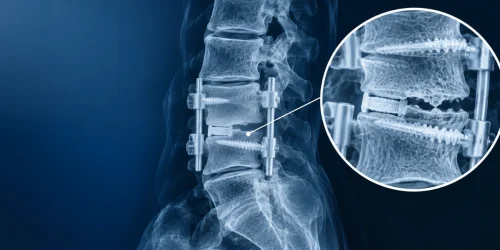
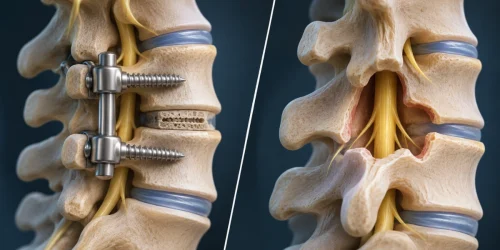
Spinal nerve compression is another significant and sometimes overlooked cause. When a herniated disc or other spinal condition compresses nerve roots, the symptoms can closely resemble those of peripheral neuropathy. Addressing the spinal issue directly can relieve the nerve pain at its source.
Vitamin deficiencies, particularly deficiencies in B vitamins such as B1, B6, and B12, are closely linked to peripheral nerve damage. B12 deficiency in particular can cause irreversible nerve damage if left untreated.
Alcohol abuse is directly toxic to peripheral nerves and also contributes to nutritional deficiencies that compound the damage.
Physical compression and repetitive stress can cause localized neuropathy. Shoes that are too tight, crossing your legs for long periods, leaning on your elbows, and repetitive motions like extended keyboard use are all contributors.
Toxic exposures to chemicals, heavy metals, or certain medications, including some chemotherapy drugs, can damage peripheral nerves over time.
Infections and autoimmune conditions including Lyme disease, HIV, rheumatoid arthritis, lupus, and Guillain-Barre syndrome can all attack peripheral nerves. A 2024 study in Cureus found subclinical peripheral neuropathy in 18% of patients with autoimmune connective tissue disorders 4.
How Is Peripheral Neuropathy Diagnosed?
Because peripheral neuropathy has so many possible causes, getting an accurate diagnosis requires a thoughtful, thorough evaluation. At Deuk Spine Institute, we use several key diagnostic tools:
Electromyography (EMG) and Nerve Conduction Studies (NCS) are the gold standard tests for detecting nerve damage. The NCS measures how quickly electrical signals travel along your nerves, while the EMG assesses the electrical activity of your muscles. Together, they can confirm nerve damage, identify which nerves are affected, and indicate how severe the damage is.
Blood work is used to check for diabetes, vitamin deficiencies, thyroid dysfunction, liver and kidney disease, and markers of infection or autoimmune activity. These results are critical for identifying the root cause.
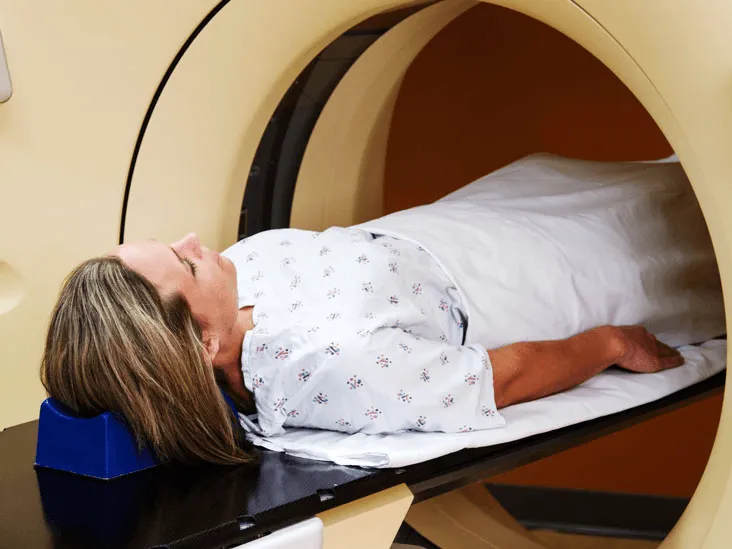
Imaging, including MRI, can detect spinal problems that may be compressing nerve roots and producing neuropathy-like symptoms in the extremities.
Submit your MRI to Dr. Ara Deukmedjian for a second opinion. A free 10-minute virtual consultation could change everything. A pain-free life is possible.
Managing and Treating Peripheral Neuropathy
Treatment depends heavily on the underlying cause. Addressing the source of nerve damage as early as possible gives your nerves the best chance to recover.
For diabetic neuropathy, strict blood sugar control is essential. A 2025 review on evolving treatment strategies for neuropathic pain found that first-line medical therapies include gabapentinoids, tricyclic antidepressants, and serotonin-norepinephrine reuptake inhibitors, which can help manage pain when lifestyle measures alone are insufficient.
Lifestyle modifications that every patient should consider include:
- Controlling blood sugar if you have diabetes
- Eliminating or significantly reducing alcohol intake
- Quitting tobacco, which restricts blood flow to peripheral nerves
- Correcting vitamin deficiencies through diet or supplementation
- Wearing properly fitting shoes and protecting your feet from injury
- Exercising regularly at a moderate pace to improve circulation and nerve health
- Eating a diet rich in fresh fruits, vegetables, whole grains, and lean protein
For compression-related neuropathy, surgical intervention may be necessary when conservative treatment fails. When nerve symptoms in the legs or feet are traced back to a herniated or damaged disc in the spine, Deuk Spine Institute offers Deuk Laser Disc Repair®, a minimally invasive endoscopic surgery. The procedure is performed through a 4mm opening, uses no hardware or bone grafting, and is completed in under one hour as an outpatient procedure. Patients typically walk out of the clinic the same day with no need for opioid painkillers or an extended hospital stay.
Get a second opinion from a neurosurgeon with over 20 years of experience.
Schedule a brief 10-minute virtual consultation with Dr. Deuk to find out if the advanced Deuk Laser Disc Repair® procedure can relieve your neuropathy pain from compressed spinal nerves.
Sources
- https://pubmed.ncbi.nlm.nih.gov/38822450/
- https://pmc.ncbi.nlm.nih.gov/articles/PMC12195047/
- https://pubmed.ncbi.nlm.nih.gov/34580377/
- https://pmc.ncbi.nlm.nih.gov/articles/PMC11513222/
Frequently Asked Questions
-
Can peripheral neuropathy be reversed?
In many cases, peripheral neuropathy can be improved or partially reversed when the underlying cause is identified and treated early. Diabetic neuropathy can stabilize or improve with better blood sugar control, and neuropathy from vitamin deficiencies can improve with proper supplementation. Compression-related neuropathy often resolves after the source of spinal compression is surgically addressed. However, long-standing or severe nerve damage may result in permanent changes to sensation.
-
What is the difference between peripheral neuropathy and radiculopathy?
Radiculopathy is nerve pain that originates from a compressed or irritated nerve root in the spine, while peripheral neuropathy originates from damage to the peripheral nerves themselves, outside the spinal canal. Both conditions can produce numbness, tingling, and pain in the hands or feet, which is why spinal imaging such as an MRI is an important part of the evaluation when peripheral neuropathy is suspected.
-
How do I know if my tingling and numbness is serious?
Occasional tingling from sitting in one position too long is normal. However, persistent or worsening numbness, tingling, burning pain, or weakness in your hands or feet—especially if it began gradually and affects both sides of the body—warrants evaluation by a physician. Early diagnosis provides the best opportunity to slow or prevent progression of the condition.
-
Can Deuk Spine Institute help with peripheral neuropathy?
Yes. When peripheral neuropathy symptoms are linked to spinal nerve compression caused by a herniated disc or related spinal condition, Deuk Spine Institute can treat the root cause using Deuk Laser Disc Repair®. This minimally invasive procedure targets the damaged disc directly to eliminate nerve compression that produces radiating pain, numbness, and tingling. The institute also provides comprehensive diagnostic evaluations including free MRI reviews to determine whether symptoms are spinal in origin.